Who to Call After an ATV Crash in Virginia
An ATV or UTV crash in Virginia can be a terrifying and disorienting experience, leaving you shaken and unsure of the proper steps to take next. Whether it's a minor fender-bender on a trail or a more serious incident involving injuries or property damage, knowing who to call and what actions to prioritize immediately after an accident is absolutely crucial. This guide is here to walk you through the essential contacts and critical steps, helping you navigate the aftermath of an off-road incident with clarity and confidence.
Immediate Steps After an ATV Crash
When the unexpected happens out on the trail or even on your own property, your immediate actions can significantly impact the outcome, both in terms of safety and any potential legal or insurance claims. It’s easy to feel overwhelmed, but focusing on these first crucial steps can make a world of difference.
Prioritizing Safety and Assessing Injuries
First and foremost, your safety and the safety of anyone else involved is the top priority. The roar of the engine suddenly silenced, the impact, the dust settling—it can all happen so fast. Take a deep breath. Before you do anything else, check yourself and any passengers for injuries. Even if you feel fine in the immediate aftermath, adrenaline can mask pain. Look for cuts, bruises, or any signs of more serious trauma. If someone is unconscious, unable to move, or bleeding heavily, do not hesitate. This is a critical situation, and immediate medical attention is paramount.
If you can move safely, try to move yourself and others to a secure location away from the immediate scene, especially if you're on a shared trail where other riders might not expect an obstruction, or near a road crossing. Think about secondary hazards – is there fuel leaking? Is the machine unstable? Getting to a safe spot, even if it's just a few feet away, can prevent further injury while you assess the situation and make your next moves. Remember, a helmet, goggles, and proper riding gear are designed to protect you, but even with the best gear, accidents can still cause significant harm.
Even if injuries seem minor, it’s always a good idea to seek medical evaluation. Some injuries, like concussions or internal bruising, might not be immediately apparent but can worsen over time. A quick check by a medical professional can rule out hidden issues and create an important record should any complications arise later. Your well-being is not something to take lightly, and a professional assessment provides peace of mind.
Securing the Accident Scene
Once immediate safety and injury checks are done, if possible, take steps to secure the accident scene. This might involve turning off the ATV's engine if it's still running, and if safe to do so, placing any reflective gear, like safety vests or emergency triangles, around the perimeter to warn other riders or passersby. If you're on a less-traveled path, this might be less critical, but on popular trails or near public access points, it’s a vital step. You don't want another rider coming around a blind corner and creating a second incident.
If your ATV or UTV is obstructing a trail or pathway, and if it's safe and feasible to do so, try to move it to the side. However, if the machine is severely damaged, leaking fluids, or if moving it could compromise an injury, it’s best to leave it in place until emergency services arrive. The goal here is to prevent further harm, not to make the scene look perfect. A damaged machine, especially one from a reputable brand that focuses on durability, like a SuperATV equipped rig, might still pose hazards after an impact.
Documenting the scene with photos or videos is also an incredibly important part of securing the area, even before law enforcement or emergency responders arrive. Capture different angles of your machine, any other vehicles involved, tire marks, trail conditions, and any obstructions or hazards that might have contributed to the accident. These visual records can be invaluable later when dealing with insurance companies or if any legal questions arise. Don't underestimate the power of a clear photo to tell the story of what happened.
Notifying Authorities and Documenting the Incident
After the initial shock and safety checks, the next crucial step is to involve the proper authorities and begin the process of documenting every detail of the incident. This isn't just about following rules; it's about protecting your rights and ensuring accurate records are kept.
When to Call 911 or Local Law Enforcement
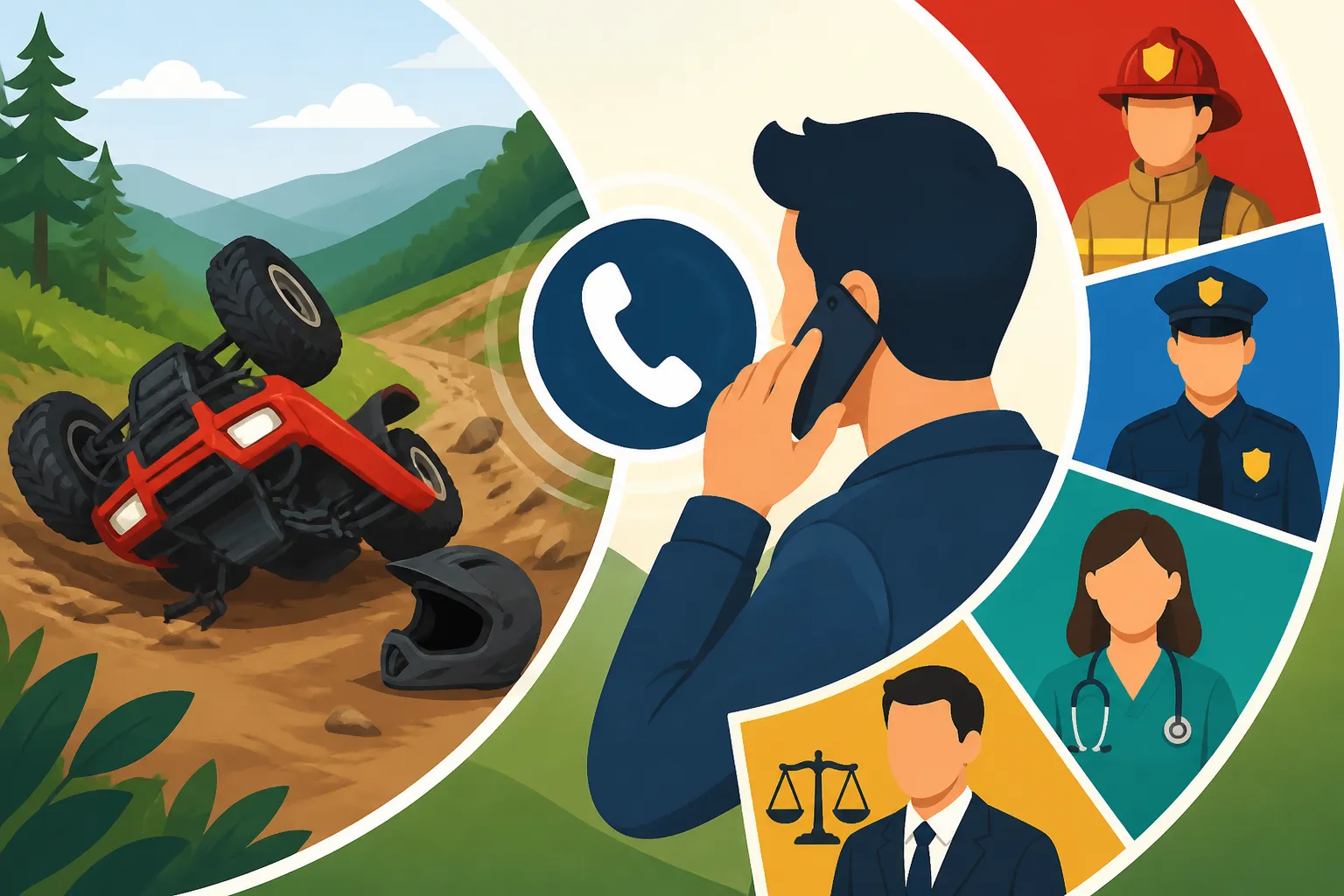
Knowing when to call 911 versus a non-emergency police line can sometimes be confusing, especially after an accident. In Virginia, if there are serious injuries, fatalities, significant property damage, or if the accident occurred on a public road or right-of-way (even during a brief [Virginia Crossings of Numbered State Routes]), you should always call 911 immediately. This ensures that paramedics, fire rescue, and law enforcement are dispatched without delay. Even if you think the injuries are minor, err on the side of caution.
For incidents that occur entirely on private land, such as a spill on a hunting lease or a minor incident in your own backyard, calling 911 might not be necessary unless there are severe injuries. However, it's often wise to at least contact your local sheriff's department or police non-emergency line to report the incident. They can advise whether an officer needs to respond or if a report should be filed. An official report, even for private property incidents, can be invaluable for insurance claims or if there are disputes later. Remember, a formal record provides an objective account of what transpired.
Keep in mind that while Virginia does not register ATVs, certain laws regarding accidents still apply. If alcohol or drugs were involved, or if you suspect another party was driving under the influence, it is absolutely critical to involve law enforcement. [Virginia DUI Law and Off-Road Machines] applies regardless of whether you're on a public road or private land. Prompt reporting in these situations helps ensure proper investigation and accountability.
Gathering Critical Information and Evidence
Once authorities are on the way, or even if you've decided against calling them for a very minor incident, you need to become a diligent information gatherer. This means collecting details from everyone involved, including names, contact information, addresses, and vehicle information (make, model, VIN, and license plate number if applicable, although ATVs don't get plates in Virginia). If there were any witnesses, get their contact information too. Their perspective can corroborate your account.
Beyond personal details, start documenting the scene thoroughly. Take copious photographs and videos from multiple angles. Capture the position of the ATVs, any damage, skid marks, trail conditions, signage, and any contributing factors like potholes, fallen trees, or blind spots. These visuals will be a cornerstone of your case, whether for insurance or legal purposes. Think about the story these images tell.
It's also important to jot down your own recollections of the event as soon as possible. Details can fade quickly, especially under stress. Note the date, time, location, weather conditions, and a step-by-step account of what happened before, during, and after the crash. Include any observations about the other parties involved, like whether they appeared distracted or impaired. This meticulous record-keeping is often the difference between a smooth resolution and a complicated one. Remember, even a small detail can become significant.
Here's a quick checklist of information to gather:
| Information Type | Details to Collect | Importance |
|---|---|---|
| Personal Information | Full name, address, phone, email for all involved (drivers, passengers, witnesses) | Essential for contact and claims |
| Vehicle Information | Make, model, VIN (from the frame), color of all ATVs/UTVs involved | Identifies machines for reporting |
| Insurance Information | Company name, policy number, agent contact for all involved | Crucial for filing claims |
| Accident Details | Date, time, specific location, weather, lighting, road/trail conditions | Establishes facts for reports |
| Damage Photos/Video | Multiple angles of all vehicles, surrounding area, any injuries | Visual evidence for claims and investigation |
| Witness Statements | Names, contact info, brief summary of what they saw | Corroborates your account |
| Officer's Information | Name, badge number, police department, report number (if applicable) | Helps track official incident report |
Contacting Your Insurance Provider and Legal Counsel
Once the immediate crisis has passed and initial documentation is complete, your next calls will be to your insurance company and potentially to a lawyer. These steps are critical for managing the financial and legal ramifications of the crash.
Reporting the Incident to Your Insurer
Even if you believe the damage is minor or you were entirely at fault, you should still report the incident to your insurance provider as soon as reasonably possible. Many policies have specific timelines for reporting accidents, and delays could jeopardize your coverage. Even though [Virginia Requires No ATV Insurance] by law, many riders choose to carry it for peace of mind, especially for expensive machines or those from brands like SuperATV known for their high-performance components. If you have insurance, use it.
When you call your insurer, be prepared to provide all the information you've gathered: date, time, location, details of what happened, information about other parties involved, and the extent of any injuries or property damage. Be factual and honest, but avoid admitting fault. Simply state what occurred. Your insurance company will investigate the incident and determine liability based on the facts and evidence presented. This is where your diligent photo and information gathering will pay off.
Your policy might cover medical expenses, property damage, or even liability if you were at fault for damage to someone else's machine or property. Understanding [Which Policy Pays After a Virginia ATV Collision] can be complex, involving health insurance, property insurance, and specific ATV policies. Your agent can help you navigate these different coverages and understand what your policy provides in this specific situation. Don't be afraid to ask questions about your deductible, coverage limits, and the claims process.
Considering Legal Advice
For serious accidents involving significant injuries, fatalities, or substantial property damage, or if there's any dispute over fault, consulting with an attorney specializing in personal injury or accident law in Virginia is a wise decision. An attorney can help you understand your legal rights, navigate complex insurance claims, and represent you if a lawsuit becomes necessary. They can also advise on specific Virginia laws, such as [Virginia Penalties for Illegal Riding] if the accident occurred in a restricted area, or nuances related to liability.
A lawyer can be particularly helpful if the other party's insurance company is being difficult or if you're facing high medical bills and lost wages. They can gather additional evidence, interview witnesses, and negotiate on your behalf to ensure you receive fair compensation. While it might seem like an extra step, the peace of mind and potential financial benefits of having experienced legal counsel can be invaluable in a serious accident scenario.
Even for less severe incidents, if you feel pressured by insurance adjusters, or if there's any ambiguity about who is at fault, a brief consultation with a lawyer can provide clarity and protect your interests. Many attorneys offer free initial consultations, so there's little to lose by exploring your options. It's about empowering yourself with knowledge during a challenging time.
Additional Resources and Prevention
Beyond the immediate aftermath of a crash, it's important to think about recovery, both physical and mechanical, and how to prevent similar incidents in the future.
Accessing Medical Support and Follow-up
After any accident, ensuring you receive complete medical follow-up is critical. This isn't just about immediate emergency care; it's about continued rehabilitation and monitoring for long-term health. If you sustained injuries, follow all recommendations from doctors, therapists, and specialists. This includes attending all appointments, taking prescribed medications, and adhering to any physical therapy regimens. Consistent medical care not only aids your recovery but also provides a clear, documented record of your injuries and treatment, which is vital for any insurance claims or legal proceedings.
Remember that recovery can be a marathon, not a sprint. Be patient with yourself and don't hesitate to seek emotional or psychological support if the accident has caused lingering anxiety or trauma. Resources like support groups or counseling can be incredibly beneficial for processing the experience and returning to a sense of normalcy. Your overall well-being is paramount, and addressing all aspects of recovery is part of moving forward.
Consider getting a thorough check-up even if you initially felt okay. Some injuries, like whiplash or soft tissue damage, can manifest days or even weeks after an incident. Proactive medical attention helps detect these issues early, preventing them from becoming more severe problems down the road. It's a small investment in your long-term health and can save you from bigger issues later.
Preventing Future Incidents
The best way to handle a crash is to prevent it from happening in the first place. After an incident, take time to reflect on what happened and what could be done differently. Was it a mechanical issue? Operator error? Environmental factors? Maybe it's time for some upgraded safety gear or a maintenance check on your machine. Regular checks of your tires, brakes, and steering components are essential. A SuperATV enthusiast knows the importance of proper maintenance and often invests in high-quality parts that enhance safety and performance.
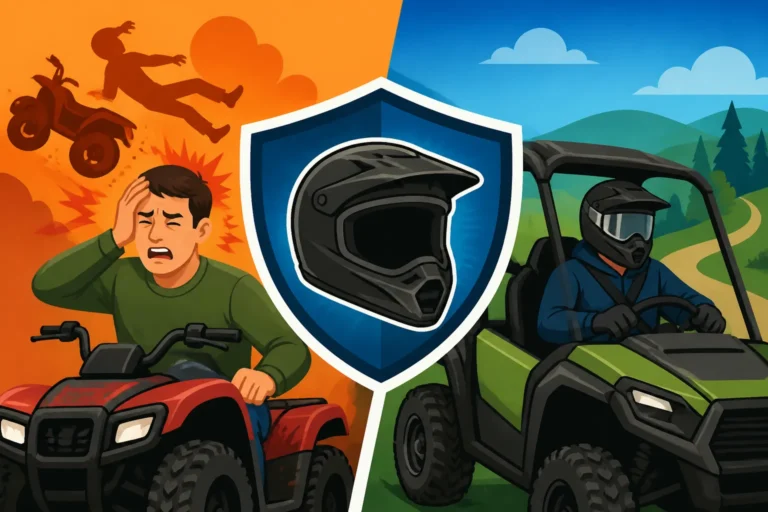
Always wear appropriate safety gear, including a DOT-compliant helmet, eye protection, gloves, long pants, and sturdy boots. Virginia's [Virginia Helmet Law Applies to Every Rider], regardless of age, on any ATV. Familiarize yourself with [Virginia ATV Age Requirements] and ensure all riders meet them, especially for youth quads. Adhere to trail rules, speed limits (like the [Virginia's 25 mph Trail Speed Limit] on Spearhead trails), and never ride under the influence of alcohol or drugs. Responsible riding is the foundation of safe off-road adventures.
Consider taking an ATV safety course. While [Virginia Has No Safety Course Requirement] for ATV operation, these courses can significantly improve your riding skills, hazard awareness, and understanding of your machine's capabilities. Investing in education is one of the most effective ways to reduce your risk of accidents. Remember, the trails are there to be enjoyed safely, and a proactive approach to safety benefits everyone.
Disclaimer
This article is for general informational purposes only and does not constitute professional advice. Laws, prices and regulations vary by location and change over time. Consult a qualified professional for guidance on your specific situation.