Getting an Impounded ATV Back From a City
Finding your ATV or side-by-side missing from where you left it, only to discover it's been impounded by a city, can be an incredibly frustrating and confusing experience. It often leaves riders feeling helpless, facing unexpected fees, and unsure of the exact steps to get their beloved machine back. This guide is here to demystify that process, walking you through the typical reasons for impoundment in Virginia cities and providing clear, actionable steps to retrieve your ATV, understand the associated costs, and avoid future headaches.
Understanding Why Your ATV Was Impounded in a Virginia City
Let's be real: no one wakes up thinking, "Today, I'm going to get my quad impounded!" Usually, it happens because of a misunderstanding of local ordinances or a lapse in judgment. Virginia state law makes it pretty clear that ATVs are generally not allowed on public highways or streets, but cities and towns often have their own additional rules that can lead to an impoundment. It's a tough lesson to learn, and the fees that come with it only add insult to injury.
Virginia's General ATV Road Rules
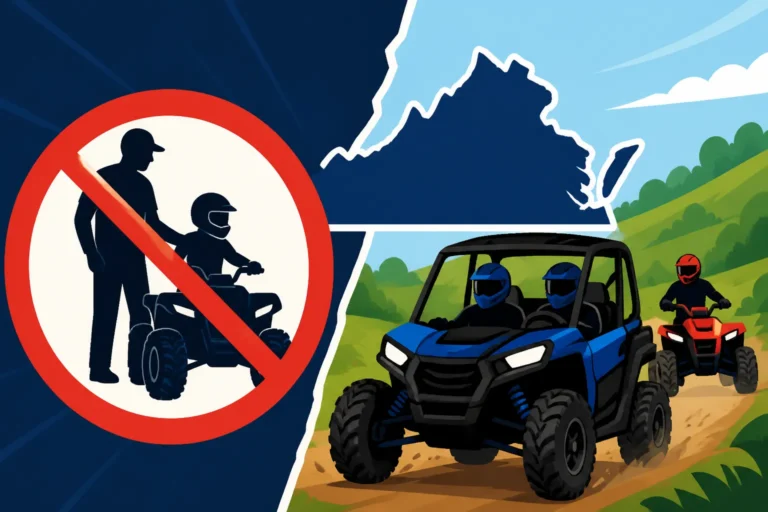
The foundational issue in Virginia is that ATVs are almost universally banned from public highways and streets. This isn't just a suggestion; it's written into the state code. Section 46.2-915.1, for example, lays out the specific conditions under which an ATV might briefly cross a highway or be used for certain agricultural purposes, but it explicitly prohibits general operation on public roads. So, if you're riding down Main Street in your hometown, even if it's just a short hop, you're likely in violation. An officer spotting this is often the first step toward your machine being towed away. This isn't always obvious to folks who are used to riding on private land or dedicated trails, so the city streets can feel like a trap. You can learn more about this by reading [Virginia ATV Road Rules Under 46.2-915.1].
Think about it: many of us have seen riders briefly cut across a street to get from one section of private property to another, or even just take a quick cruise down a quiet neighborhood street. While it might seem harmless, from a city's perspective, it's a safety hazard and a violation of traffic laws designed for traditional vehicles. These rules are in place for a reason, even if they feel overly restrictive to us off-road enthusiasts.
Specific City Ordinances and Impoundment Powers
Beyond state law, Virginia cities and towns possess the authority to enact their own ordinances regarding ATV use within their corporate limits. These local rules can be even stricter, sometimes banning ATVs from sidewalks, public parks, or even restricting their presence on private property in ways that cause nuisance complaints. This is where the real complexity kicks in, because what's allowed in one county or rural area might be strictly forbidden in a city just down the road. Local governments have these [Virginia City Impoundment Powers] to enforce these ordinances.
For instance, a city might have an ordinance that specifically prohibits ATVs on city-owned greenways or recreational paths, even if they're not traditional "roads." Or, if your machine is deemed an abandoned vehicle on public land, or even on private property where it's causing a disturbance and a complaint is filed, the city could step in. These nuances mean that understanding your local city's specific rules is absolutely critical, even if you think you're "just riding in town for a minute." A common scenario that leads to impoundment is [Riding an ATV on a City Sidewalk], which is almost universally prohibited and can quickly lead to a tow.
Consider a scenario where you're visiting a friend in a city like Roanoke or Richmond, and you decide to take your ATV out for a spin down what seems like a quiet residential street. Suddenly, a police cruiser appears, and before you know it, you're being issued a citation, and your machine is on its way to an impound lot. The officer might explain that the city has a zero-tolerance policy for ATVs on any public right-of-way, including those seemingly quiet neighborhood streets. This is why knowing the local city ordinances is just as important as knowing state law, as ignoring them can lead to significant financial penalties and the hassle of retrieving your machine.
The Immediate Steps to Recover Your Impounded ATV
So, you've realized your ATV has been impounded. The immediate aftermath can feel chaotic and overwhelming. Your heart might be pounding, you might be frustrated, and you're probably wondering, "What do I even do first?" Taking a deep breath and following a clear process will save you a lot of grief and potentially money. The quicker you act, often the less you'll owe in daily storage fees.
Contacting the Local Police Department
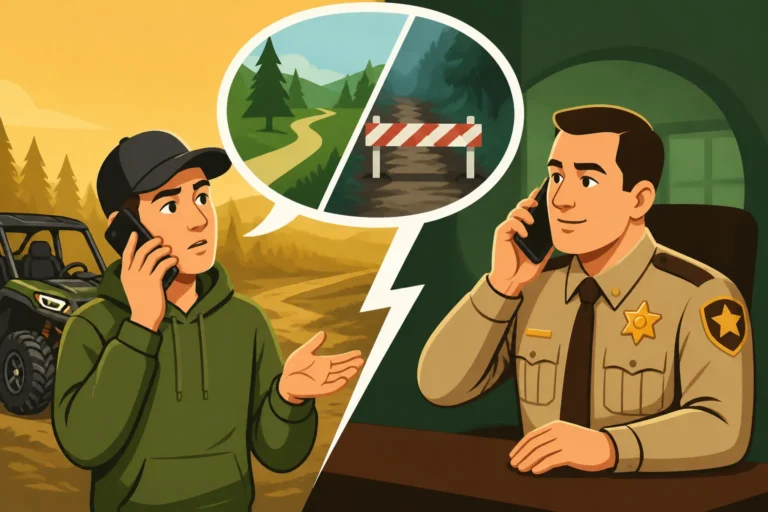
Your very first step should be to contact the police department in the city or town where your ATV was impounded. Don't call 911; look up their non-emergency number. Explain your situation calmly and provide them with as much detail as you can: where you last saw your ATV, what happened, and if you received a citation. They will be able to confirm if your machine was indeed impounded, which impound lot it was taken to, and what the initial reason for the impoundment was. This also gives you the opportunity to ask about any specific procedures for release and what documents you'll need.
It's common for people to assume their ATV was stolen before realizing it was impounded. A quick call to the police can clear this up immediately. They'll have a record of the tow and the associated incident report. Be prepared to provide your name, the ATV's make, model, VIN (Vehicle Identification Number), and any details about when and where it was taken. Having this information readily available will expedite the process. This initial call is also your chance to get the phone number and address of the impound lot, which is crucial for the next step.
Identifying the Impound Lot and Understanding Fees
Once the police confirm the impoundment and provide the impound lot details, your next call is to the impound lot itself. Find out their operating hours, what forms of payment they accept, and get an estimate of the fees. These fees typically include the initial towing charge, daily storage fees, and sometimes an administrative fee from the city. These costs can add up surprisingly quickly, so swift action is key. Many lots charge per day, so every day your ATV sits there is another chunk of money out of your pocket.
When you speak to the impound lot, confirm exactly what documents you will need to present to prove ownership and get your ATV released. Typically, this will include proof of ownership (like a title or bill of sale), valid photo identification, and potentially the release form from the police department. This is also a good time to ask about access to your vehicle if you need to inspect it for damage before driving it off, or if you plan to trailer it yourself. Being prepared with all necessary documents and the estimated funds before you go will prevent wasted trips and further delays. If your ATV is new and you have an MSO, that will work, too. A machine bought new since 2006 would typically have a [Virginia Titles Required on Machines Over 50cc].
Dealing With Fees, Fines, and the Release Process
Let's face it, getting your ATV back is usually accompanied by a stack of bills. It's not just the towing and storage fees; you might also be facing fines for the violation that led to the impoundment in the first place. This part can feel like a financial punch to the gut, but understanding each component of the cost and the proper steps to pay them is essential to getting your machine back into your possession.
Towing, Storage, and Administrative Fees
The fees associated with an impounded ATV typically break down into a few categories. First, there's the towing fee, which covers the cost of getting your machine from the point of impoundment to the storage lot. This can vary based on the distance and the towing company. Second, and often the most rapidly accumulating cost, are the daily storage fees. These accrue for every day your ATV sits on the lot, so retrieving it quickly is financially beneficial. Lastly, some cities charge an administrative fee for processing the impoundment paperwork. These are typically set fees, not daily charges.
These fees are usually paid directly to the towing and impound lot before they will release your ATV. They may accept cash, credit cards, or certified checks. It’s always best to confirm their accepted payment methods beforehand. It’s also important to note that these fees are separate from any fines or court costs you might incur for the actual violation that led to the impoundment. Think of it as paying for the service of getting your ATV off the street and keeping it safe, even if you didn't ask for it. Sometimes, these costs can climb into the hundreds, if not thousands, especially if the machine sits for an extended period.
| Fee Type | Description | Payment Recipient | Urgency |
|---|---|---|---|
| Towing Fee | Initial cost to transport the ATV to the impound lot. | Towing Company/Impound | High |
| Daily Storage Fee | Accrues per day the ATV is stored at the lot. | Impound Lot | Very High |
| Administrative Fee | City's charge for processing impoundment paperwork. | City/Impound Lot | High |
| Citation Fine | Penalty for the specific violation leading to impoundment. | Court/City Revenue | Moderate |
| Court Costs | Additional fees if the citation goes to court. | Court | Moderate |
Paying Fines and Retrieving Your ATV
Beyond the impound lot fees, you'll likely receive a citation or summons for the violation itself. [Virginia Penalties for Illegal Riding] can range from civil penalties to more serious consequences depending on the specific offense. This fine will typically be paid to the city or county's court system, and generally doesn't prevent you from picking up your ATV from the impound lot as long as the towing and storage fees are settled. However, it's crucial to address the citation promptly to avoid further legal issues, increased fines, or even a warrant.
Once you've paid all required fees to the impound lot and have your proof of ownership and identification, you can proceed to retrieve your ATV. It's a good idea to bring a truck and trailer, as you won't be able to legally ride it off the lot onto public roads. Make sure to inspect your ATV thoroughly for any damage before you sign anything, and document its condition with photos or videos. While impound lots are generally careful, accidents can happen, and having proof of pre-existing condition can be helpful if you need to dispute damage later. Remember that many places that sell off-road accessories, like SuperATV, also offer parts and upgrades that can enhance your machine's durability for future trail riding, so consider beefing up your ride once you have it safely back home.
Preventing Future Impoundments and Riding Legally
No one wants to go through the hassle and expense of an impoundment twice. Understanding the rules and being proactive about where and how you ride in Virginia is the best defense against future incidents. It’s about being a responsible rider and knowing your limits, both legally and geographically.
Understanding Legal Riding Areas in Virginia
The easiest way to avoid city impoundments is to stick to designated off-road riding areas. Virginia boasts several fantastic trail systems, such as the Spearhead Trails network in the southwestern part of the state and Peters Mill Run/Taskers Gap in the George Washington National Forest. These areas are specifically designed for ATVs and UTVs, providing legal and exciting places to ride without the fear of encountering city ordinances. You can find comprehensive guides on these by looking into [Virginia Trails: Spearhead and the Forest].
Always check the rules and permit requirements for these trail systems before you go. For example, Spearhead Trails requires a permit, and some national forest trails have specific width restrictions or seasonal closures. Planning your ride in advance to these legal areas not only keeps you compliant with the law but also provides a safer and more enjoyable experience. Consider using mapping apps that show designated trails, and always carry physical maps as a backup, especially in areas with spotty cell service.
Navigating Private Land and Landowner Consent
Riding on private land is a fantastic option in Virginia, but it comes with its own set of rules. You must have explicit permission from the landowner. [Virginia Written Consent on Private Land] is not just a polite request; it's a legal requirement to avoid trespassing charges, which can also lead to fines and even impoundment if authorities are called. A simple verbal agreement might feel sufficient, but a written permission note is always best, detailing the dates and areas you're allowed to ride.
Many landowners are happy to allow responsible riders on their property, especially if it helps with land management or simply enjoying the outdoors. However, always respect their wishes, stay on designated trails if they have them, and leave no trace. If you're riding through timber land or leased hunting grounds, be extra mindful of posted signs and any restrictions. Being a respectful guest on private property builds trust and ensures continued access for yourself and other riders. Accessories from companies like SuperATV, such as cargo boxes or winches, can be really helpful for doing landowner favors like hauling firewood or clearing brush, which can go a long way in maintaining good relationships.
The Importance of Education and Local Knowledge
Ultimately, preventing future impoundments boils down to education and local knowledge. Ignorance of the law is never a valid defense, and city ordinances can change. Stay informed about ATV laws in Virginia by regularly checking the DMV website, local government portals, and joining local ATV clubs. These clubs are often excellent resources for understanding local regulations, discovering legal riding spots, and learning about proposed changes to laws. They can also offer valuable insights into specific trail conditions or access points.
If you're unsure about the legality of riding in a specific area, especially near or within a town, it's always best to err on the side of caution and find an alternative, clearly legal spot. A quick call to the local sheriff's office or city police department's non-emergency line can sometimes clarify questions about specific roads or properties, though remember their primary role is enforcement. The time and effort spent researching legal riding areas and understanding local rules is a small price to pay compared to the cost, stress, and inconvenience of having your ATV impounded again. Knowing the rules before you start your engine is the best way to ensure your adventures remain on the right side of the law.
Disclaimer
This article is for general informational purposes only and does not constitute professional advice. Laws, prices and regulations vary by location and change over time. Consult a qualified professional for guidance on your specific situation.