Quiet Hours at a Campground Next to the Trails
Quiet hours at Virginia campgrounds vary by property; confirm rules for machines, generators, and arrival times before riding or booking.
Your sticker stops at the state line.
Non-resident permits, what they cost and how long they last, and which states honor each other’s — or, increasingly, none at all.
Quiet hours at Virginia campgrounds vary by property; confirm rules for machines, generators, and arrival times before riding or booking.

Bringing a dog to a Virginia riding park depends on the venue. Check its pet rules, and leash dogs no longer than six feet in Forest Service recreation areas.
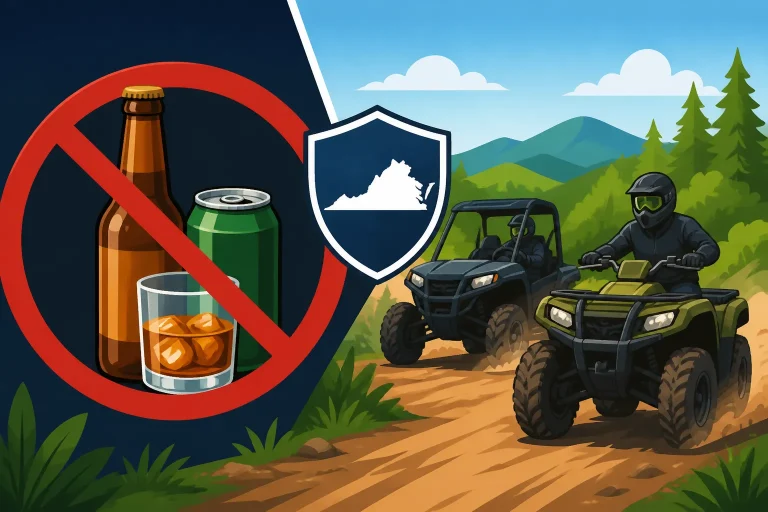
Why riding parks ban alcohol on the trail: South Pedlar prohibits it on trails and trailheads, but rules vary, so check each riding area before your trip.

Virginia ATV riders need helmets, but park standards can differ. Check state law and the venue’s rules before choosing a helmet or heading out.

Virginia does not require an ATV safety course statewide, but training can reduce risk and help riders prepare for trails, family rides, and emergencies.
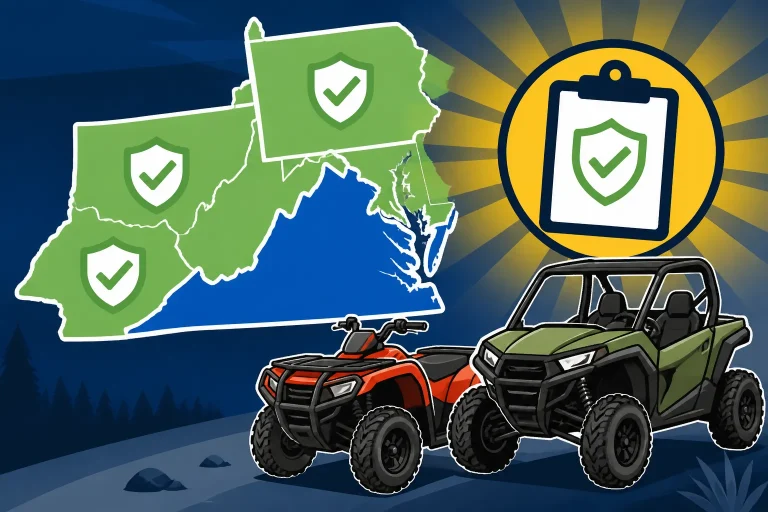
Neighboring states may require youth ATV safety certificates; Virginia riders should check age, land type, and destination rules before riding.
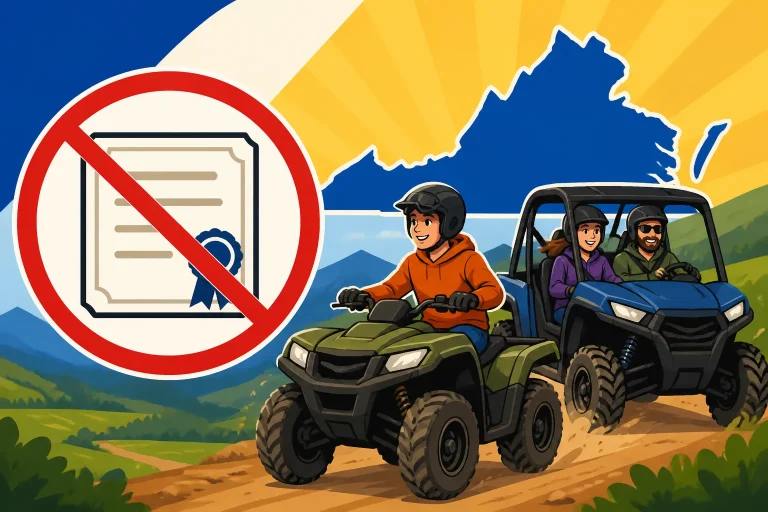
Virginia ATV riders do not need a safety-course certificate at any age, but permits, age limits and trail-specific rules still apply on each ride.

Hatfield-McCoy and Spearhead require separate trail permits; check each system’s coverage, dates, rider rules and route status before riding.
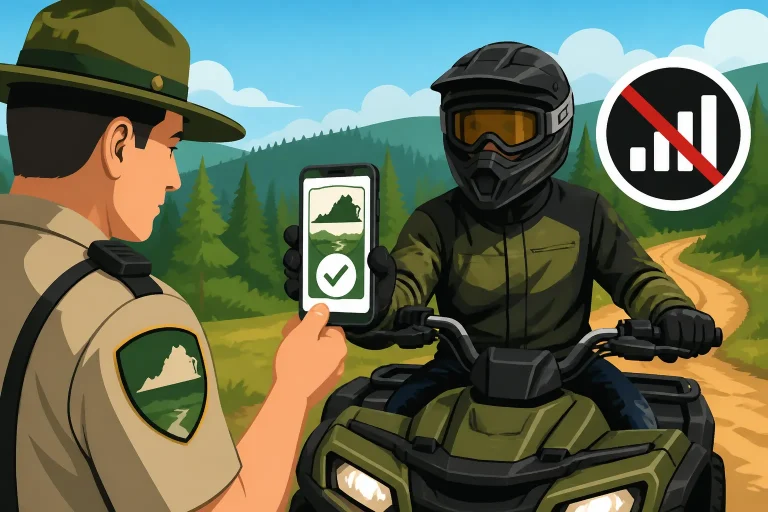
A digital trail permit is easy to show when your phone has service. On a Virginia ride, that service may disappear before you reach the trailhead. Prepare your permit and identity details before leaving coverage, and know what a ranger can check offline so a dead signal does not become an avoidable delay. What a…
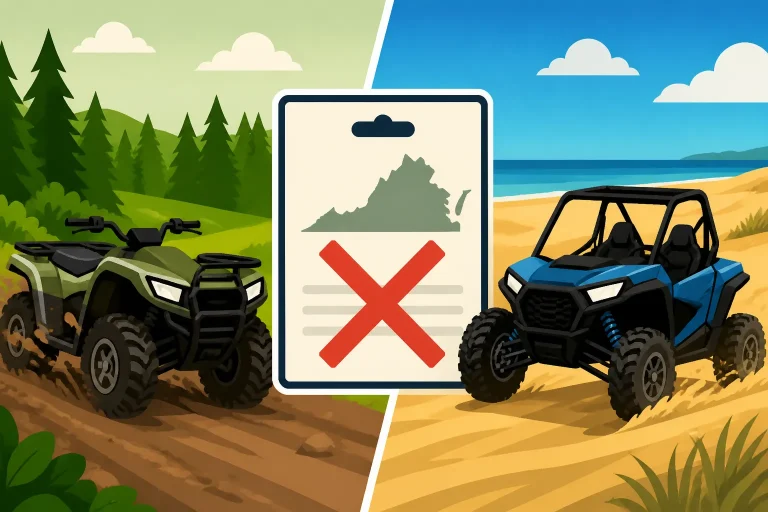
Spearhead and Hatfield-McCoy require separate permits because each network manages its own trail access, rules, and rider requirements.