Virginia Rules for Riding a Farm Road
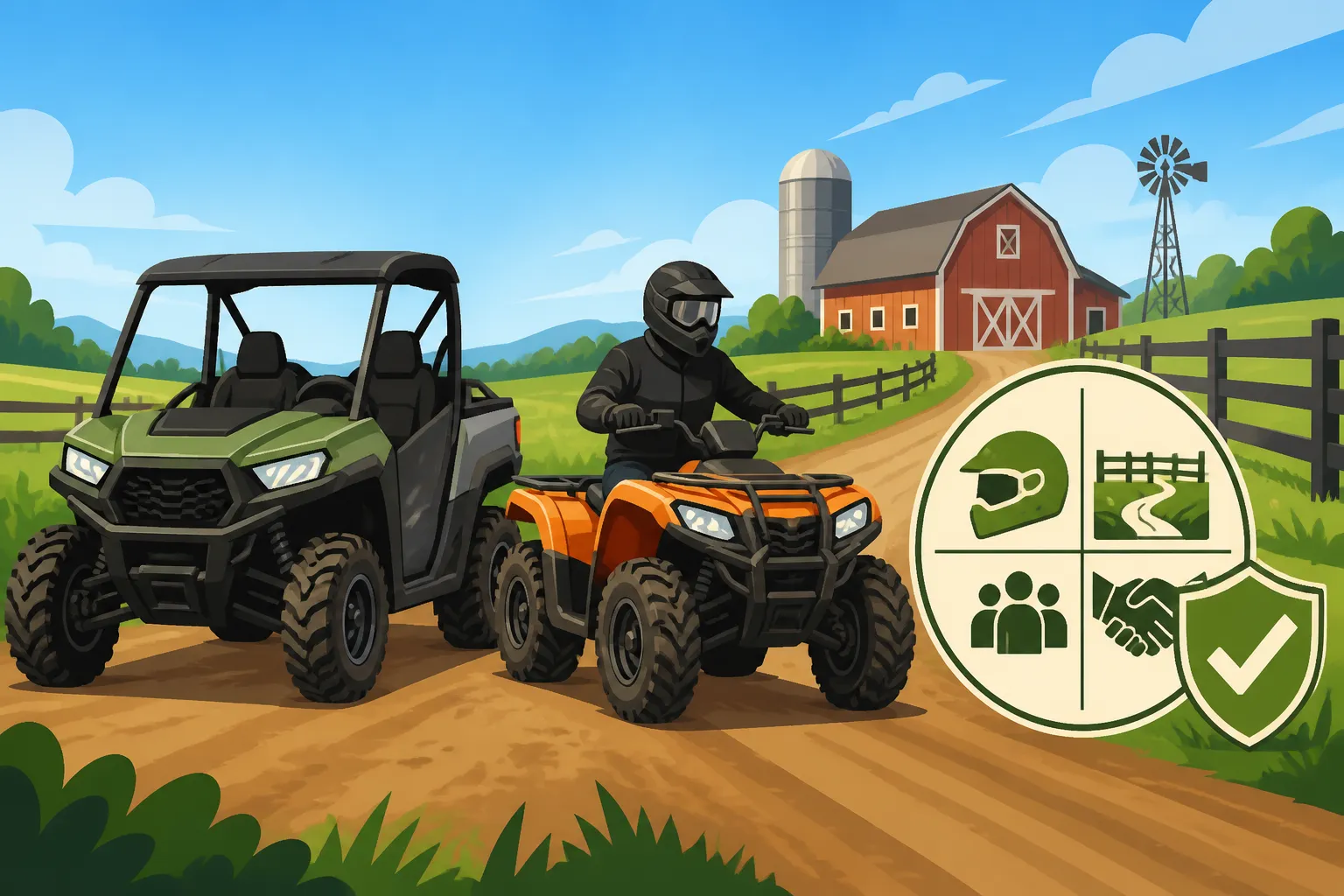
It’s a common misconception, one I hear all the time from folks living in the more rural parts of the Commonwealth, that if you’re on a farm, your ATV or UTV can go anywhere and do anything. After all, it’s private property, right? You might think that driving your quad down your own gravel farm road to check fences or move feed is just common sense and completely unregulated. But here in Virginia, even farm roads have their own set of specific—and often surprising—rules you need to be aware of. This guide will cut through the confusion, helping you understand exactly what the law says about operating your off-road machine on your very own farm property.
The Basics: Virginia's General ATV Road Rules Even on Private Land
There’s a pervasive myth that once you're on private land, all bets are off when it comes to ATV regulations. While it’s true that private property offers significantly more freedom than public roads, Virginia law does extend its reach into certain aspects of ATV operation, regardless of where you’re riding. This can feel frustrating, especially if you're just trying to get work done on your own acreage, but understanding these foundational rules is critical to staying on the right side of the law.
Why Even a Farm Road Isn't "Anything Goes"
The core issue here is how Virginia defines and categorizes ATVs. They are specifically designated as "off-road vehicles," which sets them apart from typical "motor vehicles" like cars and trucks. This distinction is why you don't title your ATV in the same way you title a car, and why it doesn't get a license plate. However, this doesn't mean ATVs are exempt from all state statutes once they're off the pavement. The Commonwealth has a strong interest in public safety, and some of those safety provisions apply universally, even on your own back forty.
For instance, the definition of an ATV itself, which typically covers machines designed for off-highway use with four or more low-pressure tires, a seat designed to be straddled by the operator, and handlebars for steering, helps clarify its intended use. Utility vehicles (UTVs) often fall under similar definitions for off-road use, sometimes even being explicitly included in the broader ATV category for regulatory purposes, which you can learn more about in [Virginia ATV and Utility Vehicle Definitions]. The state is not trying to tell you how to farm, but it is trying to ensure basic safety standards are met, even when you're simply running errands around your property. It's about minimizing risks, not hindering your work.
Helmet and Age Requirements Still Apply
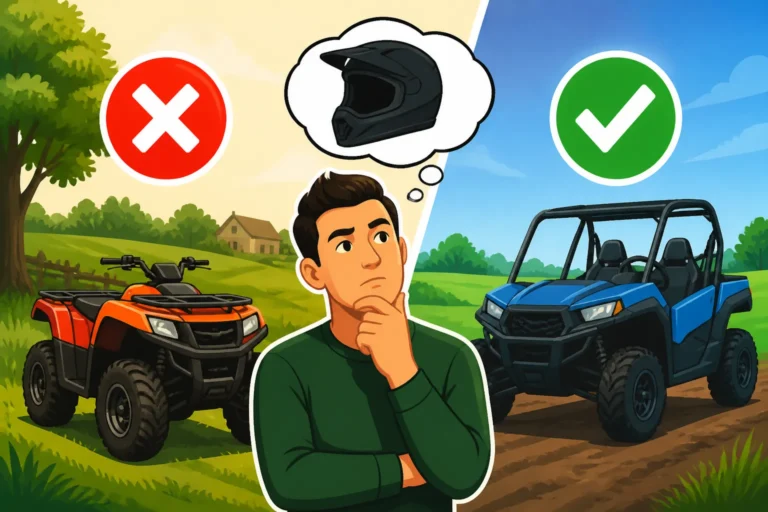
This is often the rule that surprises—and sometimes irks—farm owners the most. Many assume that if they’re on their own land, riding around their pastures or down their dirt access roads, they don’t need a helmet. Similarly, parents might think their child can ride any size quad on the family farm without regard for engine displacement. Unfortunately, Virginia law sees it differently. The state's helmet law is quite explicit: [Virginia Helmet Law Applies to Every Rider], regardless of age or where they are riding. This means that if you're operating an ATV on your farm, you, your family, and any farmhands must be wearing an approved helmet.
Beyond helmets, Virginia also has clear [Virginia Age Limits by Engine Size] that apply universally. For example, riders under 12 years old are generally restricted to ATVs with an engine displacement of 70cc or less. Riders between 12 and 16 years old can operate machines up to 90cc. Only riders 16 and older can operate an ATV of any engine size without specific displacement restrictions. These rules are in place to prevent serious injuries, and while it might feel like an overreach on your private farm, the law makes no distinction for private property when it comes to these fundamental safety requirements. It's a tough pill to swallow for some, but compliance is key to avoiding penalties and, more importantly, keeping everyone safe.
Specific Scenarios on Virginia Farm Roads
Navigating the rules for ATVs on farm roads often boils down to understanding specific scenarios. The level of restriction, and what's legally permissible, can change dramatically depending on whether your farm road is entirely contained within your property, or if it interacts in any way with public rights-of-way. It's not a one-size-fits-all situation, and getting these distinctions right can save you a lot of headache down the line.
Riding on Your Own Farm Road Not Crossing Public Roads
This is, thankfully, the most permissive scenario. If your farm road—be it gravel, dirt, or a grassy track—is entirely contained within your private property lines and never intersects or runs along a public road, you have the most freedom. You can generally use your ATV for any legitimate farm purpose, such as hauling feed, checking on livestock, spraying fields, or just getting from one barn to another. In these situations, the primary concern remains compliance with the helmet and age restriction laws discussed above.
While Virginia law doesn't generally regulate the type of ATV you use or how you modify it for farm work when entirely on private land, common sense and safety still prevail. This is where enhancements from brands like SuperATV can really shine, offering things like heavy-duty cargo beds, plows, or suspension upgrades that make your utility vehicle more capable for farm tasks. You're not likely to face legal issues for noise or nuisance on your own remote farm road unless it becomes excessive and disturbs neighbors, but being a good neighbor is always wise. The main takeaway here is that your wholly private farm roads are largely your domain, subject only to fundamental state-wide safety rules.
You might also find yourself needing to transport equipment or supplies, and the law does make some allowances for agricultural use. For example, [Virginia Farming and Household Exceptions] generally relate to very limited use of public highways for specific purposes directly tied to farming operations, such as moving between fields. However, these exceptions are narrow and don't grant broad permission to just ride anywhere. For the most part, if your vehicle never touches a public right-of-way, you're operating under the fewest legal constraints, focusing instead on personal and operational safety.
Crossing a Public Road to Get to Another Part of the Farm
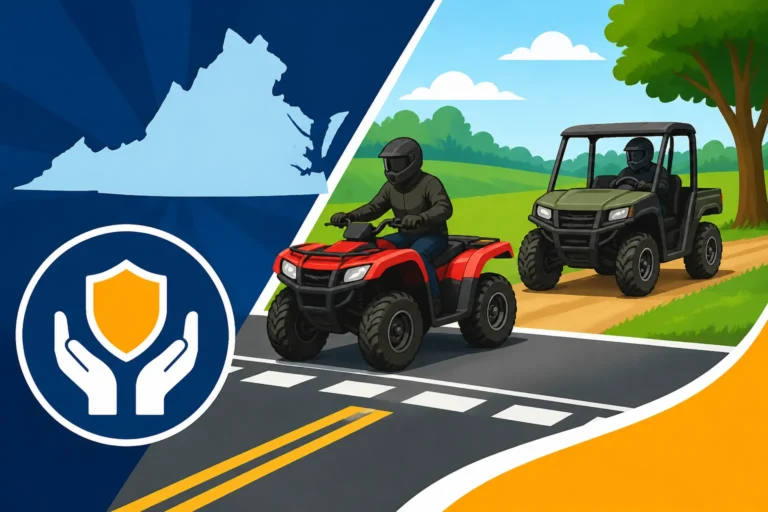
This is where things can quickly become legally complex and where many riders inadvertently run afoul of the law. Imagine your farm is split by a public road, and you need to take your ATV from one side to the other. You might think, "It's just a quick hop across, what's the big deal?" The big deal is that once your tires touch a public road, even briefly, you are no longer strictly on private property. Virginia law makes a critical distinction: [Virginia Bans ATVs on Public Highways]. This means you cannot simply ride your ATV along a public road, even for a short distance, unless specific, very limited exceptions apply.
However, there is a specific provision for crossing. You are generally allowed to cross a public road from one part of your farm to another by the [Virginia Crossings by the Most Direct Route]. This means you must proceed perpendicularly across the road, take the shortest possible path, and immediately return to private property on the other side. You cannot drive down the road for a block or two, even if it feels more convenient. The intent of this exception is strictly for transit, not travel. It requires extreme caution, yielding to all traffic, and making your presence as visible as possible. This rule is often misunderstood, leading to citations when riders are seen traveling any distance down a public highway.
Using a Farm Road That Connects to or Runs Along a Public Right-of-Way
This is arguably the trickiest scenario for many rural landowners. Sometimes, what you consider "your" farm road might technically be part of a public right-of-way, an easement, or it might run so closely parallel to a public road that it's indistinguishable from public property. This is a common situation with old logging roads, utility access paths, or even unpaved county roads that simply haven't been maintained to a high standard. If your farm road falls into this category, it immediately falls under the same restrictions as any other public highway.
The legal definition of a "public highway" in Virginia is quite broad and isn't limited to paved roads. It can include unpaved, publicly maintained roads, or even certain easements where the public has a right of passage. If your farm road technically serves as a public right-of-way, even if it's rarely used by anyone but you, then operating your ATV on it is generally prohibited by the public highway ban. This can be a source of significant frustration, especially if you've always considered that stretch of road your own. If you're unsure about the status of a particular road segment, it's always best to check with your local county administration or a legal professional. Furthermore, if you're riding on private land that simply abuts a public road, and it's not your land, you'll need [Virginia Written Consent on Private Land] to avoid trespassing charges, even if the ATV rules don't directly apply.
Practical Considerations and Gear for Farm Riding
Beyond the letter of the law, there are many practical elements that come into play when using your ATV or UTV on a farm. These aren't always about avoiding a ticket, but about ensuring safety, maximizing efficiency, and protecting your investment. A farm is a dynamic environment, and equipping your machine, and yourself, properly is just as important as knowing the rules.
Equipment for Farm Duty and Safety
While specific equipment might not be legally mandated for private land use, outfitting your ATV or UTV properly for farm work is a game-changer. Standard recreational setups often aren't robust enough for the demands of hauling, plowing, or navigating rugged farm terrain. Think about what your daily tasks entail. Do you need to carry heavy loads of feed or tools? Aftermarket cargo racks, sturdy dump beds, or even specialized plows are invaluable. Brands like SuperATV offer a wide array of utility-focused accessories, from heavy-duty axles and lift kits to windshields and roofs that offer protection from the elements during long days in the field.
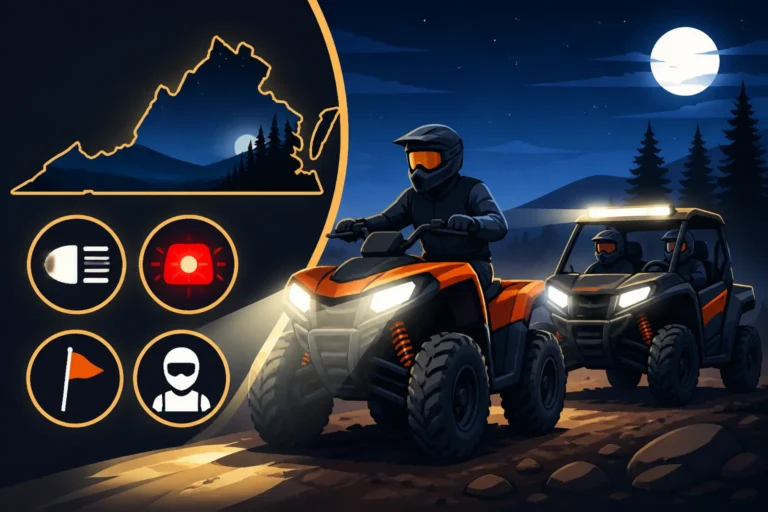
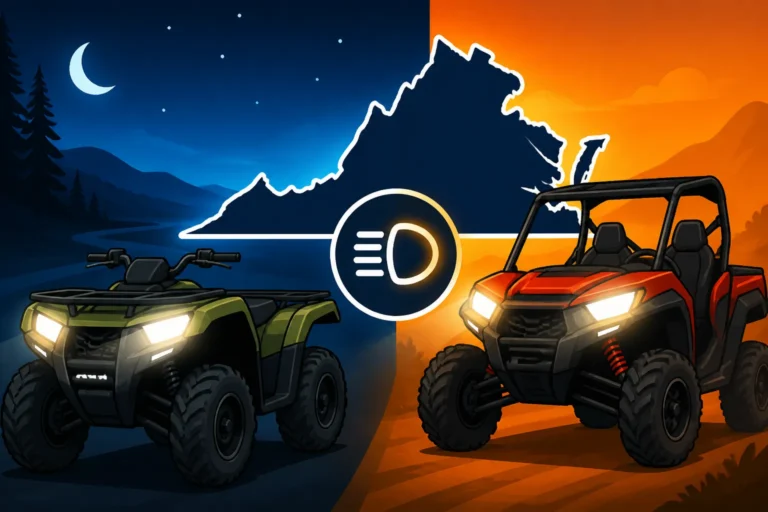
Tires are another critical consideration. Standard recreational tires might struggle with muddy fields, rocky access roads, or navigating across different types of soil. Investing in utility-specific tires with a more aggressive tread pattern can greatly improve traction and reduce the risk of getting stuck, saving you time and effort. While not legally required on private land, proper lighting – including bright headlights and taillights – is incredibly important for safety, especially if your farm work extends into the early morning or late evening hours. These aren’t just for visibility to others; they help you see hazards, livestock, and equipment, preventing accidents in low-light conditions.
Insurance and Liability on the Farm
Virginia does not legally require you to carry ATV insurance, even if you title your machine. This is a common source of confusion, as cars and trucks require mandatory liability insurance. You can explore this further in [Why Virginia Sets No Insurance Minimum for ATVs]. However, just because it’s not required by law doesn't mean it's not a smart idea, especially for a machine used on a working farm. A farm environment presents numerous hazards, and accidents can happen to anyone, even the most experienced riders.
Consider the potential for liability. If a family member, a farmhand, or even a visitor is injured while riding or being transported on your ATV on your property, you could be held liable. Your homeowner's insurance policy might offer some limited coverage, but it often has exclusions for recreational vehicles, especially if they are involved in work-related accidents or are regularly used. A dedicated ATV insurance policy can provide liability coverage, protecting you from potentially devastating financial consequences if an accident results in injury or property damage to others. It can also cover damage to your own ATV from collisions, theft, or other perils, which is a significant consideration when you rely on your machine for farm operations. Don't underestimate the peace of mind a good insurance policy can provide for such a vital piece of farm equipment.
Documenting Ownership and Use
Even though [Virginia Titles ATVs but Never Registers Them], and for used machines, [Virginia Titles Are Optional on Used Machines], maintaining clear documentation for your ATV or UTV is always a good practice, even if it lives permanently on your farm. A title, or at least a robust bill of sale, serves as crucial proof of ownership. This documentation becomes invaluable in several scenarios: if the machine is stolen, if you ever decide to sell it, or if you need to make an insurance claim. Without clear proof of ownership, resolving these situations can become a bureaucratic nightmare.
Imagine a scenario where your ATV is stolen from your barn. Filing a police report and an insurance claim will be significantly smoother if you can readily provide a title or a detailed bill of sale with the vehicle identification number (VIN) clearly stated. Similarly, if you decide to upgrade your farm equipment and sell your old quad, having a title makes the transaction much easier and instills confidence in potential buyers. Even if you're using a machine like a heavily modified SuperATV with lots of aftermarket parts, the base machine's ownership documents are vital. Keeping records of maintenance, modifications, and any permits for specific uses can also be beneficial, providing a comprehensive history of your machine. It’s all about creating a clear paper trail that protects your assets and simplifies future transactions.
| Scenario | Public Road Crossing Allowed? | Helmet Required? | Age Limits Apply? | General Rules |
|---|---|---|---|---|
| On your own private farm road, not crossing public roads | No (unless for specific farm ops, very limited) | Yes | Yes | Generally free rein, but follow state-wide safety laws. |
| Crossing a public road to another part of farm | Yes, by most direct route, minimal time | Yes | Yes | Must yield, only cross, not ride along; immediate return to private property. |
| Farm road is public right-of-way/easement | No (falls under public highway ban) | Yes | Yes | Treat as a public road; strictly off-limits unless narrow exceptions apply. |
Disclaimer
This article is for general informational purposes only and does not constitute professional advice. Laws, prices and regulations vary by location and change over time. Consult a qualified professional for guidance on your specific situation.