Virginia Rules for Riding After Dark
The lure of an extended ride, feeling the cooler evening air, or reaching that perfect camping spot just as the sun dips below the Blue Ridge mountains is undeniably strong for any ATV or UTV owner in Virginia. However, many riders quickly discover that Virginia's laws around off-road vehicle operation often bring those twilight adventures to an abrupt halt. It can be incredibly frustrating to have your machine parked when the conditions feel perfect, but navigating the state's rules for riding after dark is crucial to avoid hefty fines and ensure your safety. This guide will walk you through Virginia's specific regulations regarding operating your ATV or UTV once night falls, detailing the limited exceptions and practical safety advice you'll need.
The General Prohibition: Why Night Riding is Usually Off-Limits in Virginia
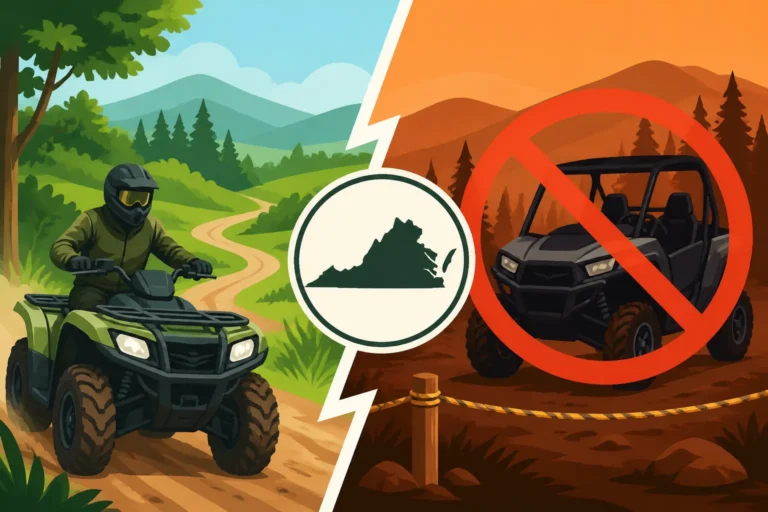
Let's get right to the heart of the matter: generally speaking, riding an ATV or UTV after dark in Virginia is prohibited on public lands and public roads. The law is designed with public safety in mind, recognizing the inherent risks of operating off-road vehicles in low-light conditions, especially where they might interact with other traffic or pedestrians. This isn't just about common sense; it's explicitly written into the Virginia Code.
Understanding Virginia's "Daylight Hours" Clause
Virginia Code Section 46.2-915.1 is the cornerstone of ATV and UTV operation in the Commonwealth. While it outlines the few scenarios where these machines can be operated on public roads or property, it consistently emphasizes a key limitation: "during daylight hours." This means that unless a very specific, limited exception applies (which we'll explore shortly), your off-road machine is essentially grounded from dusk till dawn on any public land. This includes not just paved highways, but also unpaved public roads, shoulders, and any public property that isn't a designated, privately managed trail system with its own rules.
It can be a real head-scratcher, especially if you're coming from another state with different regulations, or if you imagine using your powerful UTV for utility tasks around a large property that happens to border a public easement. The spirit of the law here is to keep these machines, which are designed for off-road use and lack many of the safety features of street-legal vehicles, out of situations where visibility is compromised. This applies even if you have an incredibly bright light bar on your machine, or are wearing reflective gear; the "daylight hours" clause is a hard stop for most public riding. When you consider [Virginia Bans ATVs on Public Highways], the "daylight hours" adds another layer of restriction, making it clear that your ATV or UTV is meant for a specific kind of environment during a specific time.
The Rarity of Exceptions for Night Riding
While the general rule is "no night riding on public land," Virginia law does carve out extremely narrow exceptions. These aren't loopholes for recreational riders to exploit, but rather specific allowances for critical functions or designated areas. Understanding these exceptions is crucial, but remember they are rare and come with their own stringent conditions.
One of the most notable exceptions relates to specific designated roads in Buchanan and Tazewell counties. These counties, nestled in Virginia's coalfields, have unique provisions that allow ATVs and UTVs on certain shared-use roads. However, even within these limited areas, the law still typically mandates "daylight hours" for recreational riding. There are very specific conditions in these areas, and while [Virginia Daylight Hours on a Road Trail] touches upon it, extending that to after-dark is typically not permitted for casual use.
Another area where ATVs and UTVs might see some after-dark operation is for legitimate [Virginia Farming and Household Exceptions] or [Virginia Emergency Responder Exceptions]. For example, a farmer might use a utility vehicle on their own property, or even briefly on a public road to move from one field to another, after dark if directly engaged in agricultural work. Similarly, search and rescue teams, law enforcement, or firefighters might use ATVs or UTVs at any hour during an emergency. These are not recreational uses; they are directly tied to essential duties, often under specific exemptions from broader vehicle codes. For the average rider planning a night adventure, these exceptions offer little to no leeway.
Lighting and Equipment for Any Permitted After-Dark Operation
Even in the rare instances where after-dark operation is permitted—be it on private land or under a very specific, limited public exception—having the right lighting and safety equipment isn't just a good idea; it's often legally required and always essential for your well-being. The low visibility of night riding magnifies every obstacle and hazard, making adequate illumination paramount.
Basic Lighting Requirements if Riding is Allowed
If you find yourself in a situation where operating your ATV or UTV after dark is legally permitted (such as on private property with the landowner's explicit permission, or within specific designated areas that have explicitly allowed night use), your machine must be equipped with proper lighting. While Virginia doesn't register ATVs and UTVs as street-legal vehicles, any vehicle operating in low-light conditions, even on private land, benefits from standard safety lighting.
Typically, this means:
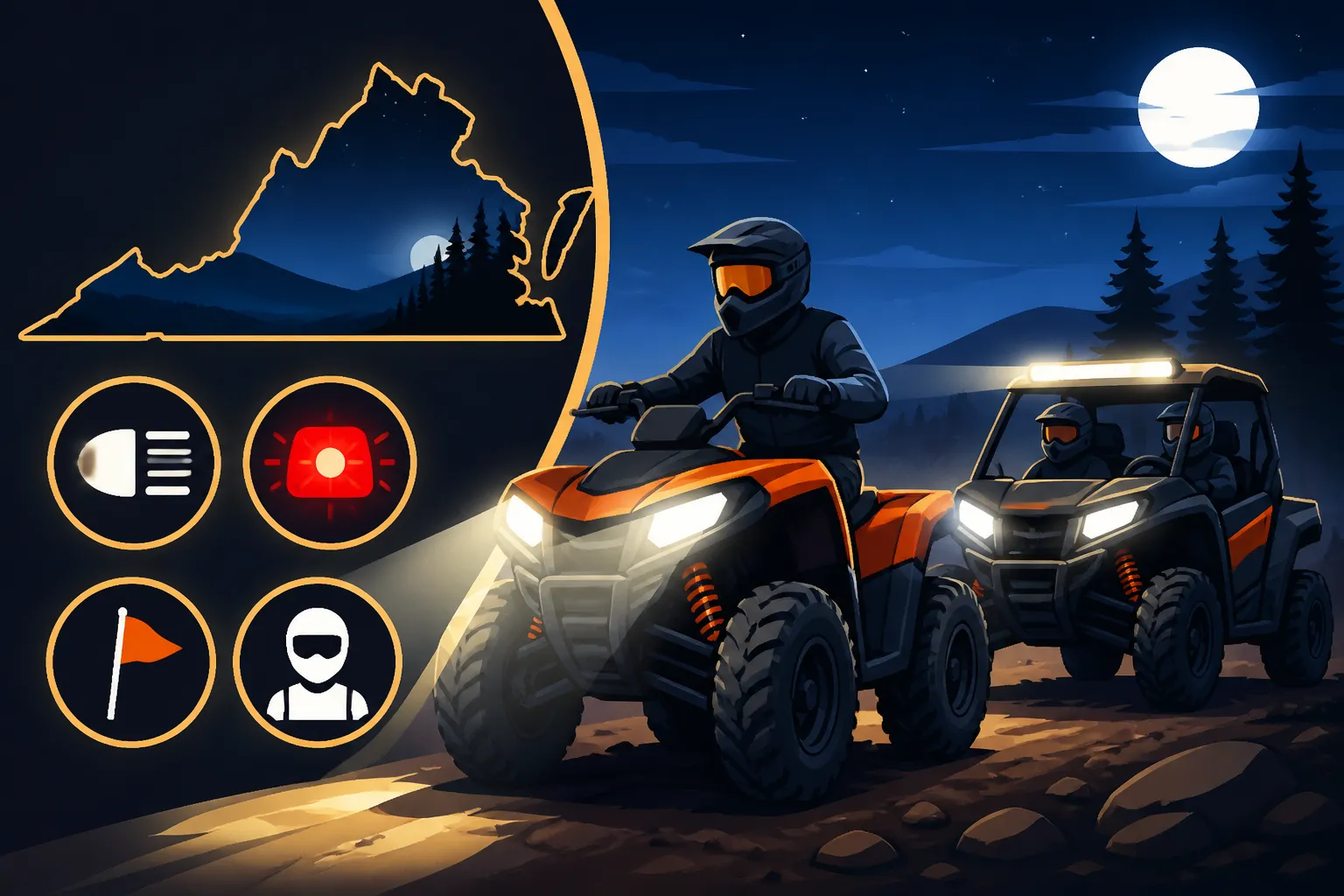
- Headlights: At least one working headlight that illuminates the path ahead effectively. Many modern ATVs and UTVs come with powerful LED headlights, but older models might need an upgrade.
- Taillights: A red taillight visible from a specified distance from the rear. This is crucial for anyone following you, whether it's another rider or a farm vehicle.
- Brake Lights: Functioning brake lights that activate when the brakes are applied. This is a critical safety feature for preventing rear-end collisions.
While Virginia's specific code for ATVs and UTVs doesn't detail these for recreational night riding on public roads (because it's generally banned), the spirit of vehicle safety laws would certainly apply. On any public road where an exception might allow night transit, such as the named routes in Buchanan and Tazewell counties, [Virginia Lighting Rules on a Road Trail] would come into play, requiring visibility from a certain distance. It’s also wise to consider reflective materials on your machine and gear, helping you stand out to others, regardless of whether it's mandated by law for your specific riding scenario.
Additional Safety Gear and Considerations for Low-Light Conditions
Beyond the basic legal requirements, a smart rider will invest in additional safety gear and adopt specific practices for night riding. The woods look completely different in the dark. That small rut that was easy to navigate in daylight can become a wheel-snapping surprise, and a fallen tree might be invisible until it's too late.
Consider these enhancements:
- Auxiliary Lighting: Adding light bars or floodlights can dramatically improve your visibility. Brands like SuperATV offer a wide range of aftermarket lighting solutions, from powerful LED light bars that turn night into day, to compact work lights that illuminate specific areas around your machine. These aren't just for looking cool; they genuinely enhance safety by allowing you to see farther and wider.
- Helmet-Mounted Lights: These can be game-changers. Your headlights aim where your machine is pointed, but a helmet light aims where your head is turned. This means you can illuminate turns, look around obstacles, and scan the trail ahead more effectively.
- Eye Protection: Clear goggles or a clear visor are essential. Tinted visors are a definite no-go after dark. You need maximum light transmission. [Virginia Helmet and Eye Protection Rules on Trail] are paramount, and at night, clear vision is literally life-saving.
- Reduced Speed: Your reaction time diminishes in the dark. Ride slower, especially on unfamiliar trails. What looks like a shadow could be a drop-off, and what seems like flat ground might hide rocks or roots.
- Buddy System: Never ride alone at night. If something goes wrong—a breakdown, an injury, or getting lost—having a partner dramatically increases your safety and chances of getting help.
- Terrain Awareness: Stick to familiar trails. Night riding is not the time to explore new routes or push your machine to its limits. Even on familiar trails, remember that changing weather can alter conditions rapidly.
- Weather and Temperature: Night temperatures can drop significantly, even on a mild day. Be prepared for colder conditions, and understand that fog or mist can drastically reduce visibility, even with the best lights. A quality aftermarket windshield from a brand like SuperATV can also help with wind chill and deflecting debris.
- Communication: Carry a fully charged cell phone (though cell service can be spotty in many Virginia riding areas), and consider a two-way radio if riding in a group.
| Riding Location/Circumstance | Permitted After Dark? | Typical Lighting Requirements | Key Considerations |
|---|---|---|---|
| Public Highways/Roads (General) | No (Except specific, limited exceptions in Buchanan/Tazewell, which still mandate daylight for recreational use) | N/A (Prohibited) | [Virginia Bans ATVs on Public Highways]. High fines if caught. |
| Designated Public Trails (e.g., Spearhead, National Forests) | Generally No (Usually sunrise to sunset hours) | If permitted: Headlight, Taillight, Brake Light, Spark Arrester | Check specific trail system rules. Many close at sunset. |
| Private Property (With Owner Permission) | Yes (At owner’s discretion) | Recommended: Headlight, Taillight, Brake Light; often not legally mandated by state for *private* land. | [Virginia Written Consent on Private Land] is essential. Safety is paramount; know your land. |
| Farm Work on Private/Public Land | Yes (Under [Virginia Farming and Household Exceptions]) | Likely requires headlights/taillights if on public road. | Must be for agricultural purpose. Not recreational. |
| Emergency Response | Yes (Under [Virginia Emergency Responder Exceptions]) | As required for emergency vehicles, flashing lights, etc. | For official duties only. |
Practical Realities and Navigating Private Land After Dark
Given the strict limitations on public land, most legitimate after-dark ATV and UTV riding in Virginia happens on private property. This is where the landscape of regulations changes dramatically, shifting from state-mandated restrictions to landowner discretion and individual responsibility.
Private Property Riding: What the Law Doesn't Dictate
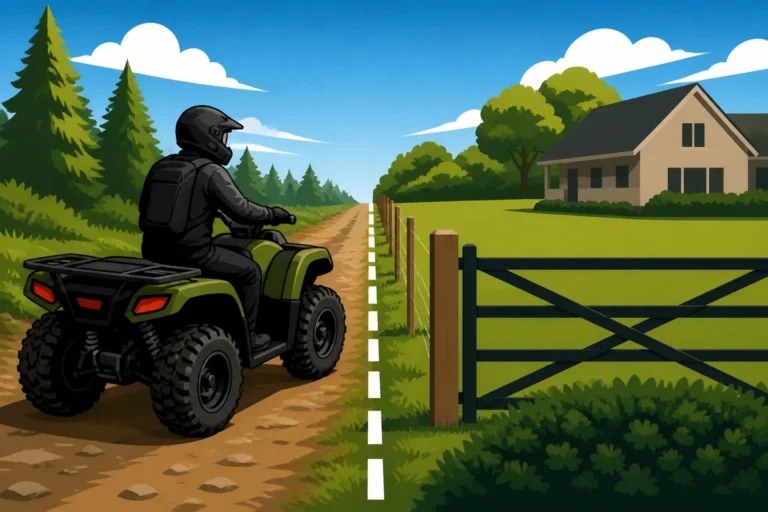
When you're riding an ATV or UTV on private land with the owner's explicit permission, Virginia's general prohibition on after-dark riding on public roads and property does not apply. This is a crucial distinction. On your own land, or land where you have [Virginia Written Consent on Private Land], you essentially set your own rules regarding riding hours.
However, just because it's legal doesn't mean it's without risk. All the inherent dangers of riding in low visibility remain, and arguably, without the structure of publicly managed trails, you might encounter even more unpredictable hazards.
Here’s what to consider for private land night riding:
- Landowner Permission is Paramount: Before you even think about firing up your machine after dark on someone else's property, ensure you have clear, written permission from the landowner. This protects you from trespass charges and clarifies the terms of your access.
- Know Your Terrain: Ride only on land you know intimately. Even on familiar property, pay attention to changes like new fallen trees, washed-out areas, or freshly dug ditches. The shadows and lack of depth perception at night can make even a well-known path seem alien.
- Safety Over Convenience: Don't let the freedom of private land lead to complacency. All the safety advice regarding lighting, reduced speed, and riding with a buddy applies even more strongly here. Investing in robust aftermarket accessories, like heavy-duty winches or rock sliders from SuperATV, can provide extra peace of mind if you encounter unexpected challenges in the dark.
- Noise Considerations: Even on private land, be mindful of neighbors. Engine noise travels further at night, and what sounds acceptable during the day might be disruptive after hours. Being a good neighbor helps maintain positive relationships and keeps off-road riding viable in your community.
Consequences of Violating Night Riding Rules
Ignoring Virginia's laws regarding riding after dark on public lands or roads can lead to significant penalties that quickly extinguish the fun of a night ride. These aren't minor slaps on the wrist; they can hit your wallet hard and even result in your machine being impounded.
- Civil Penalties: The most common consequence is a civil penalty. [Virginia's Civil Penalty for Illegal Riding] can be up to $500 for violations of ATV and UTV operation laws. This includes riding on prohibited public roads, riding on public property without permission, or riding outside of "daylight hours" where prohibited. This $500 penalty is a civil fine, meaning it’s treated more like a traffic ticket than a criminal charge, but it still requires payment and appears on your record.
- Vehicle Impoundment: In some instances, particularly if you're riding illegally in a city or town that has specific ordinances against ATV/UTV use on sidewalks or streets, your machine could be impounded. Getting an impounded vehicle back involves impound fees, storage fees, and often proof of ownership, which can be an expensive and time-consuming headache. Cities have the power to do this, especially if public safety is perceived to be at risk.
- Trespass Charges: If you're caught riding on private land without permission, regardless of the time of day, you could face trespass charges. If you're riding after dark, it might even be perceived more negatively by law enforcement or the landowner.
- Insurance Implications: Should you have an accident while riding illegally after dark (e.g., on a prohibited public road), your insurance policy might not cover damages or injuries. Most policies have clauses that exclude coverage for activities that violate the law. This means you could be personally responsible for medical bills, property damage, and legal fees.
- Equipment Checks: Law enforcement officers do conduct [Virginia Equipment Checks by Officers] at trailheads and sometimes during patrols. While they might focus on things like spark arresters or helmets, if they encounter you riding after dark where it's not permitted, it will certainly draw their attention.
Understanding these [Virginia Penalties for Illegal Riding] is not meant to scare you, but to inform you of the very real risks involved in disregarding the law. The best approach is always to ride within the legal framework, ensuring your safety and protecting your investment.
This article is for general informational purposes only and does not constitute professional advice. Laws, prices and regulations vary by location and change over time. Consult a qualified professional for guidance on your specific situation.