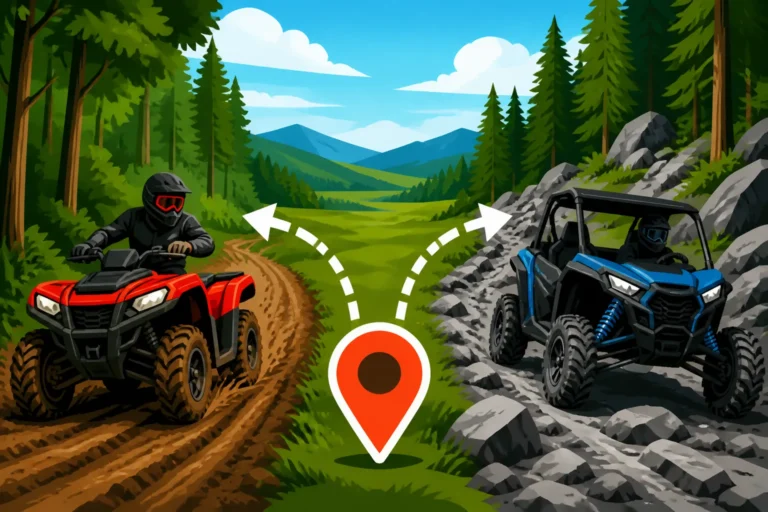
Virginia Lighting Rules on a Machine
It's incredibly frustrating, isn't it? You've got your ATV or side-by-side, you're ready to hit the trails or maybe even a designated road section in Virginia, but then that nagging question pops up: "Do I actually need lights on this thing, and if so, what kind?" The laws surrounding off-road machines can feel like a tangled mess, especially when they sometimes intersect with public road rules. This guide is here to untangle all that confusion, helping you understand Virginia's specific lighting requirements for your ATV or UTV so you can ride safely and legally without any unwelcome surprises.
The Core Virginia Law on ATV Lighting
Let's cut right to the chase because this is where a lot of riders get tripped up. For the most part, when you're strictly on private land with permission or on dedicated off-road trails, Virginia doesn't have a sweeping, statewide mandate demanding specific lighting on your ATV or UTV. It's a common misconception, often stemming from rules for other types of vehicles. However, that changes drastically the moment your tires touch certain public areas.
Why Most ATVs Don't Need Lights on Trails Usually
Think about your typical ride on a dedicated trail system like those in the National Forests, or even a private park. While having lights is undeniably a smart safety choice for dusty conditions, evening rides, or dense tree cover, the Virginia state code doesn't generally require them for pure off-road use. You might have a powerful LED light bar on your rig because you want to see better or because your buddies do, but it's often not a legal obligation in those settings. This is because these areas are primarily designed for off-highway vehicles and are typically managed by the landowner or trail system operator, not by general highway laws. However, it's always wise to check specific trail rules, as some federal lands or private parks might have their own stipulations. For instance, if you're on federal land, you might be interested in what's covered under [Virginia National Forest OHV Permits].
When Lights Become a Legal Must-Have
The game changes entirely when your ATV or UTV gains access to a public road. Virginia law, specifically code section 46.2-915.1, creates very narrow exceptions for ATVs to operate on public roads, and these exceptions come with strict equipment requirements. This mainly applies to the designated road sections found within counties like Buchanan and Tazewell, areas known for their extensive off-road opportunities. If you plan on riding in these specific areas where ATVs are permitted on limited public roads, your machine must be equipped with proper lighting. The moment your wheels roll onto these sanctioned public pathways, you're no longer just a recreational off-roader; you're operating a vehicle in a shared space, and visibility becomes paramount. Understanding [Virginia Road Access in the Coalfields] is crucial here, as it's the primary context for these lighting rules.
Distinguishing Headlights, Taillights, and Reflectors
When lights become a legal requirement, it's not just about having "some" light. The law distinguishes between different types of illumination, each serving a vital safety function.
- Headlights: These are your forward-facing lights, typically white or amber, designed to illuminate the path ahead and make your machine visible to oncoming traffic. They're essential for seeing where you're going, especially in low light, and for being seen by others.
- Taillights: These are rear-facing, typically red lights that signal your presence from behind. They let vehicles approaching from the rear know you're there.
- Brake Lights: Integrated with taillights, brake lights illuminate more brightly when you apply the brakes, signaling to following vehicles that you are slowing down or stopping.
- Reflectors: While not active lights, reflectors passively bounce light back from other sources. They provide an extra layer of visibility, particularly if your active lights fail or if you're parked.
Each of these components plays a critical role in ensuring your safety and the safety of others sharing the road, even if it's just a short, designated section of a county route.
Lighting Requirements for Coalfield Road Access
Let's dive deeper into the specific lighting requirements for ATVs and UTVs when utilizing the limited public road access points in Virginia, particularly in the coalfield counties like Buchanan and Tazewell. These aren't just suggestions; they're legal mandates designed to ensure your machine is visible to other road users, whether that's another ATV, a truck, or a local resident's car.
Headlights for Forward Visibility
Virginia law explicitly states that if your ATV or UTV is on a public road where allowed, it must have at least one headlight. This headlight needs to emit a white or amber light that is visible from a distance of at least 500 feet to the front. Now, you might be thinking, "But those road sections are often marked for [Virginia Daylight Hours on a Road Trail] only, so why do I need a headlight?" This is where realism comes into play. Daylight can fade unexpectedly with sudden weather changes, dense tree cover, or if your ride takes longer than planned. A functional headlight isn't just about adhering to the letter of the law; it's a critical safety feature. Imagine cresting a hill on a dusty gravel road or entering a shadowed valley—that headlight makes you visible to anyone coming the other way. Ensuring your headlights are clean, properly aimed, and functioning before you leave the trailhead is a non-negotiable step for safe riding on these designated routes.
Taillights and Brake Lights for Rear Visibility
Equally important are the lights on the back of your machine. The law requires at least one taillight, emitting a red light visible from 500 feet to the rear. Additionally, your ATV or UTV must have functional brake lights that illuminate when you apply the brakes. These are incredibly important for preventing rear-end collisions, especially on roads where you might be sharing space with other vehicles that aren't expecting an ATV to slow or stop. Picture this: you're cruising along a permitted road section, and a local resident in a truck comes up behind you. Your taillights signal your presence, and your bright brake lights clearly communicate your intent to slow down. Without them, you become a much greater hazard. Some riders upgrade their stock lights with brighter LED versions for enhanced visibility, and that's a smart move for safety on these shared routes.
Reflectors and Side Markers
While the primary focus of Virginia's ATV road access law is on active headlights and taillights, the spirit of the law emphasizes overall visibility. Many ATVs and UTVs come equipped with factory-installed reflectors, and these serve as a passive but important safety feature. They don't generate light themselves, but they reflect light from other sources, making your machine more noticeable, especially from the sides or if your active lights aren't on or fail. For those looking to enhance their machine's visibility even further, aftermarket options are plentiful. Companies like SuperATV offer various accessories, from integrated turn signal kits with side markers to reflective graphics, all of which can contribute to a safer presence on shared roadways. While not always explicitly mandated for ATVs on these specific road sections, adding more reflective elements is never a bad idea when safety is your priority.
Practical Considerations and Aftermarket Upgrades
Beyond just meeting the minimum legal requirements, there are plenty of practical reasons to have robust lighting on your ATV or UTV. The mountains and hollers of Virginia, particularly in the coalfields, can present unpredictable conditions, and good lighting can be a literal lifesaver.
Why "Daylight Hours Only" Isn't Enough for Safety
Even when a specific road section or trail is designated for "daylight hours only" riding, relying solely on natural light can be a gamble. Weather can change in an instant in the Appalachians. A clear morning can quickly turn into a dense fog, a sudden downpour, or a thick cloud cover that makes the deepest parts of the woods feel like dusk. If you're delayed on a ride, you might find yourself needing to navigate back to the trailhead as the sun dips below the ridge, turning that "daylight only" rule into a real safety concern.
Having functional, bright lights ensures that you can see your path clearly, identify hazards, and, most importantly, be seen by others. This is particularly crucial on those permitted [Virginia Crossings of Numbered State Routes] or short segments of county roads where you might encounter vehicle traffic. Don't let a "daylight only" sign lull you into a false sense of security; proactive lighting is always the smarter choice.
Choosing the Right Lighting for Your Machine
The aftermarket for ATV and UTV lighting is vast, offering solutions that go far beyond basic legal compliance. Depending on your riding style and needs, you might consider:
- LED Light Bars: These provide an incredible amount of forward illumination, perfect for high-speed trail riding or navigating dense woods at night (where permitted). They cast a wide, bright beam that can transform your visibility.
- Auxiliary Pod Lights: Smaller and more focused, these can be mounted to supplement your main headlights, offering spot beams for distance or flood beams for wider coverage in specific directions.
- Rock Lights: Mounted underneath your machine, these illuminate the terrain directly below, which is incredibly helpful for technical rock crawling or picking your line in challenging conditions.
- Whip Lights: While often used for aesthetics or group identification, some whip lights offer 360-degree visibility, making your machine stand out in open areas or at dusk.
When selecting aftermarket lights, consider durability. The off-road environment is tough, with dust, mud, water, and vibrations. Brands like SuperATV are known for producing robust lighting solutions designed to withstand these harsh conditions, ensuring your investment lasts. Upgrading your lighting system isn't just about looking cool; it's about enhancing your capability to ride safely and confidently, regardless of the conditions.
Installation Tips and Maintenance
Proper installation is just as important as choosing quality lights. A poorly wired light can be a fire hazard, drain your battery, or simply fail when you need it most. If you're not comfortable with electrical work, it's always best to have a professional install aftermarket lighting.
Once installed, regular maintenance is key:
- Routine Checks: Before every ride, quickly check that all your lights (headlights, taillights, brake lights) are working. It only takes a minute and can prevent a citation or, more importantly, an accident.
- Cleanliness: Mud and dust can severely diminish the effectiveness of your lights. Keep lenses clean, especially before riding on designated road sections.
- Wiring Inspection: Periodically check wiring for fraying, loose connections, or corrosion, especially if you ride in wet or muddy conditions. Water and dirt are the enemies of electrical systems.
- Aiming: Ensure your headlights are aimed correctly to illuminate the path without blinding oncoming riders or drivers.
Taking these simple steps will ensure your lighting system is always ready to perform, keeping you safe and compliant with [Virginia Lighting Rules on a Road Trail].
Common Misconceptions and Legal Consequences
It's easy to fall into traps when navigating ATV laws, especially when rules seem to contradict what you might assume for an "off-road" vehicle. Let's clear up some common misunderstandings that could lead to trouble in Virginia.
The "No Plate, No Problem" Fallacy
One of the most persistent myths among off-road riders in Virginia is the idea that because ATVs and UTVs don't require vehicle registration plates, they are somehow exempt from all road rules. This is absolutely incorrect. While it's true that [Virginia Issues No Plates for ATVs] for highway use, this does not mean the state ignores how these machines are operated, especially on public property. The limited road access provisions in Buchanan and Tazewell counties, as well as the rules governing highway crossings, clearly demonstrate that specific equipment and operational laws apply. An officer isn't going to overlook a lack of headlights or taillights on a designated road section just because you don't have a license plate. You're still expected to comply with the rules that enable safe operation in those unique circumstances.
Penalties for Non-Compliance
Operating an ATV or UTV on a public road in Virginia without the required lighting (or other safety equipment) isn't just a slap on the wrist. Virginia's law treats violations of its ATV code as a civil offense, but the penalties can still be significant. You could face a civil penalty of up to $500 for illegal operation, which includes non-compliance with equipment requirements. This isn't a criminal charge, but it's certainly an expensive lesson to learn. You can read more about this in [Virginia's Civil Penalty for Illegal Riding]. A ticket for inadequate lighting on a designated road section means you'll be digging into your wallet, and that's money that could have been spent on more riding gear or trail permits.
Officer Discretion and Trailhead Checks
Don't assume that because you're in a rural area, law enforcement isn't paying attention. Local authorities, especially in areas with designated ATV road access, are well aware of the rules. Officers can and do conduct checks, particularly at trailheads, entry points to designated road sections, or during patrols of those specific routes. They're looking for machines that are compliant with the law, ensuring safety for everyone. An officer might ask for your permit, check for proper helmets, and yes, they'll verify that your headlights, taillights, and brake lights are fully functional if you're on a route where they're required. Knowing [What an Officer Can Ask For at a Trailhead] can help you be prepared and avoid any issues. Being stopped and cited can certainly put a damper on what was supposed to be a fun day of riding.
Here’s a quick summary of general lighting needs based on common Virginia riding scenarios:
| Riding Scenario | Headlights (White/Amber) | Taillights (Red) | Brake Lights | Reflectors | Notes |
|---|---|---|---|---|---|
| Dedicated OHV Trails (Private) | Optional | Optional | Optional | Recommended | Often for rider's safety/visibility. Some private parks or specific trail rules may require them. |
| Dedicated OHV Trails (Forest Svc) | Recommended | Recommended | Recommended | Recommended | U.S. Forest Service rules often imply lights for safety, especially with varied terrain/light. Always check specific trail system rules (e.g., Peters Mill Run). |
| Designated Coalfield Roads | Required | Required | Required | Highly Recommended | Critical for legal compliance and visibility. Roads are usually "daylight only," but lights are a must for safe operation and visibility to other vehicles. [Virginia's 25 mph Coalfield Road Limit] |
| Highway Crossings | Required | Required | Required | Highly Recommended | For legal, direct crossings of numbered highways, your machine must be equipped as if on a public road. [Virginia Crossings by the Most Direct Route] |
| Private Land (Your Own/With Perm.) | Optional | Optional | Optional | Recommended | Rider's discretion for safety. No state law generally mandates lighting here. |
Remember, this table is a general guide. Always consult the specific regulations for the area you plan to ride, especially when accessing public roads or federal lands under [Virginia Buchanan and Tazewell County Road Access] laws.
In Virginia, navigating the world of ATV and UTV lighting doesn't have to be a source of stress, but it does require attention to detail and an understanding of the specific rules. While casual trail riding often leaves lighting as a matter of personal preference and safety, the moment your wheels touch a designated public road or make a legal highway crossing, the requirements become clear and non-negotiable.
Equipping your machine with functional headlights, taillights, and brake lights isn't just about avoiding a civil penalty; it's about ensuring your visibility to others and your ability to see the path ahead, particularly in the unpredictable conditions of the Appalachian landscape. By understanding these nuances and making smart choices about your machine's lighting, you'll be well-prepared to enjoy the trails and unique road access Virginia offers, riding safely and legally every time.
Disclaimer
This article is for general informational purposes only and does not constitute professional advice. Laws, prices and regulations vary by location and change over time. Consult a qualified professional for guidance on your specific situation.