Virginia ATV Helmet Law Explained
Navigating the world of ATV and UTV riding in Virginia can feel like a maze, especially when it comes to understanding all the rules that keep us safe. One of the most common points of confusion, and frankly, a source of frustration for many riders, is the helmet law. You might think, "I'm an experienced rider," or "I'm just on my own land," but Virginia's stance on helmets for off-road vehicles is quite clear, and it often surprises people. This guide is here to cut through the confusion, lay out exactly what the Virginia ATV helmet law entails, and help you ensure every ride is a safe and compliant one.
The Non-Negotiable Reality: Virginia's Universal Helmet Mandate for ATVs
Let's get straight to it: Virginia takes ATV safety, particularly head protection, very seriously. Unlike some other states that might have age-specific or location-specific helmet rules, Virginia's law is broad and comprehensive. This can feel a bit stifling for veteran riders who feel capable of making their own choices, but the law's intent is to protect everyone, regardless of their skill level or where they're riding. It's a blanket rule, and understanding this fundamental point is the first step toward staying on the right side of the law and, more importantly, keeping yourself and your passengers safe.
Every Rider, Every Time: What the Law Says
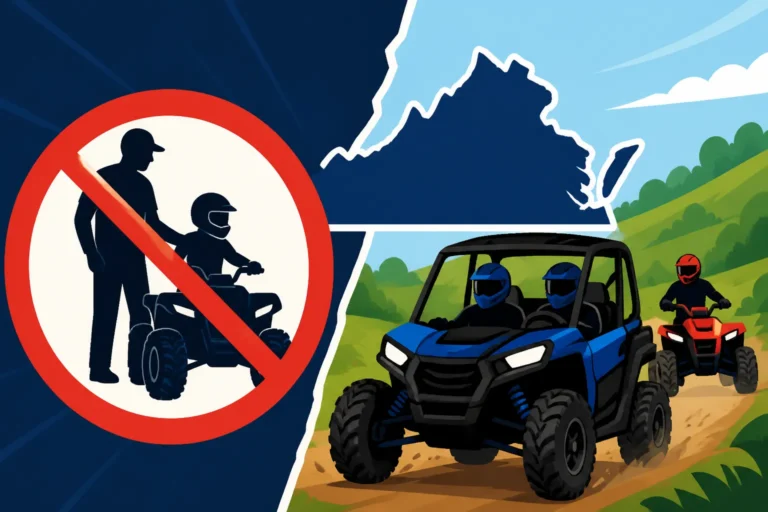
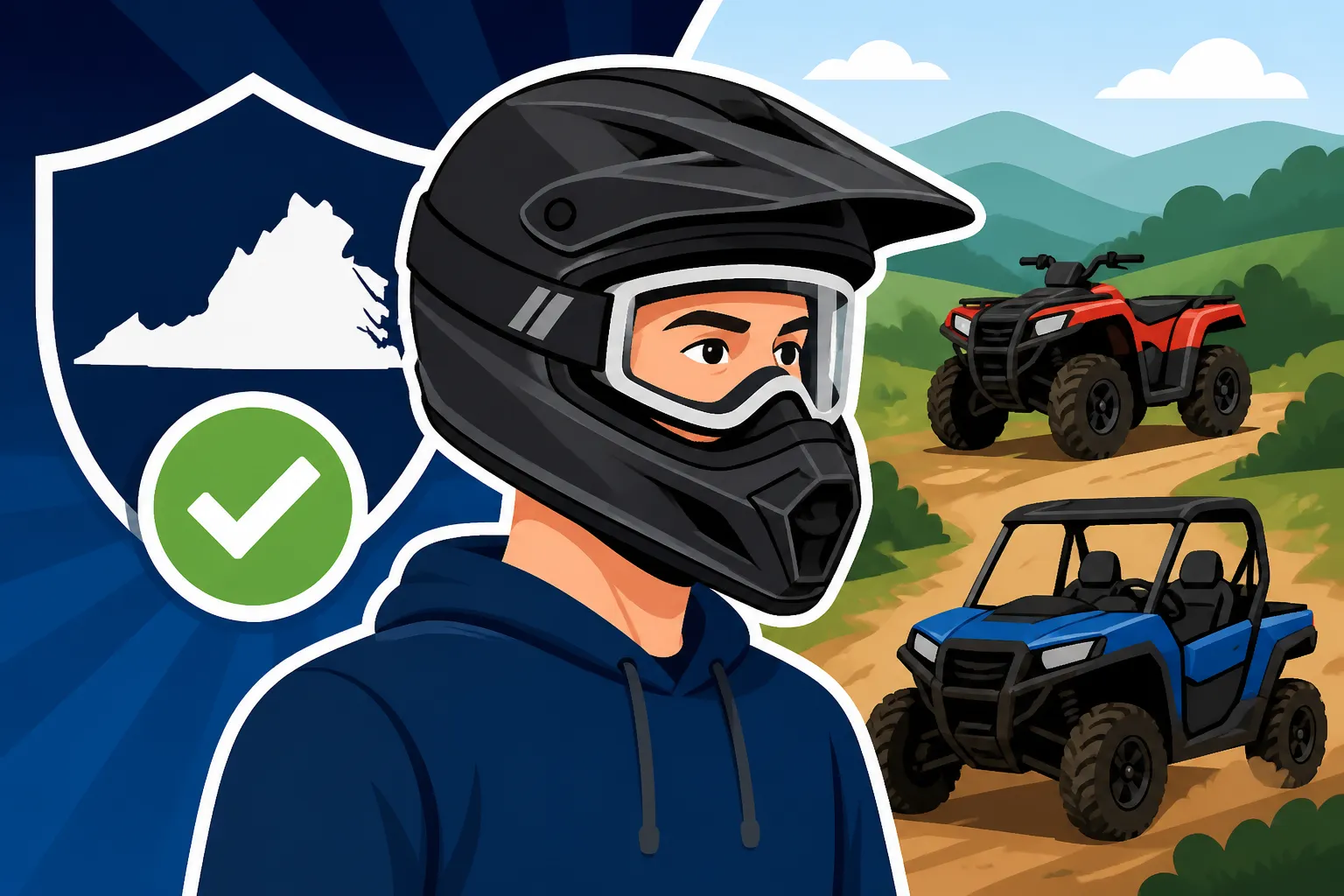
Virginia's Code of Law is pretty unambiguous: if you're operating or riding as a passenger on an all-terrain vehicle (ATV) in the Commonwealth, you must wear an approved helmet. There's no minimum age that exempts you, no maximum age where it suddenly becomes optional. This means that whether you're a seasoned adult navigating challenging mountain trails or a teenager just learning the ropes on a youth quad, that helmet needs to be securely fastened. It's a constant for all riders, mirroring the strictness you might see in motorcycle laws, which is a testament to the risks associated with off-road riding. It's not about distrusting your riding ability; it's about mitigating the potentially severe consequences of an unforeseen mishap, even a slow-speed tip-over.
This universal requirement often leads to head-scratching moments for new residents or those used to more lenient rules in neighboring states. But think of it this way: the terrain can be unpredictable, other riders can make mistakes, and even the most careful among us can encounter an unexpected obstacle. A quality helmet is your brain's best friend in those situations. Many riders find that a well-fitting, comfortable helmet becomes second nature, no different than buckling a seatbelt in a car. It's simply part of the pre-ride checklist, right alongside checking tire pressure and fuel levels.
Beyond Public Roads: Where the Helmet Law Applies
Here's where many riders get tripped up, and it's a critical distinction to understand. The Virginia ATV helmet law isn't just for public lands, state parks, or designated trail systems like Spearhead Trails. It applies across the board, including private property. Yes, even if you're tearing up the trails on your own hundred acres, the law still requires you and any passengers to wear an approved helmet. This is a significant point of contention for some, who feel that what they do on their private land should be their own business. However, Virginia's legislature has determined that the inherent risks of ATV operation extend beyond public thoroughfares.
This means that whether you're working on a farm, enjoying a casual ride through your hunting lease, or exploring timber company land with [Virginia Written Consent on Private Land], the helmet rule is in effect. Enforcement might be less frequent on isolated private parcels, but the law remains. Ignoring it, even on private land, could open you up to liability issues in the event of an accident, not to mention the obvious safety implications. It's a reminder that safety isn't just about avoiding a ticket; it's about personal well-being and responsible recreation. Understanding these nuances is crucial for any ATV owner in the Commonwealth, helping to prevent misunderstandings or costly citations down the line.
Understanding Helmet Standards and Enforcement in the Old Dominion
Knowing that you need a helmet is one thing, but knowing what kind of helmet is equally important. It's not enough to just strap on any old headgear; Virginia's law specifies that the helmet must be "approved." This term isn't vague, and it points directly to recognized safety standards designed to ensure your head protection is up to the task of absorbing impacts and preventing injury during a fall or collision. Getting this right is vital, not only for your safety but also for compliance with state regulations.
Approved Helmets: More Than Just a Bike Helmet
When Virginia law talks about an "approved helmet," it's generally referring to helmets that meet standards set by the U.S. Department of Transportation (DOT). You'll typically find a DOT sticker on the back of any compliant helmet, indicating that it has passed rigorous testing for impact attenuation, penetration resistance, and retention system effectiveness. These aren't your bicycle helmets or skateboard helmets; they are specifically engineered for the higher speeds and different types of impacts associated with motorized vehicles. While a bike helmet might offer some protection, it won't meet the legal requirements and, more importantly, won't provide the level of safety needed for ATV riding.
When shopping for an ATV helmet, look for that DOT certification. Beyond that, consider the type of riding you do. Full-face helmets offer the most comprehensive protection, covering your chin and face, which is a huge plus when mud, branches, or rocks are flying. They also typically include a visor for eye protection. Open-face helmets are an option, but you'll absolutely need to pair them with goggles or shatter-resistant glasses, as Virginia also mandates eye protection if your helmet doesn't provide it. Brands like SuperATV offer a range of protective gear, including helmets and goggles, designed specifically for the demands of off-road environments. Ensuring a proper fit is paramount; a helmet that's too loose can shift during an impact, and one that's too tight can be uncomfortable and distracting. Take the time to try on different styles and sizes to find one that fits snugly but comfortably, providing maximum protection for your head.
Consequences of Non-Compliance: What a Ticket Means
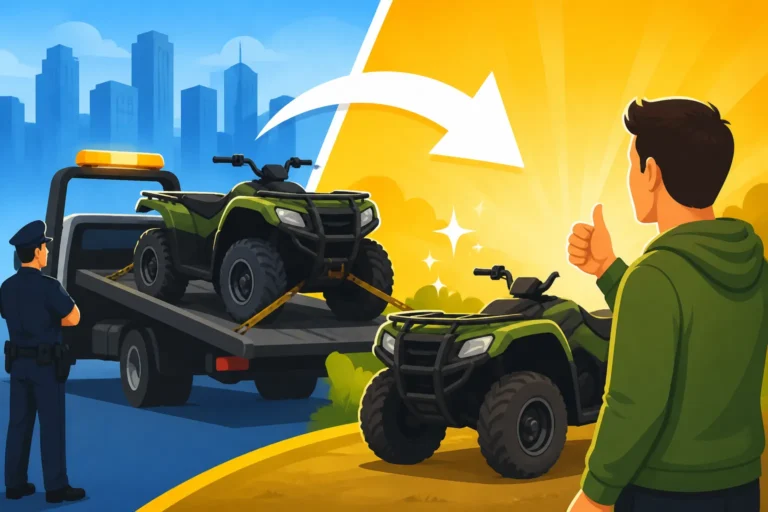
Ignoring Virginia's helmet law isn't just a minor oversight; it carries real consequences. Operating an ATV or UTV without an approved helmet is a violation of state law and can result in a civil penalty. While the exact fine amount can vary and may increase with repeat offenses, it's typically a sum that most riders would rather not pay. More than just a monetary hit, receiving a citation can lead to other headaches. An officer might choose to end your ride on the spot, potentially requiring you to arrange transport for your machine, which is a major inconvenience, especially if you're deep in the [Virginia Coalfield Trail Towns].
In some extreme cases, particularly if the riding is deemed reckless or dangerous in addition to being helmet-less, there could even be the possibility of your machine being impounded by local authorities. [Cities Can Impound an ATV Ridden on a Sidewalk] is a stark reminder of the authority law enforcement has. While that's usually reserved for more egregious violations, it highlights the importance of adhering to all ATV laws, not just the helmet rule. Think about the costs involved: the fine, potential towing and impoundment fees, and the loss of riding time. It quickly adds up to far more than the cost of a good quality helmet. Many riders understand that investing in protective gear, including a helmet from a reputable vendor like SuperATV, is a small price to pay for safety and peace of mind, both legally and physically. After all, nobody wants their fun day on the trails to end with a ticket or a call to a tow truck.
Common Myths and Misconceptions About Virginia's ATV Helmet Rules
Even with clear laws on the books, myths and misunderstandings persist, especially regarding ATV helmet requirements. These myths can inadvertently lead riders into non-compliance, risking both their safety and their wallets. It's crucial to dismantle these common misconceptions to ensure everyone knows the truth about riding legally and safely in Virginia. Let's tackle a couple of the biggest ones head-on.
"But It's My Own Land!": Addressing the Private Property Myth
This is perhaps the most prevalent and stubbornly persistent myth among Virginia ATV riders: the belief that helmet laws, or indeed many other ATV regulations, simply don't apply when you're on your own private property. It feels intuitive, right? "It's my land, I can do what I want." However, Virginia law, like many states, does not draw this distinction when it comes to helmet use on ATVs. As mentioned earlier, the mandate applies universally. This means that whether you're traversing your sprawling farm fields, exploring your secluded woodland lot, or just riding circles in your backyard, you and any passengers are legally required to wear an approved helmet. [Do Adults Need a Helmet on Their Own Land?] The short answer, emphatically, is yes.
This particular aspect of the law can be a tough pill to swallow for some, who view it as an infringement on personal liberty on their own property. However, the legal rationale often centers on the state's interest in public safety and minimizing healthcare burdens resulting from preventable injuries. While enforcement on truly private, isolated property might be less common than on public trails, the law is still there. More importantly, disregarding it means you're putting yourself and your loved ones at unnecessary risk. A helmet doesn't just protect you from a ticket; it protects you from serious head injury, regardless of whose land you're on. So, before you head out, even for a quick spin around your property, make sure everyone has their helmet on and securely fastened.
Age and Experience: No Loophole for Adults or Pros
Another common misconception is that the helmet law is primarily for younger riders or novices, implying that experienced adults are somehow exempt. This couldn't be further from the truth in Virginia. The law makes no distinction based on age or skill level. Whether you're 8 years old riding a youth model or 80 years old with decades of off-road experience, the helmet requirement applies equally. [Why Virginia Adults Must Wear a Helmet, Not Just Kids] This universal application underscores the state's position that ATV operation carries inherent risks for everyone, regardless of their proficiency.
Some veteran riders might feel that their extensive experience negates the need for a helmet, arguing they know how to handle their machine and the terrain. However, even the most skilled riders can encounter unpredictable obstacles, mechanical failures, or unexpected terrain changes that lead to an accident. A helmet is a critical piece of safety equipment, a last line of defense against severe head trauma, which can occur even in seemingly minor incidents. This includes adults driving powerful side-by-sides, where the perceived safety of a roll cage might lead some to believe a helmet is less necessary. However, roll cages protect against crushing injuries, while helmets protect against impacts to the head inside the vehicle. For any type of ATV or UTV, regardless of your age or how many hours you've logged, wearing a helmet is not just a legal obligation but a prudent safety practice. SuperATV, for instance, offers helmets in various sizes and styles, ensuring every rider, from the youngest to the most seasoned, can find a comfortable and compliant fit.
Equipping Yourself for Safe Riding: Beyond the Helmet
While the helmet law is a cornerstone of ATV safety in Virginia, it's just one piece of the puzzle. A truly safe and enjoyable riding experience involves a holistic approach to protective gear and responsible riding practices. Think of your helmet as the captain of your safety team, but it needs a strong supporting cast to be fully effective. Overlooking other vital equipment can leave you vulnerable, even if your head is perfectly protected.
Essential Gear Beyond Head Protection
Beyond the mandatory helmet, there's a host of other gear that serious ATV riders should consider essential. Eye protection is paramount, especially if your helmet doesn't have a full face shield. Goggles or shatter-resistant glasses protect your eyes from dust, dirt, branches, insects, and anything else the trail might kick up. Imagine trying to navigate a tricky section with impaired vision—it's a recipe for disaster. Long sleeves and pants, preferably made from durable materials like denim or specialized riding fabrics, are crucial for protecting your skin from abrasions, scrapes, and impacts with branches or debris. They also offer some protection from sun exposure and insect bites.
Riding gloves are not just about grip; they protect your hands from blisters, cuts, and cold weather, while also providing a crucial buffer in a fall. Over-the-ankle boots are vital for foot and ankle protection, offering support and preventing injuries from impacts with rocks, roots, or even the footpegs themselves. Many riders also invest in chest protectors, knee pads, and elbow pads, especially for more aggressive riding or in rocky terrain. These pieces of gear from brands like SuperATV can significantly reduce the severity of injuries in a crash, allowing you to walk away from a spill that might otherwise have sent you to the emergency room. Building a comprehensive kit of protective gear should be a priority for every rider.
Riding Responsibly and Staying Informed
Having all the right gear is fantastic, but it's only truly effective when combined with responsible riding habits and a commitment to staying informed. Always ride within your skill level and the capabilities of your machine. Pushing limits too far, especially in unfamiliar territory, is a common cause of accidents. Be aware of your surroundings, anticipate changes in terrain, and always maintain a safe distance from other riders. Adhere to speed limits, especially on designated trails like those in [Spearhead Trails in Virginia Explained], and be mindful of other trail users, including hikers, mountain bikers, and equestrians, where permitted.
Beyond personal safety, it's also your responsibility to stay current on Virginia's ATV laws. Regulations can change, and knowing the specifics about [Virginia ATV Age Requirements], passenger rules, and where you can and cannot ride is just as important as wearing your helmet. Always check trail conditions before you head out, especially after heavy rain, as mud and washouts can create dangerous situations. If you're involved in an incident, know the procedures for [Virginia Accident Reporting for an ATV Crash]. By combining top-notch protective gear with a commitment to safe, informed, and responsible riding, you'll ensure that your adventures in the Virginia backcountry are both thrilling and secure.
| Helmet Type | Key Features | Best For | Virginia Legal Compliance |
|---|---|---|---|
| Full-Face | Max protection (head, face, chin), integrated visor | Aggressive trail riding, mud, dust, high speeds | Yes (DOT approved) |
| Modular (Flip-Up) | Versatility (full-face or open-face), visor | Varied conditions, touring, comfort | Yes (DOT approved, chin bar down) |
| Open-Face (3/4) | Good ventilation, wide field of view, no chin bar | Casual riding, warmer weather | Yes (DOT approved, requires eye protection) |
| Motocross/Off-Road | Extended chin bar, large eye port for goggles, visor | Extreme off-road, racing, rugged terrain | Yes (DOT approved, requires goggles) |
| Shorty/Half | Minimal coverage, lightweight | NOT recommended for ATVs/UTVs | Generally No (often not DOT approved for powersports) |
Disclaimer
This article is for general informational purposes only and does not constitute professional advice. Laws, prices and regulations vary by location and change over time. Consult a qualified professional for guidance on your specific situation.