No Cap After Sixteen
There's often a lot of confusion and misinformation floating around about ATV riding rules in Virginia, especially when it comes to age limits. Many folks wonder if once you hit a certain age, all the restrictions simply vanish, giving you free rein. It's a common and understandable frustration trying to sort through the nuances of what's allowed. This guide is here to clear up the exact regulations for adult riders, specifically focusing on the idea that once you're 16, the engine size cap is lifted, but other crucial rules still absolutely apply.
Virginia's Age-Based Riding Rules on Public Land
Understanding Virginia's approach to ATV riding means starting with the age-based restrictions. It's not just a free-for-all, even for experienced riders. The state has specific guidelines designed to ensure safety, particularly for younger enthusiasts learning the ropes. These rules build up to the point where, for adult riders, certain limitations are indeed removed, but they're replaced by an even greater personal responsibility.
The Foundation: Engine Size and Rider Age
Virginia's legal framework for ATVs is pretty clear-cut when it comes to the young ones. The law sets specific limits on engine displacement tied directly to a rider's age. For instance, if you have a child who is under 12, they're generally restricted to machines with an engine size of 70cc or less. This is a critical safety measure, ensuring that younger, less experienced riders aren't on machines that are too powerful or too heavy for them to control effectively. It's about matching the machine to the maturity and physical capability of the operator, something every parent needs to take seriously. You can find more detail in [Virginia Riders Under 12 and 70cc].
As riders grow, so does the permitted engine size. For those between the ages of 12 and 16, the engine size limit increases, typically allowing them to operate ATVs with engines up to 90cc. Again, this phased approach is all about safety and development. It acknowledges that a 15-year-old generally has more strength, coordination, and judgment than a 10-year-old, but still might not be ready for the full power of an adult-sized machine. These limits are non-negotiable legal requirements on public lands and for certain private land situations too. For more on this age group, check out [Virginia Riders 12 to 16 and 90cc].
No Engine Size Restrictions for Adult Riders
This brings us to the core of the "no cap after sixteen" idea. Once a rider in Virginia reaches the age of 16, the state's legal restrictions on engine size are indeed lifted. This means that a 16-year-old or older rider is legally permitted to operate any size ATV or UTV, from a small 90cc youth model all the way up to the largest utility or sport quads, or powerful side-by-sides. You're no longer confined by displacement limits like the younger riders are.
This freedom, of course, comes with a huge asterisk: responsibility. While you can physically operate a larger machine, it doesn't automatically mean you should. Many adult riders, even experienced ones, will still choose a machine that matches their skill level and intended use. An enormous sport quad might be thrilling, but if you're primarily using it for light trail riding or farm chores, a more moderately sized utility vehicle might be a better, safer, and more practical choice. The law gives you the choice, but your own good judgment should guide your decision.
The removal of the engine size cap is a significant point for adult riders, offering flexibility in machine selection. It acknowledges that once you've reached a certain age, you're presumed to have the discretion to choose an appropriate vehicle for your experience and the terrain. However, this freedom from engine size limits does not mean freedom from all rules. In fact, many other regulations remain firmly in place for every rider, regardless of how old or experienced they are.
Licensing Requirements for Adult Riders
A common question that pops up, especially for those new to off-roading or moving to Virginia, is whether you need a special driver's license to operate an ATV or UTV. The answer for general trail riding is straightforward: no. Virginia does not require a specific ATV operator's license, nor do you need a standard driver's license just to ride your ATV on designated off-road trails or private property with permission.
However, there's a nuance here that can catch people off guard. While you don't need a license for most off-road riding, there are extremely limited circumstances where you might be required to possess a valid driver's license. This primarily applies if you're legally crossing a public highway or operating in one of the very specific, designated coalfield road systems where ATVs are permitted. In these rare instances, which are exceptions to the general ban on road use, a valid driver's license would indeed be required, just as if you were operating any other motor vehicle on a public roadway. So, while you're technically "licensed" to ride off-road without one, keep your standard driver's license handy if you plan on navigating any approved road segments. For more information, you might want to read [Do You Need a License for an ATV in Virginia?].
Beyond Age: Other Critical Rules for Riders 16 and Over
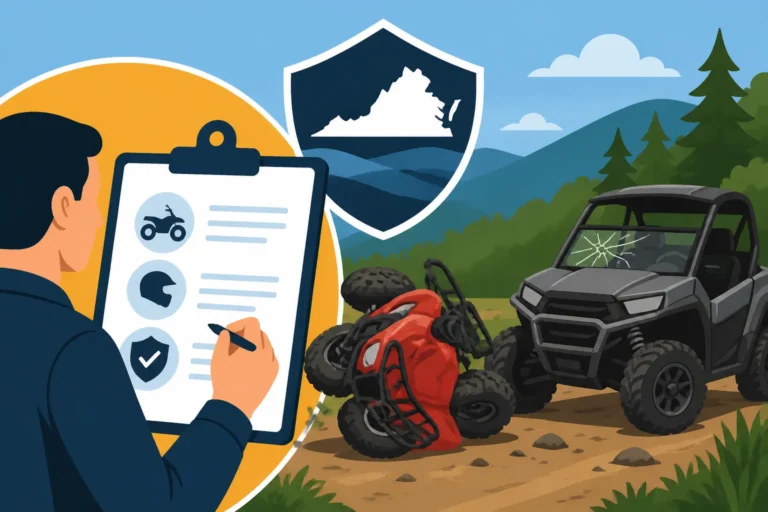
Even after you've celebrated your 16th birthday and are legally free from engine size restrictions, it's crucial to understand that many other vital safety and operational rules still apply. Virginia's ATV laws aren't just about how old you are; they're fundamentally about promoting responsible and safe riding practices for everyone who gets on a machine. Ignoring these rules can lead to serious injury, hefty fines, or both.
Helmet and Eye Protection Are Still Mandatory
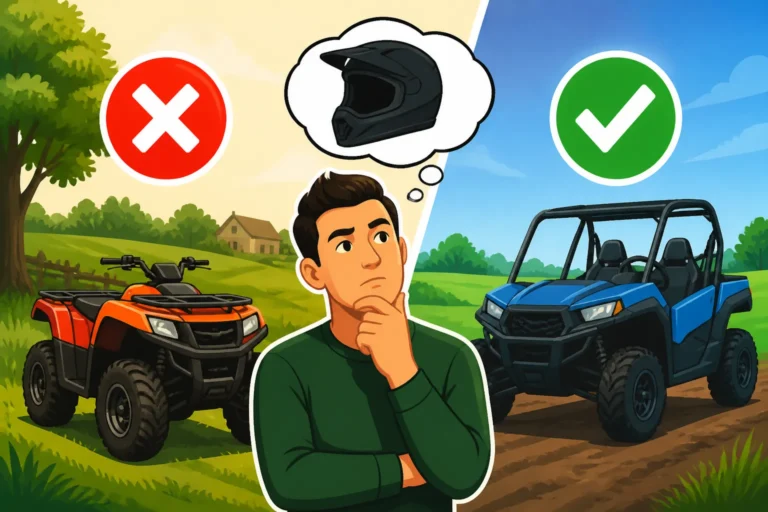
This is a big one, and it's where many adult riders sometimes get it wrong. In Virginia, the helmet law applies to everyone operating an ATV, regardless of age or experience. There's no age at which you can legally forgo a helmet while riding an ATV on public or private land. This isn't just a suggestion; it's a legal requirement designed to protect your most important asset: your brain. A proper, DOT-approved helmet can be the difference between a minor bump and a life-altering injury in the event of an accident.
Alongside a helmet, appropriate eye protection is also mandatory. This could be goggles, a face shield on a full-face helmet, or even safety glasses, as long as they effectively shield your eyes from dust, debris, branches, and insects. Anyone who has ever taken a branch to the face or gotten a bug in their eye at speed knows how quickly that can turn dangerous. These aren't just rules for kids; they are fundamental safety precautions for every single rider. For a full breakdown of the helmet rules, consult [Virginia ATV Helmet Law Explained].
Restricted Areas: Public Highways and Private Property
Another critical rule that often surprises newcomers, or is simply ignored by some, is the near-absolute ban on operating ATVs on public highways in Virginia. This isn't just for inexperienced riders or youth; it applies to everyone, all the time. Public highways are built for cars, trucks, and other road-legal vehicles, not for machines designed primarily for off-road terrain. Attempting to ride an ATV on a public road, even for a short distance, can result in significant penalties and puts you at risk of serious collision with other traffic. The state takes this very seriously due to the inherent dangers. For a deeper dive into these restrictions, check out [Virginia Bans ATVs on Public Highways].
Furthermore, while private property offers more flexibility, it's not a free-for-all either. You must have the express written consent of the landowner to operate an ATV on their property. This rule applies to every rider, regardless of age. Simply assuming you can ride on someone's land, even if it looks abandoned or undeveloped, is a form of trespassing and can lead to legal trouble. Always seek and carry proof of [Virginia Written Consent on Private Land] to avoid any issues with property owners or law enforcement. This shows respect for private property rights and helps maintain good relations within the riding community.
Passenger Rules for Adults
When it comes to carrying passengers on an ATV or UTV, there's a very specific rule that applies to all riders, including adults: you can only carry a passenger if the machine was specifically designed by the manufacturer for more than one operator. This means if you have a traditional single-seat ATV, you cannot legally carry a passenger, even if they are a child or another adult, and even if you think you can "make room." These machines are engineered for one rider's weight distribution and control.
Side-by-sides (SxS) and certain multi-passenger ATVs are, by their very design, built to carry more than one person, often with dedicated seating and seatbelts. If your machine is a single-rider ATV, no amount of aftermarket modification, such as adding a temporary seat or seat extender, will make it legal to carry a passenger in Virginia. These add-ons, while available from companies like SuperATV for various customizations, do not magically transform a single-rider machine into a multi-passenger compliant vehicle under the law. Always defer to the manufacturer's original design and specifications when considering passengers. Ignoring this rule is not only illegal but extremely dangerous, as it can severely impact the machine's handling and stability. To understand these rules better, see [Virginia Passenger Rules on an ATV].
| Rule Category | Applies to Riders Under 16 | Applies to Riders 16+ | Key Details |
|---|---|---|---|
| Engine Size Limits | Yes (70cc or 90cc) | No | Max engine size depends on age. |
| Helmet Requirement | Yes | Yes | Mandatory for ALL riders. |
| Eye Protection | Yes | Yes | Mandatory for ALL riders. |
| Public Highway Ban | Yes | Yes | ATVs generally prohibited on roads. |
| Private Land Consent | Yes | Yes | Written permission always required. |
| Passenger Rule | Yes | Yes | Only on manufacturer-designed multi-seat machines. |
| Driver's License | No (for trail riding) | No (for trail riding) | Required only for approved public road use. |
Where Adults Can Legally Ride in Virginia
Understanding where you can actually legally ride your ATV or UTV in Virginia is just as important as knowing the age and safety rules. The state has a mix of public and private options, and it's essential to stick to these designated areas to avoid trespassing, fines, and potential impoundment of your machine. For adult riders who often have more powerful machines, choosing the right terrain and ensuring legal access is paramount for an enjoyable and safe experience.
Designated OHV Trails and Private Land
For the vast majority of ATV and UTV enthusiasts in Virginia, the primary and safest places to ride legally are designated Off-Highway Vehicle (OHV) trail systems and private land with explicit permission. Virginia is home to some fantastic trail networks, most notably the Spearhead Trails system in the southwestern part of the state. These trails are specifically designed, maintained, and legally sanctioned for off-road vehicle use, providing hundreds of miles of diverse terrain for riders of all skill levels. You'll find everything from challenging mountain climbs to scenic forest routes.
In addition to Spearhead, parts of the George Washington and Jefferson National Forests also offer OHV trails, such as the popular Peters Mill Run. These federal lands operate under their own specific rules and often require permits, but they provide another excellent option for legal riding. When riding on these established systems, you're not just finding a place to ride; you're supporting the infrastructure that makes legal off-roading possible in the state. For comprehensive information, explore [Spearhead Trails in Virginia Explained] and [Peters Mill Run OHV Trails in Virginia]. And, of course, riding on private land with the owner's permission remains a core component of Virginia's riding landscape.
Limited Road Crossings and Exceptions
While the general rule in Virginia is a strict ban on ATVs and UTVs on public highways, there are extremely narrow and specific exceptions. These are not broad permissions to ride on any county road, but rather carve-outs for specific geographic areas under strict conditions. Primarily, these exceptions exist in certain counties in Virginia's coalfields, specifically Buchanan and Tazewell counties. Here, local boards of supervisors have the authority to designate certain county roads as open to ATV and UTV traffic, often to connect sections of trail systems.
Even on these designated roads, the rules are stringent. You'll typically find speed limits (often 25 mph), restrictions on daylight-only operation, and specific signage requirements. These are meant to be functional connectors, not joyriding routes. It's crucial to understand that these are exceptions and do not set a precedent for other counties. If you're not in Buchanan or Tazewell, or if the road isn't explicitly marked and designated, assume it's illegal to ride your ATV on it. Always verify the specific route and conditions. For details on these unique areas, refer to [Virginia Road Access in the Coalfields].
Staying Informed About Local Ordinances
Even when you're riding in a generally permissible area, it's always a good idea to be aware of local ordinances. While state law provides the overarching framework, towns and counties can sometimes have additional rules, particularly concerning noise, hours of operation, or specific land use. This is especially true if you're riding near residential areas or passing through small trail towns that cater to off-roaders.
For instance, a town might have a noise curfew that applies to ATVs, even if the main trail system itself doesn't. Or, there might be local signage or temporary closures you need to be aware of. The best practice is to check the websites of the trail system operator (like Spearhead Trails) and the local county or town government where you plan to ride. Being proactive in checking these details shows respect for the communities you're visiting and helps ensure you have a hassle-free trip. Just because you're an adult and legally allowed to ride a powerful machine doesn't exempt you from being a good neighbor and an informed rider.
Safety and Responsibility for Mature Riders
Reaching the age of 16 and having "no cap" on engine size doesn't mean you've mastered all there is to know about ATV and UTV riding. In fact, with greater power and speed often comes greater responsibility. Adult riders, whether seasoned veterans or new enthusiasts, have a continuous obligation to prioritize safety, maintain their machines, and stay sharp on the rules to ensure not only their own well-being but also the safety of others on the trails.
Machine Selection and Maintenance
Choosing the right machine for your skill level and intended use is paramount, even for experienced adult riders. Just because you can ride a massive 1000cc side-by-side doesn't mean it's the ideal choice for every situation. Consider the type of riding you'll be doing most often—tight technical trails, wide-open spaces, utility work, or simply cruising with family. A machine that's too powerful for your skill or too large for the trails can quickly turn a fun day into a dangerous one. Aftermarket accessories from reputable brands like SuperATV can significantly enhance safety and performance, but always ensure they are installed correctly and compatible with your machine's original specifications. For example, robust skid plates and A-arm guards can protect vital components on rocky terrain, while upgraded lighting can improve visibility during dusk or dawn rides, making your machine safer and more capable.
Beyond selection, diligent maintenance is non-negotiable. An ATV or UTV is a complex piece of machinery, and regular checks of tires, brakes, fluids, suspension, and steering components are crucial. A brake failure or a blown tire in rough terrain can have severe consequences. Just like you wouldn't neglect your car, your off-road machine requires consistent attention to keep it running safely and reliably. Don't wait until something breaks; proactive maintenance saves lives and money in the long run.
Continuous Skill Development
Even if you've been riding for decades, there's always something new to learn or a skill to refine. The terrain changes, new machines offer different handling characteristics, and your own physical capabilities might evolve over time. Consider taking an ATV safety course, even as an adult. These courses often cover advanced riding techniques, emergency maneuvers, and a deeper understanding of machine dynamics. They can help you identify bad habits you might have picked up over the years and introduce you to safer, more efficient ways to handle your machine.
Practicing in a controlled environment is also key. Regularly revisit basic skills like braking, turning, hill climbing, and descending. The more confident and proficient you are in handling your machine, the better equipped you'll be to react to unexpected situations on the trail. Just like any sport, consistent practice and a willingness to learn are what distinguish a truly skilled and safe rider from someone merely capable.
Understanding the Law Prevents Penalties
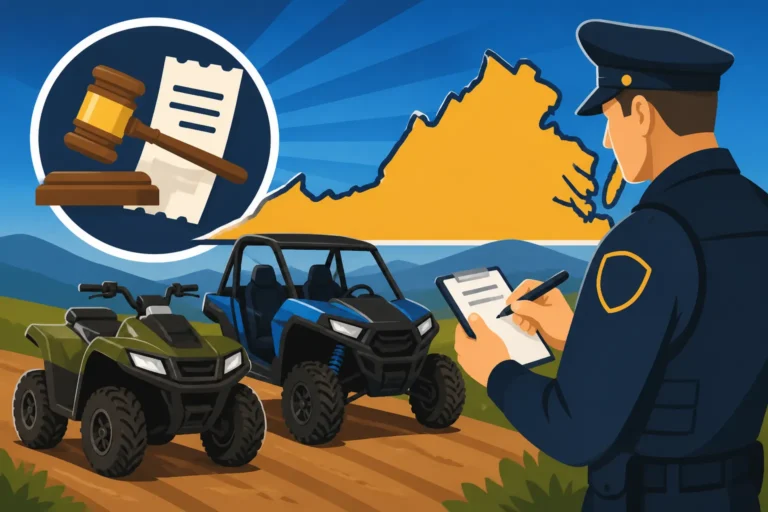
Finally, never underestimate the importance of truly understanding Virginia's ATV laws. It's not enough to just know the age limits; you need to be familiar with all the regulations covering helmets, passengers, road access, and private property rights. Ignorance of the law is never an excuse, and violations can carry significant consequences. Virginia imposes civil penalties for illegal ATV riding, which can include hefty fines. These aren't just minor tickets; they can range up to $500 for certain offenses.
Beyond the fines, repeated or serious violations can lead to your machine being impounded, which is a costly and inconvenient ordeal. Furthermore, if you're involved in an accident while breaking the law, you could face increased liability. The best way to avoid these problems is to educate yourself thoroughly. Review the relevant sections of the Virginia Code, talk to experienced riders, and consult resources like this guide. Knowing the rules protects your wallet, your machine, and most importantly, your safety and the safety of others. Make sure you're aware of [Virginia's Civil Penalty for Illegal Riding] and don't make the common [Virginia Rules Riders Get Wrong].
Disclaimer
This article is for general informational purposes only and does not constitute professional advice. Laws, prices and regulations vary by location and change over time. Consult a qualified professional for guidance on your specific situation.