Rescue Crews Riding ATVs During an Emergency Call
When an urgent situation strikes in a remote corner of Virginia, far from paved roads and easy access, traditional emergency vehicles often hit a dead end. That's where the unsung heroes of our rescue crews, mounted on their rugged ATVs and UTVs, truly shine. This guide is all about how these dedicated first responders legally and effectively utilize off-road machines to reach those in critical need, navigating the challenging terrain that would otherwise be impassable.
The Legal Landscape for Emergency ATV Use in Virginia
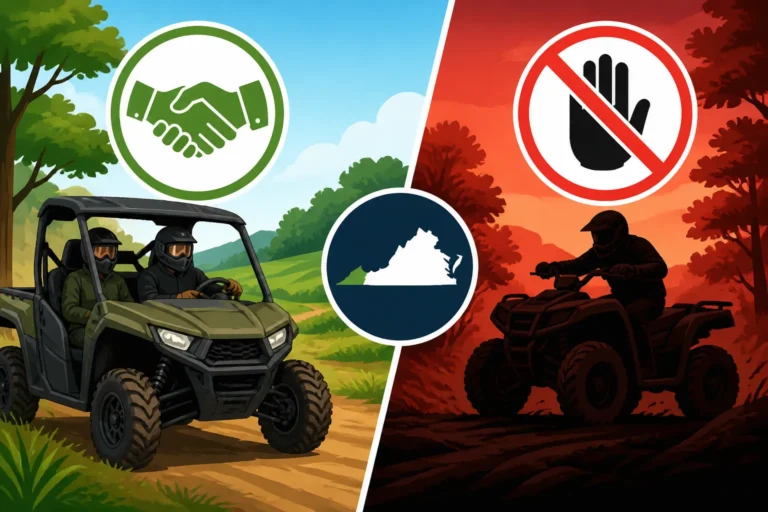
Navigating Virginia's laws regarding ATVs can feel like a maze, especially when you're talking about public roads. For the average rider, the rules are pretty clear: ATVs are generally banned from public highways and streets. It's a common frustration for many enthusiasts who just want to get from one trail segment to another, or even just down the road to a neighbor's house. The general principle is that these machines are designed for off-road use, and that's where they're meant to stay. You can read more about this in [Virginia Bans ATVs on Public Highways].
However, the law isn't blind to the vital role these machines can play in saving lives. Virginia code carves out specific, crucial exceptions for emergency responders. This isn't a loophole; it's a recognition that in certain dire circumstances, the ability of an ATV or UTV to traverse difficult terrain quickly can be the difference between life and death. Without these provisions, many communities, particularly those in rural or mountainous areas, would be severely hampered in their ability to provide timely aid. It's about empowering those who rush into danger to do their jobs effectively, even when the path is anything but clear.
Who Qualifies as an Emergency Responder?
So, who exactly falls under this umbrella of "emergency responder" that the law permits to operate ATVs on public ways during a crisis? It's not just anyone with a flashing light and a good intention. Virginia law specifically identifies certain entities and individuals who are authorized. This typically includes fire departments, law enforcement agencies, and emergency medical services (EMS), whether they are paid professionals or dedicated volunteers. For instance, a volunteer rescue squad, often the backbone of emergency response in many Virginia communities, would absolutely qualify. In fact, many such squads title their machines, though they may be exempt from certain fees, as detailed in [Virginia Rescue Squad Title Exemptions].
The key here is that the individual operating the ATV must be acting in their official capacity as a member of one of these recognized emergency services. This means they are either on duty, responding to a call, or engaged in an authorized emergency function. It's not about personal use, but about the official execution of their duties to protect and serve the public. The distinction is vital to ensure that this exception is used responsibly and only when truly necessary. This focus on authorized personnel ensures accountability and prevents misuse of these powerful vehicles.
Understanding the Scope of "Emergency Call"
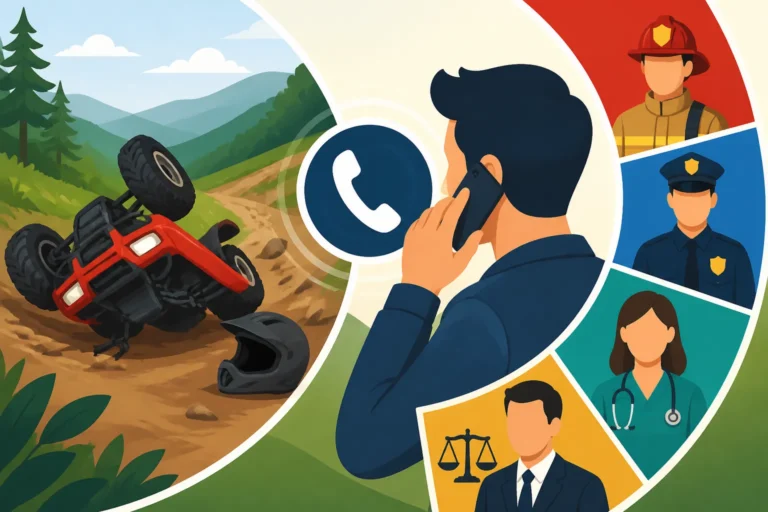
The second critical component of the exception is the "emergency call" itself. What does that truly mean in the eyes of the law, and how does it define when an ATV can legitimately be on a public road or property it normally couldn't access? An "emergency call" in this context refers to situations where there is an immediate threat to life, health, or property, requiring a rapid and urgent response. Think about a hiker lost deep within the George Washington National Forest, a medical emergency on a remote hunting lease, or a search and rescue operation following a severe storm in the Appalachian foothills. These are scenarios where traditional ambulances or police cruisers simply cannot go, and the agility and terrain-handling capabilities of an ATV or UTV become indispensable.
The law isn't intended to cover routine activities. For example, using an ATV for a parade, transporting equipment for a non-urgent community event, or even just moving a machine from one station to another without an active emergency, generally wouldn't fall under this exception. While training exercises are crucial, and sometimes may involve brief, controlled movements on public ways, the primary legal exemption is reserved for genuine emergencies. This distinction ensures that the privilege is not abused and that the public's safety, which the general ATV road ban aims to protect, is still upheld. The focus is squarely on those moments when seconds count and an ATV can uniquely bridge the gap to save a life. You can find more detail on these specific exemptions in [Virginia Emergency Responder Exceptions].
Equipping ATVs for Emergency Service in Virginia
When an ATV or UTV is pressed into service for emergency response, it's a far cry from a machine used for casual trail riding. These vehicles need to be purpose-built or heavily modified to handle the demands of rescue, medical transport, and recovery in often unforgiving environments. Simply put, a standard off-the-dealer-floor machine isn't usually sufficient. The modifications and specialized gear transform an recreational vehicle into a crucial piece of emergency apparatus, capable of reaching where others cannot and performing tasks critical to a mission's success. This is where durable, reliable equipment comes into play, ensuring the machine can withstand the rigors of an emergency situation.
Essential Modifications and Gear
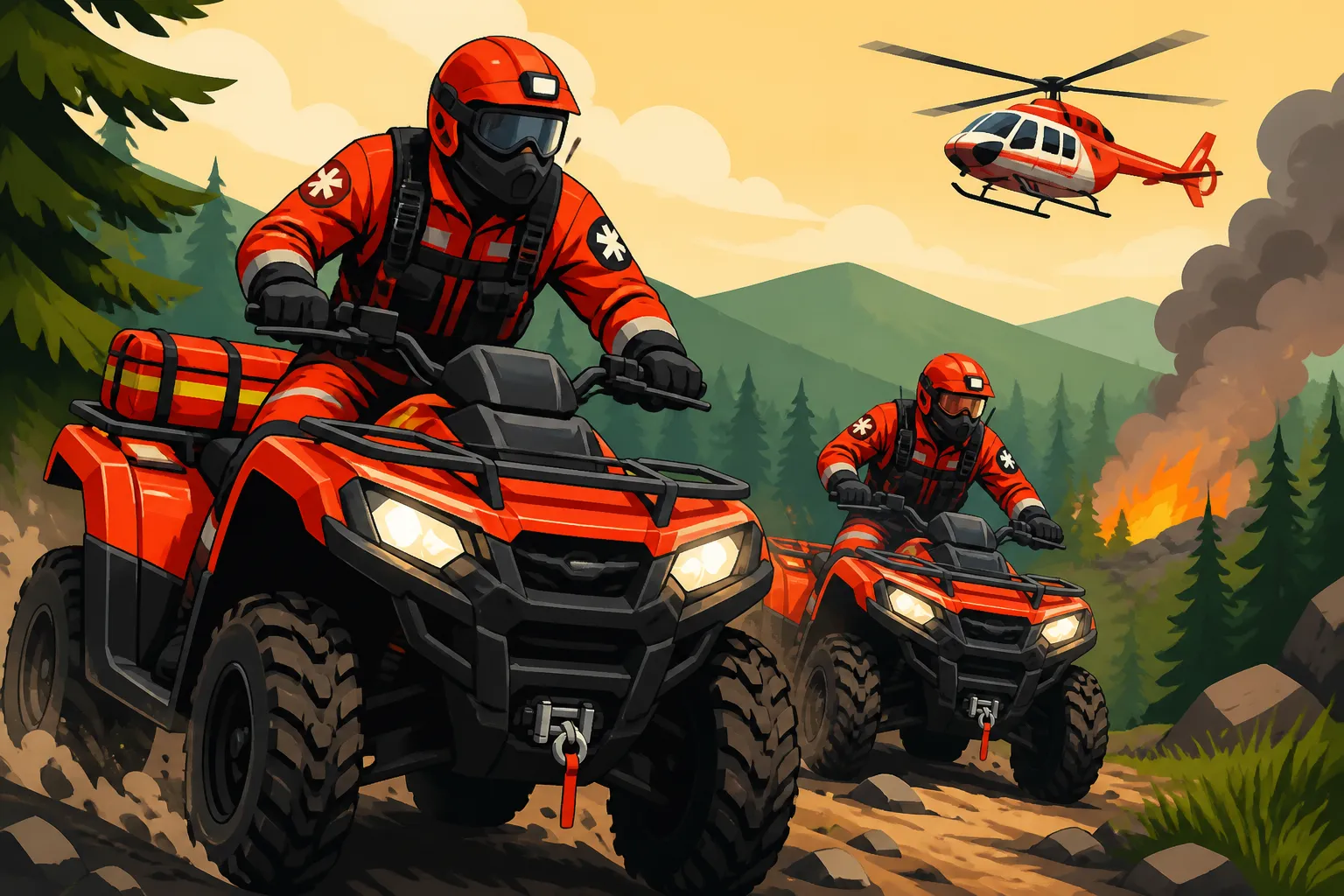
For rescue crews, equipping an ATV or UTV means outfitting it for absolute reliability and functionality in critical situations. One of the first things you'll notice are the enhanced lighting and audible warning systems. We're talking about bright LED emergency lights—red, blue, or amber—along with sirens to alert others to their presence, especially when they might need to use a public road briefly to access a remote area. Beyond visibility, the functional modifications are key. Heavy-duty winches, often mounted on the front or rear, are non-negotiable for pulling downed trees, clearing obstacles, or recovering stuck vehicles, including their own. These aren't just for show; they're essential tools for clearing a path to someone in distress.
Then there's the storage and transport capability. Specialized racks, cargo boxes, and sometimes even custom-built litters or patient transport systems are integrated. These allow crews to carry medical kits, defibrillators, oxygen tanks, ropes, search equipment, and even carefully transport an injured individual over rough terrain. For enhanced durability and capability, many squads turn to companies like SuperATV for parts like upgraded suspension systems, heavy-duty axles, and full skid plates to protect the undercarriage from rocks and debris. These components are designed to take a beating and keep going, which is exactly what's needed in an emergency. The importance of reliable lighting, in particular, cannot be overstated, as outlined in [Virginia Lighting Rules on a Machine], especially during night-time search operations.
Here's a quick look at some common equipment categories:
| Category | Essential Items | Purpose |
|---|---|---|
| Visibility & Sound | LED emergency lights (red/blue/amber), siren, horn | Alerting public, enhancing safety, indicating emergency status |
| Recovery | Heavy-duty winch, recovery straps, shackles, tree saver | Clearing obstacles, self-recovery, pulling other vehicles |
| Medical Transport | Patient litter/stretcher, medical bags, oxygen, first aid kits, AED | Stabilizing and transporting injured persons |
| Navigation/Comms | GPS unit, two-way radios, satellite messenger | Locating subjects, coordinating with base, communication in dead zones |
| Protection/Durability | Skid plates, brush guards, heavy-duty suspension, reinforced tires | Protecting vehicle, improving ride over rough terrain (e.g., SuperATV parts) |
| Storage | Cargo boxes, custom racks, waterproof bags | Securing and protecting essential gear |
Safety Considerations for Emergency Responders
While the legal exemptions allow emergency responders to bypass certain road restrictions, safety remains paramount. These brave individuals are often operating under immense pressure, in challenging conditions, and sometimes with limited visibility. Therefore, rigorous training is absolutely non-negotiable. While Virginia doesn't mandate a specific safety course for ATV riders, as discussed in [Virginia Has No Safety Course Requirement], for emergency personnel, specialized training far beyond basic operation is essential. This includes advanced off-road driving techniques, winch operation, patient packaging, and navigating with heavy loads.
Furthermore, adherence to personal protective equipment (PPE) standards is critical. This means not just wearing helmets—which is a legal requirement for all riders in Virginia, regardless of age or experience, as stated in [Virginia Helmet Law Applies to Every Rider]—but also eye protection, gloves, sturdy boots, and appropriate clothing to protect against the elements and potential injuries. Many departments also integrate roll-over protection structures (ROPS) and seatbelts for UTVs, along with specific protocols for machine maintenance and pre-ride inspections. The goal is to minimize risks to the responders themselves so they can safely and effectively attend to those in need. For example, a rescue crew might fit their Polaris Ranger UTV with a SuperATV windshield to offer better protection from debris while speeding down a trail to an incident.
Operational Protocols and Best Practices
Deploying ATVs and UTVs for emergency calls isn't a haphazard affair. It requires meticulous planning, strict adherence to protocols, and seamless coordination to ensure the mission is successful and everyone returns safely. These machines are tools, and like any specialized tool, they require skilled operators and a well-thought-out operational framework to be truly effective in a crisis. This structured approach helps transform a powerful vehicle into a precision instrument for emergency response.
Pre-Deployment Checks and Planning
Before an emergency ATV or UTV even leaves the station, a series of critical pre-deployment checks and planning steps are undertaken. This isn't just about grabbing the keys and going; it's about minimizing risks and maximizing efficiency when time is of the essence. First, the machine itself undergoes a thorough inspection—fuel levels, tire pressure, brakes, lights, winches, and all essential equipment must be confirmed to be in perfect working order. Imagine being deep in the woods, only to discover a critical piece of gear isn't functioning; that's a scenario no responder wants to face.
Next comes the operational planning, which is heavily influenced by the nature of the emergency, the terrain, and the weather conditions. This involves detailed route planning, often utilizing GPS and topographical maps, to identify the most efficient and safest path to the incident location. Crews consider potential hazards like steep inclines, water crossings, or unstable ground. For instance, if responding to a call deep in the mountains, they'll pack specific gear for [Packing for Mountain Weather] and ensure they have adequate [First Aid on a Long Coalfield Loop]. Communication protocols are established, and backup plans are put in place. This proactive approach ensures that when the call comes, responders are as prepared as possible for whatever challenges await them. Equipping a Ranger with robust SuperATV A-arms and CV axles, for example, would be part of a rigorous preparation process to ensure reliability in harsh environments.
Coordination with Other Agencies and Resources
Emergency situations often involve multiple agencies, each bringing their own expertise and resources to the table. For ATV-mounted rescue crews, seamless coordination with fire departments, law enforcement, traditional EMS units, and even search-and-rescue dog teams is absolutely vital. Imagine a scenario where a fallen climber needs urgent medical attention in a remote area: the ATV crew might be responsible for rapid access, initial medical stabilization, and transport to a more accessible staging point where an ambulance can take over.
This coordination extends to communication, where standardized radio channels and incident command structures ensure everyone is on the same page. Regular joint training exercises, where different agencies practice working together in simulated emergency scenarios, are crucial for building trust and understanding roles. Sometimes, a general officer might encounter an emergency ATV on a public road, and knowing [What an Officer Can Ask For at a Trailhead] can help smooth any potential misunderstanding, though in an emergency, their status is usually clear. This interconnected approach allows for a more comprehensive and effective response, leveraging the unique capabilities of ATVs and UTVs within a larger, unified effort to protect our communities.
Disclaimer
This article is for general informational purposes only and does not constitute professional advice. Laws, prices and regulations vary by location and change over time. Consult a qualified professional for guidance on your specific situation.