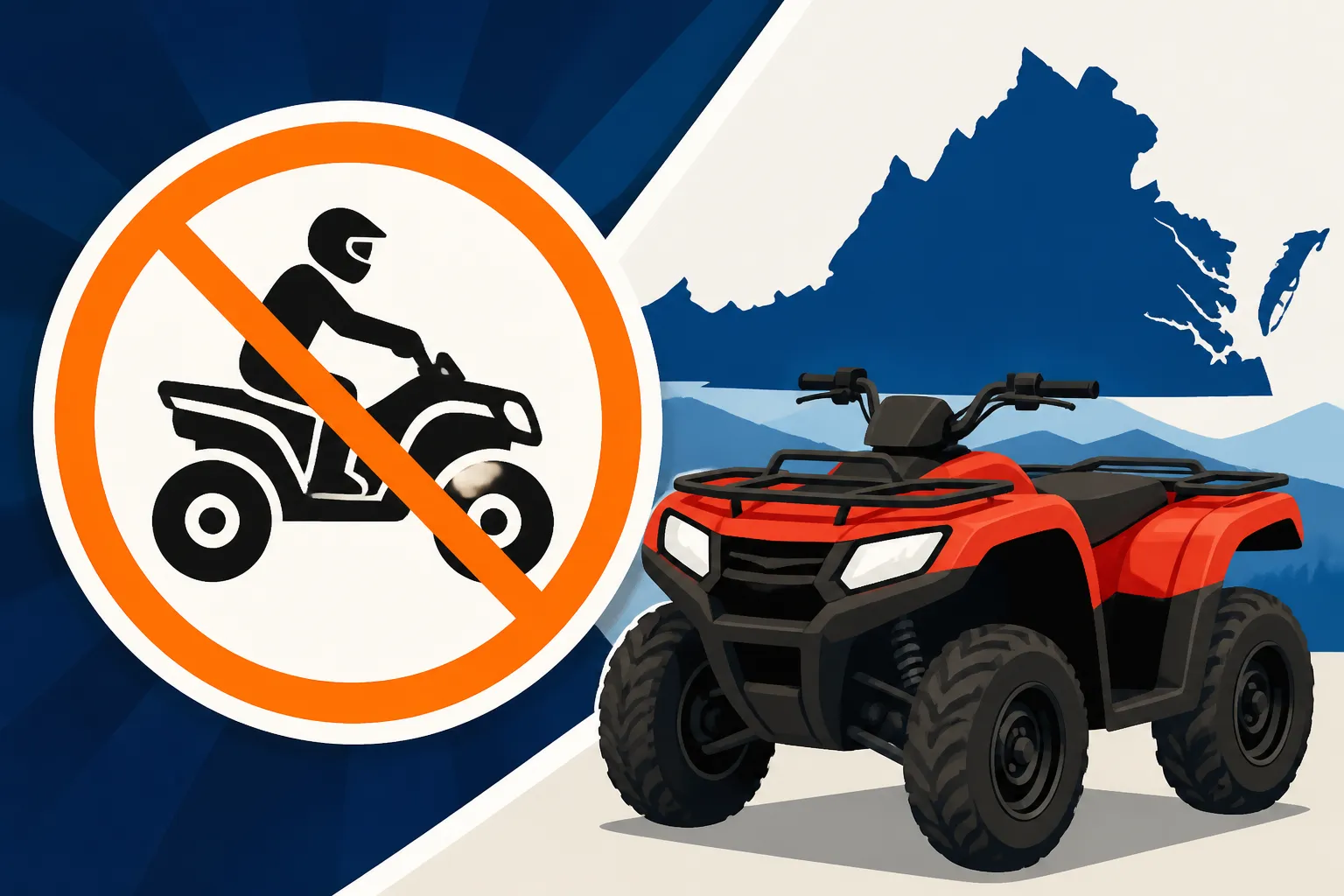
The Warning Decal Every ATV Retailer Must Affix
Navigating the world of ATVs and UTVs in Virginia can feel like a maze, especially when it comes to understanding all the rules and safety guidelines. It's easy to get caught up in the excitement of a new machine or a great deal on a used one, but missing critical safety information can lead to serious consequences. This guide is here to shed light on a crucial, yet often overlooked, aspect of ATV safety: the warning decals every retailer is required to affix to new machines, and why understanding them is vital for every rider in the Commonwealth.
Understanding the Mandate: Why Retailers Must Affix Decals
When you walk into a dealership or pick up a brand-new ATV, you'll notice a lot more than just shiny paint and powerful engines. There are often several colorful, sometimes intense, warning decals plastered on various parts of the machine. These aren't just decorative stickers; they're mandated safety warnings, a direct result of federal regulations designed to protect riders. Many people brush them off, thinking they're just boilerplate, but each one carries a critical message aimed at preventing injury or worse.
The Federal Safety Standard Connection
The presence of these warning decals goes back to the U.S. Consumer Product Safety Commission (CPSC) and a series of consent decrees with ATV manufacturers. After concerns about ATV-related injuries and fatalities, particularly among children, manufacturers agreed to certain safety standards and practices. A key part of this agreement was the mandatory inclusion of warning labels and owner's manuals that clearly outlined potential hazards and safe operating procedures. This means that every major ATV manufacturer, regardless of where they're based, must adhere to these federal guidelines, ensuring that any machine sold in the U.S., including right here in Virginia, comes with these critical safety messages prominently displayed. It's a fundamental part of the machine's design, just as much as its engine or suspension.
What the Decal Communicates
These decals are designed to be concise yet impactful, conveying essential safety information at a glance. They typically cover a range of crucial topics, often featuring symbols and bold text to draw immediate attention. You'll commonly see warnings about:
- Age Limits: Many decals specify a minimum operator age, often tied to engine size. This is a huge one, as young riders on machines too powerful for them are at a significantly higher risk of accidents.
- Helmet Use: An absolute must, often depicted with a graphic. Virginia, for instance, has a [Virginia Helmet Law Applies to Every Rider], making this warning directly relevant to state law.
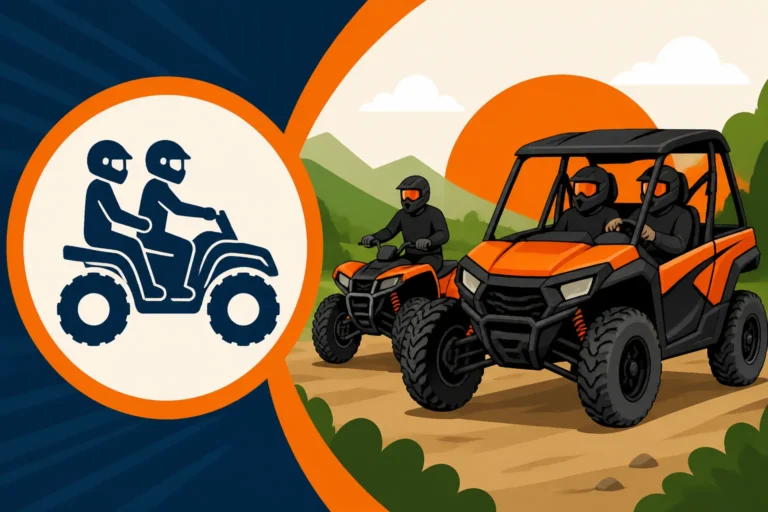
- No Passengers Unless Designed For It: Most single-rider ATVs are exactly that – single rider. Trying to squeeze a passenger on can drastically alter stability and control. You'll see explicit warnings against this.
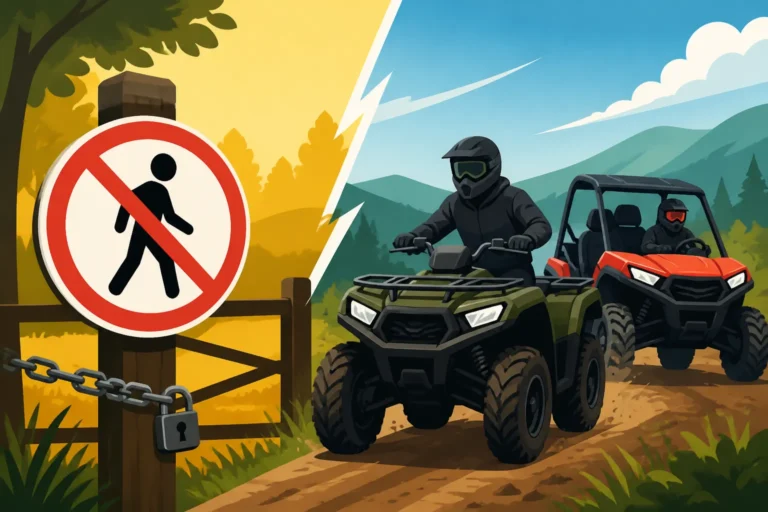
- No Public Roads: This is a huge one that many new riders, and even some seasoned ones, struggle with. ATVs are off-road vehicles, period. They lack the safety features for road use, and Virginia law is very clear on this. For more on this, check out [Virginia Bans ATVs on Public Highways].
- Read the Owner's Manual: This might seem obvious, but it's often the first thing people ignore. The manual contains detailed safety information specific to that model.
- No Alcohol/Drugs While Operating: Another critical safety message, often accompanied by strong warnings.
- Risk of Rollover/Loss of Control: ATVs can be unstable, especially on uneven terrain or when driven improperly. Decals often warn about high speeds, sharp turns, and riding on paved surfaces.
These aren't suggestions; they are directives rooted in extensive safety research and accident data. Ignoring them isn't just risky; it can have legal and financial consequences if an accident occurs.
What Virginia Law Says About These Decals
While the initial mandate for these decals comes from federal standards, Virginia plays its part by reinforcing the importance of these safety messages through its own laws and consumer protection policies. The Commonwealth expects retailers to uphold these standards, ensuring that consumers are fully informed at the point of purchase.
Virginia's Adoption of Federal Standards
Virginia law doesn't explicitly dictate the design of these warning decals, as that falls under federal purview. However, by regulating ATV sales and usage, Virginia effectively adopts and reinforces the underlying safety principles these decals represent. For example, the state's statutes regarding [Virginia ATV Age Requirements] and the mandatory helmet law directly align with the warnings found on manufacturer decals. When a retailer sells a new ATV in Virginia, they are implicitly confirming that the machine meets all federal safety standards, including the proper application of these warnings. This creates an expectation for both the seller and the buyer: the seller provides a safe product with clear warnings, and the buyer is responsible for heeding those warnings.
Retailer Responsibilities Beyond the Decal
A retailer's job isn't just to slap a decal on and call it a day. They have a greater responsibility to educate consumers. This often includes:
- Providing Owner's Manuals: Every new ATV should come with a comprehensive owner's manual. Retailers must ensure this is provided and, ideally, encourage buyers to read it thoroughly.
- Explaining Safety Features: Dealers often walk buyers through the machine's controls and basic safety features, like throttle limiters on youth models. They might discuss the importance of wearing proper gear, how to ride defensively, and the dangers of riding under the influence.
- Offering Safety Course Information: While [Virginia Has No Safety Course Requirement], many dealers encourage new riders, especially youth, to take an ATV safety course. This hands-on training can teach crucial skills that even the best decal can't convey.
- Ensuring Proper Assembly: Retailers are responsible for correctly assembling new machines, ensuring all components are secure and functional, including any safety mechanisms.
A reputable dealer understands that their responsibility extends beyond the sale. They're often on the front lines of promoting safe ATV use. They know that a properly informed customer is a safer customer, and less likely to have an accident due to ignorance of basic safety rules.
Impact on Buyers: What You Should Look For
As a buyer, these decals are your first line of defense in understanding the machine's inherent risks and limitations. When you're looking at a new ATV, take the time to read every single decal, even if you think you know it all. Don't let the sales pitch distract you from these critical warnings.
- Verify Age and Passenger Limits: If you're buying for a child, make sure the machine's recommended age aligns with the rider's age and skill. If you're planning to ride with a passenger, ensure the ATV is explicitly designed for two riders. [Virginia Passenger Rules on an ATV] are strict, allowing passengers only on machines specifically designed for them.
- Understand Terrain Limitations: Decals often warn against paved roads or specific types of terrain. This informs your decision on where and how you plan to ride.
- Check for Damage or Removal: If you're looking at a new machine, ensure all decals are present and undamaged. For used machines, which we'll discuss later, a missing decal might indicate previous modifications or a disregard for safety.
Taking a few extra minutes to internalize these warnings can literally be a lifesaver. It’s part of due diligence for any responsible ATV owner.
The Practical Implications for Virginia ATV Owners
So, you've bought your ATV, read the decals (hopefully!), and now you're ready to hit the trails. The warning decals aren't just for the point of sale; they are a constant reminder that should inform every single ride you take in Virginia. They serve as a baseline for safe operation, helping you avoid common pitfalls and stay within the bounds of both manufacturer recommendations and state law.
Reinforcing Safe Riding Habits
Think of those decals as tiny, persistent safety coaches. Every time you glance at your handlebars or fender, you're reminded of critical safety practices. For instance, the helmet warning reinforces [Virginia Helmet Standards From the State Police], which apply to every single rider, regardless of age or experience. The "no passengers" decal keeps you mindful of not giving an impromptu ride to a friend unless your machine is explicitly designed for it.
These visual cues are especially important for younger riders. A youth ATV often has explicit warnings about engine size appropriate for their age, like a [A 70cc Machine for a Rider Under 12] or a [A 90cc Machine From 12 Until 16]. Even if a parent is supervising, these decals provide a constant reinforcement of the manufacturer's age-based recommendations. It helps instill good habits from the beginning, which is far easier than trying to break bad ones later on.
Legal Ramifications of Ignoring Warnings
Here's where those decals stop being just recommendations and start becoming legally significant. Many of Virginia's ATV laws directly mirror the warnings found on these decals.
- Road Use: If you ignore the "no public roads" warning and ride your ATV on a state highway, you're not only putting yourself and others in danger but also breaking Virginia law. [Virginia's Civil Penalty for Illegal Riding] can reach up to $500. The presence of the decal explicitly stating the ATV is not for road use can be used in court to show that the owner was clearly warned.
- Age Limits: If a child under the manufacturer's recommended age, as stated on the decal, is operating a machine and gets into an accident, it could lead to charges or civil liability for the supervising adult. Virginia law has its own specific age limits, but manufacturers often have stricter guidelines, which are also legally relevant in liability cases.
- Helmet Use: An accident without a helmet, despite the clear decal warning and Virginia's helmet law, could complicate insurance claims or increase legal penalties.
It’s about more than just a sticker; it’s about informed consent and accepting responsibility. These decals serve as undeniable proof that you, as the owner, were informed of the inherent risks and proper operating procedures.
Beyond the Decal: Other Safety Considerations
While decals are crucial, they can't cover every safety scenario, especially when modifications come into play. Many riders love to customize their ATVs, adding everything from lift kits to performance exhausts. Companies like SuperATV offer a vast array of aftermarket parts that can enhance a machine's capabilities. However, any modification, even those designed for performance or utility, can alter the ATV's original handling characteristics and safety profile.
- Maintain Stability: When adding aftermarket parts, consider how they impact stability and balance. A lift kit, for instance, can raise the center of gravity, making the machine more prone to rollovers on inclines or during sharp turns, a risk explicitly warned about on many factory decals.
- Visibility and Lighting: While decals don't typically cover aftermarket lighting, it's a key safety consideration, especially if you plan to ride near dusk or dawn in permitted areas. Ensure your machine is visible to others.
- Installation and Compatibility: Always ensure aftermarket parts are installed correctly and are compatible with your specific ATV model. Improper installation can negate any safety benefits and even create new hazards. If you’re unsure, consult a professional or refer to the part manufacturer's instructions, much like you would the original owner's manual.
The spirit of the warning decal is to promote safe operation. Even with modifications, that spirit should remain paramount.
What Happens if a Decal is Missing or Removed?
It's not uncommon to see used ATVs with faded, peeling, or completely removed warning decals. Sometimes it's due to wear and tear, other times it's intentional. While it might seem like a minor aesthetic change, a missing or removed decal can have significant implications for safety, liability, and even the machine's resale value.
Manufacturer's Intent vs. Rider Modifications
Manufacturers spend considerable resources developing these warnings based on accident research and safety standards. When a decal is removed, it goes against the manufacturer's explicit intent to inform and protect the operator. This is especially true for decals related to critical safety functions or inherent dangers of the machine. An ATV that has had its decals removed might suggest a previous owner who disregarded safety, or perhaps even tried to conceal a history of misuse or modifications that might compromise the machine's integrity.
Consider a scenario where a rider removes a warning about passenger limits to make their single-rider ATV appear more accommodating. This action directly contradicts the manufacturer's design and safety recommendations, setting a dangerous precedent for anyone who might ride the machine in the future.
Resale Value and Liability
A missing or damaged warning decal can absolutely affect the resale value of an ATV. When a potential buyer sees missing safety information, it raises red flags. They might wonder:
- Why were they removed?
- Was the machine ever involved in an accident?
- Has the previous owner been negligent about safety?
From a legal standpoint, if an accident occurs on an ATV with missing safety decals, it can complicate matters significantly. While Virginia law doesn't explicitly penalize a rider for removing a decal, the absence of warnings could still be brought up in a liability claim. For example, if a child is injured on a machine that lacked its age-limit decal, a legal argument could be made that the supervisor was not adequately warned about the machine's suitability. Conversely, if an owner claims they weren't aware of a specific danger, the presence of the decal on a similar machine (or even photographic evidence of the original decal) could demonstrate that the information was made available.
Aftermarket Parts and Maintaining Safety
When you install aftermarket accessories, like heavy-duty axles or a new winch from SuperATV, it's essential to understand that these additions don't negate the original safety warnings. In fact, they might introduce new considerations. For instance, while a snorkel kit from SuperATV might allow you to tackle deeper water, the original decal warning about avoiding water crossings might still be relevant if the crossing exceeds the snorkel's capabilities or is too deep for safe operation.
It's about reading between the lines: the original decals provide fundamental safety principles. Aftermarket parts enhance performance or capability, but those enhancements must always be viewed through the lens of overall safety and responsible riding. Don't let an upgrade make you overconfident and disregard fundamental safety warnings. Always remember that even the toughest machines require an informed and cautious operator.
Here's a quick look at common decal warnings and their real-world implications in Virginia:
| Decal Warning | Typical Message | Virginia Law & Impact |
|---|---|---|
| Minimum Operator Age | "Riders under X years old should not operate this ATV." | Virginia has specific age limits based on engine size (e.g., [Virginia Riders Under 12 and 70cc]). Ignoring the decal can lead to civil penalties and increased liability in case of an accident. |
| Wear a Helmet | "Always wear an approved helmet." | Virginia's law mandates helmet use for ALL ATV riders, regardless of age or property. This warning reinforces [Virginia Helmet Law Explained]. |
| No Passengers | "Single rider only. No passengers." | Virginia allows passengers ONLY if the ATV is specifically designed by the manufacturer to carry more than one person ([Virginia Passenger Rules on an ATV]). Violating this is a safety hazard and a potential legal issue. |
| Not for Public Roads | "This ATV is for off-road use only. Never operate on public roads or highways." | Virginia strictly prohibits ATVs on public roads, with limited exceptions in specific coalfield counties ([Virginia Bans ATVs on Public Highways]). Ignoring this can result in a [Virginia's Civil Penalty for Illegal Riding] and impoundment. |
| Read Owner's Manual | "Read and understand the owner's manual before operating." | While not a direct law, the manual contains vital safety information. Neglecting it could be seen as negligence in an accident investigation. |
| Risk of Rollover/Loss of Control | "Maintain control. Avoid excessive speeds, sharp turns, and rough terrain." | These warnings highlight inherent risks. Virginia considers violations that contribute to accidents as evidence of negligence ([Virginia Violations and Negligence Evidence]), potentially increasing penalties or liability. |
| No Alcohol/Drugs | "Do not operate this ATV under the influence of alcohol or drugs." | Virginia's DUI laws extend to off-road machines ([Virginia DUI Law and Off-Road Machines]). This warning emphasizes personal responsibility and severe legal consequences. |
| Spark Arrestor Required (often on engine) | "Equipped with a spark arrester. Do not remove." | While not strictly a statewide Virginia law for private land, certain riding areas, like [Virginia Forest Equipment Requirements] for Peters Mill Run, require a working spark arrester to prevent wildfires. Removing it could violate park rules. |
Ultimately, these warning decals are a small but mighty tool in the larger effort to promote ATV safety. As a responsible rider in Virginia, understanding their significance and heeding their advice is one of the best ways to ensure many years of safe and enjoyable off-road adventures.
Disclaimer
This article is for general informational purposes only and does not constitute professional advice. Laws, prices and regulations vary by location and change over time. Consult a qualified professional for guidance on your specific situation.