Riding the Trail Between Pocahontas and Boissevain
Oh, the call of the Appalachian trails! There's something truly special about planning a ride in our beautiful Virginia mountains, but sometimes, figuring out the exact route and what to expect can feel like navigating a maze carved into a hillside. Many folks dream of exploring the extensive Spearhead Trails, and the connection between Pocahontas and Boissevain often comes up as a key section. This guide is here to untangle the nuances of riding this particular segment, offering a realistic look at the terrain, rules, and preparations you'll need for an unforgettable journey.
Understanding the Pocahontas Trail System
When we talk about the Pocahontas trail, we're really diving into a jewel of the Spearhead Trails system. This isn't just a random path; it's a meticulously managed network designed to offer incredible off-road experiences in Tazewell County. The Pocahontas system itself boasts a rich history, winding through former coal country, offering a mix of challenging climbs, scenic vistas, and deep forest sections. It's a place where history and adventure collide, attracting riders from all over.
The Spearhead Trails Vision
The entire Spearhead Trails initiative was created to boost economic development in Southwest Virginia by leveraging our natural landscape for outdoor recreation. It's a regional authority, not a state-run park, which gives it a unique flavor and local touch. The trails are color-coded for difficulty, much like ski slopes, so you can pick your adventure level. From gentle green trails perfect for beginners or a relaxing cruise, to intermediate blue, and then the challenging black trails that demand skill and capable machines, there's something for everyone. This system is a point of pride for the communities it serves, and riders often share stories of the incredible hospitality they find in the trail towns. If you're new to the area, it's worth checking out [Spearhead Trails in Virginia Explained] for a broader overview.
Pocahontas's Place in the Network
The Pocahontas trail system, with its trailhead typically located near the town of Pocahontas itself, is one of the larger and more popular segments. It’s known for its varied terrain and offers plenty of mileage to explore. What makes the connection to Boissevain so interesting is that it extends the possibilities, linking riders to another small community and often providing a different character of ride. It's not just about getting from point A to point B; it's about the journey and how these smaller towns form the backbone of the region's riding culture. Think of it as a vital artery connecting two parts of the same wonderful off-road heartland.
Navigating the Pocahontas to Boissevain Connector
Riding the connector trail between Pocahontas and Boissevain is more than just traversing miles; it's experiencing a unique blend of trail conditions and local scenery. This segment provides a crucial link within the broader Spearhead Trails network, allowing for longer rides and different loop options. It’s often touted as a way to expand your exploration beyond the immediate Pocahontas trailhead.
The Character of the Connector
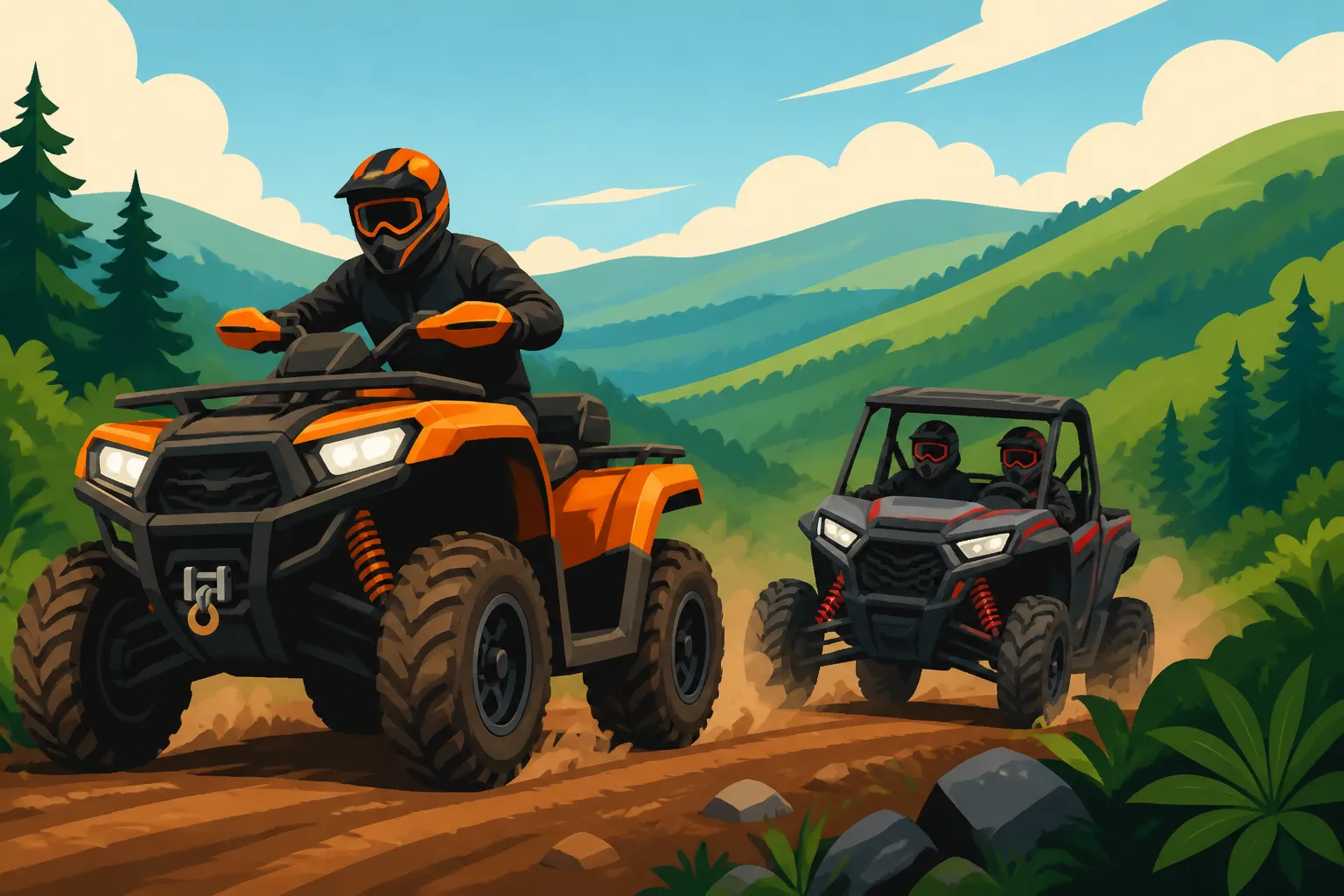
The section connecting Pocahontas to Boissevain generally consists of a mix of wider, graded dirt and gravel roads, alongside some narrower, more technical trail sections. You'll likely encounter a good amount of forest canopy, offering shade on hotter days, but also meaning potential mud and water crossings after rain. This isn't usually a flat, straight shot; expect rolling hills, some moderate climbs, and descents that will keep you engaged. It’s a fantastic way to experience the Appalachian foothills, often less technical than some of the dedicated black-diamond trails, but still requiring attention and a capable machine. Riders often remark on the feeling of remoteness and immersion in nature, even as they are linking between two communities.
Key Points and Potential Challenges
One common question from riders is whether this connector includes any road sections that require careful navigation or adherence to specific rules. While Spearhead Trails are designed to keep you off public highways as much as possible, some connectors might involve brief, designated road crossings or shared-use roads. Always be aware of your surroundings, watch for signage, and understand that [Virginia's 25 mph Coalfield Road Limit] applies if you find yourself on any public road section, even if it's just to cross.
It’s also crucial to remember that this is active mountain terrain. You might encounter sections with loose rocks, especially on climbs or descents, or areas where fallen leaves can obscure obstacles during the fall and winter. The good news is that these trails are generally well-maintained by the Spearhead authority. However, unexpected rain can quickly turn a dry trail into a muddy challenge, making a winch a very wise addition to your machine. For instance, many riders equip their UTVs with winches from brands like SuperATV, which can be a lifesaver if you find yourself stuck in a tricky spot or need to help a friend. Knowing [Riding the Pocahontas Trail on Bill Young Mountain] means understanding its variations, and the Boissevain connector adds another layer to that experience.
Essential Gear and Preparation for This Segment
Hitting the trails, especially on a longer connecting route like the one between Pocahontas and Boissevain, requires more than just a full tank of gas. Being prepared means you can focus on the fun and scenery, rather than worrying about breakdowns or getting caught off guard. Let's talk about what you absolutely need and what would be really smart to have.
Must-Have Safety Equipment
First and foremost, safety is non-negotiable. Every rider, regardless of age or experience, needs a proper DOT-approved helmet. This isn't just a suggestion; it's the law on Virginia trails. Eye protection is also critical to shield you from dust, flying debris, and even low-hanging branches. Think about sturdy riding boots that protect your ankles, long pants, and a long-sleeved shirt to guard against scrapes and sun exposure. Gloves are also a great idea for grip and protection. For more on this, check out [Virginia Helmet and Eye Protection Rules on Trail].
Beyond personal gear, your machine needs to be in tip-top shape. Check your tires for proper inflation and tread, ensure your brakes are responsive, and confirm all lights (headlights, taillights) are working. A spark arrester is also required on most public trails to prevent wildfires.
Recommended Tools and Supplies
Packing a small but comprehensive tool kit can be a game-changer. Think basic wrenches, a tire plug kit, a portable air compressor, zip ties, and duct tape for quick fixes. A first-aid kit is absolutely essential – minor cuts and scrapes are common on the trail.
For the variable terrain you'll encounter on the Pocahontas to Boissevain connector, consider tire upgrades. Aggressive tread patterns can make a huge difference in mud and over rocky sections. Many riders swear by aftermarket tires designed for specific off-road conditions, such as those offered by SuperATV, which are known for their durability and grip. Skid plates are also a smart investment, protecting the underside of your machine from rocks and stumps.
Don't forget essentials like a fully charged phone (though cell service can be spotty in the mountains, so a paper map is a wise backup!), plenty of water, and some high-energy snacks. A small cooler with drinks and lunch can make a long day much more enjoyable. And as mentioned, a winch is a fantastic piece of recovery gear, especially if you're riding solo or with a small group. For a detailed rundown of what to consider, you might find [Packing for Mountain Weather] helpful, as the Appalachians can be unpredictable!
What to Expect on the Trail: Terrain, Scenery, and Challenges
Riding the trail between Pocahontas and Boissevain offers a true taste of Southwest Virginia's natural beauty and the thrill of off-road adventure. It's a journey that combines diverse terrain with stunning vistas, but it also comes with its own set of challenges that every rider should be prepared for.
Diverse Terrain and Riding Conditions
As you traverse this connector, you'll experience a dynamic landscape. Expect a mix of hard-packed dirt, loose gravel, and potentially muddy sections, especially after a good rain. There will be moderate inclines and declines, offering varied challenges for your machine and your riding skills. Some sections might be wider, allowing for comfortable cruising, while others could narrow into tighter, winding paths through dense forest, requiring more precise handling.
The trail surface can also change with the seasons. In spring, expect lush greenery and possibly more mud. Summer brings warmer temperatures and drier conditions, though sudden thunderstorms can always change things quickly. Fall is arguably the most beautiful time, with vibrant foliage creating breathtaking tunnels of color, but fallen leaves can hide obstacles. Winter, while offering stark beauty, can bring slick conditions from ice or snow, making some sections significantly more challenging. It's always a good idea to check [Virginia Trail Conditions Before You Haul] for any recent advisories.
Scenery and Wildlife Encounters
The scenery along this route is undeniably one of its biggest draws. You'll be immersed in the rolling Appalachian mountains, with towering trees, hidden creeks, and occasional clearings that offer panoramic views of the surrounding valleys. Keep an eye out for local wildlife; deer, turkeys, and various bird species are common sightings. While black bears are present in the region, they are usually shy and avoid human contact, but it's always wise to be aware of your surroundings. The natural beauty here provides a peaceful contrast to the roar of your engine, reminding you why we love getting out into the wild.
Navigational and Physical Demands
While the Pocahontas to Boissevain connector is generally not rated as "expert-only," it does demand a certain level of riding skill and physical stamina. You'll need to be comfortable with throttle control on uneven surfaces, navigating tight turns, and managing your machine on inclines and declines. The length of the ride also means you should be prepared for several hours in the saddle, so good hydration and regular breaks are key.
Navigational challenges primarily involve paying attention to trail markers and signage. Spearhead Trails are generally well-marked, but having a trail map (digital or paper) is highly recommended, especially in areas where trails intersect. For those driving side-by-sides, remember that [Virginia Rules for a Side-by-Side Driver] are similar to ATV rules, but always be mindful of your machine's width, particularly on narrower sections. This journey, especially if combined with other trails, can easily become a full-day adventure, so plan your fuel stops accordingly, as services might not be immediately available on the trail itself.
Local Regulations and Trail Etiquette for a Smooth Ride
Riding the trails between Pocahontas and Boissevain is an amazing experience, but it’s crucial to remember that we’re guests in this beautiful environment. Adhering to local rules and practicing good trail etiquette ensures everyone has a safe and enjoyable time, and helps preserve these trails for future generations.
Permit Requirements and Operating Hours
Before you even think about putting tires to dirt, you absolutely must have a valid Spearhead Trails permit. This isn't optional; trail rangers frequently check for permits. You can usually purchase annual or multi-day permits online or at various vendors in the trail towns. These permits are crucial for funding the maintenance and expansion of the trails, so it's money well spent. Remember, [Virginia Spearhead Trail Permits] are distinct from National Forest permits, so make sure you have the right one for the Spearhead system.
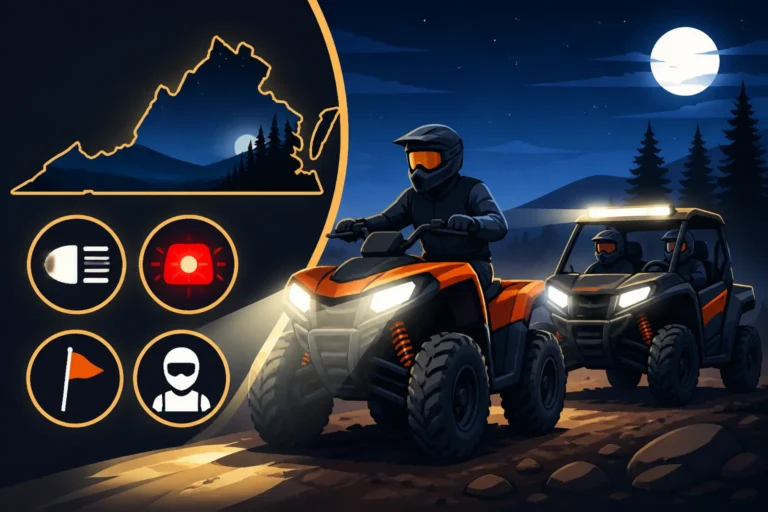
Generally, Spearhead Trails operate from sunrise to sunset. Riding after dark is typically not permitted, unless specifically designated for an event. Always respect these hours; it's not just about safety, but also about minimizing disturbance to wildlife and local residents.
Speed Limits and Trail Difficulty
While it might be tempting to open up the throttle on a clear stretch, remember that there's a strict [Virginia's 25 mph Trail Speed Limit] on all Spearhead Trails. This limit is in place for safety, as conditions can change rapidly and blind turns are common. Riding within this limit allows you to react to unexpected obstacles, other riders, or wildlife.
The trails themselves are rated for difficulty, usually with green for easy, blue for intermediate, and black for difficult. Pay attention to these ratings and choose trails that match your skill level and your machine's capabilities. Don't push yourself or your equipment beyond its limits; there's no shame in sticking to the blues if the blacks are too much. Understanding [Virginia Trail Difficulty Ratings] is key to a safe and enjoyable trip.
Environmental Responsibility and Respect for Others
Part of being a responsible rider is respecting the environment. That means staying on marked trails, never riding off-trail, and packing out everything you pack in – leave no trace. Littering is not only unsightly but harmful to wildlife. Be mindful of dust, especially when riding past homes or other trail users, and slow down to minimize its impact.
When encountering other riders, always yield to uphill traffic and show courtesy. A simple wave or a nod goes a long way. If you come across horses or hikers, slow down, give them plenty of space, and be prepared to stop if necessary; they might not be used to motorized vehicles. In the event of an accident or breakdown, offer assistance if you can safely do so. This kind of camaraderie is a hallmark of the off-road community. For a deeper dive into local expectations, take a look at [Virginia Trail Etiquette Locals Expect].
Disclaimer
This article is for general informational purposes only and does not constitute professional advice. Laws, prices and regulations vary by location and change over time. Consult a qualified professional for guidance on your specific situation.