Virginia Requires Written Landowner Consent
One of the biggest headaches for ATV and UTV riders in Virginia isn't finding a machine or even learning the ropes; it's figuring out where you can actually ride without getting into trouble. Many new riders, and even some experienced ones, mistakenly think that if land isn't explicitly posted with "No Trespassing" signs, it's fair game. This often leads to awkward confrontations, legal fines, and damaged relationships with property owners. This guide will walk you through the critical requirement of written landowner consent in Virginia, helping you understand the law, secure proper permission, and enjoy your off-road adventures responsibly.
Why Landowner Consent is a Non-Negotiable in Virginia
It can be incredibly frustrating to invest in a great ATV or UTV, outfit it with all the right gear – maybe some durable SuperATV skid plates or a new winch – only to find that your riding options are severely limited. Unlike some states where implied consent or simple verbal agreements might be overlooked, Virginia takes land access seriously. This isn't just about avoiding a "No Trespassing" sign; it's about respecting private property rights, which are deeply ingrained in the state's legal framework and cultural fabric, especially in rural areas where off-road riding is most popular.
Protecting Private Property Rights
Virginia's approach to land use reflects a strong emphasis on property owners' rights. This means that access to private land is not a given; it must be granted. For an ATV or UTV rider, this translates directly into the need for explicit permission. If you're out riding on land that doesn't belong to you, and you haven't received permission, you're essentially trespassing, whether you meant to or not. This applies whether the land is a sprawling timber tract, a quiet family farm, or even a small wooded parcel adjacent to a public road. The law makes no distinction based on the size or perceived "use" of the land – if it's private, you need permission.
Imagine you've just bought a new side-by-side and are eager to try it out. Your neighbor mentions a vast, undeveloped tract behind their property that "nobody really uses." Without thinking twice, you head out, enjoying the open space. Suddenly, a property owner approaches, clearly upset. They might not have posted signs, but the land is theirs, and your presence is unwelcome. This scenario is all too common, and it can quickly escalate. The state code gives landowners the authority to protect their property from unauthorized use, including off-road vehicles. This is why having that consent in your hand is more than just a polite gesture; it's your legal shield.
Avoiding Legal Penalties and Fines
The consequences of riding on private land without permission in Virginia can be swift and costly. While it might seem like a minor infraction to some, trespassing can lead to significant legal troubles. You could be facing civil penalties, which means fines, and potentially even criminal charges depending on the specifics of the situation, the landowner's intent to prosecute, and any damage caused. These aren't just slaps on the wrist; they can hit your wallet hard and create a legal record.
Let's say you're riding with a friend on what you believed was an abandoned logging trail. An officer, responding to a landowner's call, stops you. Even if you explain you didn't see any signs, the burden of proof is on you to demonstrate you had permission. Without [Virginia Written Consent on Private Land] the officer may issue a citation. The penalties for illegal riding can reach up to $500, and that's before any court costs or restitution for damages to property, fences, or crops. It's a stark reminder that ignorance of the law is no excuse. This is why many experienced riders will tell you that the most important piece of gear you can carry is a copy of your signed permission slip.
Understanding the Virginia Code: What the Law Actually Says
Virginia's legal framework for off-road vehicle use on private land is pretty clear-cut, especially when it comes to the need for permission. The state code doesn't leave much room for ambiguity. It's not about "if" you need permission, but "how" that permission needs to be granted to be legally valid and protective for both the rider and the landowner.
The Specifics of Virginia Code § 29.1-509
At the heart of Virginia's landowner consent rules is Virginia Code § 29.1-509, which generally states that it is unlawful for any person to hunt, fish, trap, or "ride or drive an all-terrain vehicle" on the lands of another without the consent of the landowner or his agent. This statute is broad and covers much more than just hunting and fishing; it explicitly includes ATVs. The key phrase here is "without the consent of the landowner or his agent." This means unless you have explicit permission from the person who owns the land or someone they've authorized to grant permission, you shouldn't be riding there.
This law is not designed to punish innocent mistakes, but rather to establish a clear boundary for land use. If you're approached by law enforcement or a landowner, merely stating you didn't know you needed permission isn't going to hold up. The code places the responsibility squarely on the rider to ensure they have the proper authorization. This specific code is often the basis for any citations or legal actions related to trespassing on ATVs. It's a fundamental piece of [Virginia Trespass Law for Riders] that every off-road enthusiast in the Commonwealth should be intimately familiar with.
The Nuance of "Written" vs. "Verbal" Consent
While the code broadly mentions "consent," the practical reality, especially for your protection, is that written consent is almost always preferred and often implicitly required for full legal defense. Verbal consent, while technically valid under some interpretations of the general trespassing statute, can be incredibly difficult to prove if there's ever a dispute. It's a "he said, she said" situation, and guess who usually loses in court? The person who can't provide tangible evidence.
Imagine a scenario where a landowner casually tells you at a barbecue, "Yeah, go ahead and ride the back forty whenever you want." You take them at their word, and for a few months, everything is fine. Then, the landowner sells the property, or perhaps has a falling out with you, or simply forgets the conversation. When the new owner or the now-unfriendly original owner sees you riding, they call the sheriff. Without a written document, your verbal "permission" becomes meaningless in the eyes of the law. This is why seasoned riders and legal experts alike will always advise you to get it in writing. It formalizes the agreement, creates a clear record, and protects both parties. It also removes any doubt about the scope of the permission, such as specific dates, times, or areas where riding is allowed.
What "Written Consent" Really Means
Just saying "written consent" sounds simple enough, but what exactly does that entail? It's more than just a scribble on a napkin. To be truly effective and protective, a written consent form needs to be clear, specific, and legally sound. It's your official pass, and it should leave no room for misunderstanding.
Essential Elements of a Valid Consent Form
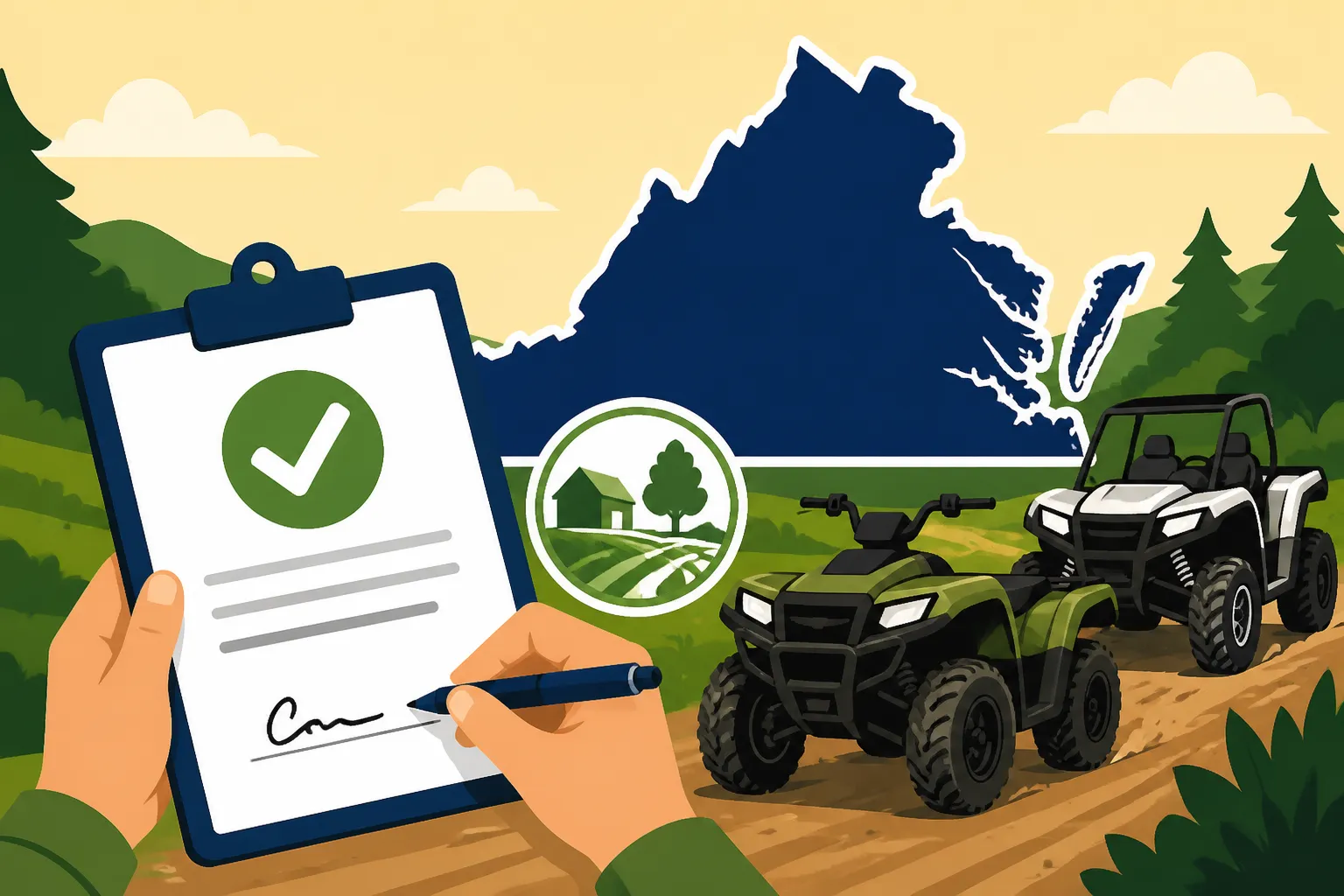
A robust written consent form should ideally include several key pieces of information to make it truly effective. Think of it as a mini-contract between you and the landowner. First and foremost, it needs to clearly identify who is granting permission (the landowner's full name, address, and contact information) and who is receiving permission (your full name, address, and contact information). Secondly, the specific land being accessed must be clearly described. This could be a parcel number, a street address, or a detailed description using landmarks or property boundaries. Vague references like "the land behind my house" are not sufficient.
Third, the scope of permission is crucial. This includes specifying what activities are permitted (e.g., ATV riding, hunting, hiking), when access is allowed (e.g., specific dates, times of day, or a duration like "one year from date of signature"), and where on the property (e.g., "all trails on the east parcel," or "the area north of the creek"). It should also state any restrictions or conditions, such as "no night riding," "stay on marked trails," "no passengers," or "no littering." Finally, and most importantly, both the landowner and the rider must sign and date the document. While not always legally required for validity, getting it notarized can add an extra layer of authenticity and prevent future disputes about signatures. This comprehensive approach minimizes ambiguity and maximizes your protection.
Scenarios Where Written Consent is Crucial
There are countless real-life situations where having that written consent is not just good practice, but absolutely crucial. Consider a scenario where you've been given permission by a landowner who then passes away. The property might go to heirs who are unaware of your agreement or simply don't wish to honor it. A written, dated consent form provides a strong basis for discussion, even with new owners, showing that a formal agreement existed. Without it, you're back to square one, often in a more difficult situation. [Virginia Titles for an Inherited Machine] involves its own complexities, and access rights are no different.
Another common scenario involves timber company lands. Many timber companies own vast tracts of land that they sometimes allow public access to for recreational purposes, but usually with very strict rules and often requiring formal permits or written agreements. Simply seeing an unmarked logging road doesn't mean you can ride your ATV on it. These companies often have agents or specific departments that handle recreational access, and they will almost certainly require a written agreement outlining the terms of use. Without this, you could easily find yourself in violation of their policies, facing penalties from the company or local law enforcement. Even if you're riding with friends and one person claims to have permission, always ensure you have your own copy of the written consent.
Navigating Different Types of Land
Not all land is created equal when it comes to ATV and UTV access. Virginia offers a mix of private, public, and commercially managed lands, each with its own set of rules and, critically, its own requirements for permission. Understanding these distinctions is key to responsible riding and avoiding unwanted encounters.
Private Lands: Farms, Timber Tracts, and Residential Parcels
The vast majority of land in Virginia is privately owned, encompassing everything from sprawling agricultural operations and dense timber tracts to smaller residential properties and undeveloped wooded lots. As discussed, all private land requires explicit permission from the owner before you can ride your ATV or UTV on it. This rule applies universally, regardless of how remote or "unused" the land might appear. A farmer's fields, even fallow ones, are private. A timber company's managed forests are private. Your neighbor's undeveloped back forty is private.
When dealing with private landowners, building a good relationship is often the first step. Many landowners are open to granting access, especially if you demonstrate respect for their property, offer to help with small tasks, or even offer a small fee. However, always formalize any agreement with written consent. For instance, if you want to ride on a local farm, approach the farmer, explain your intentions, and be prepared to sign an agreement outlining your responsibilities, like staying clear of livestock, closing gates, and avoiding crops. This kind of mutual respect and clear documentation, potentially including a liability waiver, protects both you and the landowner. You can even find specific exemptions in the code for [Virginia Farming and Household Exceptions] related to how ATVs are used, but access to the land itself still hinges on permission.
Public Lands: National Forests and State Parks
Public lands in Virginia, such as National Forests (like the George Washington and Jefferson National Forests) and some state parks, operate under a different set of rules. Here, the challenge isn't necessarily getting individual landowner consent, but rather understanding the specific regulations governing off-highway vehicle (OHV) use. Most Virginia State Parks Ban ATVs outright, meaning you cannot ride them there at all. National Forests, however, often have designated OHV trail systems where riding is permitted, but usually with permits and strict adherence to rules.
For example, the George Washington National Forest hosts popular trails like Peters Mill Run and Taskers Gap. To ride here, you'll need to purchase a [Virginia National Forest OHV Permits]. These permits are typically daily, multi-day, or annual, and they fund the maintenance of the trails. Crucially, these areas also have rules regarding machine width, noise limits, spark arresters, and season closures. You can't just show up and expect to ride anywhere in the forest; you must stick to designated, marked trails. Always check the specific forest district's website or contact them directly for the most current regulations and trail status before you haul your machine out. This type of public access is a fantastic resource, but it comes with its own set of responsibilities and rules that differ significantly from private land access.
Commercial Trail Systems: Spearhead Trails
Virginia is fortunate to have a growing network of commercial trail systems, most notably the Spearhead Trails in the southwestern part of the state. These systems, like Coal Canyon, Mountain View, and Jawbone, offer hundreds of miles of managed, legal riding. Here, consent is granted through the purchase of a permit. You're not asking an individual landowner for permission; you're buying a right to access a managed system.
To ride on Spearhead Trails, you'll need to purchase a [Virginia Spearhead Trail Permits]. These can be annual, three-day, or youth permits, and often come with discounts for residents of certain coalfield counties. When you purchase a permit, you're implicitly agreeing to abide by the system's rules, which include things like speed limits, helmet requirements, age restrictions, and ensuring your machine meets certain safety standards. For instance, Spearhead requires working seatbelts and a factory cage for side-by-sides. These systems are a fantastic option because they remove the ambiguity of private land access and provide a legal, enjoyable place to ride. Many riders find that investing in a Spearhead permit is a no-brainer, allowing them to freely explore vast tracts of stunning Appalachian scenery without the worry of trespassing.
Building Relationships and Trust for Access
Securing written landowner consent often starts long before a pen even touches paper. It begins with building trust, demonstrating respect, and understanding the landowner's perspective. In rural Virginia, relationships mean a lot, and a positive interaction can open doors that legal documents alone might not.
Approaching Landowners with Respect
When you approach a landowner about riding your ATV or UTV on their property, your demeanor is everything. Start with respect and a clear understanding of their concerns. Many landowners are wary of off-road riders due to past negative experiences: littering, property damage, noise, or disregard for privacy. Your goal is to show them you are different. Introduce yourself clearly, state your intentions, and be prepared to answer questions. Don't just show up unannounced with your quad on a trailer; try to make an appointment or catch them at a convenient time.
Offer to walk the property with them to discuss where you'd like to ride and any areas they'd prefer you avoid. Emphasize that you will "tread lightly," stick to trails, pick up any trash (even if it's not yours), and report any issues you notice on their land, like fallen trees or suspicious activity. Sometimes, offering to help with a small task, like moving firewood, checking fences, or even just offering a polite conversation, can go a long way. This is also a good time to demonstrate your machine's condition; a well-maintained ATV equipped with quality parts, perhaps from a brand like SuperATV, suggests a responsible owner. Show them you're a good steward, not a nuisance, and you're far more likely to get a positive response.
Offering Value or Addressing Concerns
Beyond just being polite, consider what you can offer a landowner in exchange for access, or how you can proactively address their potential concerns. Liability is often a major worry for landowners. They fear that if you get hurt on their property, they could be sued. You might offer to sign a liability waiver, which, while not bulletproof, can offer some protection to the landowner. You could also carry personal liability insurance for your ATV, and mention this as an added layer of security for them. [Virginia Requires No ATV Insurance] by law, but carrying it can be a great way to put a landowner's mind at ease.
Other forms of "value" could be more practical. For a farmer, you might offer to help clear brush from fence lines, transport tools across muddy fields, or check on livestock using your UTV. For a timber company, you could report illegal dumping or monitor for wildfires. For any landowner, simply being a watchful presence on their land, acting as an extra set of eyes, can be a valuable service. These aren't demands, but rather ways to build a mutually beneficial relationship. The more a landowner sees you as a responsible partner rather than just someone who wants to play on their land, the more likely they are to grant long-term access.
Consequences of Riding Without Permission
Riding an ATV or UTV in Virginia without proper landowner consent isn't just a minor etiquette breach; it carries real, tangible consequences that can range from a stern lecture to significant legal and financial burdens. It's crucial to understand these risks before you decide to take a chance.
Legal Penalties and Fines
As mentioned earlier, Virginia law is clear: riding an ATV on another's land without permission is trespassing. The penalties can be substantial. Under Virginia Code § 18.2-132, unlawful entry can result in a Class 1 misdemeanor, which carries a potential jail sentence of up to 12 months, a fine of up to $2,500, or both. While an ATV trespass might typically be handled with a civil penalty, depending on the circumstances (e.g., repeated offenses, damage to property, aggressive behavior), criminal charges are absolutely a possibility. [Virginia's Civil Penalty for Illegal Riding] often sets the stage, but it can escalate.
Imagine you're out riding with a few buddies on what you thought was just an old trail. A local resident who owns the property calls the sheriff. When the officer arrives, they explain the law and issue you a citation. You're now facing a court date, potential fines, and the hassle of legal proceedings. This isn't just a one-time thing; this record could follow you. Moreover, if your machine is involved in any damage, you could be on the hook for restitution, meaning you pay for repairs to fences, crops, or other property. These aren't just hypotheticals; they are real consequences that riders in Virginia have faced.
Damaged Reputation and Loss of Future Access
Beyond the legal and financial ramifications, riding without permission can severely damage your reputation as a rider and, more broadly, the reputation of the entire off-road community. When one rider acts irresponsibly, it can unfortunately paint all riders with the same brush. Landowners who have a bad experience with unauthorized riders are far less likely to grant permission to anyone in the future, even to responsible individuals. This makes it harder for everyone to find legal places to ride.
Consider a local community where a few riders constantly disregard "No Trespassing" signs or leave trash on private land. Word travels fast in rural areas. Soon, every landowner in the area becomes wary, and doors that might have once been open to respectful riders are slammed shut. This not only affects you but also impacts local ATV clubs and organizations that work hard to foster positive relationships and expand riding opportunities. By riding responsibly and always obtaining consent, you contribute to a positive image for the sport, helping to secure access for future generations of riders.
Smart Practices for Securing and Documenting Consent
Securing permission is one thing, but making sure it's properly documented and easily accessible is another. Smart riders take proactive steps to ensure their consent is solid and always at hand, minimizing any potential for misunderstanding or legal trouble.
Creating a Standard Consent Form or Letter
Don't just rely on a verbal agreement or a hastily scribbled note. Consider creating a standard consent form or letter that you can present to landowners. This shows professionalism and thoughtfulness. Your form should include all the essential elements discussed earlier: landowner's name and contact, rider's name and contact, detailed property description, specific dates/duration of access, permitted activities, any restrictions (e.g., "stay on marked trails," "daylight hours only"), and liability waivers. Leave space for both parties to sign and date, and suggest notarization if possible.
You can find templates online for landowner permission forms that you can adapt to Virginia's context. Having a pre-prepared form makes the process easier for the landowner too; they just need to review it, fill in a few details, and sign. Always make multiple copies: one for the landowner, one for your records at home, and one to carry with you when you ride. This way, if you're ever stopped, you can immediately produce verifiable proof of permission. This preparedness can turn a potentially tense encounter into a quick confirmation, letting you get back to enjoying your ride.
Carrying Your Documentation When You Ride
This might seem obvious, but it's a step many riders overlook: always carry your written consent with you when you ride. It's just as important as your helmet or your SuperATV GPS unit. Whether you print it out and laminate it, or keep a digital copy on your phone (along with a charged battery!), make sure it's accessible. If a landowner or law enforcement officer questions your presence on private land, being able to immediately produce a signed document will speak volumes.
Think about it: you're stopped on a remote trail. The officer asks why you're there. Saying "I have permission, but it's at home" won't cut it. Being able to pull out a document that clearly shows the landowner's signature and the property details instantly resolves the issue. This not only saves you from potential fines or citations but also demonstrates your commitment to responsible riding. It builds trust, both with individual landowners and with the broader community, showing that you are a respectful and law-abiding off-road enthusiast. Always keep it in a waterproof bag or pouch to protect it from the elements.
Alternative Riding Opportunities When Private Land Isn't an Option
Even with the best intentions and the most respectful approach, sometimes securing private landowner consent isn't possible. The good news is that Virginia offers other fantastic, legal avenues for ATV and UTV riding, so you don't have to hang up your helmet.
Exploring Publicly Managed OHV Trails
As mentioned, Virginia's National Forests are home to designated OHV trail systems. The Peters Mill Run OHV Trails in Virginia and the Taskers Gap system in the George Washington National Forest are prime examples. These trails are specifically designed and maintained for off-road vehicles and offer a legal, regulated environment for riding. You'll need to purchase a National Forest OHV permit, which is usually quite affordable, and adhere to specific rules regarding vehicle type, width, and operating hours. [Virginia Forest Permits at $5, $12 and $30] make this an accessible option.
These trails provide a different kind of riding experience than private land, often with stunning scenery, varied terrain, and clear signage. While they might have width restrictions (Taskers Gap, for instance, caps machines at 50 inches wide for certain trails), they are a reliable and legal option. Always check the specific rules for each system, including any seasonal closures (Peters Mill Run closes mid-January through mid-March annually), and obtain your permit before you arrive at the trailhead, as kiosks aren't always available on-site.
Discovering Virginia's Commercial Trail Systems
For those looking for extensive mileage and a dedicated off-road experience, Virginia's commercial trail systems, particularly the Spearhead Trails, are an excellent choice. These professionally managed networks, such as Coal Canyon Trail System in Virginia and Mountain View Trail System in Virginia, offer hundreds of miles of diverse trails, catering to all skill levels from beginner to advanced. They are a safe, legal, and well-maintained alternative to navigating private property permissions.
Access to Spearhead Trails requires a permit, which can be purchased online. They offer annual and three-day options, with discounts for residents of participating counties. With a Spearhead permit, you gain access to multiple trail systems across southwestern Virginia, providing endless exploration. These trails are patrolled by rangers who ensure compliance with rules, including helmet use, manufacturer age recommendations, and responsible riding. It’s a fantastic way to enjoy your machine on vast, scenic trails without the constant worry of trespassing. You can find more details on [Virginia Spearhead Trail Permits] and plan your trip.
Summary of Key Land Access Rules for Virginia Riders
To bring it all together, here's a quick overview of the crucial land access rules for ATV and UTV riders in Virginia. This isn't exhaustive, but it covers the main points you need to remember to stay legal and safe.
| Land Type | Access Requirement | Key Considerations |
|---|---|---|
| Private Land | Written consent from landowner (or agent) is mandatory. | – Verbal consent is risky and hard to prove. – Be respectful, build relationships, and offer value. – Get all details in writing: property description, dates, allowed activities, restrictions. – Carry your written consent at all times. – Liability waivers recommended. |
| National Forests | Designated OHV trail permit required. | – Ride only on marked, authorized trails. – Purchase a valid National Forest OHV permit. – Adhere to specific rules: width limits, spark arresters, noise limits, seasonal closures. – Check forest district websites for current info. |
| Virginia State Parks | ATVs generally banned. | – Most state parks do not allow ATVs or UTVs. – Always verify specific park regulations before planning a trip. |
| Commercial Trails | System-specific permit required (e.g., Spearhead). | – Purchase a valid permit for the specific trail system. – Adhere to system rules: speed limits, helmet requirements, age restrictions, machine standards (e.g., factory cage/seatbelts for UTVs). – Digital permits are common; carry proof of purchase and photo ID. |
| Public Roads/Highways | Generally prohibited for ATVs/UTVs. | – With very limited exceptions (e.g., specific coalfield routes in Buchanan and Tazewell counties, farm use), ATVs are banned from public roads. – [Virginia Bans ATVs on Public Highways]. |
Remember, staying informed and respectful is your best defense against fines and ensures a positive future for off-road riding in Virginia.
Disclaimer
This article is for general informational purposes only and does not constitute professional advice. Laws, prices and regulations vary by location and change over time. Consult a qualified professional for guidance on your specific situation.