Registered Trucks Are Allowed Only on Certain Systems
A truck’s road registration does not automatically make it welcome on every Virginia off-road trail. Access depends on the specific trail system, route, vehicle rules and permit. If you plan to take a registered truck onto the trails, confirm the system allows full-size vehicles before you load up; an ATV permit or another system’s rules may not cover it.
What “registered truck” means on an off-road trail
In this context, a registered truck generally means a full-size, four-wheel-drive vehicle that is registered for road use—not an ATV or side-by-side with a title, and not a truck that is simply capable of going off-road. A system may distinguish these vehicle types because full-size vehicles need wider routes and can create different safety and maintenance concerns.
Registration alone is not permission to ride. The trail operator may also set requirements for which routes trucks can use, what vehicle equipment is acceptable, and which permit applies. Some routes may be for ATVs and side-by-sides only, even inside a broader network where trucks are accepted elsewhere.
That distinction matters when reading trail information. A statement that a system has off-road trails does not necessarily mean every trail is open to every vehicle. And a general trail map may not show every restriction clearly enough to plan a truck trip. Look for rules and maps that name full-size vehicles, registered four-wheel-drive vehicles, Jeeps or trucks specifically.
Jawbone, near Richlands, is a Virginia system to investigate if you want to ride a Jeep or full-size 4×4. Its truck access should not be treated as permission to take the same vehicle onto other systems. For more context, see Jawbone at Richlands Lets Jeeps on the Trail and Virginia Systems That Allow Jeeps.
| Question | What to confirm |
|---|---|
| Is this system open to full-size vehicles? | Check the operator’s current vehicle rules, not just a general description of the area. |
| Can trucks use the whole system? | Find out whether access is limited to particular routes or sections. |
| Does road registration qualify? | Ask what proof of registration or other vehicle documents are required. |
| Which permit applies? | Confirm the permit covers the truck and the specific system. |
| Are there vehicle or equipment limits? | Check for width, safety equipment, or other restrictions before setting out. |
| Is the route open on the day of your trip? | Confirm closures, conditions and operating hours with the trail operator. |
Where a truck may ride
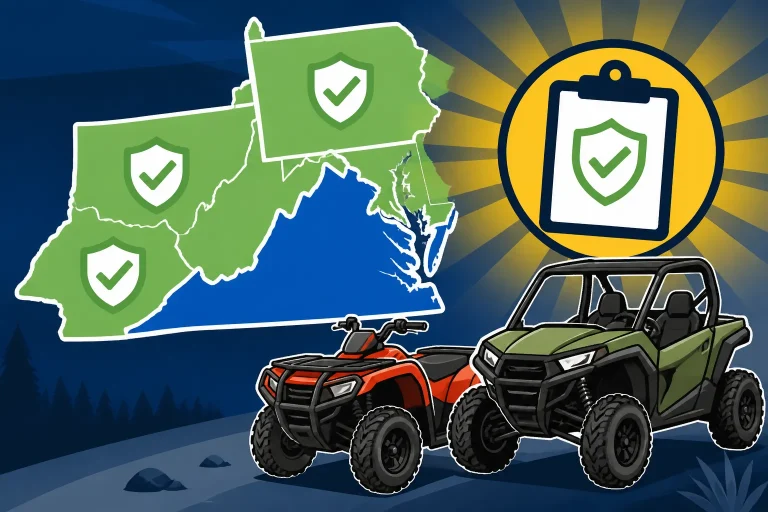
Virginia trail access is system-specific. Even if two riding areas are nearby or connected by a broader regional trail network, their vehicle permissions may differ. A route open to a registered truck on one system does not become truck-accessible just because it appears close to another route on a map.
For that reason, plan around the exact system and trail, not a general destination name. If you are considering Jawbone, confirm which portions are open to your type of truck and whether there are route-specific restrictions. If you are considering another Spearhead system, check that system’s current vehicle rules separately. The broader Virginia Trails That Allow Full-Size Rigs topic can help you compare options, but the operator’s current map and rules are the final check for a particular trip.
Do not assume that a road shown on a map is an off-road route open to public use. A route may be a connector, access road, private road or section with limited vehicle access. Follow marked routes and posted signs, and turn around if the route is closed or does not match the permitted vehicle type.
A truck may also be too large for a route even if the system allows some full-size vehicles. “Truck access” is not a guarantee that every pickup, modified 4×4 or vehicle with accessories will fit. Ask about the vehicle dimensions the operator accepts and any route-specific limits. For side-by-sides, which are classified and managed differently from trucks, see Virginia Trail Rules for a Side-by-Side.
Before towing to a trailhead, confirm the current map and access details directly with the operator. Trail conditions, maintenance work, weather and closures can affect what is open. A previous visit or an old map is not a dependable substitute for a current check. Virginia Trail Conditions Before You Haul covers other practical checks to make before a mountain drive.
Permits and reciprocity do not travel with the truck
A truck being registered for road use does not mean its owner has a permit for an off-road trail. Likewise, a permit purchased for one trail system does not automatically grant access to another. Treat road registration, trail permission and trail-system permits as separate requirements.
If the truck will be used on a Spearhead system, verify that the correct permit covers that system and vehicle type. If your plans include more than one network, ask whether each needs its own permit. Spearhead and Hatfield-McCoy, for example, do not share a single permit; check Two Networks That Do Not Share Permits and Hatfield-McCoy and Spearhead Still Sell Separate Permits before planning a cross-system trip.
Reciprocity can be confusing because riders often use the word to mean different things. They may be asking whether a permit from a neighboring state is accepted, whether a vehicle’s registration is recognized, or whether one local permit works across multiple trail networks. Those are separate questions. Ask the operator specifically whether your truck’s registration meets its vehicle rule and whether your trail permit is valid there.
For a visiting driver, a registration from another state is not a reason to assume access is either allowed or denied. Confirm the system’s requirements for out-of-state vehicles and riders. Virginia Rules for an Out-of-State Machine can help with the broader state context, but the off-road system’s vehicle and permit rules still matter.
When you contact the operator, give useful details rather than asking only whether trucks are allowed. Say what kind of vehicle you have, whether it is road-registered, whether it is modified, and which trail system you want to visit. Ask whether the vehicle is accepted, which routes are available, what documents to carry and what permit to buy. For permit-specific questions, Virginia Spearhead Trail Permits is a useful starting point.
A pre-trip check for truck riders
A few targeted checks can prevent a long haul to a trailhead only to find that your vehicle, permit or chosen route is not eligible.
- Name the exact trail system. Do not rely on a county, town or general regional label. Identify the system you intend to ride.
- Confirm full-size vehicle access. Ask whether registered trucks or full-size 4x4s are allowed, and whether access is limited to specific routes.
- Check your truck against the rules. Ask about acceptable vehicle types, dimensions and required safety equipment. Do not assume a pickup is treated like a side-by-side.
- Confirm registration and documents. Find out what proof of road registration or other paperwork to bring. Keep required documents accessible during the trip.
- Buy the correct permit. Verify that it covers the specific system, vehicle category and dates you plan to ride. Do not assume an ATV permit or neighboring system’s permit applies.
- Review a current map and closure notice. Make sure your planned route is open to trucks, not merely open to some off-road vehicles.
- Check conditions shortly before leaving. Weather, trail work and closures can change access. Contact the trail operator if anything is unclear.
Keep the operator’s rules and map handy in whatever form works for your trip. A downloaded map or saved copy can be useful where cell service is poor, but do not rely on an old screenshot if a newer closure or route restriction has been posted. If a printed map is easier to use in the vehicle, bring one along with your permit information.
If an answer from a general information page is unclear, ask a system representative to confirm the exact route and vehicle category. The useful question is not just “Can trucks ride here?” but “Can this registered truck use these named routes on this system, with this permit?” For more questions to raise before a trip, see Questions Worth Asking a Spearhead Trail Office.
The practical rule is simple: truck access is a limited, system-level privilege, not a network-wide benefit of having road registration. Verify the system, route, vehicle conditions and permit as separate items. That small amount of planning is especially worthwhile when the trailhead is several hours away.
Disclaimer
This article is for general informational purposes only and does not constitute professional advice. Laws, prices and regulations vary by location and change over time. Consult a qualified professional for guidance on your specific situation.