How a Board of Supervisors Opens a Road to ATVs
It's incredibly frustrating, isn't it? You've got your ATV or UTV, you love hitting the trails, but then you encounter those stretches of county road that seem perfect for connecting two trail systems or just getting to a local store for supplies, only to remember they're off-limits. Virginia's laws around ATV and UTV use on public roads can feel incredibly restrictive, leaving many riders scratching their heads about how to legally navigate. This guide is going to break down the specific, legal pathway available through your local Board of Supervisors, explaining exactly how a county can open up certain roads for ATV and UTV use, and what riders need to know to make it happen.
The Uphill Battle: Why Most Virginia Roads Are Off-Limits to ATVs
If you’ve ever tried to take your ATV or UTV on a paved or even gravel public road in Virginia, you likely know the feeling of immediately hitting a legal wall. Unlike some other states where off-road vehicles have broader road privileges, Virginia has a pretty firm stance, and it can feel like a constant battle for riders just wanting to enjoy their machines responsibly.
The Statewide Ban on Public Highways
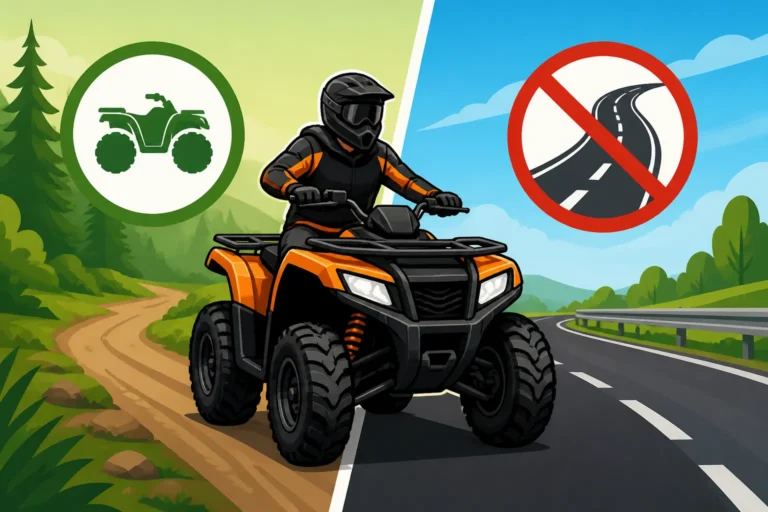
At its core, Virginia law is quite clear: [Virginia Bans ATVs on Public Highways]. This isn't just about interstates or four-lane roads; it extends to most public roads, highways, and even secondary roads maintained by the Virginia Department of Transportation (VDOT). The state's general rule is that these vehicles are not designed for highway use, and therefore, they are prohibited. This blanket ban can be a real headache for riders who live in rural areas and might need to travel a short distance on a public road to reach a trail system or a neighbor's property. It forces many to trailer their machines even for short distances, adding time, expense, and a layer of inconvenience to what should be a simple outing.
This restriction is rooted in safety concerns and the differing design standards for off-road vehicles versus on-road vehicles. ATVs and UTVs often lack the necessary safety features, such as turn signals, brake lights, and rearview mirrors, that are standard on street-legal vehicles. Their tires are also typically designed for off-road traction, not for optimal grip and handling on pavement at higher speeds. While some may argue that many UTVs, especially modern sport models, are practically small cars, the law doesn't differentiate in this general ban.
The Frustration of Unused Roads and Limited Access
One of the biggest frustrations for the ATV and UTV community is seeing perfectly good, often lightly traveled county roads that could easily connect riding areas, yet remain closed. In many rural counties, especially those with vast tracts of timberland, farming operations, or old mining roads, there are miles of gravel and dirt roads that see minimal vehicular traffic. Riders often look at these roads and wonder, "Why can't we use these?"
The current restrictions mean that access to some of Virginia's fantastic trail systems, like the Spearhead Trails, can sometimes be a puzzle. You might have to navigate complex routes on private land, or simply drive your truck and trailer much further than necessary, all because a few miles of county road act as an impenetrable barrier. This not only discourages casual riding but also limits the economic impact that ATV tourism could bring to small, often struggling, rural communities. Imagine being able to ride from your cabin rental directly to the trailhead, or to a small-town diner for lunch. The current setup often makes that dream impossible without a truck and trailer constantly in tow.
Distinguishing Between Crossing and Continuous Travel
It's important to understand a key distinction in Virginia law: the difference between crossing a public highway and riding on one. While the general ban on riding ATVs on public highways is strict, there is a very narrow exception for crossing. [Virginia Crossings by the Most Direct Route] allows an ATV to cross a public highway by the most direct route, provided the crossing is done safely, at roughly a 90-degree angle to the road, and the vehicle comes to a complete stop before entering the roadway.
However, this exception is not a loophole for continuous travel. You can’t ride a mile down a county road, then cross a highway, and then continue on another county road. The crossing provision is strictly for getting from one side of a road to the other, usually to access private property or a legal trail system. It’s a brief, necessary maneuver, not a means to extend your ride on public pavement. This distinction is often misunderstood, leading to potential fines and citations for riders who unknowingly push the limits. An officer seeing you cruising down a VDOT-maintained road, even for a short distance, can absolutely issue a citation for illegal riding. [Virginia Penalties for Illegal Riding] can be substantial, making it crucial to understand these nuances.
The Power of Local Governance: Enabling ATV Road Access
While the statewide ban on ATVs and UTVs on public highways is broad, Virginia law does provide a specific mechanism for local control in certain circumstances. This is where your local Board of Supervisors comes into play, holding the key to potentially opening up certain county roads for off-road vehicle use.
Understanding Virginia Code § 46.2-915.1
The specific legislative power lies within Virginia Code § 46.2-915.1. This section of the code carves out a very important exception to the general prohibition. It essentially states that local governing bodies — your county Board of Supervisors — have the authority to adopt ordinances permitting the operation of ATVs and UTVs on certain designated secondary highways or portions thereof within their jurisdiction.
This is a critical piece of legislation because it decentralizes the decision-making for some roads. Instead of a one-size-fits-all state rule, it allows counties to assess their unique geographical, economic, and community needs. For counties with significant outdoor recreation opportunities, this code section provides a pathway to foster tourism, enhance local economies, and give residents more options for responsible off-road vehicle use. It's not an open invitation to ride anywhere, but it's a very specific door that local communities can choose to open.
The Unique Authority of County Boards of Supervisors
Why the Board of Supervisors? Because they are the governing body closest to the local roads and the communities that use them. They understand the terrain, the traffic patterns, and the local sentiment better than state-level lawmakers. Their authority under § 46.2-915.1 is conditional, meaning they can't just open every road. Any ordinance they pass must:
- Designate specific roads or portions of roads: It can't be a blanket opening of "all county roads." The ordinance must name the exact routes.
- Impose reasonable restrictions: This can include speed limits (like [Virginia's 25 mph Coalfield Road Limit]), specific hours of operation (e.g., [Virginia Daylight Hours on a Road Trail]), or even vehicle requirements (like [Virginia Lighting Rules on a Road Trail] for dusk/dawn riding).
- Ensure proper signage: The designated routes must be clearly marked with signs informing motorists and riders that ATVs and UTVs are permitted. [Virginia Signs Paid For by a Club] often indicates how local groups partner with counties to implement this.
This careful balancing act ensures that while access is granted, public safety remains a priority. It's about creating controlled environments where ATVs can coexist with other traffic, not throwing open the gates indiscriminately. This authority is primarily for county boards; [Asking a Virginia Town Council to Open Streets] would involve a different set of considerations, usually for town-maintained roads, but the general principle of local control for specific routes remains.
Historical Precedent: Buchanan and Tazewell Counties
You don't have to look far to see this process in action. The two most prominent examples in Virginia are Buchanan and Tazewell Counties. These two counties, located in the heart of Virginia's coalfields, have successfully utilized § 46.2-915.1 to open specific sections of their secondary road systems to ATVs and UTVs. This was a direct response to the growing popularity of off-road tourism and the economic opportunities presented by the Spearhead Trails system.
For instance, [Virginia Buchanan and Tazewell County Road Access] is a testament to what local advocacy and proactive governance can achieve. [Virginia's Named Route in Buchanan County] and [Virginia's Named Route in Tazewell County] are real-world examples of designated routes that allow riders to connect trails, access businesses, and enjoy the beauty of the Appalachian region. These routes often include stretches of secondary roads that link sections of the Spearhead Trails, allowing riders to make longer loops and explore more of the region without having to load their machines onto a trailer. This precedent serves as a powerful model for other Virginia counties considering similar initiatives, showing that it's not just possible, but demonstrably successful in driving tourism and local economic growth.
Navigating the Process: How to Petition Your Board of Supervisors
If you’re passionate about opening up more ATV-friendly roads in your county, simply wishing for it won't be enough. This is a process that requires organization, persistence, and a clear understanding of what local leaders need to see and hear.
Gathering Community Support and Building a Coalition
The first and most crucial step is to build a strong foundation of support. A single voice, no matter how compelling, rarely moves a Board of Supervisors. What makes an impact is a unified, well-organized group representing a significant portion of the community.
Start by reaching out to fellow riders, local ATV clubs (if they exist), and any other enthusiasts who share your vision. Consider forming a formal group or a committee dedicated to this cause. Your coalition shouldn't just be riders; think about businesses that would benefit from increased ATV tourism, such as gas stations, restaurants, lodging providers, and even parts suppliers. Local shops selling accessories from brands like SuperATV could see an uptick in business if riders have more places to go and more reasons to ride. When you can demonstrate that opening roads isn't just about recreation but also about economic development, your argument becomes much stronger.
Collect signatures for petitions, gather testimonials from residents and business owners, and document any positive impacts from similar initiatives in other counties (like Buchanan and Tazewell). Attend Board of Supervisors meetings regularly to show your consistent interest and to understand the board's priorities and concerns. The more organized and broad-based your support, the harder it will be for the board to ignore your request.
Preparing Your Proposal: What the Board Needs to See
Once you have a coalition, you need a compelling proposal. This isn't just about asking; it's about providing solutions and addressing potential concerns upfront. Your proposal should be detailed, realistic, and address the specific criteria laid out in Virginia Code § 46.2-915.1.
Here’s what your proposal should include:
- Clearly Defined Routes: Don't just say "some roads." Use maps to highlight the exact secondary roads or segments of roads you propose to open. Explain why these specific roads are ideal (e.g., low traffic, connect existing trails, access local businesses). Be prepared to present alternatives if your initial suggestions face resistance.
- Proposed Restrictions: Show that you've thought about safety. Suggest appropriate speed limits (drawing from examples like [Virginia's 25 mph Coalfield Road Limit]), hours of operation, and any specific vehicle requirements (e.g., mandatory helmets, [Virginia Helmet Law Applies to Every Rider], or lights for dusk riding). This demonstrates a commitment to responsible riding and public safety.
- Economic Impact Study (if possible): Even a small, localized study or a summary of how ATV tourism has boosted economies in other counties can be powerful. Highlight how increased traffic from riders could support local businesses, potentially leading to new jobs or increased tax revenue.
- Addressing Concerns: Anticipate objections. Are there residential areas where noise might be an issue? Propose solutions like "no ATV traffic after dark" or specific speed limits. Are there environmental concerns? Explain how riders in your group promote "Tread Lightly!" principles. Show that you've considered the broader community's well-being.
- Signage Plan: Outline how the designated routes will be clearly marked, potentially involving local clubs in funding or maintenance of signs, as is often the case with [Virginia Signs Paid For by a Club].
Consider working with a local lawyer or consultant familiar with municipal ordinances to ensure your proposal is legally sound and follows the correct procedural format.
Presenting Your Case: Engaging With Local Leaders
With your proposal ready and your coalition organized, it's time to engage directly with your Board of Supervisors. This is not a one-time event; it's a process of education, negotiation, and building relationships.
- Request a Meeting: Don't wait for a public forum. Request a private meeting with individual supervisors or a committee of the board to introduce your proposal. This allows for a more personal conversation where you can answer questions and gauge their initial reactions without the pressure of a public audience.
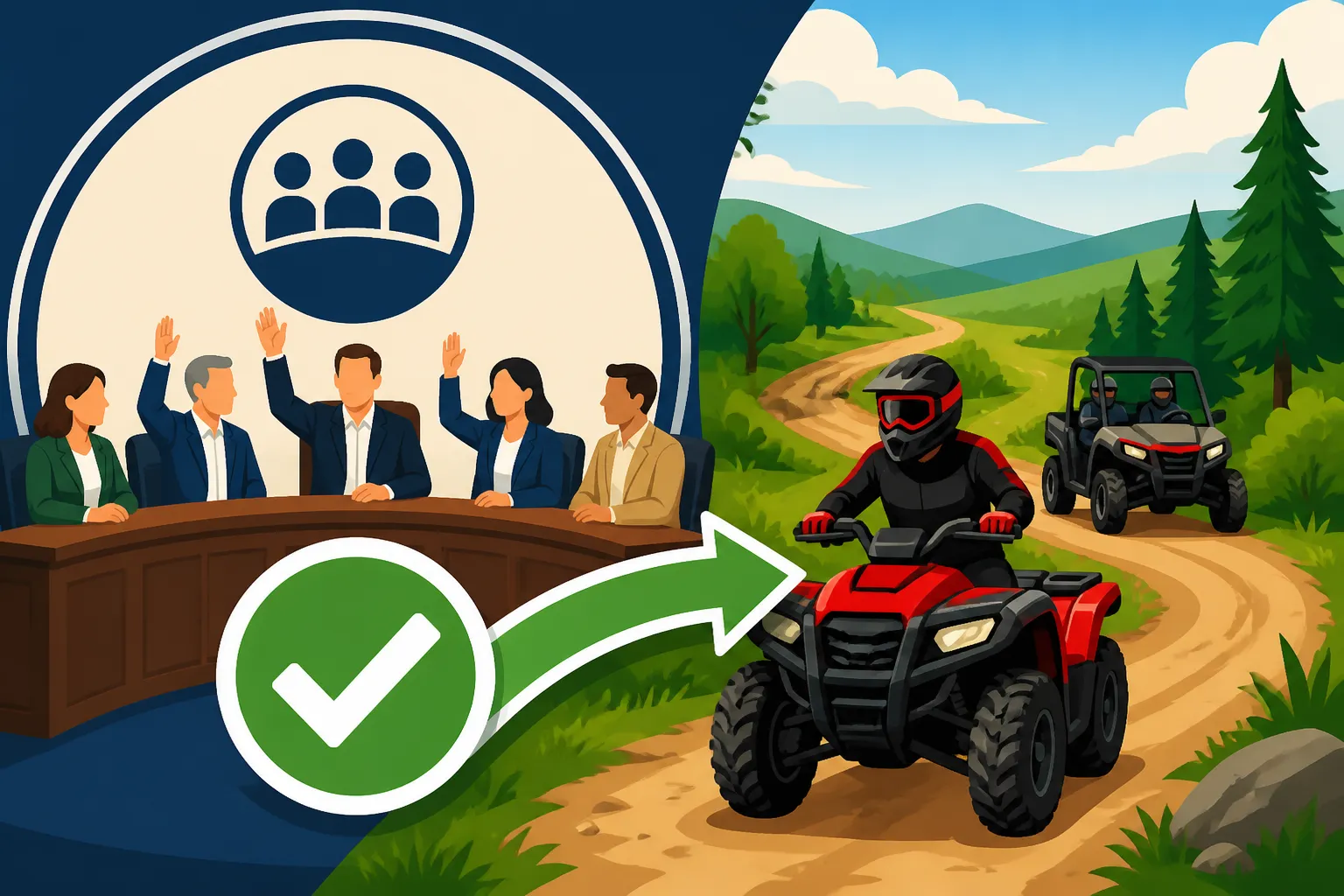
- Public Hearings: Prepare to speak at public hearings. Designate a few articulate spokespeople from your coalition. Keep your comments concise, respectful, and focused on the facts of your proposal. Have others from your group speak briefly in support, emphasizing different aspects (e.g., economic benefit, safe recreation, community support).
- Be Responsive and Flexible: The board might have questions or suggest modifications. Be open to compromise. Maybe they won't open all the roads you requested initially, but perhaps a pilot program with a few key routes could be a start. Remember, this is about collaboration, not confrontation.
- Highlight Safety: Continuously emphasize that your group is committed to safety and responsible riding. Mention efforts to educate riders on [Virginia Rules for Riding a County Road], age limits ([Virginia Age Limits by Engine Size]), and the importance of appropriate gear. Brands like SuperATV offer excellent safety accessories, from mirrors to seatbelts, that can enhance UTV safety on any road, further bolstering the argument for responsible use.
- Persistence is Key: This process can take time. Don't get discouraged by initial setbacks or delays. Continue to attend meetings, follow up with supervisors, and keep your coalition engaged. Sometimes it takes several rounds of discussions, revisions, and public input before an ordinance is considered for a vote.
Life on an Opened Road: Rules and Responsibilities for Riders
If your local Board of Supervisors successfully passes an ordinance to open certain roads to ATVs and UTVs, that's a huge victory! But the work doesn't stop there. As riders, we have a critical responsibility to uphold the privilege and ensure these roads remain open for future generations.
Adhering to Designated Routes and Speed Limits
The absolute most important rule is to stick to the designated routes. Remember, the ordinance will specify exactly which roads or sections of roads are open. Riding an ATV or UTV on any road outside of these specifically designated routes is still illegal and can result in severe penalties, potentially jeopardizing the entire program. Think of it like a marked trail system – you stay on the trail. If the ordinance states [Virginia's Named Route in Buchanan County] is open, that means only that specific route.
Equally important are the speed limits. Any local ordinance opening roads will include specific speed restrictions, often significantly lower than typical vehicular speed limits, such as [Virginia's 25 mph Coalfield Road Limit]. These limits are put in place for safety, recognizing the different handling characteristics of ATVs and UTVs compared to cars. Obeying these limits protects you, other drivers, and the reputation of the riding community. Speeding on an opened road is a sure-fire way to draw negative attention from law enforcement and local residents, which could lead to the revocation of ATV access.
Safety Gear and Machine Requirements
While Virginia has a general [Virginia Helmet Law Applies to Every Rider] for ATVs, specific ordinances for road access might add further requirements. It’s crucial to know these details for any newly opened roads. Beyond helmets, consider:
- Eye Protection: Essential to protect against dust, debris, and insects, especially when sharing roads with other vehicles.
- Lighting: Many ordinances will mandate specific lighting, especially if riding during dawn or dusk. Even if not explicitly required, having proper headlights and taillights is a smart move for visibility. Brands like SuperATV offer a vast array of lighting upgrades for UTVs, from LED light bars to enhanced turn signal kits, which can significantly improve your visibility and safety on shared roads.
- Mirrors: Side mirrors can be incredibly helpful for being aware of traffic behind you, a common feature on many UTVs and a wise addition to ATVs for road use.
- Seatbelts/Roll Cages: For side-by-sides, ensuring all passengers are properly belted and the factory roll cage is intact (or enhanced) is paramount. [Virginia Rules for a Side-by-Side Driver] often mirrors traditional vehicle rules for seatbelt use.
- Spark Arresters and Mufflers: Many public lands and trail systems, and potentially local ordinances, require a functioning spark arrester and a muffler that keeps noise levels within reasonable limits. Excessive noise is a common complaint from residents and can threaten continued road access.
Always ensure your machine is in good working order before heading out. Check your brakes, tires, and all safety equipment. A well-maintained machine is a safer machine.
Maintaining Access: The Rider's Role
The continued success of ATV-friendly roads hinges on the collective behavior of the riding community. Every rider is an ambassador.
- Be Courteous to Other Road Users: Share the road respectfully with cars, trucks, bicyclists, and pedestrians. Yield the right of way, drive predictably, and avoid kicking up excessive dust. A simple wave goes a long way.
- Respect Private Property: Even on designated roads, you're likely passing private property. Stay on the road, don't trespass, and respect noise levels, especially in residential areas.
- "Tread Lightly!" Principles: Practice responsible off-road ethics. Avoid littering, don't damage road shoulders, and be mindful of your environmental impact. If you see trash, pick it up.
- Support Local Businesses: Make an effort to frequent the local businesses in the areas where you ride. This demonstrates the economic benefit your presence brings and strengthens the argument for continued access.
- Report Issues and Get Involved: If you notice signs are down, or have questions about rules, reach out to your local ATV club or the county. Stay engaged with the community that fought for this access. Volunteer for clean-up days or trail maintenance if the opportunity arises.
By being responsible, respectful, and engaged, riders can help ensure that the roads opened by their Board of Supervisors remain open and accessible for years to come.
Disclaimer
This article is for general informational purposes only and does not constitute professional advice. Laws, prices and regulations vary by location and change over time. Consult a qualified professional for guidance on your specific situation.