Virginia Rules for Riding With a Dog
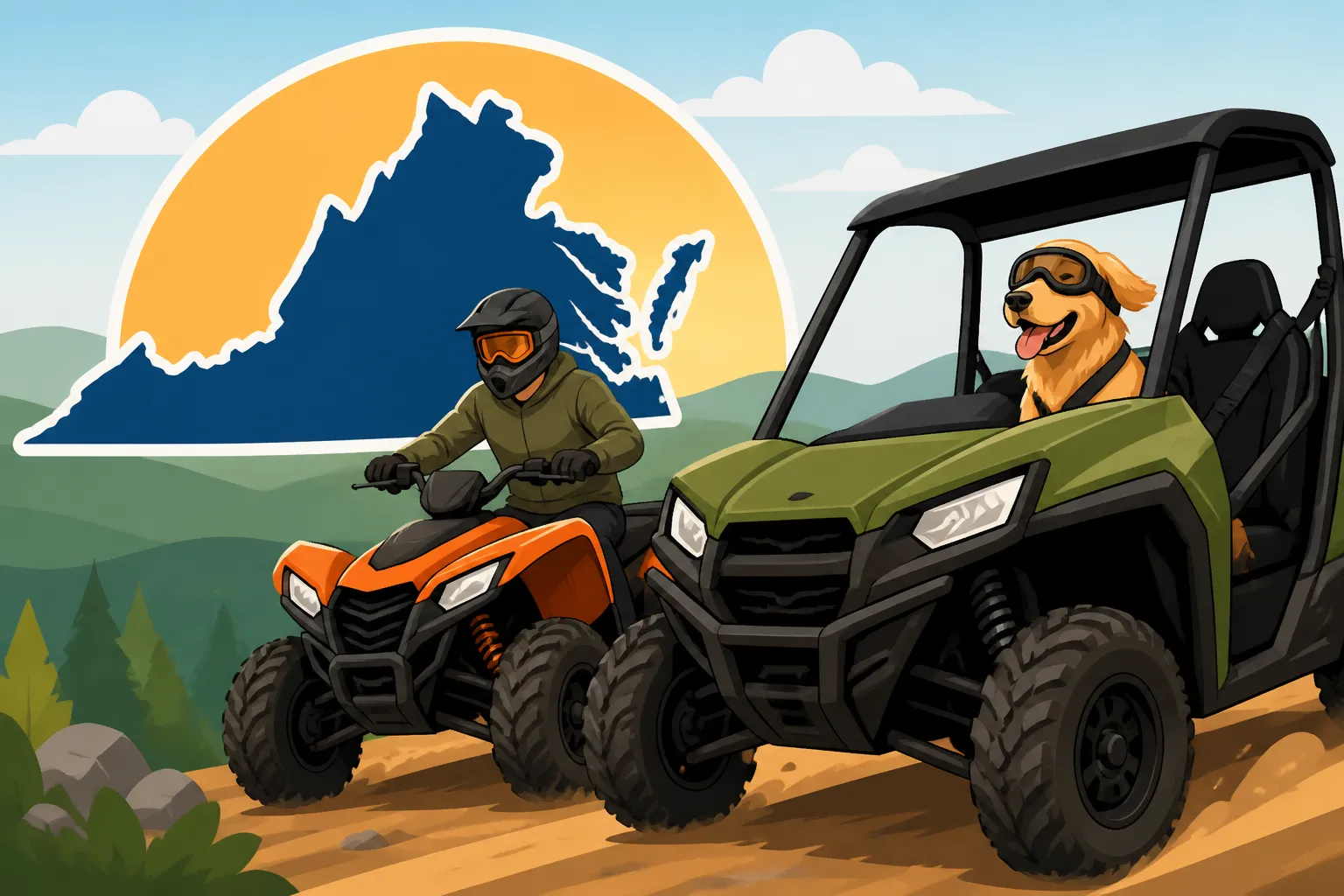
Bringing your beloved canine companion along for an ATV or UTV adventure in Virginia sounds like the perfect way to spend a day in the great outdoors. There’s nothing quite like sharing the fresh air and winding trails with your best friend by your side. However, the excitement of hitting the trails with Fido can quickly turn into a headache if you’re not clear on the rules. Many riders grapple with how to legally and safely include their dogs, given that Virginia's off-road vehicle laws don't explicitly mention furry passengers. This guide will walk you through the nuances of Virginia’s ATV and UTV regulations, how they indirectly apply to riding with your dog, and crucial safety considerations to ensure a fun and lawful outing for both of you.
The Lure of the Trail with Your Best Friend
It’s easy to understand why so many ATV and UTV enthusiasts dream of bringing their dogs along for the ride. Our pets are family, and for many, an outdoor adventure just isn't complete without them. But translating that desire into a safe and legal reality on Virginia’s trails requires a little forethought.
Why Riders Want to Bring Their Dogs Along
For starters, there’s the undeniable joy of companionship. A dog’s enthusiasm for a new adventure is infectious, and seeing them enjoy the sights, sounds, and smells of the wilderness can amplify your own experience. It’s a fantastic way to bond, provide exercise, and create lasting memories. Imagine pulling up to a scenic overlook, and your dog, safely secured, can take in the sprawling Appalachian views right alongside you. Many owners also appreciate the added sense of security a dog can bring, particularly when exploring more remote areas. Beyond that, the sheer convenience of not having to arrange dog-sitters or leave your pet behind often plays a big role in the decision to bring them. It just feels right to have your loyal friend with you, sharing in the excitement of the trail.
The Reality of Virginia's ATV Regulations and Dogs
Here’s where things get a bit tricky: Virginia’s laws regarding ATVs and UTVs, as defined in the Code of Virginia, don’t have a specific section titled "Dogs on ATVs" or "Pet Passenger Rules." The regulations focus primarily on human safety, vehicle specifications, and where these machines can legally operate. This lack of explicit guidance can be frustrating for riders, as it leaves much open to interpretation and common sense. While no law explicitly bans bringing a dog, it also doesn't provide a clear roadmap for how to do so safely and responsibly. You won't find specific requirements for canine harnesses or seating arrangements written into the code. Instead, you have to extrapolate from general passenger rules, landowner requirements, and the policies of specific trail systems. This means that while your heart might be set on a trail ride with your furry co-pilot, you'll need to approach it with an extra layer of caution and consideration for the rules that do exist, along with robust safety practices.
Virginia's General ATV Riding Rules and How They Indirectly Affect Dogs
Since there aren't direct laws about dogs on ATVs, we have to look at the broader framework of Virginia's off-road vehicle regulations. These rules, designed for human riders, establish the fundamental boundaries within which your canine companion must also operate. Ignoring these foundational rules, even with the best intentions for your dog, can lead to fines or denial of trail access.
Where You Can Legally Ride an ATV in Virginia
First and foremost, the biggest question is always "Where can I even ride this thing?" In Virginia, ATVs and UTVs are generally restricted from public highways and public property unless specifically designated for off-road use. This means you can't just take your dog for a spin down a county road on your quad. You're primarily limited to three main categories:
- Private Land with Permission: This is perhaps the most common scenario for many riders. If you own the land, or have explicit written permission from the landowner, you can ride. This is also the most flexible environment for riding with a dog, as long as you maintain control and ensure their safety. Remember, [Virginia Requires Written Landowner Consent] if you're not on your own property.
- Designated Off-Road Trail Systems: Virginia is home to some fantastic trail systems, such as the Spearhead Trails in Southwest Virginia and certain trails within the George Washington and Jefferson National Forests. These systems have their own specific rules and often operate under a permit system. For example, [Spearhead Trails in Virginia Explained] covers a vast network, and each specific trail may have nuances. When riding on these systems, you're not just adhering to state law but also the rules of the managing authority, which often include provisions about pets. We'll delve deeper into those specific pet policies later.
- Limited Road Access in Specific Counties: In a few select counties, like Buchanan and Tazewell, there are very specific, limited exceptions that allow ATVs and UTVs on certain designated county roads for short distances to connect trails or access services. These are highly restricted, often with speed limits of [Virginia's 25 mph Coalfield Road Limit] and only during daylight hours. Taking your dog on these sections would require extreme caution due to mixed traffic and the legal intricacies involved.
No matter where you choose to ride, remember that the legal access point for your machine also dictates where your dog can be. If your ATV isn't allowed, neither is your dog on that ride.
Passenger Rules and Their Implication for Canine Companions
Virginia's ATV laws generally state that ATVs are designed for a single operator, with specific exceptions for machines manufactured to carry a passenger. For example, a two-up ATV or a side-by-side UTV is designed with a designated passenger seat, often with seatbelts and grab handles. Regular single-rider ATVs are not meant for passengers, and riding with one (human or canine) can result in a citation. This is a critical point when considering riding with your dog:
- Single-Rider ATVs: If your ATV is designed for one person, adding a dog, even a small one, is a risky proposition. Not only could it be illegal if interpreted as carrying an unauthorized passenger, but it’s inherently unsafe. A dog shifting its weight unexpectedly can easily throw off the balance of the machine, leading to a crash. There's no safe place for them to ride that won't impede your control or expose them to serious injury.
- Two-Up ATVs and UTVs: These machines offer a much safer and more practical solution for bringing a dog. Two-up ATVs have a dedicated rear seat, and UTVs, with their bench or bucket seats and enclosed cabs, are much more suitable. The key here is that the machine is designed for an additional occupant. However, even with these machines, your dog still needs to be secured, as a human passenger would use a seatbelt. An unsecured dog in a UTV is a projectile waiting to happen in the event of a sudden stop, bump, or rollover. The general principle from [Virginia Passenger Rules on an ATV] extends to making sure any "passenger," including a pet, is safely accommodated and does not interfere with the operator's ability to control the machine. While not explicitly stated for pets, the spirit of the law prioritizes safety and control above all else.
Practical Considerations for Riding with a Dog on an ATV or UTV
Alright, so you've got the legal landscape in mind, and you've decided your machine is suitable (or you're planning to get one that is). Now let's talk about the absolute necessities for keeping your dog safe and happy on the trail. This isn't just about avoiding a ticket; it's about being a responsible pet owner and ensuring a good experience for everyone.
Safety First: Securing Your Dog on a Machine
This is arguably the most critical aspect of riding with your dog. An unsecured dog is a danger to itself, to you, and to others on the trail. Here’s how to approach it:
- For UTVs (Side-by-Sides): UTVs are generally the safest option for dogs due to their more stable, car-like design.
- Crates/Kennels: A secure, impact-resistant crate or kennel is often the best choice. Place it in the cargo bed of the UTV and secure it tightly with straps or bungee cords. Ensure the crate is large enough for your dog to stand, turn around, and lie down comfortably, but not so large that they can be jostled excessively within it. Look for crates designed for vehicle travel. Many riders use products from brands like SuperATV to add cargo boxes or bed enclosures that can then safely house a secured crate.
- Harnesses & Seatbelts: For dogs that prefer to ride in the passenger seat, a crash-tested safety harness (not just a walking harness) that can be buckled into the UTV's seatbelt system is essential. Never use a collar with a seatbelt, as sudden stops can cause severe neck injury. Ensure the dog can't easily reach the driver, shift into uncomfortable positions, or stick their head out too far where debris or branches could strike them.
- Enclosed Cab Benefits: A UTV with a full cab, windshield, and doors offers superior protection from dust, flying debris, and branches. It also provides a shaded area and can help reduce wind noise, which can be stressful for some dogs.
- For ATVs (Especially Two-Up Models): While more challenging, it's not impossible to safely bring a dog on a two-up ATV, provided you have the right setup.
- Rear Rack Carriers: Specialized carriers that mount securely to the rear rack of a two-up ATV can work for smaller dogs. These are typically enclosed baskets or soft-sided bags that strap down. The dog must be secured within the carrier and the carrier to the ATV. Again, ensure it's not too large for the dog to be jostled around inside.
- Harnesses on Passenger Seat: For larger dogs on a two-up, a sturdy harness secured to the passenger grab handles or a custom anchor point can be used. This requires careful evaluation to ensure the dog cannot jump off, interfere with the driver, or be easily injured. This method is generally riskier than a UTV with a crate.
Common Mistakes: Letting your dog ride freely in the bed of a UTV, on your lap, or simply standing on a rack. Any of these scenarios are accidents waiting to happen. A sharp turn, a bump, or even a sudden stop can send an unsecured dog flying, with potentially tragic results. Always prioritize their containment and protection, just as you would for a human passenger.
Trail Etiquette and Wildlife Concerns
Bringing a dog onto public or shared trails adds another layer of responsibility, particularly regarding other trail users and the natural environment.
- Leash Laws: Assume all designated trail systems and public lands have strict leash laws. Even if your dog is perfectly behaved and trained, an off-leash dog can startle other riders, hikers, or equestrians, leading to dangerous situations. It can also chase wildlife, which is not only harmful to the animals but can also get your dog lost or injured. Always keep your dog on a leash, especially when stopped or in congested areas. [Virginia Trail Etiquette Locals Expect] usually includes keeping pets under control.
- Waste Management: Just like at a city park, you are responsible for cleaning up after your dog. Carry plenty of waste bags and pack out everything, leaving no trace. This shows respect for the environment and other trail users.
- Wildlife Encounters: Virginia's trails are home to deer, bear, coyotes, snakes, and a host of smaller animals. An encounter between your dog and wildlife can be dangerous for both. Your dog could be injured by a territorial animal, or it could harass or injure wildlife. Keeping your dog secured and on a leash helps prevent these incidents. Be aware of your surroundings and keep an eye out for any signs of wildlife.
- Other Trail Users: Not everyone loves dogs, and some people may even be afraid of them. Ensure your dog doesn't bark excessively, jump on people, or interfere with others' enjoyment of the trail. A well-behaved, securely contained dog makes for a much more pleasant experience for everyone.
Hydration, Rest, and Emergency Preparedness
Your dog has unique needs that must be met during an off-road adventure, especially in varying temperatures and over long periods.
- Hydration: Always carry more water than you think you'll need for both yourself and your dog. Collapsible water bowls are excellent for on-the-go hydration. Dehydration can quickly become a serious issue, especially on warm days or during strenuous rides. Plan for frequent water breaks.
- Rest and Breaks: Just like humans, dogs can get tired. Plan your route to include stops where your dog can stretch its legs, relieve itself, and rest. Observe your dog for signs of fatigue or stress, such as excessive panting, lagging, or reluctance to move.
- First Aid Kit: A dedicated pet first aid kit is a must. This should include items like antiseptic wipes, bandages, paw balm, tick removers, tweezers, and any specific medications your dog requires. Know basic canine first aid, such as how to address cuts, scrapes, or heat exhaustion. Consider taking a pet-specific CPR course.
- Paw Protection: Depending on the terrain, your dog's paws can take a beating from rocks, sharp sticks, or hot surfaces. Dog booties can offer protection, especially for breeds with sensitive paws or on rough trails.
- Identification: Ensure your dog wears a collar with up-to-date ID tags (name, your phone number) and is microchipped. If your dog somehow gets separated from you, this greatly increases the chances of a reunion.
- Weather and Temperature: Dogs can overheat much faster than humans, especially in enclosed spaces or with thick coats. Be mindful of the temperature and humidity. Provide shade, offer plenty of water, and avoid riding during the hottest parts of the day. Conversely, short-haired dogs can get cold in chilly weather; consider a dog coat if necessary.
Ignoring these practical considerations doesn't just make for a less enjoyable ride; it can lead to serious health and safety consequences for your furry companion.
Specific Trail System Policies Regarding Dogs
While Virginia state law provides a general framework, the specifics of riding with your dog often come down to the rules of the particular trail system you visit. It's crucial to check these policies before you load up your machine and your pet.
Spearhead Trails and Pet Policies
The Spearhead Trails system, a network of multi-use trails in Southwest Virginia, is a popular destination for ATV and UTV riders. They generally welcome pets, but with important stipulations that align with responsible pet ownership and trail etiquette.
- Leash Requirement: Like most organized trail systems, Spearhead Trails requires all dogs to be on a leash at all times while on the trail, in parking areas, or at any facilities. This is non-negotiable and helps ensure the safety of your dog, other riders, and wildlife. [Virginia Trail Etiquette Locals Expect] definitely applies here.
- Waste Removal: Pet owners are expected to clean up after their dogs immediately and dispose of waste properly (i.e., pack it out).
- Behavior and Control: Your dog must be well-behaved and under control. Excessive barking, aggression towards other dogs or people, or any behavior that disrupts the experience of other trail users is generally not tolerated. Trail rangers on [Spearhead Trails Is Run by a Regional Authority, Not the State] have the authority to address situations where a dog's behavior is causing issues.
- Designated Areas: While pets are generally allowed on the trails, there might be specific areas (like visitor centers or certain cabins/campgrounds) where pets are restricted. Always look for signage or inquire with the local Spearhead office.
The best practice is to visit the official Spearhead Trails website or call their office in Coeburn for the most up-to-date pet policies before your trip, especially if you have any doubts.
National Forest OHV Trails and Their Rules for Dogs
Virginia also offers ATV and UTV riding opportunities within the George Washington and Jefferson National Forests, notably on systems like Peters Mill Run and Taskers Gap. Federal lands often have distinct regulations concerning pets.
- Leash Law (6-Foot Maximum): The U.S. Forest Service has a general rule that pets must be on a leash no longer than 6 feet in length in developed recreation sites and on most trails. This is a common regulation across federal lands and is strictly enforced to protect wildlife and ensure visitor safety.
- Waste Removal: Similar to Spearhead, you are required to collect and dispose of your dog's waste. "Pack it in, pack it out" applies to all trash, including pet waste.
- Control and Disturbances: Pets must not disturb wildlife, other visitors, or property. This means no excessive barking, chasing animals, or aggressive behavior. If your dog is prone to barking at other machines or people, consider if a busy trail system is the right place for them.
- Areas of Restriction: While dogs are generally welcome on forest trails, there might be areas where they are prohibited, such as swimming beaches, designated wilderness areas (where pets might need to be on a leash at all times or might be restricted entirely), or certain developed campgrounds or buildings. Always check with the specific Ranger District office (e.g., Lee Ranger District for Peters Mill Run) for the most current information regarding their pet policies.
- Permit Considerations: While your ATV requires a [Virginia National Forest OHV Permits], there isn't a separate permit specifically for your dog. However, the permit conditions often include adherence to all Forest Service regulations, which would encompass pet rules.
Always double-check the specific rules for the particular National Forest trail you plan to visit, as regulations can sometimes vary slightly by district or even by the season.
Summary of Dog Riding Considerations
Here's a quick reference table to help you weigh the options and responsibilities when planning to ride with your dog in Virginia.
| Consideration | Single-Rider ATV | Two-Up ATV | UTV (Side-by-Side) |
|---|---|---|---|
| Legal Standing | Generally discouraged/risky due to passenger rules. | More permissible, but requires proper securing. | Generally safest due to design, still requires securing. |
| Safety (Dog) | High risk of injury/fall. Limited secure options. | Moderate risk. Must be securely harnessed/contained. | Lowest risk with proper crate/harness/enclosure. |
| Safety (Operator) | High risk of control interference. | Moderate risk if dog shifts weight. | Low risk if dog is secured. |
| Comfort (Dog) | Uncomfortable, exposed. Could cause stress. | Can be comfortable if well-secured and accustomed. | Generally comfortable with shade/protection. |
| Securement Method | Not recommended. | Specialized rear carrier or harness to anchor points. | Crate in cargo bed, crash-tested harness in seat. |
| Trail Etiquette | Leash required when stopped or dismounted. Waste cleanup. | Leash required when stopped or dismounted. Waste cleanup. | Leash required when stopped or dismounted. Waste cleanup. |
| Wildlife Encounters | Keep leashed. High risk if unsecured. | Keep leashed. Manage behavior. | Keep leashed. Manage behavior. |
| Hydration/First Aid | Essential. Limited space for supplies. | Essential. More space for supplies. | Essential. Most space for supplies. |
This table highlights that while your adventurous spirit might want to take your dog everywhere, the reality of machine design and safety protocols often means a UTV is the most practical and responsible choice for off-road dog adventures.
Riding your ATV or UTV in Virginia with your dog can be a truly rewarding experience, but it’s one that absolutely demands careful planning and a deep commitment to safety. Since Virginia's laws don't specifically detail how to ride with a dog, you must apply common sense, animal welfare best practices, and the general rules of the road and trail to your situation. Always prioritize your dog's safety and well-being, ensure they are secured in a way that protects them and doesn't interfere with your control of the machine, and adhere to all leash laws and waste disposal requirements on any trail system you visit. By being proactive and responsible, you can share the thrill of Virginia’s off-road trails with your cherished canine companion for years to come.
Disclaimer
This article is for general informational purposes only and does not constitute professional advice. Laws, prices and regulations vary by location and change over time. Consult a qualified professional for guidance on your specific situation.