25 mph in the Coalfields
Navigating the rules for riding ATVs and UTVs in Virginia can feel like deciphering ancient scrolls, especially when you hear whispers about certain roads being open in the coalfields. Many riders get frustrated because the general rule is "no ATVs on public roads," but then there are these specific exceptions that seem to shift the goalposts. This guide aims to clear up the confusion, specifically detailing the 25 mph speed limit and other vital regulations you need to know if you plan to ride your off-road machine on designated routes in Virginia's coal-producing counties.
Understanding Virginia's General ATV Road Ban
Let's just get this out of the way upfront: for the vast majority of Virginia, riding an ATV or UTV on a public highway or road is illegal. It’s a hard truth many riders face, especially those coming from states with more lenient rules. You bought your machine for adventure, for tearing up trails, for farm work – not for getting a ticket on a paved road.
The Core Rule: Public Highways Are Off-Limits
Virginia law is pretty clear on this. Generally, all-terrain vehicles and utility vehicles are designed for off-highway use. They lack many of the safety features required for street-legal vehicles, like turn signals, proper headlights, brake lights, and often, the stability. Because of this, the state's legal framework, specifically Title 46.2 of the Virginia Code, prohibits their operation on public highways. This isn't just about interstates or busy thoroughfares; it includes most paved, publicly maintained roads, even quiet country lanes. It can be incredibly frustrating to have a perfect shortcut between two trails, only to know that taking it on your quad could land you in hot water.
Why the General Ban Exists
The reasoning behind this blanket ban is rooted in safety and the fundamental design differences between an ATV/UTV and a traditional motor vehicle. ATVs and UTVs typically have high centers of gravity, knobby tires not optimized for pavement grip, and often lack robust suspension systems for sustained road speeds. They're built for dirt, rocks, mud, and uneven terrain. Putting them on a smooth, hard surface with traffic moving at higher speeds creates significant hazards. Think about how an ATV handles a sharp turn on a gravel path versus trying that same maneuver at 45 mph on asphalt – it’s a recipe for disaster. This isn't the state trying to spoil your fun; it's a measure to prevent serious accidents involving machines that simply aren't engineered for road use. It's also why you won't get a regular registration or license plate for your ATV in Virginia, as discussed in [Virginia Issues No Plates for ATVs].
The Coalfield Exception: Buchanan and Tazewell Counties
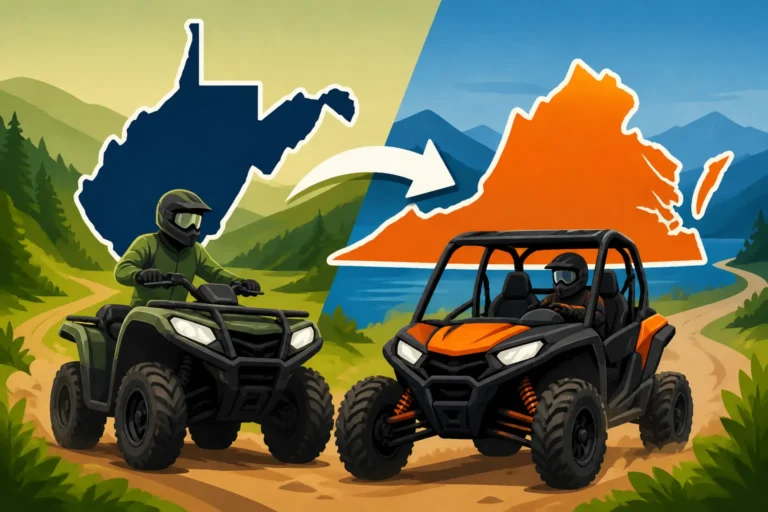
Now, here's where things get interesting and where the confusion often begins. While the general ban stands firm across most of the Commonwealth, Virginia has carved out a very specific exception for certain counties in its coal-producing region. This isn't a free-for-all, however; it’s a tightly regulated allowance designed to support recreational riding in areas where off-road trails are a significant economic driver.
The Specific Legal Framework
The exception specifically applies to Buchanan and Tazewell counties. This isn't an arbitrary choice; these counties are home to extensive trail systems like the Spearhead Trails, which draw riders from all over the country. To facilitate access to these trails and connect communities, the Virginia General Assembly passed legislation allowing the local governing bodies (Boards of Supervisors) in these two counties to designate certain highways or portions of highways for ATV and UTV use. This critical piece of legislation is found in [Virginia Buchanan and Tazewell County Road Access] and outlines the conditions under which these machines can operate on public roads in very limited circumstances. It’s a big deal for riders in these areas, but it also means you can't just assume this rule applies to any other county in Virginia.
The Designated Route Concept
It's crucial to understand that only designated routes are open. This isn't about opening up every road in Buchanan and Tazewell counties. Instead, the Boards of Supervisors work with the Virginia Department of Transportation (VDOT) to identify specific sections of secondary highways that can safely accommodate ATVs and UTVs. These routes are then marked with appropriate signage to clearly indicate where off-road vehicles are permitted.
Imagine pulling your machine into the town of Grundy or Richlands, ready for a day on the trails. Without these designated connector roads, you'd have to trailer your ATV to every single trailhead, which can be a huge hassle. The designated routes allow you to potentially ride from your lodging to the trail, or between different trail sections, offering a much more seamless riding experience. However, always remember: if a road isn't clearly marked, assume it's off-limits. Don't risk a costly ticket or, worse, an accident. This is precisely what [Virginia's Named Route in Buchanan County] and [Virginia's Named Route in Tazewell County] refer to—specific pathways, not general access.
The 25 mph Speed Limit and Other Conditions
Even on these special designated routes in Buchanan and Tazewell counties, you can't just open up the throttle and ride like you would on a four-lane highway. There are strict conditions, with the most prominent being the speed limit.
Speed Limit Enforcement and Rationale
The law mandates a maximum speed of 25 miles per hour on these designated coalfield routes. This isn't a suggestion; it's a legal requirement. Why 25 mph? It’s a compromise. It allows ATVs and UTVs to move along roads without creating excessive speed differentials with other vehicles, and it acknowledges the inherent limitations of these machines on paved surfaces. At 25 mph, riders have more time to react to unexpected obstacles, and the risk of rollovers or loss of control due to road conditions is significantly reduced.
Think of it this way: while your machine might be capable of 60 mph on a smooth dirt track, asking it to perform safely at that speed on a paved road alongside cars is unrealistic and dangerous. Law enforcement officers in these counties are aware of these specific rules and will enforce the 25 mph limit. Exceeding it can lead to citations and penalties, which can quickly turn an enjoyable ride into a stressful experience. This critical regulation is detailed in [Virginia's 25 mph Coalfield Road Limit].
Beyond Speed: Other Crucial Rules for Coalfield Riding
The 25 mph speed limit is just one piece of the puzzle. When riding on these designated routes, several other conditions must be met to ensure safety and compliance:
- Helmets are Mandatory: Every rider and passenger on an ATV or UTV on these designated routes must wear a helmet. This isn't just a good idea; it's the law. This aligns with Virginia's general helmet requirements for off-road machines, as elaborated in [Virginia Helmet Law Applies to Every Rider]. No matter your age or experience level, strap that helmet on.
- Daylight Hours Only: You can only operate your ATV or UTV on these designated routes between sunrise and sunset. Riding after dark significantly increases the risk, both for you and for other drivers who might not expect an off-road vehicle on the road. So, plan your rides accordingly, especially when the days are shorter. [Daylight Only on a Road Trail] highlights this specific requirement.
- Direct Crossings: Even outside the designated routes, Virginia law allows for direct crossings of public highways by the most direct route possible, provided it's done safely and does not interfere with traffic. This is distinct from riding along a road, but it's an important consideration when connecting trails.
- Proper Lighting and Equipment: While these machines aren't fully street-legal, they must have working headlights and taillights, especially during dawn or dusk. Even though full street-legal lighting might not be required for the short road sections, enhanced visibility is always a wise choice. Some riders add [Virginia Lighting Rules on a Road Trail] refers to what specific lights might be required on certain sections.
- Signs Approved by VDOT: The signs marking these designated routes must be approved by VDOT. If you don't see clear, official signage, err on the side of caution and assume the road is closed to ATVs. Don't rely on unofficial markers or hearsay.
It’s about striking a balance: allowing access while maintaining safety. Disregarding any of these rules can not only be dangerous but also lead to significant penalties, as outlined in [Virginia Penalties for Illegal Riding].
Equip Your Machine for Coalfield Roads
Even with the limited road access, it's wise to consider how you equip your ATV or UTV for these short sections. While you're not trying to make it street legal, enhancing visibility and control can make a huge difference.
Enhancing Visibility for Shared Roads
Riding on a paved road, even a secondary one with a 25 mph limit, means you're sharing it with cars, trucks, and possibly coal haulers. Visibility is paramount. Consider adding brighter LED headlights if your stock ones are dim, and ensure your taillights are fully functional and clean. Reflective tape on your machine can also help, especially if you're riding in dappled sunlight or on dusty roads where visibility can be compromised. Companies like SuperATV offer a range of aftermarket lighting options that can significantly improve your presence on the road, making sure you're seen by others. Good lighting isn't just about seeing; it's about being seen.
Mirrors and Horns: Practical Additions
While not always legally mandated for off-road machines, adding a rearview mirror (or side mirrors for UTVs) and a functioning horn can be incredibly useful. A mirror allows you to monitor traffic approaching from behind, letting you safely pull over if needed. A horn provides a way to alert other drivers or pedestrians to your presence, which is a basic courtesy and a safety measure. Again, SuperATV offers robust mirror kits and horn options designed for the rigors of off-road use, but equally effective on those short road stretches. These aren't just for comfort; they're for situational awareness in a mixed traffic environment.
Tires and Suspension for Varied Terrain
If you're primarily riding technical trails but also using the designated road sections, consider how your tires and suspension perform on both. Aggressive mud tires, while fantastic in the muck, can be loud, wear quickly, and offer less grip on asphalt. A good all-terrain tire might be a better compromise if you anticipate significant road use, even at 25 mph. Similarly, a well-maintained suspension system will provide better control and a smoother ride on pavement, preventing excessive body roll or instability. Regularly check your tire pressure and suspension components, as proper maintenance contributes directly to safe handling on any surface.
Practical Tips for Riding the Coalfield Routes
Riding the coalfield routes offers a unique experience, connecting vast trail systems and local towns. To make the most of it, a few practical considerations can ensure a smooth and enjoyable trip.
Navigating Designated Trails and Connectors
Before you even load your machine, study the maps of the Spearhead Trails and the specific designated road connectors in Buchanan and Tazewell counties. Don't just rely on GPS, as cell service can be spotty in the mountains, as mentioned in [Cell Dead Zones in the Coalfields]. Download offline maps or carry a physical map. Trail systems often provide excellent mapping resources that clearly delineate the legal road sections. Knowing your route ahead of time helps you identify where you can legally transition from trail to road and back again. Look for those specific VDOT-approved signs; they are your official guideposts. Many riders find it helpful to plan their day around these connections, perhaps stopping for lunch in a trail town before heading back out.
Respecting Local Ordinances and Other Road Users
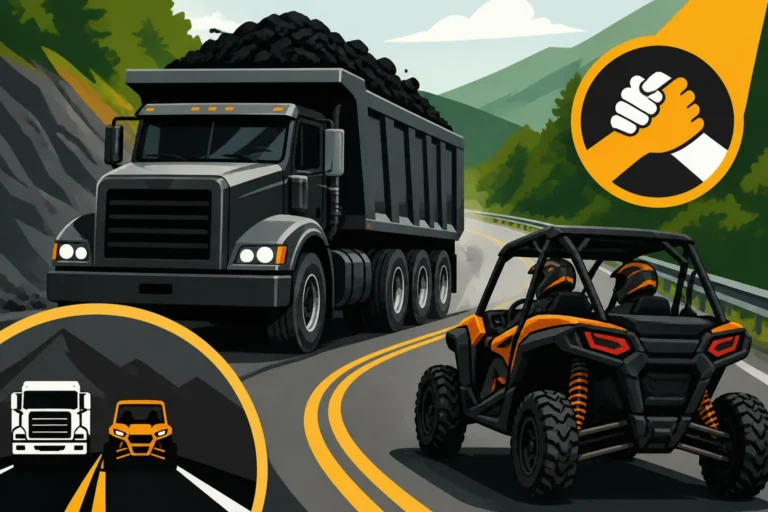
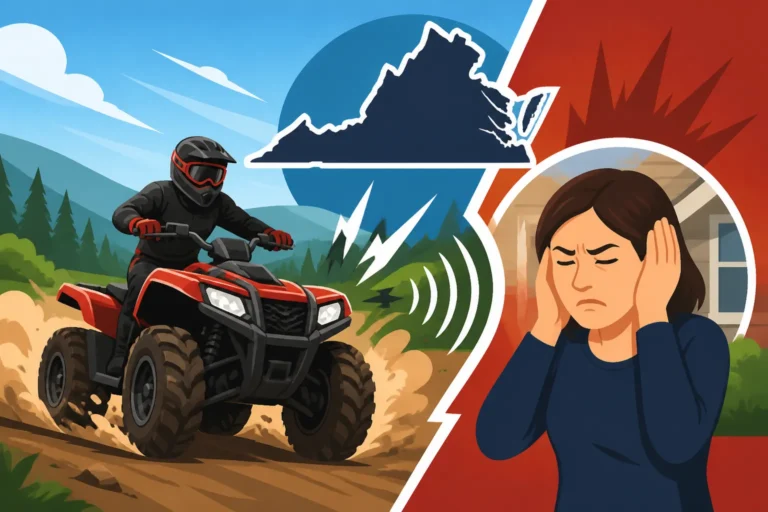
When you're on a designated road route, you're not just a recreational rider; you're a motorist sharing the road. This means adhering to all traffic laws, not just the 25 mph speed limit. Be courteous to other drivers, particularly those in larger vehicles like logging trucks or coal haulers, which are common in these areas. Pull over to let faster traffic pass if it's safe to do so. Remember, these routes serve local residents and industries, not just ATV riders. Your respectful behavior contributes to the community's willingness to maintain these exceptions. Furthermore, be mindful of noise levels, especially when passing through residential areas. Keep your machine properly muffled to avoid disturbing residents.
What to Do If Stopped by Law Enforcement
It’s always a good idea to be prepared for a potential interaction with law enforcement, even if you’re following all the rules. If you are pulled over, remain calm and cooperative. Turn off your engine, keep your hands visible, and follow the officer's instructions. You should have your identification ready, as well as any trail permits required for the riding areas, like those mentioned in [Virginia Spearhead Trail Permits]. While Virginia doesn't require registration for ATVs, proof of ownership (like a title or bill of sale) can be helpful if an officer asks, as detailed in [What an Officer Can Ask For at a Trailhead]. Be polite, explain where you're riding, and if you've done your homework on the designated routes, you'll be well-prepared to explain your presence on the road.
Always remember that these road access privileges are a unique and valuable amenity for off-road enthusiasts in Virginia. By understanding and adhering to the rules, especially the 25 mph limit in the coalfields and other crucial conditions, we can help ensure these opportunities continue for years to come.
| Rule Category | General Virginia ATV Road Rule | Coalfield Exception (Buchanan & Tazewell) |
|---|---|---|
| Public Road Access | Generally prohibited | Allowed on VDOT-designated routes only |
| Speed Limit | N/A (prohibited) | Max 25 mph on designated routes |
| Daylight Hours | N/A (prohibited) | Sunrise to sunset only |
| Helmet Requirement | Always recommended, often required | Mandatory for all riders/passengers |
| Insurance | Not legally required (but advised) | Not legally required (but advised) |
| Vehicle Design | Off-road specific | Off-road specific |
| Registration/Plates | Not issued for ATVs | Not issued for ATVs |
| Required Signage | N/A | Designated routes must be clearly marked |
| Crossings | Permitted by most direct route | Permitted by most direct route |
Disclaimer
This article is for general informational purposes only and does not constitute professional advice. Laws, prices and regulations vary by location and change over time. Consult a qualified professional for guidance on your specific situation.