Under 18 Riders Need a Parent With Their Own Permit
Planning a Virginia trail ride with a teenager involves more than choosing a machine and buying a permit. On Spearhead trails, riders under 18 must have a parent riding with them, and that parent needs a permit of their own. Here’s how to plan for both riders, prepare for the waiver and avoid a preventable problem at the trailhead.
What the Parent-and-Permit Rule Means
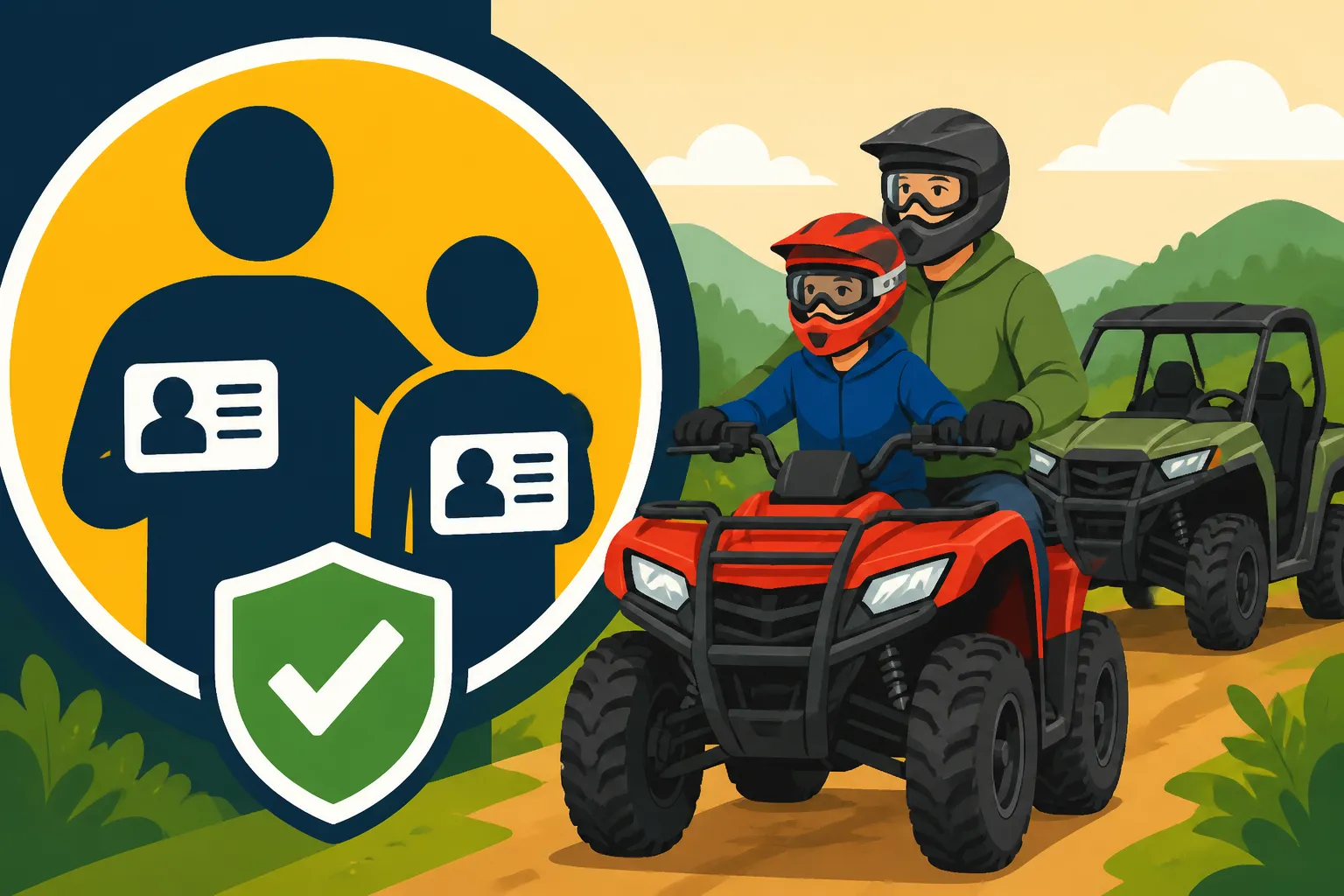
Spearhead’s under-18 rule has two parts: the young rider needs the appropriate permit, and a parent must accompany the rider with a separate permit of their own. A parent’s permit does not cover a child, and a child’s permit does not cover a parent. Treat the ride as a plan for two permitted participants, not as one adult permit plus a dependent rider.
This is a trail-system participation requirement. It should not be confused with general Virginia laws about riding on roads, private land or other types of property. Nor does buying a permit by itself make a rider eligible to operate any machine. Riders still need to meet the rules that apply to the machine and the riding area.
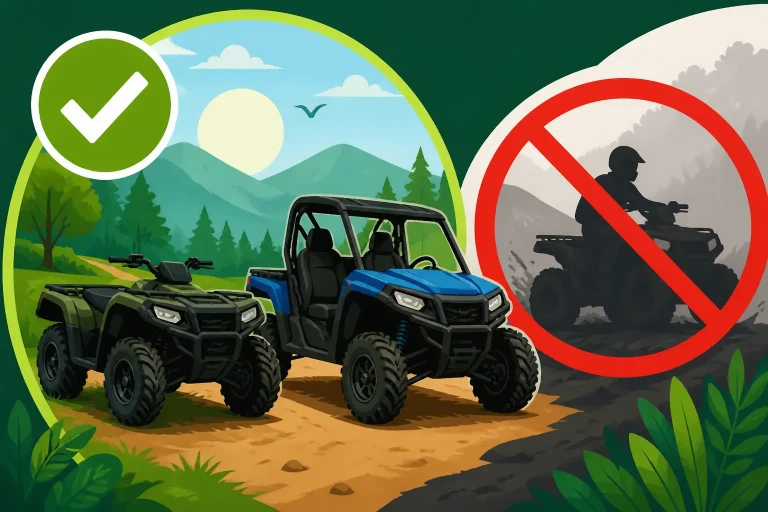
Spearhead follows the manufacturer’s minimum age guidance for a machine. That means a parent’s presence does not make an undersized or age-inappropriate machine acceptable for a child. Check the manufacturer’s age guidance and the trail system’s current rules before choosing the machine. The broader requirements for young riders are covered in Virginia Trail Rules for Riders Under 18 and [Virginia Youth Permit Rules].
For families, the practical takeaway is simple: plan for the child and the parent to be riders on the trip. Both should have the required permit arrangements in place, and the parent should be prepared to ride along with the minor. If you are unsure whether a particular adult qualifies, ask the trail office before travelling rather than relying on an assumption at the gate.
| Question | Practical answer |
|---|---|
| Does a minor need a permit? | Plan on the young rider having the permit required for that rider. |
| Does the accompanying parent need a permit? | Yes. The parent needs a separate permit of their own. |
| Can one permit cover both people? | No. Treat the permits as individual to each rider. |
| Does a parent’s presence override a machine’s age guidance? | No. The machine must still be appropriate under the manufacturer’s guidance and trail rules. |
| Does this requirement automatically apply at every Virginia riding area? | No. Check the rules for the specific trail system or private park. |
| Can another adult automatically substitute for a parent? | Don’t assume so. Confirm the system’s current wording with the trail office. |
Why “with a parent” needs planning
The point of the rule is not simply to have a parent’s name somewhere on the paperwork. Plan for the parent to be part of the ride, with their own valid permit, rather than dropping off a minor who will ride with friends or another group. If you need the exact expectations for riding together, use Virginia Parent Riding With a Child and Virginia Supervision Rules on Trail as starting points, then confirm any details with the trail office.
An adult who is not the child’s parent may be responsible for transporting or supervising the child in everyday situations, but that does not necessarily mean the adult meets the trail system’s specific rule. A grandparent, aunt, uncle, family friend or group leader should not be treated as an automatic substitute. The practical answer may depend on the system’s current waiver and policy, so check before the ride; Can a Grandparent Count as the Accompanying Adult? addresses that question directly.
Also separate permission to ride from permission to sign forms. A parent may need to complete or participate in the waiver process for a minor, but the waiver does not replace the child’s permit or the parent’s own permit. Handle the permission, permit and accompanying-rider requirements as separate checks.
Arrange Permits for Both Riders
Before you head out, confirm what permit each person needs and make sure both names and identity details are correct. The adult’s permit is not a family pass. A minor’s eligibility and permit category may differ from an adult’s, so don’t assume that choosing the same option for both riders is right. Virginia Annual vs Three-Day Permits can help with the general choice between permit durations, while Virginia Permit Verification Steps explains what to check after purchase.
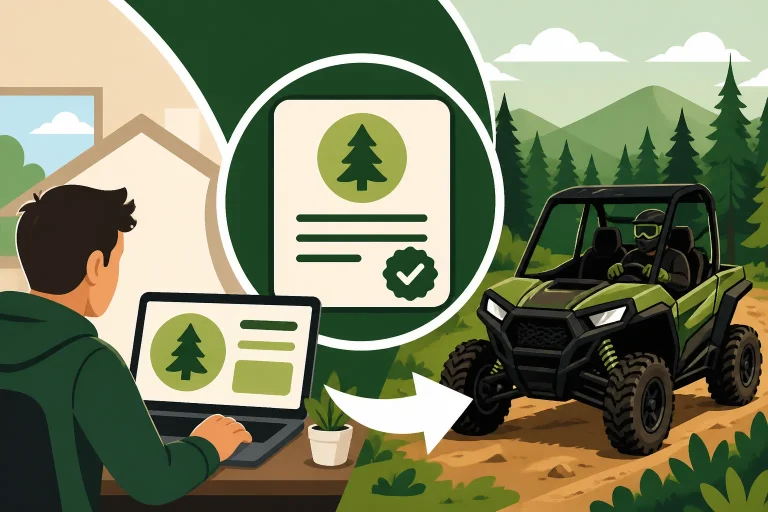
Spearhead permits are digital. Keep the purchase or confirmation information accessible, and be ready to show the identification associated with each permit. A permit is tied to the named rider; letting a parent use a child’s permit, or a child use a parent’s, is not a safe workaround. Why Your Photo ID Must Match the Permit Name explains why matching the permit name to the rider’s ID matters.
Check the parent’s permit separately
If the parent has already bought a permit for a different riding date or duration, check that it will be valid for the planned trip. Don’t assume an older confirmation applies to the new visit. The parent’s permit must be valid for the ride being planned, just as the minor’s must be.
A household may have several adults who take turns riding with a child. Each person who will ride should have their own permit for the trip. If one parent buys a permit but another parent ends up accompanying the child, confirm that the actual accompanying rider has the required permit. A permit purchase for one person should not be treated as transferable to another.
For a group outing, ask every family to check its own arrangements. A single adult’s permits cannot be used to cover children from several households. Make sure the adult who is actually accompanying each minor understands the rule and has completed the required steps.
Don’t confuse permit periods or networks
A permit for one trail system does not automatically cover another. Spearhead and Hatfield-McCoy, for example, have separate permit requirements; see Hatfield-McCoy and Spearhead Still Sell Separate Permits if your itinerary includes both. The same careful approach applies if you plan to visit a private riding park: its waiver and admission rules may differ from Spearhead’s.
If the trip might extend over more than one day, check the permit’s valid dates and duration rather than guessing from the purchase date. A permit with a limited use period may be defined by calendar days, not by a rolling number of hours. Confirm the terms before paying and keep the confirmation for the relevant date.
Prepare for the Waiver and Trailhead Check
Complete the permit and waiver steps early enough to fix a name, age or relationship issue before the day of the ride. A minor’s paperwork may require a parent’s involvement. The parent should be available to complete the required steps and provide whatever proof the system asks for. Do not assume that showing up together with matching surnames will settle every question; the waiver process may require specific information or documentation. See Proving You Are the Parent During the Waiver for the issue to check.
Check identity details before you leave
Review the permit information for both riders. Make sure the adult’s permit is under the adult’s name and the minor’s permit is under the minor’s name. Compare those names with the identification each person will bring. If a name is misspelled, a permit is under a different family member’s account, or the child’s age information is wrong, contact the provider before travelling.
Keep the relevant confirmations accessible. Digital permits can be convenient, but mountain areas may have weak or absent cell service. Before leaving home, make sure you can retrieve the confirmation information you need, and bring the identification that matches the permits. If you plan to rely on a screenshot or downloaded email, check whether that is sufficient for the system’s verification process. Don’t assume that a saved image will replace a required online lookup or other proof.
The adult should be prepared to identify themselves and establish the relationship or authority required by the waiver process. Ask the trail office what documents it accepts if the child’s last name differs from the parent’s, if a parent has changed their name, or if a legal guardian is involved. Bring appropriate documents only after confirming what is accepted; guessing can leave a family stuck at check-in.
Make sure the person who bought the permit can help
A family member may purchase permits for others, but the identity and eligibility details still need to match the actual riders. The parent who accompanies the child should know how to access their own permit confirmation. The minor’s permit should also be retrievable, and the adult should be ready to help if the child is too young to manage the process independently.
If a friend or relative bought the permits, ask them to send the necessary confirmation details and check that each permit is assigned correctly. A receipt showing payment is not necessarily the same as proof that the correct individual has a valid permit. Resolve discrepancies before setting out, and contact the trail office when the answer is unclear.
At the trailhead, follow staff or ranger instructions. A ranger may verify permit information, and the rider’s identification should support the permit details. Do not expect an adult’s ID to establish that a child’s permit belongs to the child, or that a parent’s permit can be used for the minor. Each rider should be ready to show the information relevant to their own permit.
Plan for the Ride, Not Just the Paperwork
Having two permits and an eligible adult does not remove the need to plan a suitable ride. Select a machine that fits the young rider’s age and ability, follow the manufacturer’s minimum age guidance, and choose routes that make sense for the group. A child who is permitted to ride is not automatically ready for every trail, speed, terrain feature or group pace.
Before the trip, talk through how the adult and minor will stay together. Agree on a pace, regrouping points and what to do if the group becomes separated. Make sure the child knows not to ride ahead out of sight or leave a junction without the accompanying adult. The details of supervision are important on unfamiliar terrain, where trail branches, steep grades and changing conditions can make a small gap between riders harder to manage.
The parent should also assess whether they can genuinely accompany the child for the planned outing. If the adult expects to ride a different loop, leave early or remain at camp, that may not fit the requirement. Don’t build an itinerary that depends on the child being separated from the parent. If you have a question about what “accompany” means for a particular route or activity, get an answer from Spearhead before the visit.
Consider the whole group
When more than one child is riding, do not assume that one parent’s permit automatically resolves the requirements for every minor. Check the current rule for each child and confirm which parent or eligible adult must accompany each rider. A group leader may be able to help with logistics, but that does not by itself mean the leader is an acceptable substitute for a parent.
For a large family group, assign an adult to each planned riding group and confirm who is responsible for each child. Avoid a plan where the parent is technically present but is riding far ahead or behind without a clear way to keep the minor with them. The safest setup is one in which the adult and young rider know they are riding together and can communicate if the group pauses or changes direction.
If a child is new to trail riding, a shorter outing on an appropriate route may be a better first day than a long loop with experienced adults. Build in breaks, check that the child remains comfortable, and be ready to turn back. Permit eligibility is only one piece of a safe ride; it does not measure skill, stamina or comfort with the terrain.
Check other rules that apply
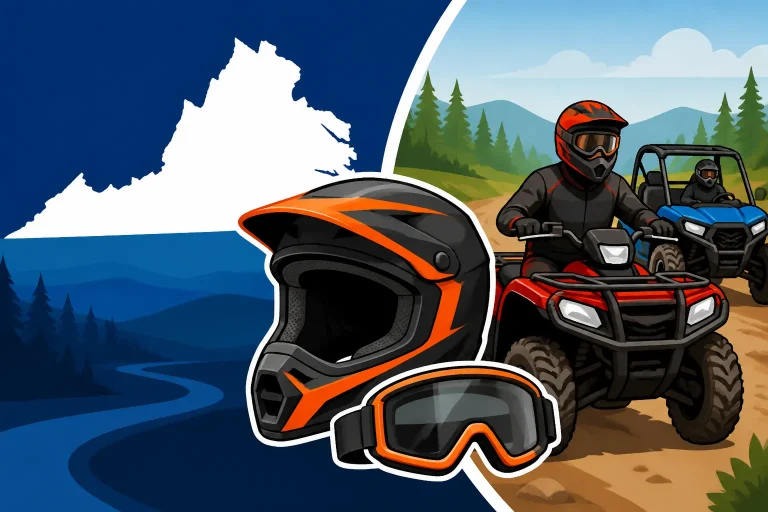
Spearhead permit rules are not the only requirements to consider. Riders must also follow the trail system’s rules on equipment, operating hours, speed, protective gear and machine eligibility. These requirements can vary by riding area. Check current information before loading machines, especially if your family is visiting a new system or bringing a side-by-side.
Do not confuse the trail permit with a safety-course certificate. Virginia does not have a general state ATV safety-course requirement, but a trail system or private park may set its own conditions. The distinction is covered in Virginia Has No Safety Course Requirement. Even when no course is required, a young rider may benefit from instruction and practice in a controlled setting before tackling unfamiliar trails.
Also remember that a permit for a trail network does not authorize riding on public roads or on land where access is not allowed. Trail access, road use and landowner permission are separate matters. For road rules, see Can You Ride an ATV on the Road in Virginia?; for a private property ride, make sure the landowner has allowed the activity and that the riders understand any conditions.
Common Problems and How to Avoid Them
The most avoidable problems usually come from treating one requirement as if it covers another. A parent may assume the child can ride on the adult’s permit. A relative may assume they can stand in for a parent. A family may have a valid permit but use a machine that does not meet age guidance. Checking each item separately makes these misunderstandings less likely.
One permit for two people
A family may think that buying one adult permit is enough because the adult is responsible for the child. It is not a sound assumption. Arrange an individual permit for each rider who needs one, including the parent who will accompany the minor. If you have already purchased the wrong type or assigned a permit to the wrong person, contact the permit provider before travel to ask about corrections. Don’t try to solve the mismatch at the trailhead by swapping names or sharing confirmation details.
An adult who is not the parent
A grandparent or family friend may be the person available to ride, but the rule specifically concerns a parent. Do not rely on a general idea that any responsible adult will count. Contact the trail office, describe the exact situation and ask what it accepts. If the child’s parent cannot attend, get clear guidance before making the trip. A written answer or confirmation from the office can be useful when the circumstances are unusual.
The parent has a permit but is not riding
A parent’s permit should not be treated as a way to make the child eligible while the parent stays behind. The rule is about the minor riding with a parent who has their own permit. Plan for the parent to be an actual participant in the ride and to stay with the child. If the adult needs to leave the trail or the family’s plans change, pause and check what the rules require rather than leaving the minor to continue without the parent.
The information does not match
A missing confirmation, incorrect name, age discrepancy or inaccessible email can slow check-in. Review the details well before departure, and check that both riders can provide the needed identification and permit information. If there is a legitimate reason for a mismatch, such as a changed name, ask the permit office what to bring. Don’t count on a staff member being able to waive an identity requirement.
A different trail system is on the itinerary
Families sometimes plan a multi-area trip and assume a Spearhead permit applies wherever they ride. Verify every system separately. Each place may have its own fees, permit validity, age rules, waivers and equipment conditions. A permit that is correct for one part of the trip does not necessarily satisfy another system’s requirements.
A few minutes spent checking the rules can prevent a long drive ending before the ride begins. Before leaving, confirm the permit status for both riders, the parent’s role, the waiver and identity requirements, the machine’s age suitability and the trail system’s current operating information.
Frequently Asked Questions
Does the parent need a permit if they are only accompanying a child?
If the parent is riding with the child, plan for the parent to have a separate permit. The parent’s permit is not included with the child’s.
Can one parent’s permit cover more than one child?
Do not treat one permit as covering multiple riders. Each rider should have the permit required for them, and the family should confirm the accompaniment arrangements for every minor with the trail office.
Can a grandparent or another relative ride with a minor instead?
Do not assume another adult automatically meets the parent requirement. Check with Spearhead before the trip and explain the specific situation.
Does a parent’s presence allow a child to ride any machine?
No. The rider must still meet the manufacturer’s minimum age guidance for the machine and comply with the trail system’s rules.
Does this parent-and-permit rule apply at every Virginia trail or park?
Not necessarily. It is a Spearhead requirement. Other trail systems and private parks may set different rules, so check the place where you plan to ride.
Disclaimer
This article is for general informational purposes only and does not constitute professional advice. Laws, prices and regulations vary by location and change over time. Consult a qualified professional for guidance on your specific situation.