Riding Illegally Costs Up to $500 in Virginia
The wind in your hair, the rumble of the engine, the smell of fresh earth – there’s nothing quite like the freedom of exploring Virginia’s trails and backroads on your ATV or UTV. But that exhilarating feeling can quickly turn into a headache, or even an expensive financial hit, if you accidentally venture into areas where off-road vehicles aren't allowed. It’s a frustrating reality for many riders: the rules aren't always crystal clear, and what seems like a harmless shortcut could land you a hefty fine. This guide is here to untangle the complexities of Virginia's ATV laws, focusing on where you can and cannot ride, what penalties you face for violations, and how to protect yourself and your machine from unnecessary trouble.
Understanding Virginia's Core ATV Road Rules: The Unmistakable Bans
Virginia has some very specific laws regarding where ATVs and UTVs can be operated, and a large part of that revolves around public roads and property. It's not always intuitive, especially if you're used to riding in other states or have heard different interpretations of the law. The most important thing to grasp is that, by default, these machines are generally not welcome on public thoroughfares or lands.
The Hard and Fast Rule: No Public Highways
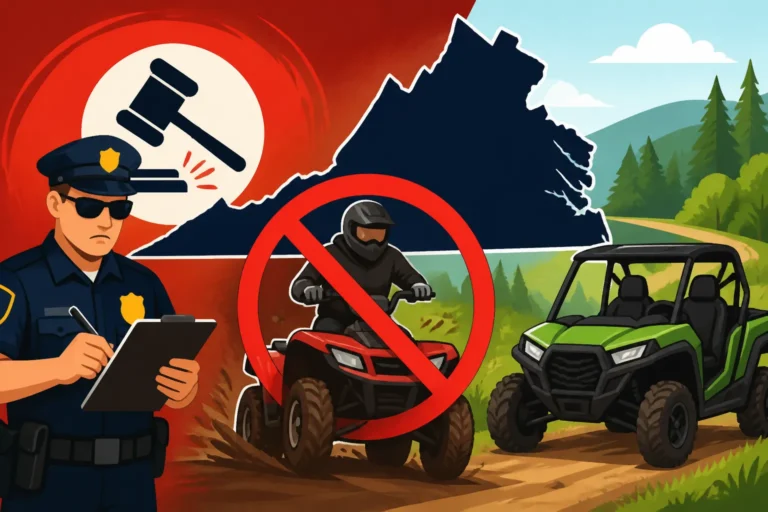
Let's get straight to the point: [Virginia Bans ATVs on Public Highways]. This isn't just about bustling interstates or busy four-lane roads; it extends to virtually any road maintained by the Virginia Department of Transportation (VDOT) or a local municipality. This includes those quiet, scenic paved county roads, the winding gravel paths you might think of as "backroads," and even the shoulders of these roads. If a car can drive on it legally and it's maintained by the state or county for public travel, your ATV or UTV is almost certainly prohibited.
Many riders express frustration because they see others doing it, or because a short stretch of public road is the only way to connect two private riding areas. It's a common dilemma, but the law is quite clear. Attempting to use a public highway, even for a brief moment to cross to another trail or private property, is a violation. This rule applies even if you have proper lighting, turn signals, and all the bells and whistles you might find on a street-legal vehicle. The simple fact is, an ATV or UTV is not considered a "motor vehicle" for general road use in Virginia, meaning it cannot be registered or plated for such purposes.
Public Property vs. Private Property: Knowing the Difference
Beyond public highways, Virginia law also restricts ATV and UTV use on most other forms of public property. This means you generally cannot ride on sidewalks, public parks, school grounds, or any other land owned and maintained by a governmental entity – state, county, or municipal – unless that specific property has been explicitly designated for off-road vehicle use. It's easy to assume that an open field or a wooded area behind a local park might be fair game, but if it's public land and not a designated trail system, it's off-limits.
Contrast this with private property, where the rules shift significantly. On private land, you can ride your ATV or UTV, but there's a critical caveat: you must have the express, written consent of the landowner. This isn't a suggestion; it's a legal requirement. Verbal permission, while a friendly gesture, won't hold up if you're stopped by law enforcement. The challenges here are real: how do you verify who owns a piece of land, especially in rural areas? How do you get that written permission, particularly for large tracts of timber company land or fragmented parcels? It’s a process that requires due diligence, and skipping it can lead to more than just a fine; it can result in trespass charges. The takeaway is clear: [Public Highways and Public Property Are Both Off Limits] unless there’s a specific, codified exception or direct, documented permission from the property owner.
Why an ATV Isn't a "Motor Vehicle" for Road Use
It's a common point of confusion, especially with the growing popularity of larger, more sophisticated side-by-sides (UTVs) that increasingly resemble small cars. Many wonder, "If it has a steering wheel, seatbelts, headlights, and turn signals, why can't I drive it on the road?" The answer lies in how Virginia law defines and categorizes these vehicles. For the purposes of road use, Virginia distinguishes between "motor vehicles" (cars, trucks, motorcycles) and "all-terrain vehicles" (ATVs and UTVs). [Virginia ATV and Utility Vehicle Definitions] are specific, and off-road vehicles simply do not meet the criteria to be titled and registered for general highway use.
This distinction means that even if your UTV could theoretically keep up with traffic and appears safe, it's legally barred from public roads. This applies to side-by-sides, which despite their appearance, are almost universally treated as ATVs under Virginia law for road-use purposes. You won't find a path to make your side-by-side street legal in Virginia, no matter how many modifications you make. [Why a Side-by-Side Can Never Be Made Street Legal] is a question frequently asked, and the answer is consistently no. This legal framework is why a specific ATV title from the DMV also explicitly states it cannot be registered for road use. It's not about the vehicle's capabilities; it's about its legal classification within the state's transportation code.
The $500 Civil Penalty: What It Means and When It Applies
So, what happens if you break these rules? Virginia law spells out clear consequences, and they can be quite impactful on your wallet. The primary penalty for illegal ATV operation is a civil fine, which can be substantial. Understanding the nature of this penalty and the actions that trigger it is crucial for every rider.
What "Civil Penalty" Truly Implies for Riders
When we talk about a "civil penalty" for an ATV violation in Virginia, it means a monetary fine, typically paid to the locality or the state, that is imposed for a violation of a specific statute. It's important to differentiate this from a criminal charge. A civil penalty generally does not result in a criminal record, nor does it typically carry the same weight as, say, a reckless driving charge. However, don't let the "civil" part fool you into thinking it's minor. [Riding Illegally Costs Up to $500 in Virginia], which is a significant sum, often much higher than a typical speeding ticket. This penalty goes into a special state fund designed to support recreational projects, rather than directly into court coffers.
While it might not be a criminal conviction, paying a civil penalty still creates a record of your violation. This could potentially be accessed by insurance companies (though not always directly linked to your driving record) or used in future legal proceedings if you become a repeat offender. It's a serious financial consequence that aims to deter illegal riding and ensure compliance with the state's off-road vehicle laws. [Virginia's Civil Penalty for Illegal Riding] is a clear message from the state that these rules are to be taken seriously.
Common Violations That Trigger the Maximum Fine
The $500 civil penalty can be issued for a variety of offenses related to ATV operation in Virginia. It’s not just for joyriding on the main highway. Here are some of the most common violations that can quickly lead to that maximum fine:
- Riding on a Public Highway: This is the big one. Any operation on a road maintained by VDOT or a county, even for a short distance, can incur the penalty. Picture yourself trying to cut across a country road to get to another section of woods – that brief moment on the pavement can be costly.
- Operating on Undesignated Public Property: If you’re riding through a public park, on a school's athletic field, or across municipal property that isn't specifically marked as an ATV trail, you're likely in violation.
- Lack of Written Landowner Consent: Riding on private property without permission isn't just rude; it's illegal. If you can't produce written consent from the owner, you could face the fine and trespass charges.
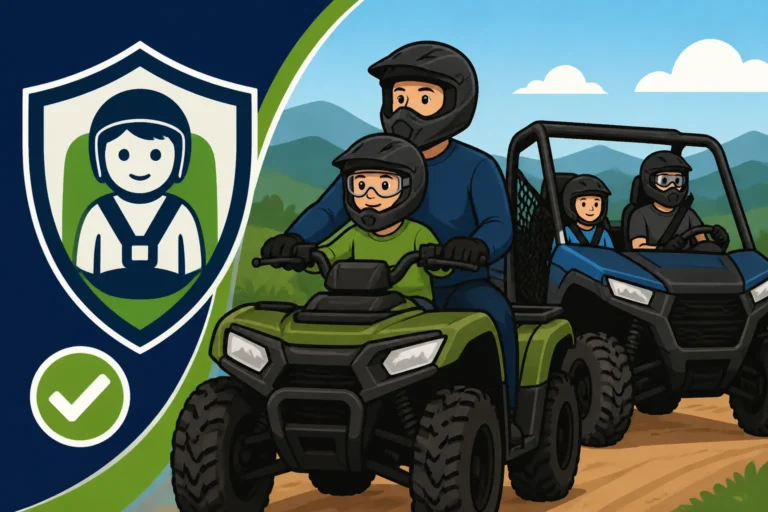
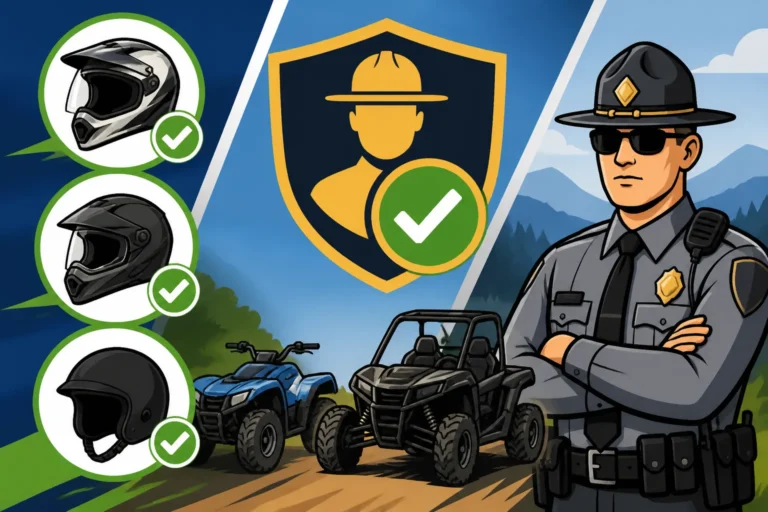
- Helmet Law Violations: Virginia has a strict helmet law, and it applies to all ATV riders, regardless of age, and even on private property. [Virginia Helmet Law Applies to Every Rider] – yes, even adults. If you're caught without a DOT-approved helmet, you're looking at a penalty.
- Age and Engine Size Restrictions: The state has specific rules about who can ride what. For example, riders under 12 are restricted to machines under 70cc, and those 12-16 years old are limited to machines under 90cc. [Virginia Age Limits by Engine Size] are strictly enforced. Allowing a child to ride an oversized machine, even if they are skilled, is a violation.
- Improper Passenger Operation: Many ATVs are designed for a single rider. Carrying a passenger on a single-rider machine, or carrying a child as a passenger on a machine not specifically designed for it, is also a violation. Check your ATV's design and manufacturer recommendations carefully.
These scenarios illustrate that it's often the small, seemingly harmless decisions that lead to big fines. Ignorance of the law is rarely an excuse that holds up.
How an Officer Enforces the Rules on the Trail or Road
Enforcement of ATV laws in Virginia typically comes from local law enforcement (sheriffs' deputies, town police) or Virginia State Police. While you might not see officers specifically patrolling deep in the woods, they are often active near popular riding areas, trailheads, or in response to noise complaints from residents. A common scenario might involve an officer observing an ATV cross a public road, or responding to a call about off-road vehicles on private property without permission.
When stopped, an officer will likely ask for your identification. They will also inquire about proof of ownership for your ATV or UTV, so it's always wise to carry your title or a bill of sale. If you're on private land, be prepared to show [What a Landowner's Written Permission Note Should Say] or any permits for designated trail systems. Even if you're certain you're within your rights, it's crucial to remain calm and cooperative during any interaction with law enforcement. Arguing or becoming confrontational will rarely improve your situation. An officer may also perform [Virginia Equipment Checks by Officers] to ensure your machine has basic safety equipment like working brakes and a muffler, especially if you're in an area with specific trail regulations. Knowing [What an Officer Can Ask For at a Trailhead] can help you be prepared and make the encounter smoother.
Beyond the Fine: Additional Consequences of Illegal Riding
While the $500 civil penalty is certainly something to avoid, it's not the only headache you can incur when riding an ATV or UTV illegally in Virginia. There are other significant repercussions that can lead to even greater financial strain and legal trouble.
Impoundment: Losing Your Machine to a City or County
Imagine getting a ticket, and then having your beloved ATV hauled away. This is a very real possibility in many parts of Virginia, particularly within city and county limits where specific ordinances grant law enforcement the power to impound illegally operated off-road vehicles. [Cities Can Impound an ATV Ridden on a Sidewalk], for instance, and that impoundment isn't cheap. You'll likely be on the hook for towing fees, daily storage fees that quickly add up, and the original civil penalty.
The financial burden can quickly spiral, sometimes exceeding the actual market value of an older machine. Getting your ATV back from impound isn't just a matter of paying fines; it often involves navigating municipal offices, proving ownership, and arranging for transport, which can be a lengthy, frustrating, and expensive process. It's a stark reminder that the cost of illegal riding goes far beyond a simple fine; it can literally mean losing your machine, or paying an exorbitant amount to retrieve it. For an idea of the process, looking into [Getting an Impounded ATV Back From a City] can offer some insight into the hurdles involved.
Insurance Headaches and Claim Denials
Many responsible ATV and UTV owners opt for insurance, even though [Why Virginia Sets No Insurance Minimum for ATVs]. This coverage provides peace of mind against theft, damage, or liability in case of an accident. However, riding illegally can completely undermine that safety net. Insurance policies almost universally contain clauses that allow the insurer to deny a claim if the accident occurred while the vehicle was being operated unlawfully.
Consider this hypothetical scenario: you take a "quick cut" across a public road to link two trails, and an accident occurs. Even if you have full coverage, your insurance company could deny your claim because you were operating the vehicle in a manner prohibited by state law. This means you’d be personally responsible for all damages to your machine, any injuries to yourself, and any liability for damage or injury to others. It's a devastating blow that could have been prevented by simply adhering to the law. Always read your policy's fine print and understand its exclusions, especially regarding illegal operation. [Buying ATV Insurance When No Law Requires It] is a smart choice, but only if you ride legally.
Legal Troubles: Trespass, DUI, and Other Charges
Beyond civil penalties and impoundment, illegal ATV use can also lead to more serious legal charges. If you're caught riding on private land without the owner's written consent, you could face criminal trespass charges. This isn't a civil fine; it's a criminal offense that can result in a criminal record, additional fines, and even jail time depending on the specifics and your past record. [Virginia Trespass Law for Riders] is quite clear, and landowners have every right to protect their property.
Furthermore, driving an ATV or UTV while under the influence of alcohol or drugs is just as serious as operating a car or truck while impaired. Virginia's DUI laws apply to ATVs operated on any property open to public access, including designated trails or even areas that feel private but are regularly used by the public. A DUI on an ATV can lead to the loss of your standard driver's license, significant fines, mandatory substance abuse programs, and potential jail time. [Virginia DUI Law and Off-Road Machines] are treated with the seriousness they deserve, and the consequences are severe. Other potential charges could include reckless endangerment, property damage, or even assault if your illegal riding causes direct harm or injury to others, turning a fun outing into a life-altering legal nightmare.
Exceptions to the Road Ban: Where You Can Ride Legally
While Virginia's general rules for ATVs and UTVs on public roads and property are quite restrictive, there are a few specific, narrowly defined exceptions. These aren't loopholes to exploit, but rather carve-outs in the law designed for particular situations or locations. Knowing these exceptions is key to understanding where you can genuinely enjoy your off-road machine legally.
Designated Coalfield Trails and Roads
One of the most exciting exceptions for ATV and UTV enthusiasts in Virginia is the allowance for limited road access within the designated coalfield counties of Buchanan and Tazewell. This is thanks to the [Virginia Road Access in the Coalfields] initiatives, particularly the Spearhead Trails system. These trail systems often incorporate certain named public roads to connect different sections of trails, allowing riders to travel from one trailhead to another, or even into "trail towns" for gas, food, and lodging.
However, this isn't a free-for-all. Riding on these designated coalfield roads comes with strict conditions:
- Named Routes Only: You must stick to the specific public roads that have been officially designated and marked for ATV use by the county boards of supervisors. [Virginia's Named Route in Buchanan County] is one such example.
- Speed Limit: There's typically a posted speed limit of [Virginia's 25 mph Coalfield Road Limit] on these routes.
- Daylight Hours: Riding is generally restricted to daylight hours.
- Permits: You must possess a valid [Virginia Spearhead Trail Permits] pass to ride on these systems, which covers access to both the trails and the connecting roads.
For riders heading to these rugged Appalachian areas, ensuring your machine is ready for the terrain is also important. Accessories like heavy-duty skid plates, strong bumpers, and reliable winches – many of which can be found through brands like SuperATV – can be invaluable for navigating the challenging trails and ensuring you don't get stuck far from a designated road.
Farm Work and Emergency Responder Exemptions
Virginia law also provides specific exemptions for ATVs and UTVs when they are being used for legitimate farm work or by authorized emergency personnel. These are not general permissions to ride anywhere but are tied directly to the nature of the activity.
- Agricultural and Household Use: ATVs and UTVs can be operated on public highways when they are used for [Virginia Farming and Household Exceptions]. This typically means tasks directly related to the operation of a farm, such as moving equipment between fields, checking livestock, or hauling supplies. It does not mean recreational riding on a public road, even if you own a farm. For instance, a farmer might use their UTV to quickly cross a county road to access a detached pasture, but they cannot take it for a joyride down the road into town.
- Emergency Services: Authorized personnel from fire, rescue, or law enforcement agencies may use ATVs and UTVs on public highways when responding to emergencies or performing official duties. [Virginia Emergency Responder Exceptions] recognize the unique utility of these machines for reaching remote locations or navigating difficult terrain during critical situations. Again, this is not a recreational privilege but a functional allowance for essential services.
These exemptions are carefully worded to prevent misuse and emphasize that the primary purpose of the ride must be for the specified work or emergency, not for general transportation or recreation.
Crossing Public Highways: The "Most Direct Route"
There is one extremely narrow exception that allows ATVs and UTVs to interact with public highways: crossing them. Virginia law permits an ATV to cross a public highway by the [Virginia Crossings by the Most Direct Route]. This specific wording is crucial and often misunderstood. It means you can only go straight across the road, from one side to the other, to get from one section of private land (or legal trail) to another.
What it absolutely does not mean is riding along the highway for any distance, even a few feet. It's not a shortcut, and it's not a connecting piece of your ride. You must approach the road, stop, ensure it's safe to cross, and then proceed directly across to the other side. This maneuver should be executed with extreme caution, ensuring maximum visibility for yourself and anticipating traffic. For example, if you own land divided by a county road, you could cross directly from one parcel to the other. But riding 50 feet down the road to get to a gate, even if it's the "most convenient" route, is a violation. This exception is about minimizing time on the highway, not facilitating travel along it.
Protecting Yourself: Knowledge, Preparation, and Smart Choices
Navigating Virginia's ATV and UTV laws can feel overwhelming, but staying out of trouble boils down to a few key principles: knowing the rules, preparing for your ride, and making smart, informed choices. Your enjoyment of the sport should never be overshadowed by legal worries or financial penalties.
Reading the Code: Virginia Law 46.2-915.1
The absolute best defense against unwitting violations is knowledge. Instead of relying on hearsay or what "everyone else does," take the time to read [The Virginia Law Behind Every ATV Rule]: Virginia Code § 46.2-915.1. This statute lays out the core regulations for ATV and UTV operation in the Commonwealth. While legal language can sometimes be a bit dry, understanding the exact wording of the law is your most reliable source of truth.
You can typically find the full text of the Virginia Code online through official state government websites or legal databases. Familiarizing yourself with this document will clarify definitions, restrictions, and exceptions, giving you a solid foundation for legal riding. It's a proactive step that empowers you to make informed decisions and confidently discuss the rules if ever questioned.
Carrying Your Papers and Proof of Consent
Imagine being stopped by an officer on the trail, and you can't prove you own your machine or have permission to be there. It's a stressful situation that can be easily avoided. Always carry your identification, and essential paperwork for your ATV or UTV. This includes:
- Proof of Ownership: Your ATV title or a bill of sale. Even if [Virginia Titles Are Optional on Used Machines], having documented proof of ownership simplifies things. [Building a Paper Trail When You Buy a Used Quad] is always a good practice.
- Landowner Consent: If you are riding on private land, carry a copy of the [What a Landowner's Written Permission Note Should Say]. This should clearly state who owns the property, who is granted permission to ride, and for what duration.
- Trail Permits: For designated trail systems like Spearhead, ensure you have your valid digital or physical permit.
Keep these documents in a waterproof pouch or a secure compartment on your machine. Being able to produce them quickly and clearly demonstrates your good faith and compliance, making any interaction with law enforcement much smoother and quicker.
Choosing the Right Gear and Modifications
Beyond legal compliance, responsible riding also involves making smart choices about your gear and your machine's setup. Safety gear is paramount; [Virginia Helmet Standards From the State Police] are strictly enforced, so always wear a DOT-approved helmet, along with eye protection, gloves, and sturdy riding attire. These protect you not just from legal penalties, but from serious injury.
For machines themselves, thoughtful modifications can enhance both safety and, indirectly, compliance in specific scenarios. While not a substitute for legal riding, increasing your visibility with bright LED lights, like those offered by SuperATV, can be helpful during legal crossings or on designated coalfield routes where you might encounter other traffic during daylight hours. Similarly, robust protection like skid plates and A-arm guards (also available from SuperATV) not only protect your investment from rough terrain but can give you more confidence when navigating permitted, challenging trails. A well-maintained machine, with functioning brakes, lights, and a properly installed spark arrester (required in many public riding areas like national forests), is crucial for safety and helps demonstrate responsible ownership. Investing in quality accessories from companies like SuperATV can ensure your machine is not only capable but also equipped for a safe and legal riding experience.
Disclaimer
This article is for general informational purposes only and does not constitute professional advice. Laws, prices and regulations vary by location and change over time. Consult a qualified professional for guidance on your specific situation.