Insurance Once a Virginia Dirt Bike Becomes Street Legal
You've gone through all the hoops: the conversions, the inspections, the paperwork to get your beloved dirt bike legally ready for Virginia's roads. It's a journey many riders undertake, hoping to extend their thrill beyond the trails. But then you hit a snag – insurance. The rules that applied to your off-road machine suddenly feel completely inadequate or just plain wrong for your newly street-legal ride. This guide is here to untangle the confusion, explaining exactly what kind of insurance you need and what options are available once your Virginia dirt bike officially becomes street legal.
The New World of Insurance for Your Street-Legal Dirt Bike
It’s an exciting moment when your dirt bike officially transforms into a street-legal machine, opening up new riding possibilities, from quick runs to the store to linking up trails with short road sections. But with this newfound freedom comes a crucial shift in how your machine is classified and, more importantly, how it needs to be insured. You're no longer just an off-road enthusiast; you're a motorist on public roads, subject to an entirely different set of rules and liabilities.
Why "Off-Road" Insurance Won't Cut It Anymore
Think about the insurance policy you likely had for your dirt bike when it was purely an off-road machine. Chances are, it was a specialized policy designed for recreational use on private property, designated trails, or in competitive events. These policies often covered things like theft, damage to your bike during off-road excursions, and maybe some basic liability if you somehow caused damage to someone else's property while off-road. The key phrase here is "off-road." These policies are explicitly designed with the understanding that your machine will not be operating on public highways or streets.
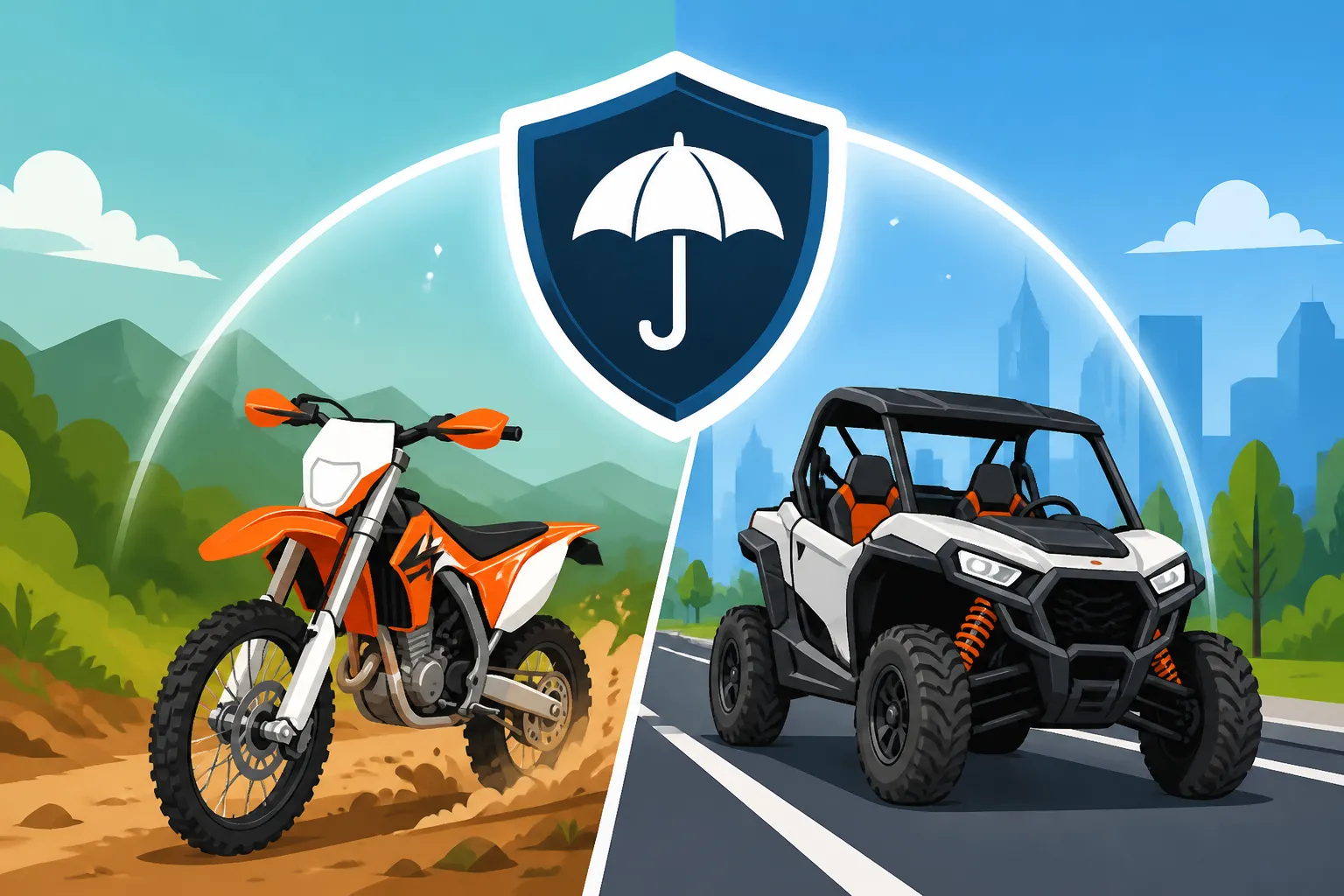
The moment your dirt bike earns its street-legal status, it ceases to be just an "off-road machine" in the eyes of the law and, crucially, in the eyes of insurance companies. It becomes a motorcycle, or specifically, a dual-sport motorcycle. Public roads introduce a whole new realm of risks, including collisions with other vehicles, pedestrians, and property that off-road policies simply aren't equipped to handle. Attempting to rely on an old off-road policy for a street-legal bike could leave you completely exposed in the event of an accident on a public road, potentially facing massive out-of-pocket expenses for damages, injuries, and legal fees. Insurers will almost certainly deny a claim if your policy explicitly excludes public road use and you were involved in an incident on a paved street. This is why understanding [Virginia Dirt Bike Conversion Rules] and the subsequent insurance implications is so vital.
Virginia's Minimum Insurance Requirements for Street-Legal Bikes
Unlike ATVs and UTVs, which have no mandatory insurance requirement in Virginia (you can read more about why [Virginia Bans ATVs on Public Highways]), once your dirt bike is legally converted for street use, it falls under the same insurance regulations as any other motorcycle in the Commonwealth. This means you must carry a minimum amount of liability insurance to legally operate it on public roads. This isn't just a suggestion; it's a legal obligation designed to ensure that if you are at fault in an accident, there's a financial safety net to cover the damages and injuries you might cause to others.
Virginia's minimum liability requirements, often expressed as a series of three numbers, are designed to cover bodily injury to others and damage to their property. These minimums generally break down into:
- Bodily Injury Liability Per Person: This is the maximum amount your insurance will pay for medical expenses, lost wages, and pain and suffering for any one person injured in an accident where you are at fault.
- Bodily Injury Liability Per Accident: This is the maximum amount your insurance will pay for all injuries sustained by all people in an accident where you are at fault, regardless of how many individuals are hurt.
- Property Damage Liability Per Accident: This is the maximum amount your insurance will pay for damage to other people's property, such as their vehicle, fences, or buildings, in an accident where you are at fault.
These minimums are the bare legal necessity. While they allow you to legally ride on the street, many financial advisors and insurance experts will tell you that these basic levels offer very little protection in serious accidents, where costs can easily skyrocket far beyond the minimums. It's a stark contrast to how off-road machines are treated, and unlike ATVs, for which [Virginia Has No Street-Legal UTV Path] is clear about no street legality, dirt bikes have a specific, albeit rigorous, path to road use.
As an alternative to carrying insurance, Virginia also has a financial responsibility certification option. This allows individuals to pay a substantial fee to the Department of Motor Vehicles (DMV) and certify that they can cover the minimum liability amounts themselves if an accident occurs. However, this is rarely a practical or advisable option for most riders, as it requires considerable liquid assets and still leaves you personally responsible for costs exceeding the certified amount. For the vast majority of street-legal dirt bike owners, purchasing a dedicated motorcycle insurance policy is the only sensible and secure route.
Understanding Your Coverage Options Beyond the Minimum
Meeting Virginia's minimum liability requirements is like putting on a helmet – it's the basic protection you absolutely need. However, just as you'd consider a full-face helmet for better protection over a half-shell, you should also think about insurance coverage that extends beyond the legal minimums. Your street-legal dirt bike represents a significant investment of both time and money, especially after all the effort involved in the conversion process and potentially adding aftermarket parts. Protecting that investment, and yourself, goes beyond simply covering the other guy.
Beyond Liability: Protecting Your Investment and Yourself
While liability coverage is essential for covering damages you cause to others, it does nothing to protect your own bike or yourself. For that, you need to explore additional coverages that are standard in motorcycle insurance policies.
- Comprehensive Coverage: This is your shield against events that aren't collisions. Think about theft – a very real concern for motorcycles, especially if you have a high-value bike or have invested heavily in conversion parts like lighting kits or specialized components from a brand like SuperATV. Comprehensive coverage would also protect against damage from vandalism, fire, natural disasters (like floods or hail), or even hitting an animal. If your bike is stolen from your garage or vandalized while parked, comprehensive coverage would step in.
- Collision Coverage: This is precisely what it sounds like: coverage for damage to your own motorcycle if it collides with another vehicle or object, regardless of who is at fault. If you accidentally lay your bike down or get T-boned by another driver, collision coverage would help pay for the repairs or replacement of your bike, up to its actual cash value. Considering the cost of repairs for a specialized dirt bike, this coverage is almost universally recommended.
- Uninsured/Underinsured Motorist (UM/UIM) Coverage: This is a crucial layer of protection that many riders overlook, but it's incredibly important. Despite mandatory insurance laws, far too many drivers on Virginia's roads are either uninsured or only carry the bare minimum liability. If you're involved in an accident caused by an uninsured driver, or a driver whose minimal coverage isn't enough to cover your injuries and damages, UM/UIM coverage will step in to cover your medical bills, lost wages, and property damage. Given the severe consequences of a motorcycle accident, this coverage can be a lifesaver, ensuring you're not left to shoulder astronomical costs because of someone else's irresponsibility.
These expanded coverages provide a much more robust safety net, safeguarding not just your street-legal dirt bike but also your financial well-being. When your bike has gone through the process of getting [Virginia Off-Road Motorcycle Conversion Titles], you want to make sure all that effort, and the value of your machine, is properly protected.
Additional Coverages to Consider for Peace of Mind
Beyond the core comprehensive and collision coverages, many insurers offer supplementary options that can further enhance your protection and peace of mind, especially for a unique machine like a converted dirt bike.
- Accessory Coverage: If you've invested in aftermarket parts to complete your conversion, like DOT-approved tires, mirrors, turn signals, or performance enhancements, standard collision or comprehensive coverage might only cover the bike's stock value. Accessory coverage, also known as custom parts and equipment (CPE) coverage, ensures that these added components are covered in the event of damage or theft. If you've upgraded with specialty parts from manufacturers like SuperATV, or installed a high-end exhaust system, you'll definitely want to list these items and ensure they are adequately covered. Imagine replacing a custom lighting system or reinforced skid plate if it’s damaged in a fall; this coverage makes sure those expenses are not entirely out of your pocket.
- Roadside Assistance: Breaking down on a rural Virginia road with a dirt bike can be a real hassle. This coverage can be a small addition to your policy but can save you a significant headache (and towing bill) by providing towing services to the nearest repair shop, battery jump-starts, or fuel delivery.
- Medical Payments Coverage (MedPay): This coverage helps pay for medical expenses for you and any passengers (if your bike is designed for two riders and you meet [Virginia Helmet Law Applies to Every Rider]) regardless of who is at fault in an accident. It can be a valuable supplement to your health insurance, often covering deductibles or co-pays, and can provide immediate relief for medical costs.
- Riding Gear Coverage: Your riding gear – helmet, jacket, gloves, boots – can be incredibly expensive and can be damaged or destroyed in an accident. Some insurers offer specific coverage for your protective gear, ensuring you can replace it without dipping into your own funds. This is a niche but very practical coverage for dedicated riders.
Considering these additional coverages can help create a truly comprehensive insurance package for your street-legal dirt bike, reflecting the unique nature of your converted machine and the specific risks you face on Virginia's roads.
How to Navigate the Insurance Market for Your Converted Dirt Bike
Once your dirt bike has officially received its [Virginia Off-Road Motorcycle Conversion Titles] and is ready for the road, the next step is to find the right insurance. This process can feel a little different than insuring a standard car or even a factory-built motorcycle, due to the unique nature of a converted machine. However, with a clear understanding of what insurers look for and how to present your bike, you can secure appropriate coverage.
Finding the Right Insurer for a Converted Dirt Bike
The good news is that many major insurance carriers that offer motorcycle policies are generally equipped to insure street-legal dirt bikes, often classifying them as "dual-sport" motorcycles. However, it's crucial to be transparent about the conversion process from the outset. Don't simply tell them it's a "motorcycle" without mentioning its dirt bike origins.
When you're getting quotes, clearly explain that your machine started as an off-road dirt bike and has undergone a legal conversion to meet federal and state requirements for street legality. Be ready to provide documentation, such as your title reflecting its new classification and any certification from the conversion process (like [Certifying a Converted Dirt Bike Meets Federal Safety Standards]). Some insurers might be more familiar with this process than others, so it's wise to shop around.
Here’s a practical approach:
- Start with Major Carriers: Companies known for their motorcycle insurance offerings are often a good starting point. They typically have more experience with a wider range of bike types and may have specific underwriting guidelines for dual-sport or converted machines.
- Specialty Insurers: There are also insurance companies that specialize in powersports vehicles. While your converted bike is now street legal, their expertise in off-road vehicles might make them more understanding of its origins and modifications.
- Be Upfront About Modifications: Detail all the components you added for street legality. If you've used high-quality parts from brands like SuperATV for turn signals, mirrors, or other essential street-legal components, make sure to mention them, especially if you opt for accessory coverage. This transparency helps ensure you get accurate coverage and prevents potential issues during a claim.
- Get Multiple Quotes: Never settle for the first quote. Insurance premiums can vary significantly between providers for the exact same coverage. Obtain at least three to five quotes to compare prices and policy features. This not only helps you find the most competitive rate but also allows you to gauge how different insurers view and value your converted dirt bike.
By being thorough and transparent, you increase your chances of finding an insurer who understands your street-legal dirt bike and offers a policy that truly protects you.
Factors That Influence Your Premium
Just like with any other vehicle, several factors will play a significant role in determining the cost of your insurance premium for a street-legal dirt bike. Understanding these can help you anticipate costs and potentially find ways to lower them.
- Rider's Profile: Your age, riding experience, driving record (including any past accidents or violations), and even where you live will influence your premium. A clean driving record and more riding experience often lead to lower rates. Younger, less experienced riders or those with recent infractions (like a [Virginia DUI Law and Off-Road Machines] conviction) will typically face higher costs.
- Bike's Characteristics: The make, model, year, and engine size of your dirt bike will directly impact your premium. High-performance bikes or those with larger engines typically cost more to insure due to higher repair costs and increased risk. The value of the bike itself also plays a role – a more expensive bike means higher potential payouts for comprehensive and collision claims.
- Value of Aftermarket Parts: If you've invested heavily in modifications beyond the basic street-legal requirements, especially performance-enhancing parts or high-end aesthetic upgrades, these can increase your premium if you opt for accessory coverage. When discussing coverage, highlight quality components from reputable brands like SuperATV that add value and durability. Insurers will factor in the cost to replace these parts.
- Coverage Limits and Deductibles: Choosing higher liability limits, or adding comprehensive, collision, and other optional coverages, will naturally increase your premium. However, selecting a higher deductible (the amount you pay out of pocket before your insurance kicks in for a claim) can often lower your overall premium. It’s a balance between monthly cost and what you're willing to pay if an incident occurs.
- Usage and Storage: How often you ride your bike, how many miles you put on it annually, and where it's typically stored can also influence rates. If your bike is primarily for weekend recreational use versus daily commuting, or if it's stored in a secure garage versus outdoors, these factors can be considered.
Remember, every insurer calculates risk differently, which is why comparing quotes is so essential. Some insurers might offer discounts for completing a motorcycle safety course, being a member of certain riding clubs, or bundling your motorcycle insurance with other policies like home or auto insurance. Asking about all available discounts can help chip away at the final cost. Be proactive in understanding these elements, as [Virginia Rules Riders Get Wrong] about various aspects of motorcycle ownership, and insurance is no exception.
Common Pitfalls and Smart Practices
Making your dirt bike street legal in Virginia is a significant undertaking, and managing its insurance requires just as much attention to detail. There are common mistakes riders make that can lead to coverage gaps, financial headaches, or even legal trouble. By being aware of these pitfalls and adopting smart practices, you can ensure your street-legal machine is adequately protected and you're riding with genuine peace of mind.
Avoiding Coverage Gaps and Misunderstandings
One of the biggest risks for owners of converted dirt bikes is assuming their existing off-road policy (if they had one) will simply transition to cover street use. As discussed, this is almost never the case. Here are crucial points to remember to avoid dangerous coverage gaps:
- Underinsuring is a False Economy: Opting for the absolute minimum liability coverage to save a few dollars on your premium can be a costly mistake. If you cause a serious accident, and the damages exceed your minimal coverage, you will be personally responsible for the rest. This could mean wage garnishments, seizure of assets, or even bankruptcy. Consider what kind of protection you'd want if you were the victim of an accident, and then apply that thinking to your own coverage.
- Read Your Policy Carefully: It sounds tedious, but actually reading through your policy documents is vital. Understand what's covered, what's excluded, and any specific conditions or limitations that apply to your converted dirt bike. If you have questions about specific components or scenarios, contact your agent for clarification. Don't assume. For instance, if you've added specialty parts, like a robust chain guide or a custom light bar from SuperATV, verify they're accounted for in your accessory coverage.
- Regularly Review Your Policy: Life changes, and so do your needs. Review your insurance policy annually, or whenever you make significant changes to your bike or riding habits. Did you add new modifications? Is your bike now stored in a different location? Has your financial situation changed? These are all reasons to re-evaluate your coverage. A quick call to your agent can often prevent future surprises.
- Understand Exclusions: Every insurance policy has exclusions – situations or types of damage that are not covered. For example, some policies might have specific exclusions if the bike is used in competitive racing, even if it's street legal. Be clear about how and where you intend to ride your converted dirt bike.
Ignoring these aspects can lead to devastating consequences, turning a joyful ride into a financial nightmare. Understanding what an officer can ask for during [Virginia Equipment Checks by Officers] usually includes proof of insurance for street-legal vehicles, further highlighting the necessity of proper coverage.
Documentation and Ongoing Maintenance
Beyond the policy itself, maintaining proper documentation and proactively communicating with your insurer are smart practices that can save you a lot of trouble down the road.
- Keep Records of All Modifications: This is especially important for a converted dirt bike. Document every step of the street-legal conversion process, including receipts for all parts purchased (mirrors, lights, horn, DOT tires, etc.), inspection reports, and any official certification you received. This documentation is invaluable for demonstrating the bike's street-legal status and for supporting claims if custom parts need replacing. If you bought specific parts from a brand like SuperATV, keep those invoices handy.
- Take Photos of Your Bike: Before and after the conversion, and after adding any significant modifications, take clear, dated photos of your bike. These images can serve as proof of its condition and the presence of custom parts, which can be critical during the claims process.
- Communicate Changes to Your Insurer: If you make significant modifications to your bike after the initial policy is set up, such as upgrading an engine component or adding substantial accessory items, inform your insurance company. While it might slightly adjust your premium, it ensures your coverage accurately reflects the bike's current value and configuration. This prevents situations where a claim might be denied because the insurer wasn't aware of the changes.
- Understand Legal Classifications: Your dirt bike, once converted, is no longer just an "off-road machine." It's now a "motorcycle" or "dual-sport." This classification impacts everything from insurance to how an accident is reported (it would be a motorcycle crash, not an ATV crash, linking to [Virginia Accident Reporting for an ATV Crash]).
By diligently following these smart practices, you'll be well-prepared for any situation, ensuring your street-legal dirt bike adventure in Virginia is as smooth and worry-free as possible.
Comparison of Off-Road vs. Street-Legal Dirt Bike Insurance
To help illustrate the critical differences, here's a quick comparison of typical off-road ATV/dirt bike insurance versus what you need for a street-legal dirt bike in Virginia.
| Feature | Off-Road ATV/Dirt Bike Insurance (Typical) | Street-Legal Dirt Bike Insurance (Virginia) |
|---|---|---|
| Legal Requirement | Generally optional in Virginia; no state mandate for public roads. | Mandatory liability insurance required for operation on public roads. |
| Primary Use Covered | Private property, designated trails, off-road parks. Excludes public roads. | Public roads, highways, and potentially also designated trails (dual-sport). |
| Liability Coverage | Often basic, limited to off-road incidents or property damage on private land. | Standard liability for bodily injury and property damage to others on public roads, meeting state minimums. |
| Comprehensive/Collision | Optional, covers theft, fire, damage during off-road use. | Highly recommended, covers theft, fire, collision damage to your bike on or off-road. |
| Uninsured/Underinsured | Not typically a feature for off-road policies. | Crucial optional coverage for accidents with inadequately insured drivers on public roads. |
| Accessory Coverage | May be available for off-road specific modifications. | Available and recommended for street-legal conversion parts and other aftermarket additions (e.g., SuperATV components). |
| Driver's License | Not required for operation solely off-road. | Required for operation on public roads. |
| Helmet Requirement | Often recommended, sometimes required by park rules. | Mandatory for all riders on public roads in Virginia. |
| Penalties for No Ins. | No state-level penalty for off-road use without insurance. | Fines, potential license/registration suspension, impoundment for riding on public roads without valid insurance. |
This table clearly highlights that the shift from off-road to street legal is not just about adding lights and mirrors; it fundamentally changes the legal and insurance landscape for your dirt bike.
Disclaimer
This article is for general informational purposes only and does not constitute professional advice. Laws, prices and regulations vary by location and change over time. Consult a qualified professional for guidance on your specific situation.