A 70cc Machine for a Rider Under 12
Parents often dream of sharing their passion for ATV riding with their children, picturing joyous rides through the Virginia countryside. However, navigating the specific rules and ensuring safety for the youngest riders can feel like a maze, especially when trying to understand what machine is appropriate for a child under 12. This guide will cut through the confusion, detailing Virginia's regulations regarding 70cc ATVs for riders under 12, offering practical advice, and highlighting crucial safety considerations to help you confidently introduce your child to the world of off-road adventure.
Virginia's Age and Engine Size Regulations for ATVs
It's natural for parents to want to get their children started early, but Virginia has very specific laws governing who can ride what, particularly for minors. Unlike some states that might offer a "supervised exception" for younger riders on larger machines, Virginia takes a hard line based primarily on age and engine displacement. This means the law isn't just a suggestion; it's a clear boundary designed to protect young riders.
The Hard and Fast Rules for Minors
In Virginia, if your child is under the age of 12, they are legally permitted to operate an ATV, but with a strict limitation: the engine size cannot exceed 70 cubic centimeters (cc). This isn't a guideline; it's a firm legal requirement enshrined in state law. There's no wiggle room here, no "if a parent is present" clause that allows them onto a larger machine. If a law enforcement officer observes a child under 12 on an ATV larger than 70cc, regardless of how experienced the child might be or how closely a parent is supervising, a violation has occurred. This rule applies whether you're on private land, a designated trail system like Spearhead Trails, or anywhere else an ATV might be ridden legally. [Virginia ATV Age Requirements] are clear on this point, making it essential for parents to understand and adhere to these regulations for their child's safety and to avoid legal penalties.
This specific limit is often a point of frustration for parents who might have an older, slightly larger youth ATV from another state or an older sibling. They might wonder why a child, even a tall or well-coordinated one, can't ride a 90cc machine if supervised. The state's intent is to remove the ambiguity that supervision clauses can create. It aims to prevent situations where a parent might overestimate a child's ability or underestimate the power of a machine, leading to accidents. The 70cc limit for riders under 12 is a proactive safety measure, setting a clear, objective standard that everyone can understand and follow.
Why Engine Size Matters More Than Supervision
Virginia's legal framework for youth ATV operation emphasizes engine size over supervision for a very fundamental reason: inherent machine capability. While supervision is always critical, it cannot fundamentally alter the power, weight, and speed characteristics of an ATV that is too large for a young rider. A 90cc or 125cc machine, even a "youth" model, simply has more horsepower and torque than a 70cc one. This increased power translates directly to higher potential speeds and quicker acceleration, which can quickly overwhelm a child's developing reflexes, strength, and judgment. The state believes that children under 12, as a general group, lack the physical strength to properly control a larger machine in challenging terrain, and the cognitive ability to consistently make split-second decisions at higher speeds. [Age Limits Set by Engine Size, Not by Supervision] is a core principle of Virginia's ATV laws.
Furthermore, a larger engine often comes with a larger and heavier chassis. This can make the ATV harder to maneuver, especially for a child who may not have the body weight or strength to shift their balance effectively to control the machine through turns, over bumps, or when encountering unexpected obstacles. In an emergency braking situation or when trying to recover from a skid, the sheer mass of a larger ATV can be too much for a young rider, potentially leading to a loss of control and an accident. Even with an adult riding alongside, the primary control of the machine rests with the child, and if that machine is beyond their physical and mental capacity, supervision can only do so much to prevent an incident. This is why [Virginia Has No Supervision Escape Clause] for machines that exceed the specified engine limits for certain age groups. The law is designed to prevent children from being put in situations where their machine capabilities outstrip their own, regardless of how well-meaning the adult supervisor might be.
Understanding the 70cc Limit for Young Riders
The 70cc designation isn't just an arbitrary number; it represents a category of ATVs specifically designed with younger, lighter, and less experienced riders in mind. These machines are built to be manageable, predictable, and forgiving, prioritizing safety features suitable for children under 12. When you're looking at youth quads, understanding what that "70cc" truly signifies is key to making an informed choice for your child.
What "70cc" Really Means for a Youth ATV
When we talk about a 70cc ATV for a child under 12 in Virginia, we're not just talking about the engine's displacement. We're generally referring to a class of machines that are fundamentally different from adult ATVs, and even from larger youth models. These ATVs are engineered with several key characteristics that make them appropriate for this age group. Typically, they are much lighter, with a narrower stance and a lower seat height, ensuring that a child can comfortably reach the handlebars and footrests, and easily touch the ground with both feet. This proper fit is paramount for control and confidence. Many 70cc models also come standard with parental control features, such as an adjustable throttle limiter that allows adults to restrict the top speed of the ATV. This means you can start your child off at a slower, more manageable pace and gradually increase the speed as their skills and confidence grow. Some even include a remote kill switch or tether, allowing an adult to stop the engine from a distance if needed, adding an extra layer of safety.
Beyond these features, 70cc ATVs are often equipped with automatic transmissions, eliminating the complexity of shifting gears and allowing young riders to focus solely on steering, throttle, and braking. They have simplified controls and often a less aggressive suspension setup, designed for smoother, less demanding terrain. While they certainly provide plenty of fun, their power output is intentionally modest, preventing the machine from reaching speeds that could quickly become dangerous for an inexperienced rider. The design philosophy behind a 70cc youth quad is all about building confidence and teaching fundamental riding skills in a controlled, safe environment.
The Rationale Behind the Specific Displacement
The 70cc limit for riders under 12, and similar displacement-based age limits, are often derived from recommendations by organizations focused on ATV safety, as well as input from manufacturers. These recommendations consider a variety of factors related to child development, including physical strength, hand-eye coordination, reaction time, and risk assessment abilities. At an early age, children are still developing these crucial skills, and putting them on a machine that requires more advanced physical or cognitive input than they possess can lead to serious injury. A 70cc engine typically provides enough power to be exciting and allow for exploration on appropriate terrain, but not so much that it becomes uncontrollable or capable of excessive speed.
Consider the power-to-weight ratio. A larger engine in a slightly heavier youth frame still results in a more powerful machine that can accelerate faster and achieve higher top speeds. For a child under 12, who might weigh 50-80 pounds, a sudden surge of power from a 90cc or 110cc engine could easily unbalance them or cause them to react improperly. The 70cc category strikes a balance, offering sufficient capability for learning and enjoyment without the inherent risks associated with higher performance. It's about ensuring that the machine's capabilities align with the typical developmental stage of a child in that age bracket, promoting a safer learning experience. When reviewing [Virginia Riders Under 12 and 70cc], it becomes clear the state has chosen a conservative, safety-first approach to protect its youngest off-road enthusiasts.
Safety Considerations and Best Practices for Under-12 Riders
While Virginia law dictates the maximum engine size for young riders, genuine safety goes far beyond legal compliance. Equipping your child with the right gear and instilling responsible riding habits are perhaps even more critical than the machine itself. Without proper protection and guidance, even a 70cc ATV can pose risks.
Essential Safety Gear and Its Importance
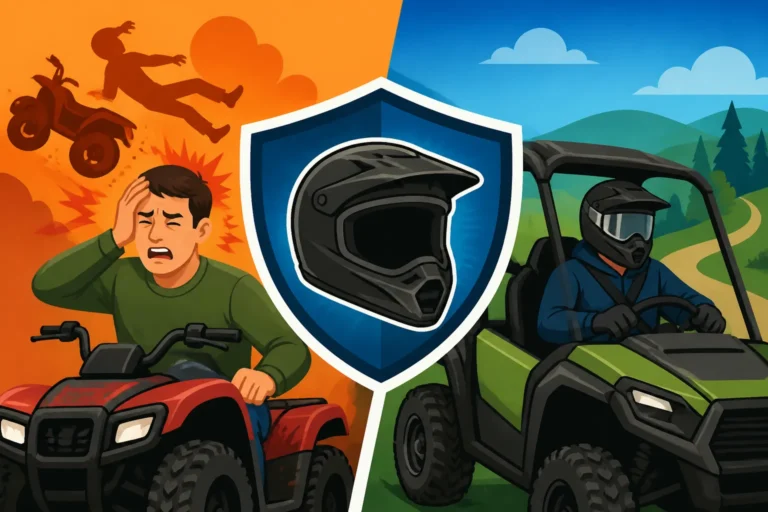
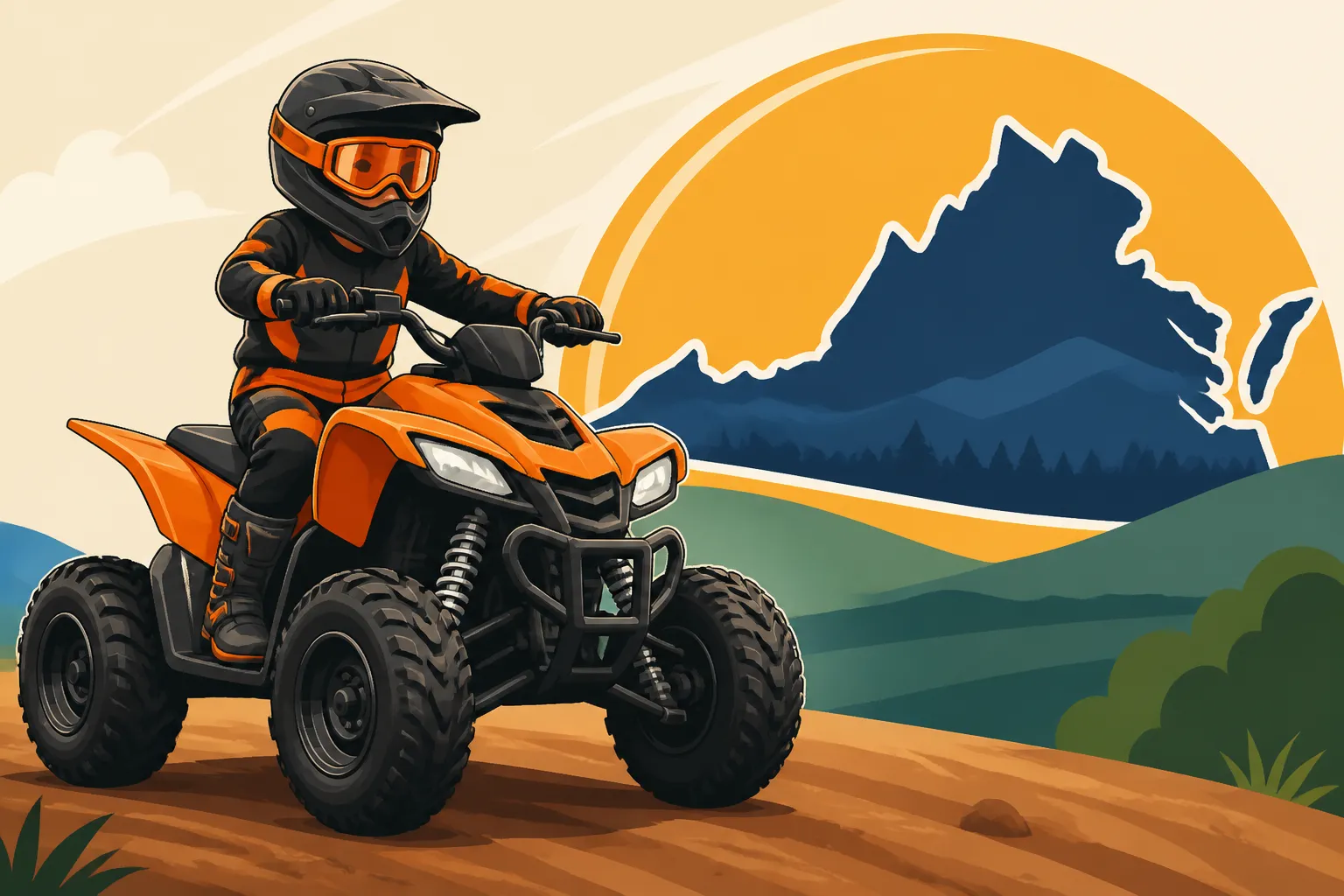
It cannot be stressed enough: every time your child (or anyone, for that matter) gets on an ATV, they must wear appropriate safety gear. This isn't optional; it's non-negotiable. The core pieces of gear include a DOT-approved helmet, eye protection (goggles), long sleeves and pants, over-the-ankle boots, and gloves. Each piece serves a vital purpose. The helmet, of course, protects the head from impact. Virginia law is explicit that [Virginia Helmet Law Applies to Every Rider], regardless of age or experience, on any public land or designated trail system. Eye protection shields against dust, debris, branches, and insects, ensuring clear vision, which is critical for safe riding.
Long sleeves and pants, ideally made from durable material like denim or specialized riding gear, protect against scrapes, cuts, and minor impacts, as well as providing some sun protection. Over-the-ankle boots protect the feet and ankles from impacts, crushing injuries, and ensure a firm grip on the footpegs. Gloves protect hands from blisters, provide better grip on the handlebars, and offer some impact protection. For very young riders, or those who are just starting out, additional gear such as a chest protector or elbow/knee pads can offer extra reassurance and protection against falls. Investing in good quality gear that fits properly is just as important as choosing the right ATV itself. Think of it as investing in your child's well-being and confidence on the trails.
Supervision and Training: Beyond the Law
While Virginia law doesn't have a specific "supervised escape clause" for allowing kids onto bigger machines, adult supervision and formal training are absolutely paramount for fostering safe riding habits in young children. Just handing a child the keys to a 70cc ATV, even if it's legally appropriate, is not enough. An adult should always be present and attentive when a child under 12 is riding. This supervision isn't just about watching for immediate hazards; it's about actively teaching and reinforcing safe riding practices. This includes demonstrating proper posture, throttle control, braking techniques, and how to navigate different types of terrain.
Consider enrolling your child in an ATV safety course, such as those offered by the ATV Safety Institute (ASI). While [Virginia Has No Safety Course Requirement], these courses teach valuable hands-on skills and provide crucial knowledge about ATV operation, environmental responsibility, and trail etiquette. A certified instructor can identify and correct bad habits early, giving your child a solid foundation for a lifetime of safe riding. Even after a course, continued supervision and practice in varied but controlled environments are essential. An adult can ride their own ATV alongside the child, or walk nearby, offering real-time coaching and intervening if necessary. This mentorship approach builds confidence and competence far more effectively than simply letting a child learn through trial and error.
Choosing the Right 70cc ATV for a Young Rider
Selecting the perfect 70cc ATV for your child is an exciting step, but it requires careful consideration. It's not just about finding any machine that meets the engine size requirement; it's about finding one that fits your child physically, has appropriate safety features, and will grow with their emerging skills.
Key Features to Look For
When you're in the market for a 70cc ATV for a rider under 12, there are several key features that can make a huge difference in safety, comfort, and the overall learning experience. First and foremost, ensure the ATV is the right physical size for your child. They should be able to sit comfortably, reach the handlebars without stretching, and easily operate the brakes and throttle. Crucially, they should be able to touch the ground with both feet while seated. This provides stability and confidence, especially when stopping or navigating slow turns. Look for models with an adjustable throttle limiter. This feature allows you to control the top speed, letting your child start at a very slow pace and gradually increasing it as their skills develop. This is invaluable for preventing them from getting overwhelmed.
Another highly recommended feature is a remote kill switch or a safety tether, which allows an adult to instantly shut off the engine if the child gets into trouble or loses control. Electric start is also a huge plus, making it easier for children to start the machine independently and reducing frustration. While many 70cc models have automatic transmissions, confirm this to avoid unnecessary complexities for a beginner. Finally, look at the overall build quality. Even for a youth machine, durability is important, especially when considering the inevitable bumps and scrapes of learning to ride. You might also consider adding aftermarket accessories from a reputable brand like SuperATV, such as a sturdy whip flag for visibility on trails, or perhaps extra skid plates if your child will be riding on rocky terrain. These additions can enhance both safety and the machine's longevity.
New vs. Used: Making an Informed Decision
Deciding whether to buy a new or used 70cc ATV involves weighing several factors, including cost, condition, and peace of mind. A new 70cc ATV typically comes with a warranty, the latest safety features, and the assurance that it hasn't been subjected to previous wear and tear. You'll likely have more choices in terms of color and specific models, and the dealer might offer setup services and initial maintenance checks. However, new machines come with a higher price tag. On the other hand, purchasing a used 70cc ATV can be significantly more budget-friendly, which is appealing given that children grow out of these machines relatively quickly. This also means you can often get a higher-quality machine for the same budget as a new entry-level model. [Virginia Title for a Youth Quad] is an important consideration for both new and used machines.
If you opt for a used ATV, thorough inspection is absolutely critical. Check the frame for cracks or bends, which can indicate previous accidents. Test the brakes, throttle, and steering to ensure they operate smoothly and are not loose. Examine the tires for excessive wear and the suspension components for leaks or damage. Ask about the machine's maintenance history and how it was stored. If possible, have a knowledgeable mechanic inspect it, or bring a friend who is experienced with ATVs. When buying from a private seller, always ensure you get a clear [Building a Paper Trail When You Buy a Used Quad], including a bill of sale and the properly signed-over title (if applicable), to prove ownership. Be wary of machines with no paperwork. While a used ATV can be a fantastic value, due diligence is key to avoiding hidden problems and ensuring your child's safety.
Virginia ATV Age and Engine Size Rules Summary
To help clarify the core regulations for youth ATV riders in Virginia, here's a quick summary of the legal requirements based on age and engine displacement. This table focuses on the primary restrictions that every parent needs to know before their child rides an ATV in the Commonwealth.
| Age Group | Maximum Engine Size (CC) | Key Virginia Law | Special Considerations |
|---|---|---|---|
| Under 12 years old | 70cc | VA Code § 46.2-915.1 | No exceptions for adult supervision on larger machines. |
| 12 to 15 years old | 90cc | VA Code § 46.2-915.1 | No exceptions for adult supervision on larger machines. |
| 16 years and older | No engine size limit | VA Code § 46.2-915.1 | Must comply with all adult ATV laws (e.g., helmet use). |
This table provides a concise overview of the legal framework. Remember, these are the minimum legal requirements, and best practices for safety, such as wearing all recommended gear and continuous supervision, always go above and beyond what the law mandates. By adhering to these rules and prioritizing safety, you can ensure that your child's introduction to ATV riding is both fun and safe.
Choosing the right 70cc ATV and following Virginia's regulations are the first steps toward a safe and enjoyable off-road experience for your child. Remember that while the law provides a framework, your active involvement in supervision, training, and setting good examples is what truly makes the difference in fostering responsible riders. With the right preparation, your young adventurer can confidently and safely explore the trails, creating lasting memories.
Disclaimer
This article is for general informational purposes only and does not constitute professional advice. Laws, prices and regulations vary by location and change over time. Consult a qualified professional for guidance on your specific situation.