Riding the Pocahontas Trail on Bill Young Mountain
Heading out to ride the Pocahontas Trail, especially the challenging terrain around Bill Young Mountain, is an adventure many Virginia ATV and UTV enthusiasts dream of. But preparing for this iconic Appalachian experience can feel overwhelming, from understanding permits to knowing what gear truly matters on these rugged paths. This guide will walk you through everything you need to know to confidently conquer the Pocahontas Trail, ensuring you're ready for the breathtaking views and exhilarating rides this unique area offers.
Getting to Know the Pocahontas Trail System and Bill Young Mountain
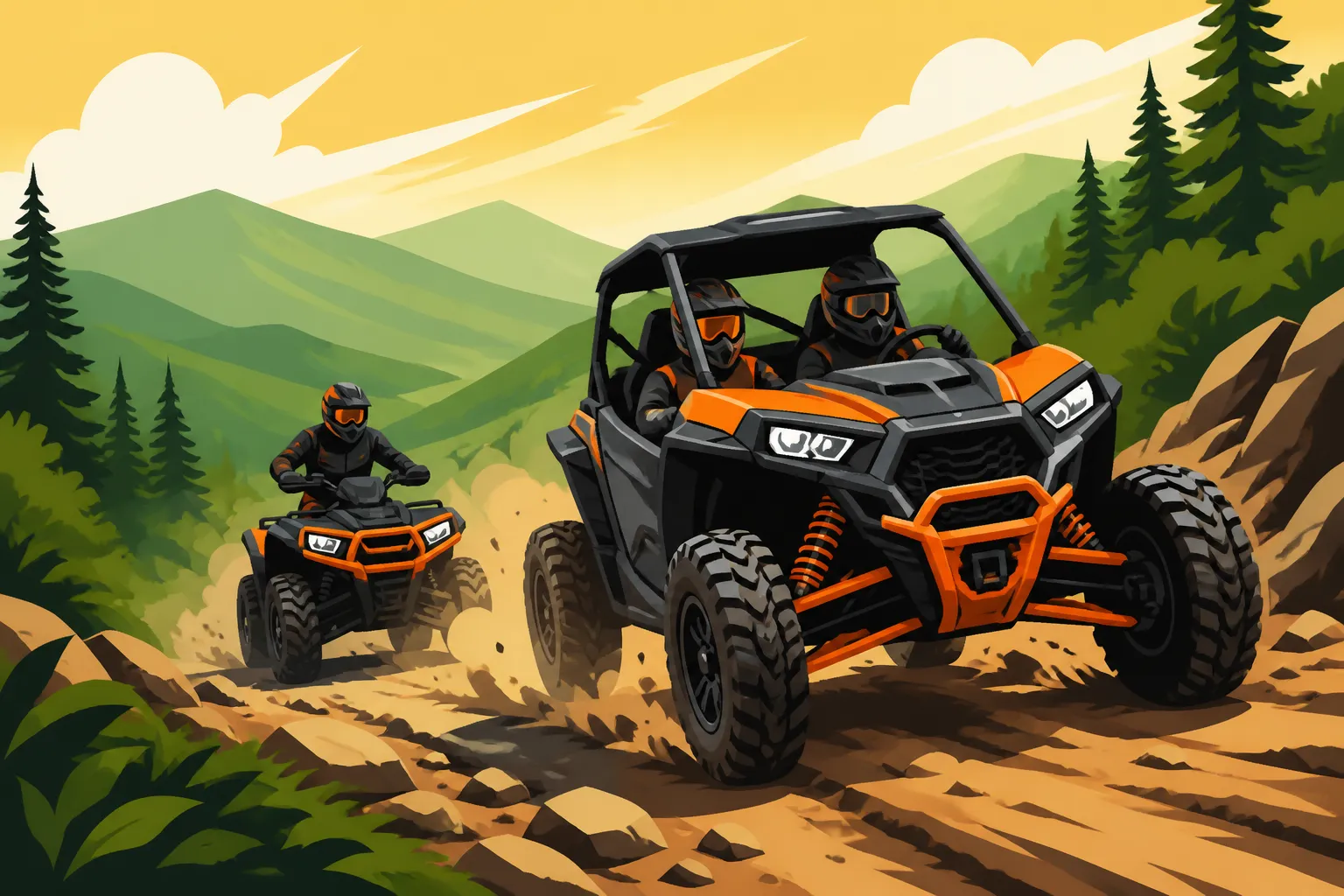
The Pocahontas Trail System, part of the larger Spearhead Trails network in Southwest Virginia, holds a special place in the hearts of off-road riders. It’s known for its incredibly diverse terrain, from smooth, flowing sections perfect for cruising to gnarly rock gardens and steep, technical climbs that will test even the most experienced riders. Bill Young Mountain specifically offers some of the system's most memorable and challenging sections, making it a true destination for those seeking an authentic Appalachian trail experience.
The Landscape and Unique Challenges of Bill Young Mountain
Bill Young Mountain isn't just a name on a map; it represents a specific kind of rugged beauty and an inherent set of riding challenges. You're talking about elevations that demand power from your machine and skill from your hands. The trails here often feature a mix of loose gravel, hard-packed dirt, and exposed rock ledges. After a good rain, sections can become muddy and slick, adding another layer of complexity. It's not uncommon to encounter washouts or tree roots that have been exposed by erosion, requiring keen attention and precise steering.
Riding on Bill Young Mountain means you need to be prepared for the unexpected. Blind corners can hide sudden drops or technical sections. The sheer remoteness in some areas means you can't always rely on cell service, making self-sufficiency and riding with a buddy absolutely crucial. Many riders have found themselves grateful for the extra ground clearance provided by aftermarket lift kits, or the added protection of heavy-duty skid plates, particularly when navigating the rockier sections.
Understanding Spearhead Trails Permits and Rules
Before you even think about hitting the Pocahontas Trail, you need to sort out your permit. The Spearhead Trails systems, including Pocahontas, operate on a permit-based entry system. This isn't just a formality; it's how these amazing trails are maintained and expanded, ensuring they remain accessible for all of us. You'll need a specific Spearhead permit, and it's important to remember that this permit is distinct from any national forest permits you might need for other riding areas. You can choose between a single-day, three-day, or annual permit, depending on how long you plan to stay and explore.
It’s easy enough to purchase these permits online or at various vendors in the trail towns surrounding the system. Just be ready to show identification, as your permit is tied to your name. When you're out on the trails, trail rangers periodically check permits, so always have yours readily accessible, whether it's a printout or on your phone. Beyond the permit, Spearhead Trails has a few core rules, such as helmet use, a 25 mph speed limit, and staying on marked trails, all designed to keep riders safe and preserve the natural beauty of the area. Familiarize yourself with the [Virginia Helmet and Eye Protection Rules on Trail] before your trip.
Essential Gear and Machine Prep for Bill Young Mountain
Riding Bill Young Mountain isn't your average Sunday cruise; it demands a well-prepared machine and a thoughtful packing list. The diverse terrain, potential for sudden weather changes, and the sheer remoteness of some areas mean that cutting corners on preparation could quickly turn an adventure into a predicament. Taking the time to properly equip yourself and your machine will make all the difference in having a safe and enjoyable experience.
Pre-Ride Machine Checks and Upgrades
Before you even load up your ATV or UTV, a thorough pre-ride inspection is non-negotiable. Check your tire pressure, making sure it’s appropriate for the varied terrain you'll encounter – too high, and you'll bounce; too low, and you risk a pinch flat. Inspect your brakes, lights, and fluid levels. Pay close attention to your suspension, looking for any leaks or excessive play. The Appalachian trails are tough on machines, and a small issue at home can become a major breakdown miles from help.
For the challenging conditions on Bill Young Mountain, some upgrades are highly recommended. Heavy-duty skid plates, often found from brands like SuperATV, are practically essential to protect your machine's undercarriage from rocks and debris. A strong winch, mounted on the front of your ATV or UTV, can be a lifesaver for yourself or a fellow rider stuck in mud or on a steep incline. Knobby, aggressive tires are also a wise investment for better traction on loose surfaces. Considering the technical climbs, an upgraded drive belt or heavier-duty axles can also provide peace of mind. Remember, the goal is to reinforce your machine against the rigors of the mountain.
Personal Gear and Emergency Preparedness
Your personal gear list goes far beyond just a helmet. While a DOT-approved helmet is legally required and absolutely crucial for your safety, don't forget eye protection like goggles, sturdy boots that cover your ankles, gloves, and durable riding pants and jersey. The weather in the mountains can be unpredictable, so packing layers is smart. A lightweight rain jacket, even on a sunny day forecast, can save you from an unexpected downpour. For more on what to expect from the climate, check out [Virginia Mountain Weather on the Trail].
Beyond what you wear, think about emergency preparedness. A small backpack with water, snacks, a first-aid kit, a flashlight or headlamp, a multi-tool, and a basic repair kit (zip ties, duct tape, tire repair kit) is essential. Given the spotty cell service, consider carrying a satellite communication device for emergencies. Always tell someone your riding plan and expected return time. It's better to be overprepared than caught off guard in the middle of a remote section of Bill Young Mountain. Knowing [Packing for Mountain Weather] is key for an enjoyable trip.
Navigating the Trails and Local Considerations
Riding the Pocahontas Trail on Bill Young Mountain is an immersive experience, but it requires more than just throttle control. Understanding how to navigate, respecting the environment, and being aware of local nuances will elevate your ride from good to unforgettable. These trails are a privilege, and how we ride impacts future access and the natural beauty around us.
Trail Etiquette and Environmental Responsibility
When you're out on Bill Young Mountain, remember that you're a guest in a stunning natural environment and also a representative of the off-road community. Stick to marked trails at all times; venturing off-trail damages fragile ecosystems and can lead to trail closures. [Virginia Trail Rules for Riders Under 18] and all other age groups emphasize staying on the designated paths. Respect private property boundaries and any signage you encounter. This isn't just about avoiding legal trouble, but about being a responsible outdoor enthusiast.
Pocahontas is beautiful, so let's keep it that way. Pack out everything you pack in, and if you see any litter, consider picking it up. Slow down and yield to hikers or horseback riders if you encounter them, as they have different expectations of the trail experience. Dust control is also a factor; if you're riding in a group, maintain enough space to reduce dust clouds for those behind you. These simple acts of courtesy and responsibility ensure the trails remain open and enjoyable for everyone, for years to come.
Safety on Steep Climbs and Descents
Bill Young Mountain is famous for its elevation changes, which means you'll face some thrillingly steep climbs and descents. These sections demand a different approach than flat cruising. On climbs, maintain a steady throttle, lean forward, and keep your weight centered or slightly forward to maintain traction on the front wheels and prevent wheelies. Avoid sudden throttle changes, which can cause you to lose traction or spin out. Your machine will appreciate the extra grunt from a high-quality aftermarket clutch kit, especially if you’re running larger tires or carrying extra gear.
For descents, gravity is not always your friend. Engage low gear on your UTV or use engine braking on your ATV to help control your speed, reducing reliance on your brakes and preventing them from overheating. Keep your feet firmly planted on the footpegs and lean back slightly, maintaining a stable body position. Avoid sudden braking, especially on loose terrain, as this can cause skidding and loss of control. Always look ahead, anticipate the terrain, and be ready to react smoothly. For side-by-sides, ensuring seatbelts are fastened and passengers are braced for the ride is critical. Consider a rugged roll cage from a brand like SuperATV for added safety on those intense sections.
Local Amenities and Support in Trail Towns
One of the great joys of riding Spearhead Trails is the genuine hospitality you'll find in the surrounding trail towns. Places like Richlands, Grundy, or Pocahontas itself are geared towards off-road enthusiasts. You’ll find motels, cabins, and campgrounds that welcome riders, often with dedicated parking for trucks and trailers. Many towns have local restaurants serving up hearty Appalachian fare, perfect for refueling after a long day on the trails. When planning your trip, consider places listed for [Virginia OHV Camping With Trail Access] or [Virginia Trails With Cabins Nearby].
Beyond food and lodging, these communities often have gas stations that understand the needs of ATV/UTV riders, and some even have small shops that stock basic parts or offer minor repairs. It’s always a good idea to bring your own spare parts, but knowing there's local support if you run into a major issue provides extra peace of mind. Supporting these local businesses is a fantastic way to show appreciation for the trails and the communities that host them. They truly make the riding experience complete.
Beyond the Ride: Amenities and Local Etiquette
After a thrilling day exploring the Pocahontas Trail on Bill Young Mountain, the experience isn't over when you park your machine. The surrounding area offers more to discover, and understanding local customs and available amenities will enrich your entire trip. From cleaning up your machine to exploring nearby attractions, there are plenty of ways to extend your adventure responsibly.
Post-Ride Cleanup and Maintenance
Your machine just worked hard on Bill Young Mountain, covered in everything from coal dust to mud. A proper post-ride cleanup isn't just about aesthetics; it's crucial for your machine's longevity and performance. Mud and grime can hide damage, corrode components, and even clog radiators, leading to overheating. Most trail towns have pressure wash stations, or you can find self-service car washes that welcome ATVs and UTVs. Take the time to thoroughly spray down your machine, paying attention to the undercarriage, suspension components, and radiator.
Once clean, it's a good time for a quick inspection. Check for any new dents, scrapes, or loose bolts. Lubricate moving parts like chain and suspension bushings. If you noticed any performance issues during your ride, now is the time to address them or schedule maintenance. Keeping your machine in top shape means it’ll be ready for your next adventure on the Appalachian trails. A clean machine is a happy machine, and prevents tracking mud into your lodging or onto the highway. You might refer to [Washing Coal Dust Off a Machine] for more specific tips.
Exploring the History and Culture of Southwest Virginia
Southwest Virginia, especially the area surrounding the Pocahontas Trail, is rich in history and Appalachian culture. Taking some time to explore beyond the trails can add a fascinating dimension to your trip. The town of Pocahontas itself is a historic coal mining town with a fascinating past, including the Pocahontas Exhibition Mine and Museum where you can learn about the region's industrial heritage. Other nearby towns offer unique local shops, antique stores, and small museums that tell the stories of mountain life, music, and traditions.
You'll find that the people in these communities are genuinely friendly and proud of their heritage. Striking up a conversation with a local often reveals hidden gems, whether it's the best place for a home-cooked meal or a lesser-known scenic overlook. Respecting local customs and engaging positively with the community helps foster good relationships between riders and residents, ensuring continued support for the trail systems we all enjoy.
Planning Your Next Adventure and Connecting with Fellow Riders
The Pocahontas Trail on Bill Young Mountain is just one part of the incredible network of riding opportunities in Virginia and the surrounding states. If you loved the challenge and beauty, you might want to start planning your next trip. Consider exploring other Spearhead Trails systems like Coal Canyon or Mountain View, which offer different landscapes and riding styles. [Spearhead Trails in Virginia Explained] offers a great overview. You could also research riding areas in neighboring states like West Virginia or Kentucky, many of which are just a short drive away.
Connecting with local ATV/UTV clubs or online forums is a fantastic way to discover new trails, get riding tips, and even find riding buddies. These communities are often a wealth of information about trail conditions, upcoming events like poker runs or charity rides, and the best places to grab a bite to eat. Sharing your experiences and learning from others helps build a stronger, more vibrant off-road community, ensuring that the spirit of adventure on trails like Pocahontas continues to thrive.
| Feature | Description | Why It Matters on Bill Young Mountain |
|---|---|---|
| Spearhead Permit | Required for trail access, supports maintenance. | Legal access, ensures trails are cared for, rangers may check. |
| DOT Helmet | Mandatory safety gear for all riders. | Protection from falls, legally required, crucial on technical terrain. |
| Winch | Mechanical device for pulling/recovering machines. | Essential for self-recovery or assisting others on steep, muddy, or rocky sections. |
| Skid Plates | Underbody protection for your machine. | Guards against rocks, roots, and debris common on rugged Appalachian trails. |
| Aggressive Tires | Tires with deep tread for enhanced grip. | Improved traction on loose gravel, mud, and climbing steep grades. |
| First-Aid Kit | Basic medical supplies for minor injuries. | Essential for remote riding where help can be hours away. |
| Communication Device | Satellite messenger or reliable two-way radio (cell service is spotty). | Critical for emergencies in areas without cell reception. |
| Rain Gear | Waterproof jacket and pants. | Mountain weather can change rapidly, keeping you dry prevents hypothermia. |
Disclaimer
This article is for general informational purposes only and does not constitute professional advice. Laws, prices and regulations vary by location and change over time. Consult a qualified professional for guidance on your specific situation.