Written Consent Before You Cross a Line
One of the trickiest parts of enjoying your ATV or UTV in Virginia is figuring out exactly where you can legally ride, especially when it comes to private land. Many riders mistakenly believe that if land isn't marked with "No Trespassing" signs, it's fair game. However, Virginia law is very clear: you need permission, and often written permission, before you cross onto someone else's property with your machine. This guide will walk you through the ins and outs of Virginia's written consent requirements for ATV and UTV riders, helping you understand how to ride legally and avoid costly mistakes.
Understanding Virginia's Private Land Rules for ATVs
It's a common misconception among off-road enthusiasts: if you don't see a "No Trespassing" sign, the land is open. Unfortunately, that's simply not how it works in Virginia. The burden of knowing whose land you're on and having explicit permission rests entirely on the rider. This isn't just about avoiding a cranky landowner; it's about adhering to the law and showing respect for private property rights. Imagine a stranger driving through your backyard because you didn't put up a sign – it just wouldn't fly. The same principle applies when you're out on the trails.
The General Principle: Private Property is Not a Free-for-All
In Virginia, all land is generally considered private unless it is explicitly designated as public land (like a state park, national forest, or a designated public trail system). This means that any field, wooded area, abandoned road, or even a seemingly overgrown path could very well be someone's private property. Simply because it looks unused or unkempt doesn't make it public access. This is why just jumping on your machine and exploring can lead to serious legal trouble. You might think you're just enjoying a quiet ride, but to the landowner, you're a trespasser. Always assume land is private unless you have definitive proof otherwise, and even then, permission is key. The law is designed to protect landowners from unauthorized use, and ignorance is rarely a valid defense.
Why Written Consent Matters
While verbal permission from a landowner might seem sufficient, it can quickly become a "he-said, she-said" situation if an issue arises. This is where [Virginia Written Consent on Private Land] becomes not just helpful, but truly critical. Written consent provides a clear, undeniable record that you have permission to be on a specific property with your ATV or UTV. Without it, you could be cited for trespassing, your machine could potentially be impounded, and you could face significant fines or even civil lawsuits for damages. Picture this: you've been riding on a neighbor's property for years with their verbal OK. Then, the property changes hands, or the original owner forgets, or a misunderstanding happens. Suddenly, you're facing a law enforcement officer who has no record of your permission, and your word against the landowner's. Written consent eliminates this ambiguity, protecting both you and the landowner by clearly outlining the terms of access.
What Constitutes "Written Consent"?
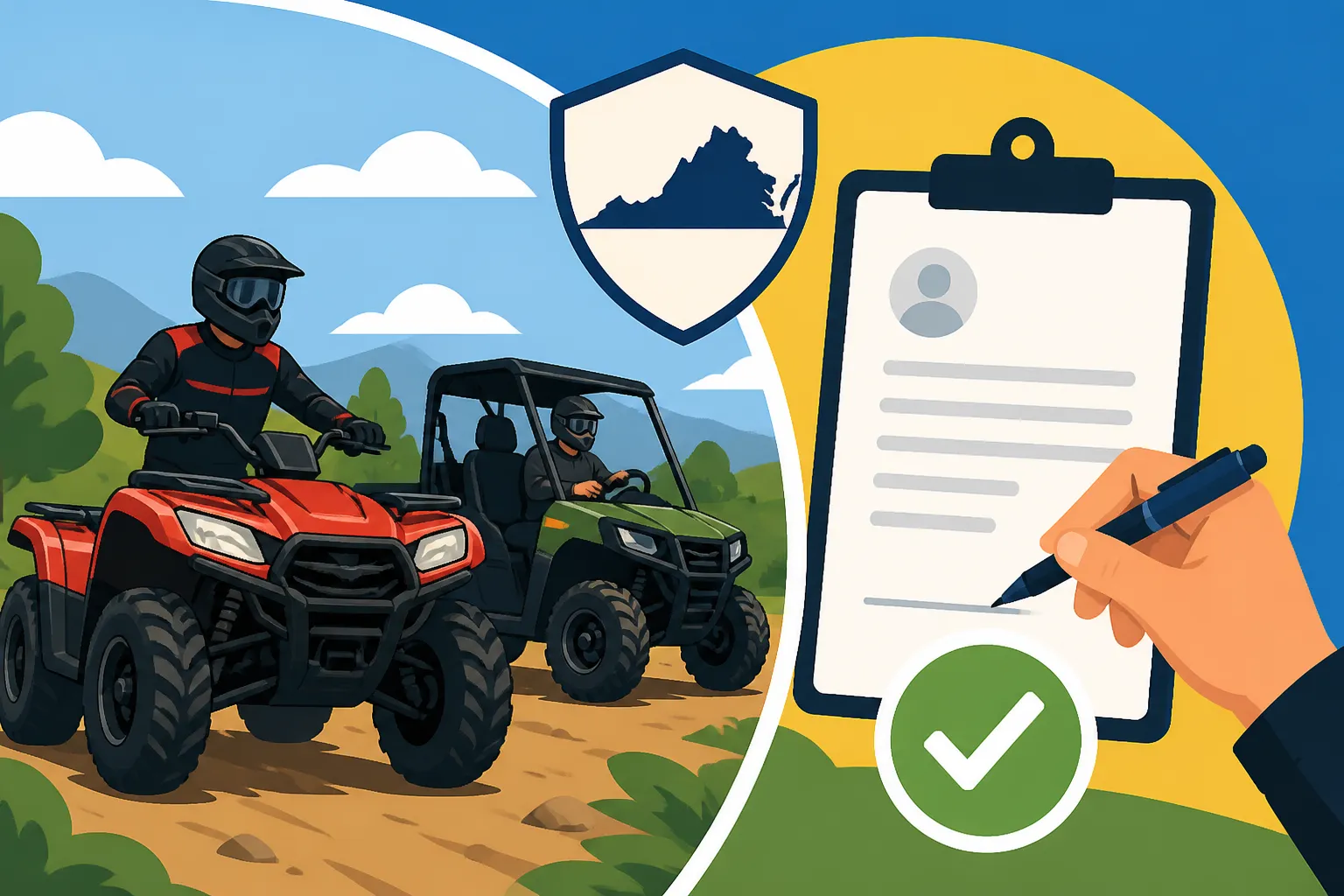
So, what exactly should this magical piece of paper include to be considered valid [What a Landowner's Written Permission Note Should Say]? It doesn't need to be a fancy legal document, but it does need to be clear and comprehensive. Here are the key elements:
- Landowner's Name and Contact Information: Full legal name, address, and phone number.
- Rider's Name and Contact Information: Your full legal name and contact details.
- Property Description: A clear description of the land you're permitted to ride on. This could be a physical address, parcel number, or a detailed description of boundaries (e.g., "all land east of the old logging road on the Smith property"). A map attachment is a huge bonus!
- Dates of Permission: Specify exactly when you are allowed to ride. Is it a single day, a specific week, or an ongoing period (e.g., "from June 1, 2024, to June 1, 2025")? Be precise.
- Scope of Permission: What activities are permitted? Riding ATVs/UTVs, hunting, hiking, etc. Are there any restrictions, like "daylight hours only" or "stay on existing trails"?
- Vehicle Description (Optional but Recommended): You might include your ATV/UTV make, model, and VIN for extra clarity.
- Signatures: Both the landowner and you should sign and date the document.
- Notarization (Highly Recommended): While not always strictly required by law for simple permission, having the document notarized adds an extra layer of legal legitimacy and proves the signatures are authentic.
A simple note handwritten on a piece of paper can suffice, but the more detail, the better for everyone involved.
Navigating Property Lines and Public/Private Boundaries
Riding an ATV or UTV in Virginia means constantly being aware of your surroundings and, more importantly, the boundaries around you. Property lines aren't always marked by fences or clear signage, especially in rural or wooded areas. A seemingly unbroken forest might actually be a patchwork of privately owned parcels, national forest land, and state-managed property. This complex landscape makes careful navigation and clear understanding of access rights absolutely essential to avoid issues like [Virginia Trespass Law for Riders].
When You Might Need Written Consent Even for Public Trails
It's easy to assume that if you're headed to a known public trail system, you're in the clear. However, sometimes the most direct route to that public access point might involve crossing private land. Think about those access roads leading up to a [Spearhead Trails in Virginia Explained] trailhead or a [Peters Mill Run OHV Trails in Virginia] parking area. While the trails themselves are public, the land you cross to get to them might not be. This is a crucial scenario where a lack of [Virginia Rules for Riding Private Land] could land you in hot water before you even hit the main trail. Similarly, some public trail systems have easements or agreements that allow them to cross private parcels, but these agreements are specific and don't grant you the right to deviate from the marked trail onto the adjacent private property. Always research your access points and the surrounding land before you go.
Avoiding Accidental Trespass
Accidental trespass is still trespass in the eyes of the law, and it carries the same potential consequences. To avoid this common pitfall, proactive steps are key. First, use mapping tools. Many GPS units and smartphone apps offer satellite imagery and property line overlays that can be invaluable. Tools like OnX Offroad or various county GIS (Geographic Information System) maps can show you exactly where property lines lie. Before you even load your machine, study the area you plan to ride. Identify landmarks, roads, and any potential boundary markers.
Second, look for physical markers. While not always present, keep an eye out for old fence lines, survey stakes, painted trees, or changes in vegetation that might indicate a property boundary. These subtle cues can be easily missed if you're not actively looking for them. Third, communicate. If you're riding near an unknown property line, and you see someone, respectfully ask about the boundaries. Most landowners appreciate being asked rather than discovering you've inadvertently crossed onto their land. Equipping your machine with durable accessories, like those from SuperATV, can help ensure your ride is reliable enough to stick to permitted areas, preventing unexpected breakdowns that might force you into unauthorized zones.
The Role of Signs and Posted Land
[What Posted Land Means for a Virginia Rider] is straightforward: if a sign says "No Trespassing" or "Private Property," you absolutely cannot enter without explicit permission. These signs serve as a clear warning from the landowner that unauthorized entry is prohibited. However, the absence of such signs does not imply permission. Virginia law does not require landowners to post "No Trespassing" signs for their property to be considered private. Your responsibility as a rider is to know the ownership status of the land you intend to traverse. Relying solely on the presence or absence of signs is a recipe for trouble. Always err on the side of caution: if you don't have definitive permission, stay off. It's far better to turn around or find an alternative route than to face the penalties of illegal riding.
Scenarios Where Written Consent is Crucial
The need for written consent isn't just for unfamiliar stretches of land. Even in situations that seem straightforward, a formal document can save you a lot of headaches and keep you on the right side of the law. Relationships can change, memories fade, and legal interpretations vary. A piece of paper signed by all parties provides clarity and protection.
Riding on Land You Don't Own but Have Permission For
Let's say your buddy, John, owns a large tract of land, and he's told you countless times, "Come ride anytime, no problem!" This verbal agreement feels solid, right? You've known John for years. But what happens if John sells his property? Or if a new sheriff in town is particularly strict about [Virginia Penalties for Illegal Riding]? Or even if John's family member, unaware of your long-standing verbal permission, calls law enforcement when they see you riding? A verbal agreement offers zero legal protection. Even with the best intentions, situations can go sideways. A simple written note, signed by John, outlining the terms of your permission, would protect you in all these scenarios. It's about being prepared for the unexpected and having a tangible record of the agreement.
Accessing Hunting Leases or Timber Company Land
These types of properties often present unique challenges. Hunting leases typically involve multiple individuals or clubs sharing access, and the terms can be very specific about who can be on the land and for what purpose. Riding an ATV for recreational purposes might not be covered under a hunting lease agreement, even if you are a member of the lease. Similarly, large timber company lands, while sometimes open for limited recreational use, almost always require specific permits or written consent from the company. These companies manage vast tracts of land, often with active logging operations, and unauthorized ATV traffic can pose safety risks and legal liabilities for them. Their rules are usually strict, and a general assumption of access will not hold up. Always check with the specific timber company or lease manager, and get any permission in writing, clearly outlining your activities and dates.
Crossing Neighboring Property to Reach Your Own
This is a common issue in rural areas. You might own a beautiful piece of land, but the only practical way to access it is by crossing a corner of your neighbor's property or using an old farm road that technically belongs to someone else. Without a formal easement or written agreement, this constitutes trespass every single time you cross that line. Even if previous owners had a handshake agreement, that agreement rarely transfers with the property sale. You need to talk to your neighbor and, ideally, secure a written easement or a specific written permission document that details your right to cross their land for access. This protects both parties, preventing future disputes and ensuring you have legal access to your own property without constantly worrying about legal repercussions. This might also be a good time to consider durable parts for your machine, perhaps from SuperATV, especially if the access route is rough and demands reliable suspension or enhanced ground clearance.
Protecting Yourself and Your Riding Privileges
Being a responsible ATV/UTV rider in Virginia means more than just wearing a helmet and following trail signs. It means actively protecting your right to ride by understanding and adhering to property laws, especially concerning written consent. This proactive approach not only keeps you out of legal trouble but also fosters positive relationships within the riding community and with landowners.
What to Carry When You Ride
If you have written consent, it's absolutely paramount that you carry a physical or digital copy of it with you every time you ride on that specific property. Just like you'd carry your driver's license (if you have one) or your trail permit for public systems like Spearhead, your written consent is your proof of legal access. An officer performing [Virginia Equipment Checks by Officers] or investigating a complaint will ask for it. Having it readily available, perhaps laminated or saved as a PDF on your phone, can prevent misunderstandings, delays, or even a citation. It instantly validates your presence and demonstrates your respect for the law and the landowner's rights. Make sure your phone is charged or carry a printed copy, especially in areas with spotty cell service.
Here's a quick checklist of what your written consent should ideally include, and what you should carry:
| Category | Key Elements of Written Consent | What to Carry While Riding |
|---|---|---|
| Landowner Info | Full Name, Address, Phone | (On the written consent) |
| Rider Info | Full Name, Address, Phone | Your photo ID (matches permit/consent) |
| Property Info | Clear description (address, parcel, map) | (On the written consent) |
| Permission Details | Dates, scope of activities, any restrictions | (On the written consent) |
| Signatures | Landowner & Rider signatures, date (notarized if possible) | (On the written consent) |
| Vehicle Info | Make, Model, VIN (optional, but good) | (On the written consent, optional) |
| Other Essentials | Any trail permits, photo ID, proof of insurance (if you have it), emergency contacts |
Consequences of Riding Without Proper Consent
The repercussions of riding on private land without proper consent in Virginia can range from inconvenient to severe. First and foremost, you're likely committing criminal trespass. [Virginia's Civil Penalty for Illegal Riding] can be substantial, with fines reaching up to $500 for violations of ATV rules. Beyond fines, law enforcement has the authority to impound your machine. Imagine your pride and joy, perhaps outfitted with high-performance parts from SuperATV, being towed away, incurring impound fees, storage fees, and legal costs to get it back. This can quickly add up to thousands of dollars.
Furthermore, a landowner could pursue civil action against you for property damage or emotional distress. If you accidentally damage fences, crops, or disturb livestock, you're liable for those damages. Even if no damage occurs, simply being on their land without permission can cause significant stress and frustration for property owners, leading to a negative perception of all ATV riders. This damages the reputation of the entire off-road community and can lead to more restrictive laws or fewer riding opportunities in the future.
Building Positive Relationships with Landowners
The best way to ensure continued access to riding areas, or even open new ones, is to foster positive relationships with landowners. This starts with respect. Always ask for permission, even if you think you know the answer. When you do get permission, treat their land as if it were your own, or better.
- Be a good steward: Don't litter, avoid damaging vegetation, and stay on designated paths.
- Respect their privacy: Don't ride too close to their home or at inconvenient hours.
- Communicate: If you see something amiss on their property (like a downed fence or unusual activity), let them know.
- Offer help: Sometimes, offering to help with a small chore around their property can go a long way in building goodwill.
- Leave gates as you found them: Open means open, closed means closed. Always.
- Thank them: A simple thank you can reinforce their generosity.
By being considerate and responsible, you not only protect your own riding opportunities but also contribute to a positive image for all ATV and UTV enthusiasts in Virginia. It’s a small effort that yields significant rewards, helping ensure that there are places to ride for years to come.
Disclaimer
This article is for general informational purposes only and does not constitute professional advice. Laws, prices and regulations vary by location and change over time. Consult a qualified professional for guidance on your specific situation.