When a Factory Seat Makes a Passenger Legal
Riding an ATV or UTV with a passenger in Virginia can feel like navigating a maze of conflicting advice and assumptions. Many riders simply assume that if they can physically fit someone on their machine, or if they've bolted on an extra seat, it's perfectly fine. However, Virginia law is quite specific about when a passenger is allowed, tying it directly to the manufacturer's original design, not just whether there's a place to sit. This guide will clarify the ins and outs of Virginia's passenger rules, helping you understand when your ATV or UTV is legally set up for two and when you might be putting yourself and your passenger at risk.
The Core Virginia Law on ATV Passengers
Virginia's legal framework surrounding ATVs and UTVs aims to ensure safety, and a significant part of that focuses on how these machines are operated, especially concerning passengers. It's not enough to simply have space; the machine must be designed for more than one person from the ground up. This distinction is crucial and often misunderstood by even experienced riders.
The law explicitly states that an all-terrain vehicle (ATV) cannot carry a passenger unless it was specifically "designed by the manufacturer to carry more than one person." This means the state isn't just looking for an extra cushion or a widened seat; they're looking for evidence of intentional engineering for multiple riders. This regulation stems from a fundamental understanding of how these vehicles are built and the inherent dangers of exceeding their design capacity. A single-rider ATV is engineered with a specific weight distribution and center of gravity in mind, and adding a passenger without the appropriate design can drastically alter its handling characteristics, making it unstable and difficult to control, especially on varied off-road terrain.
What "Designed by the Manufacturer" Really Means
When the law talks about a machine "designed by the manufacturer to carry more than one person," it's referring to integrated features that are part of the original vehicle's build, not something added later. This isn't a vague suggestion; it's about the very blueprint of the machine. For an ATV, this typically means a longer, contoured seat that clearly provides distinct seating areas for both the operator and a passenger, complete with dedicated passenger footrests and integrated handholds or grab bars. These aren't flimsy attachments; they're usually robust, structural components intended for secure passenger support.
Think of it this way: a manufacturer designing a two-up ATV, like certain models from Polaris or Can-Am, will not only lengthen the seat but also reinforce the frame, adjust the suspension, and often recalibrate the engine's power delivery to safely accommodate the increased weight and altered center of gravity. These design considerations go far beyond simply stretching the main seat. The inclusion of an owner's manual explicitly stating the vehicle's passenger capacity is another strong indicator of original manufacturer design. If your manual says "one rider only," then no matter how many extra seats you add, it's legally and safely a single-rider machine in Virginia. This attention to design details is critical for safety, as a machine overloaded or improperly balanced can quickly become dangerous.
Why This Rule Matters for Rider Safety and Compliance
Ignoring the manufacturer's design intent for passenger capacity isn't just a minor infraction; it carries significant safety and legal ramifications. First and foremost, a single-rider ATV, when carrying a passenger, becomes inherently unstable. The added weight, especially if positioned incorrectly or if the passenger shifts, can raise the center of gravity, making rollovers far more likely, particularly on inclines, during turns, or when navigating rough terrain. The operator's ability to shift their weight, a crucial technique for controlling an ATV, is severely hampered by a passenger, reducing overall control and increasing accident risk.
Beyond the immediate safety concerns, violating this rule can lead to legal penalties. If you're stopped by an officer on public land or a designated trail and found to be carrying an unauthorized passenger, you could face a citation. Virginia law imposes a [Virginia's Civil Penalty for Illegal Riding], which can range up to a substantial amount, plus court costs. Furthermore, in the unfortunate event of an accident, carrying an unauthorized passenger could complicate insurance claims, potentially leading to denial of coverage for injuries or damages if the policy specifically excludes coverage for violations of state law or improper vehicle usage. It's a risk that simply isn't worth taking when the safety of yourself and your passenger is on the line.
Identifying a Manufacturer-Designed Passenger Seat
It's easy to look at an ATV and think, "Yep, there's room for two." But Virginia law requires a more discerning eye. Understanding what truly constitutes a manufacturer-designed passenger setup is key to staying legal and, more importantly, safe. This isn't about guesswork; it's about looking for specific, intentional design elements that prove the machine was built with a passenger in mind from the factory floor.
Inspecting Your ATV for Passenger Readiness
When you're trying to determine if your ATV is legally ready for a passenger in Virginia, a thorough inspection for specific manufacturer-designed features is essential. Start with the seat itself: is it a single, long seat with distinct, molded sections for both the operator and a passenger, or is it merely a stretched version of a single-rider seat? True two-up ATVs have seats that are specifically shaped and often tiered to provide comfort and security for a second rider. Next, look for dedicated footrests for the passenger. These aren't just pegs or extensions of the operator's footwells; they are separate, often robustly mounted, and positioned to allow the passenger to maintain a stable and comfortable footing without interfering with the operator's control.
Perhaps most critically, check for integrated handholds or grab bars. These are typically sturdy metal or plastic handles securely attached to the machine's frame, specifically designed for the passenger to hold onto, offering stability and security. These aren't flimsy straps or cargo tie-downs; they are engineered for human grip and support. If your ATV lacks any of these core features – a distinctly designed passenger seat, dedicated footrests, and robust handholds – it's highly likely your machine was only intended for a single rider, regardless of any aftermarket modifications. When in doubt, always consult your ATV's owner's manual. That document is the definitive source for your specific model's passenger capacity as intended by the manufacturer.
Comparing Single-Rider vs. Multi-Rider Machines
The differences between ATVs designed for a single rider and those built for multiple passengers (often called "two-up" or "MAX" models) extend far beyond just the seating. Manufacturers of multi-rider machines integrate a host of design changes to ensure safety and stability. For instance, a two-up ATV will typically have a longer wheelbase, which improves stability and reduces the risk of tipping backward when ascending hills with a passenger. The frame itself is usually reinforced to handle the additional weight and stress of two occupants and their gear.
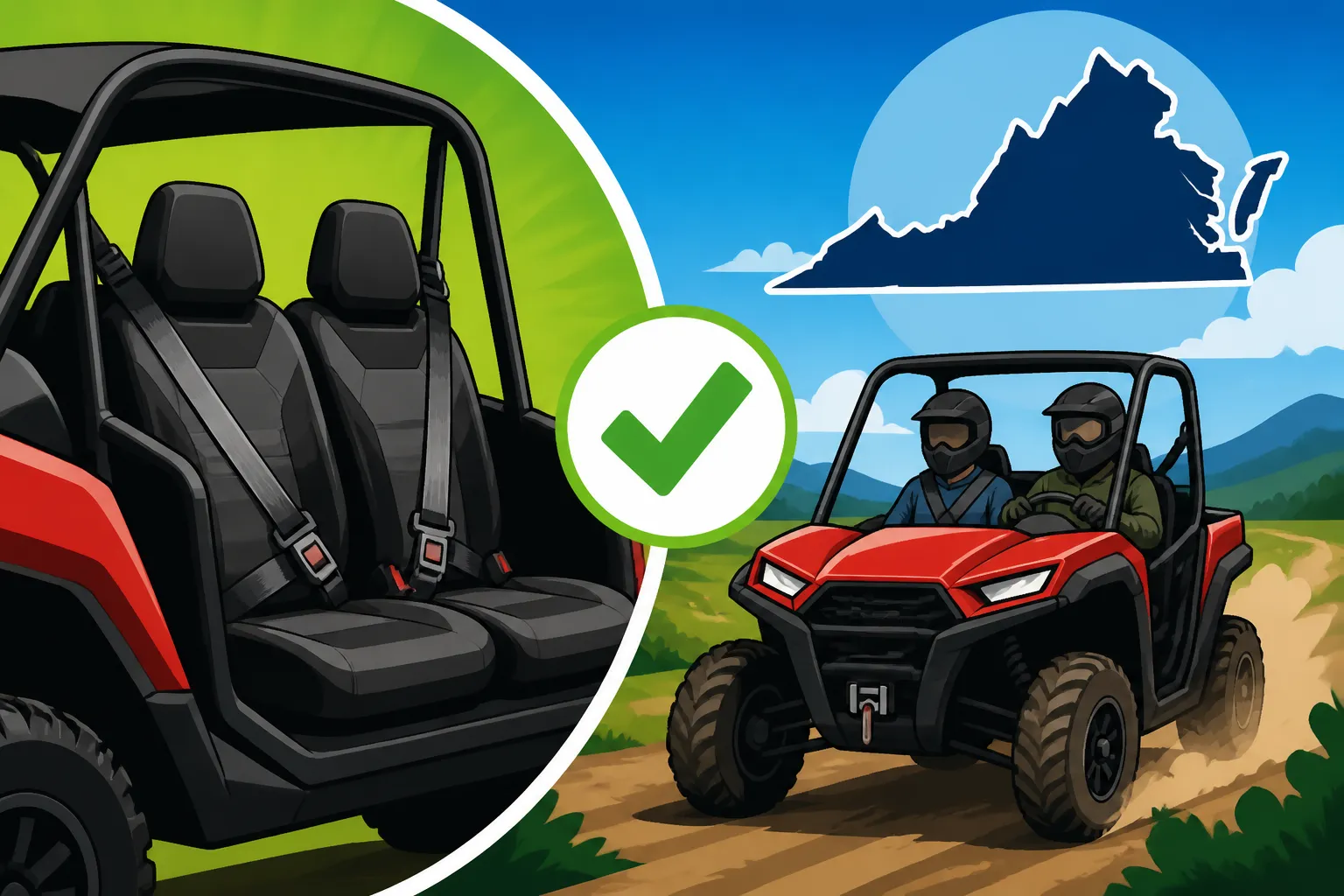
Furthermore, the suspension system on a multi-rider ATV is specifically tuned and often heavier-duty to absorb impacts and maintain proper handling characteristics with the increased load. The engine and braking systems may also be scaled up to ensure adequate power and stopping capability for the combined weight. Utility Terrain Vehicles (UTVs), also known as side-by-sides, are a prime example of machines almost always designed for multiple passengers. Their car-like seating, roll cages, and seatbelts inherently make them multi-passenger vehicles. Understanding these fundamental design differences helps you identify whether your machine truly fits the "designed by the manufacturer" criterion for carrying more than one person. For more clarity on classifications, you might want to review [Virginia ATV and Utility Vehicle Definitions].
Common Misconceptions and Aftermarket Accessories
It's easy to fall into the trap of thinking that if you can physically attach a seat, or if an accessory looks like a passenger seat, it makes your ATV compliant. However, Virginia's law is focused on the original manufacturing intent, which means many common aftermarket additions do not magically convert a single-rider machine into a legal two-seater. This distinction is critical for both legal compliance and the safety of everyone on board.
Why Aftermarket Seats Don't Always Count
One of the most pervasive misconceptions among ATV riders in Virginia is that adding an aftermarket seat, or even a padded storage box, somehow transforms a single-rider ATV into a legal two-passenger machine. Unfortunately, this is typically not the case under Virginia law. The phrase "designed by the manufacturer to carry more than one person" specifically refers to the original engineering and intent of the vehicle when it left the factory. Bolting a seat onto the rear rack of your sport quad, even a comfortable one from a reputable brand like SuperATV, does not change its fundamental design as a single-rider vehicle.
These aftermarket accessories, while they might provide a seating surface, do not address the crucial structural, suspension, and balance considerations that a manufacturer builds into a two-up machine. A single-rider ATV's frame, suspension, and braking system are not typically designed to safely handle the additional weight and altered center of gravity that a second passenger introduces. An accessory, no matter how well-made or how much it resembles a seat, cannot magically imbue your ATV with these inherent design characteristics. Therefore, an aftermarket seat, while potentially offering a place to sit, generally does not make carrying a passenger legal on a machine originally designed for one.
The Dangers of Unapproved Passenger Carrying
The legal aspect of carrying an unauthorized passenger is serious enough, but the physical dangers are far more immediate and potentially catastrophic. ATVs are dynamic machines that require the operator to constantly shift their weight to maintain balance and control, especially during turns, climbs, descents, and sudden maneuvers. Introducing a second person, particularly on a machine not designed for it, fundamentally disrupts this delicate balance. The added weight raises the center of gravity, making the ATV far more prone to rollovers. The passenger's movements, even slight ones, can unexpectedly shift weight and destabilize the machine, potentially causing the operator to lose control.
Furthermore, a passenger on a single-rider ATV often lacks secure handholds and dedicated footrests, making them more susceptible to being thrown from the machine during bumps, sudden acceleration, or turns. This significantly increases the risk of severe injuries for both the passenger and the operator. In a collision or rollover, the passenger is often less protected and may even be crushed by the machine or the operator. Beyond the physical risks, insurance policies are typically written with the manufacturer's intended use in mind. If an accident occurs while carrying an unauthorized passenger, your insurance provider might deny coverage, leaving you personally responsible for medical bills, property damage, and potential lawsuits. It’s a gamble with incredibly high stakes that far outweighs the convenience of an extra rider.
Broader Virginia ATV Passenger Rules and Context
Understanding the "factory seat" rule for passengers is critical, but it's just one piece of the larger puzzle of Virginia's ATV and UTV regulations. Even if your machine is explicitly designed for a passenger, there are other important rules and considerations that all riders must follow. Overlooking these can lead to penalties, injuries, or both.
Age Limits and Helmets Still Apply
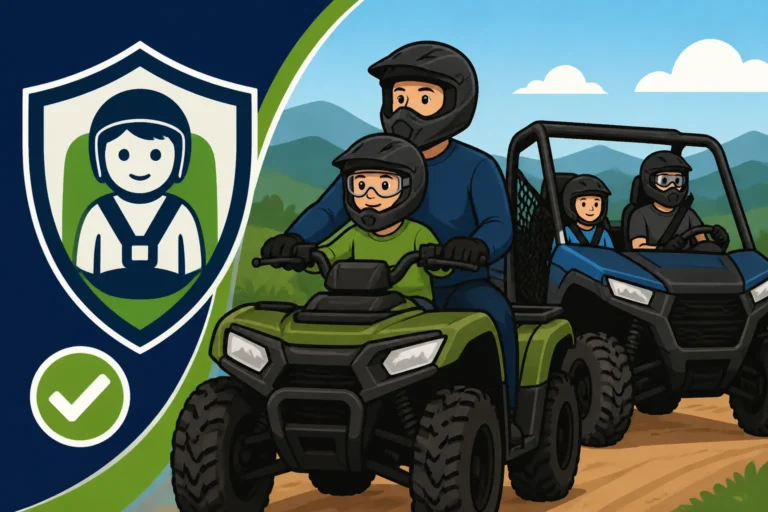
It's vital to remember that simply having a factory-designed passenger seat doesn't override other fundamental safety laws in Virginia. Every rider, whether operator or passenger, regardless of age, must wear a helmet that meets state police standards. This isn't an optional suggestion; it's a non-negotiable requirement for anyone on an ATV or UTV. This applies universally, whether you're riding on private land, designated trails, or one of the limited public road sections. Helmets are a primary defense against head injuries, which are tragically common in ATV accidents. [Virginia Helmet Law Applies to Every Rider] provides more detail on this critical safety measure.
Furthermore, Virginia has strict age limits based on engine size for ATV operators, and these often indirectly affect passenger situations, particularly if the passenger is a minor. While the law doesn't explicitly state age limits for passengers, if a young operator is illegally riding a machine too large for their age, or if an adult is carrying a child on an inappropriate machine, it exacerbates the risks and potential legal repercussions. For instance, a rider under 12 may only operate an ATV with an engine size of 70cc or less, and riders between 12 and 16 are limited to 90cc. It's essential to be aware of these restrictions, as they reflect the state's commitment to rider safety, particularly for younger individuals. You can learn more about [Virginia Age Limits by Engine Size] to ensure everyone on your ride is compliant.
The "Where You Ride" Factor and Passenger Rules
The legality of carrying a passenger, even on a manufacturer-designed multi-passenger machine, is also heavily influenced by where you are riding in Virginia. The state has very specific rules about where ATVs and UTVs can operate. Generally, ATVs are banned from public highways and streets. This means that if you're trying to carry a passenger on a paved road, you're likely violating multiple laws simultaneously, regardless of your machine's passenger capacity. [Virginia Bans ATVs on Public Highways] is a crucial resource to understand these limitations.
There are limited exceptions, such as specific designated roads in Buchanan and Tazewell counties, where ATVs and UTVs may be permitted under certain conditions. Even on these special routes, all ATV and UTV laws, including passenger rules, remain in full effect. On private property, the rules might seem more relaxed, but the manufacturer's design intent for passenger capacity is still the safest guideline to follow. While you might not face a citation on your own land for carrying an extra person on a single-rider ATV, the inherent dangers don't disappear, and any accidents could still lead to severe injuries or liability issues. Always verify the rules of any trail system or riding area, as they may have their own specific regulations regarding passenger vehicles, even if they allow multi-rider UTVs. For instance, some trails might have width restrictions that impact larger multi-passenger UTVs, which can be seen in information like [Virginia's Taskers Gap Width Limit].
Here's a quick reference to help clarify the distinction:
| Feature | Manufacturer-Designed Passenger Seating | Aftermarket Additions (Often Not Legal) |
|---|---|---|
| Seat Design | Integrated, contoured, often tiered for two riders | Padded storage box, bolted-on seat, strap-on cushion |
| Footrests | Dedicated, sturdy, separate footrests for passenger | No dedicated passenger footrests, shared, or improvised |
| Handholds/Grab Bars | Integrated, robust handles for passenger support | No dedicated handholds, or flimsy straps |
| Frame & Suspension | Reinforced frame, heavy-duty suspension tuned for two | Original single-rider frame and suspension |
| Owner's Manual | Clearly states capacity for operator + 1 passenger | States "one rider only" or silent on capacity |
| Safety | Engineered for stability with two occupants | Compromises stability, raises center of gravity |
| Legality in Virginia | Generally compliant for carrying one passenger | Generally not compliant for carrying a passenger |
Disclaimer
This article is for general informational purposes only and does not constitute professional advice. Laws, prices and regulations vary by location and change over time. Consult a qualified professional for guidance on your specific situation.