Virginia Rules for a Visiting West Virginia Rider
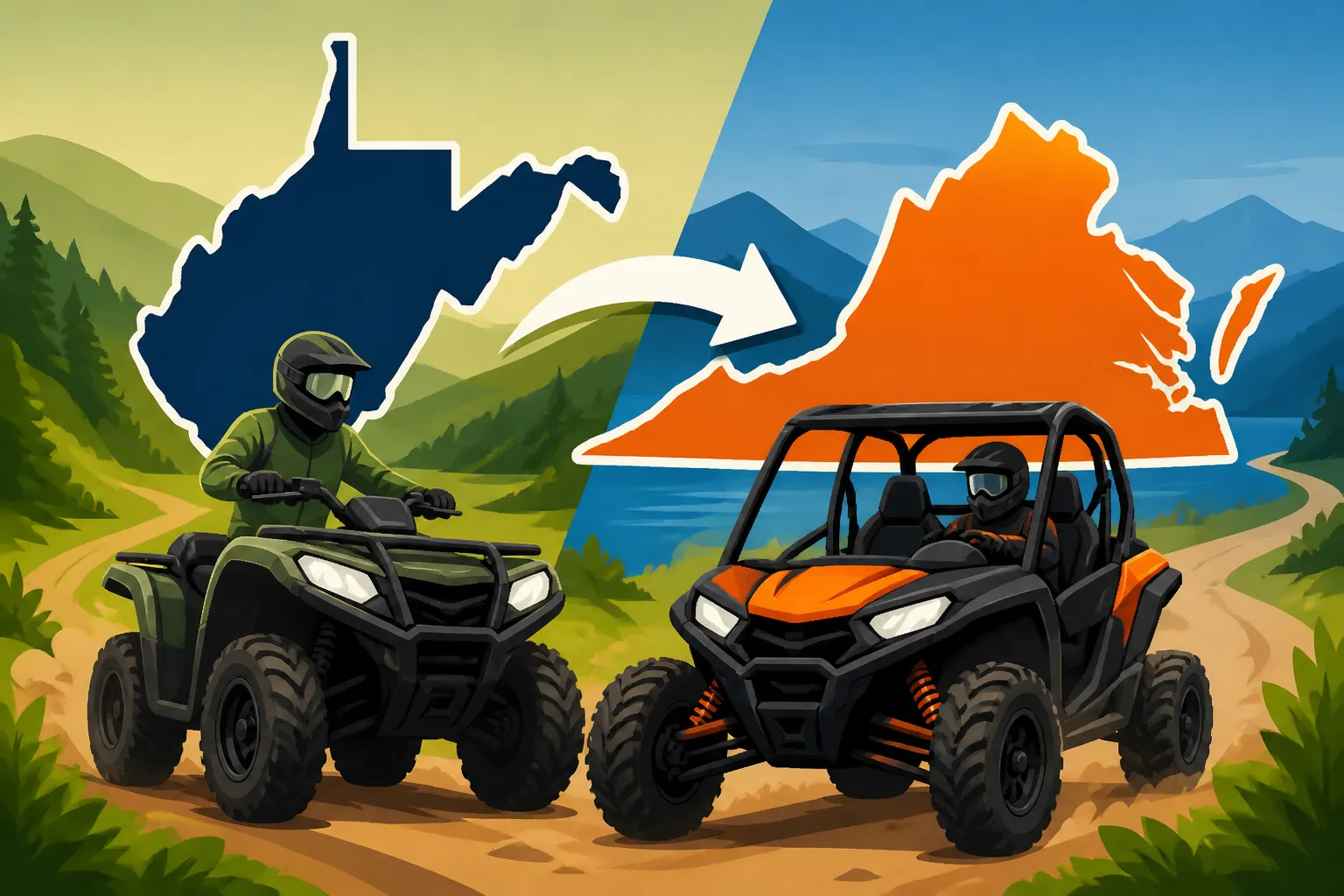
Crossing state lines with your ATV or UTV can feel like stepping into a whole new world of regulations, and if you're a West Virginia rider planning a trip to the Old Dominion, you're right to wonder what rules might be different. It's incredibly frustrating to think you're following the law, only to find out Virginia has a unique set of expectations. This guide is here to untangle those specific Virginia rules, helping you understand everything from road access to trail permits so your visit is smooth, safe, and free from unexpected trouble.
Understanding Virginia's Core ATV Road Rules for Visitors
One of the biggest eye-openers for riders coming from states with more liberal road access might be Virginia's very strict stance on ATVs and UTVs on public roads. Unlike some areas where it’s common to run your machine down a county road for a quick connection, Virginia generally shuts that door pretty firmly. This isn't just a suggestion; it's written into the state code, and officers enforce it to the letter. Ignorance of the law is never a valid excuse, so understanding this fundamental difference is your first step to a stress-free ride.
The Blanket Ban on Public Highways
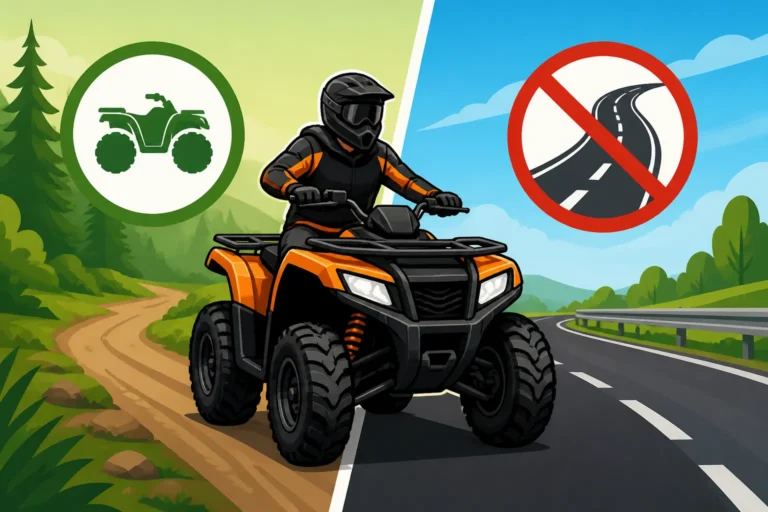
Let's cut right to it: in Virginia, ATVs and UTVs are largely banned from public highways and streets. This includes most paved and unpaved public roads, shoulders, and even crossing medians. It's a pretty sweeping prohibition, and it’s critical for visiting riders to grasp this immediately. You might be accustomed to riding certain roads in West Virginia, but don't assume the same applies here. The spirit of Virginia law considers these machines primarily for off-road use, and that distinction dictates where you can and cannot operate them.
This ban isn't about the size of your machine or whether it's insured; it's about the fundamental classification of ATVs and UTVs as off-road vehicles. Trying to sneak down a public road, even for a short distance, can quickly lead to a citation and potentially an impounded machine. It's a tough lesson to learn when you're far from home, so it's best to always trailer your machine to and from designated riding areas rather than attempting to ride public asphalt or gravel roads unless a very specific exception applies. You can read more about this in [Virginia Bans ATVs on Public Highways].
Limited Exceptions for Crossing and Emergencies
While the general ban is stringent, Virginia does allow for a few very specific exceptions. These are not loopholes for casual road use but carefully defined situations. For instance, you are generally permitted to cross a public highway by the most direct route, and only if the crossing is made safely and without interfering with traffic. This means coming to a complete stop, looking both ways, and getting across as quickly and directly as possible. You can't ride down the shoulder for a bit before making your crossing.
Other exceptions typically involve emergency responders or utility workers performing official duties. Volunteer rescue squads, for example, might use ATVs for search and rescue operations or accessing remote areas during an emergency. However, these exceptions apply to official personnel and not to the general public. For the average recreational rider, the "crossing" rule is the most relevant, but it must be executed with extreme caution and only when absolutely necessary to access a legal riding area. Check out [Virginia Crossings by the Most Direct Route] for more details on this.
Navigating Virginia's Coalfield Road Access Areas
Now, here's where things get a bit more nuanced, and where some West Virginia riders might find a familiar but still regulated environment. Parts of Virginia's coalfield region have established specific, limited road access for ATVs and UTVs, akin to some of the trail systems and connector roads you might encounter back home. However, it's crucial to understand that these aren't open season on all roads; they are designated routes in specific counties and come with their own set of rules.
Buchanan and Tazewell Counties: A Special Case
The Virginia General Assembly has provided specific allowances for certain roads in Buchanan and Tazewell counties. These are the two primary areas where local governing bodies, like the Board of Supervisors, have the authority to designate specific county roads for ATV and UTV use to connect parts of trail systems. This is a significant deviation from the statewide ban and is intended to support the region's burgeoning off-road tourism industry, much like what you see in parts of West Virginia.
If you're planning to ride in these areas, you absolutely must verify which roads are open. Don't assume that just because you're in Buchanan or Tazewell County, every unpaved road is fair game. Designated routes are typically marked with specific signage, and maps are often available through local tourism offices or the Spearhead Trails authority. Always do your homework beforehand to ensure you're on a legal route. Riding an undesignated road in these counties could still land you in trouble, despite the more lenient general policy. You'll want to understand [Virginia Buchanan and Tazewell County Road Access] before you go.
Conditions and Limits on Open Coalfield Roads
Even on these designated coalfield roads, there are strict conditions. Speed limits are typically reduced, often to 25 mph, and riders are usually restricted to daylight hours only. You won't find yourself able to blast down these roads at highway speeds, nor will you be permitted to ride them at night without specific lighting requirements that are often impractical for recreational ATVs. The intent is to allow for safe connections between trails, not for high-speed cruising.
Furthermore, these designated roads are often shared with local traffic, including logging trucks and other heavy machinery. Riders must exercise extreme caution, maintain awareness of their surroundings, and always yield to other vehicles. Eye protection and helmets are mandatory on these roads, just as they are on the trails. It's about blending the recreational aspect with public safety. If you're looking to enhance your machine for better visibility and safety on these shared routes, even with aftermarket additions like durable windshields or side mirrors, companies like SuperATV offer a range of products designed to meet the demands of diverse riding environments, from rugged trails to designated road sections. Just be sure any modifications comply with local regulations. These routes are a privilege, and responsible riding helps ensure they remain open for everyone. Be sure to note [Virginia's 25 mph Coalfield Road Limit].
Trail Permits, Safety Gear, and Equipment for Virginia's OHV Parks
When you're ready to hit Virginia's actual trails, particularly the well-known Spearhead Trails system or National Forest OHV areas, you'll find requirements that are common to many organized trail systems, but with Virginia-specific details you need to know. Don't assume your West Virginia permits or licenses will transfer directly. Preparation here is key to avoiding disappointment at the trailhead.
Spearhead Trails and National Forest Permit Requirements
Virginia boasts fantastic riding opportunities, notably the Spearhead Trails network in the southwestern part of the state and certain National Forest OHV trails like Peters Mill Run/Taskers Gap. For Spearhead Trails, you will need to purchase a specific permit. These permits are typically available as annual or multi-day passes, and they are system-specific – meaning a permit for Spearhead won't work on National Forest trails, and vice-versa. You can often purchase these permits online or at local vendors in "trail towns" that support the system. Don't show up to the trailhead without one, as trail rangers frequently check.
Similarly, if you plan to ride in the George Washington and Jefferson National Forests, you'll need a separate National Forest OHV permit. These are often daily, 3-day, or annual permits and can be purchased at ranger district offices or sometimes online. Each system has its own distinct rules for display and validity, so always check the specific requirements for the trail you intend to ride. Your [Virginia Spearhead Trail Permits] or [Virginia National Forest OHV Permits] are your golden tickets to legal riding.
Virginia's Helmet and Eye Protection Mandates
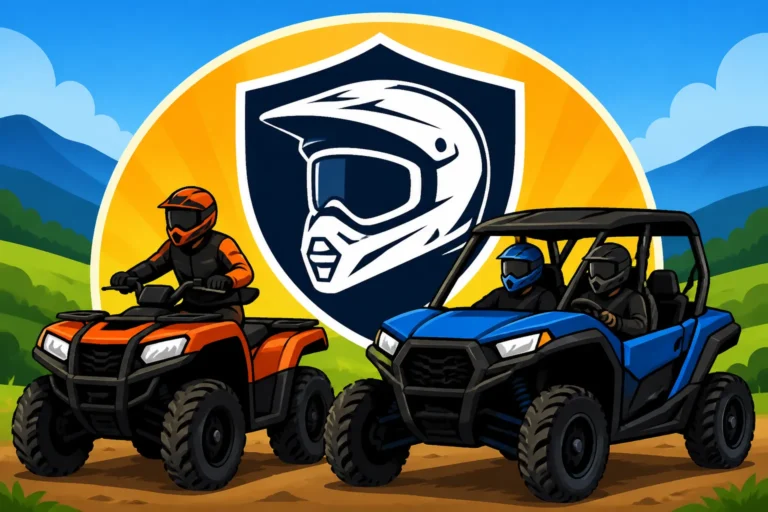
Here's another critical point where Virginia's rules are very clear: helmets are mandatory for all riders and passengers, regardless of age or the property you're riding on. This isn't just for kids; it's for everyone. The helmet must be approved by the Department of Transportation (DOT) and worn securely. Eye protection is also required. This could be goggles, a face shield on your helmet, or impact-resistant eyewear. This rule is absolute, from the moment you start your machine until you shut it down.
Coming from West Virginia, where helmet laws for adults might be different depending on the specific context, this universal requirement in Virginia is something you absolutely cannot overlook. Not wearing a helmet or eye protection is an easy way to get a ticket and potentially spoil your trip. It's about safety first, and Virginia doesn't compromise on this. Ensure everyone in your group, even seasoned riders who might occasionally skip a helmet back home, is fully compliant. More on this can be found in [Virginia Helmet Law Applies to Every Rider].
Essential Equipment for Forest and Private Trails
Beyond permits and personal safety gear, your machine itself needs to meet certain Virginia requirements, especially on designated trails. A spark arrester is typically mandatory on most public and private trail systems to prevent forest fires. Ensure your exhaust system is equipped with one that is in good working order. Many trail systems also have noise limits, so if you've modified your exhaust, be prepared for potential sound checks.
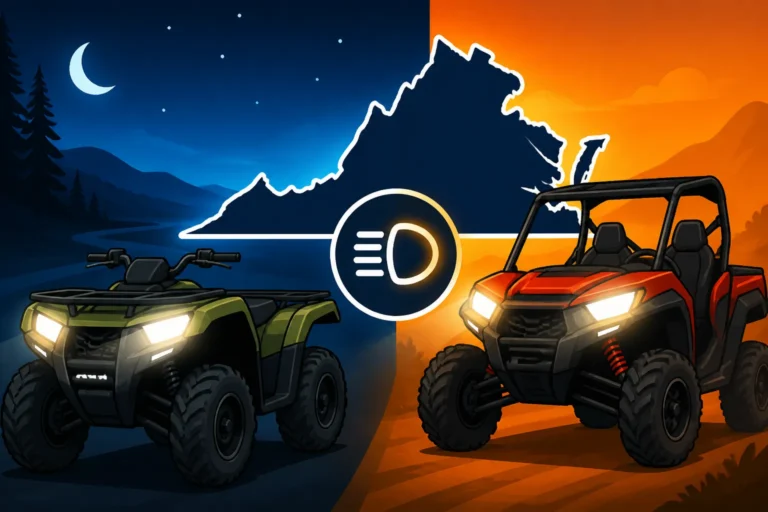
You'll also need working headlights and taillights, especially if there's any chance you might be on the trail near dusk or dawn, or if conditions are overcast. Some trails might have width restrictions, so if you're bringing a wider UTV or a side-by-side, always check the specific trail rules to ensure your machine fits. If you're looking for gear that stands up to rugged use, such as durable lighting kits or sound-reducing exhaust systems to help meet trail requirements, SuperATV offers a wide selection of accessories designed for serious off-roaders. Having the right setup not only keeps you compliant but also makes for a safer and more enjoyable experience.
Age Limits, Passengers, and Important Safety Considerations
Just like road rules, Virginia also has specific regulations concerning who can ride what machine, and who can be a passenger. These age and passenger rules are designed to enhance safety, especially for younger riders, and they apply universally across the state, whether you're on private land or a public trail system.
Virginia's Age Restrictions by Engine Size
Virginia implements strict age restrictions based on engine size, a common approach in many states but with its own specific tiers. Generally, riders under 12 years old are limited to machines with engine sizes of 70cc or less. Riders between 12 and 16 years old can operate machines up to 90cc. Once a rider turns 16, there are no engine size restrictions. However, these age limits do not come with an "adult supervision" clause that bypasses the engine size rule; the engine size limit is firm for the age group.
It's critical for parents bringing younger riders to Virginia to be fully aware of these rules. Even if your child is a highly experienced rider on a larger machine back in West Virginia, if they don't meet Virginia's age-to-engine-size requirement, they cannot legally operate that machine here. This is enforced for safety, and trail rangers or law enforcement can issue citations for violations. Always double-check [Virginia Age Limits by Engine Size] before your trip.
Rules for Carrying Passengers on Your Machine
Virginia's rules on carrying passengers are straightforward and prioritize safety. Passengers are only permitted on ATVs or UTVs that are specifically designed by the manufacturer to carry more than one person. This means if your ATV only has a single seat designed for the operator, you cannot legally carry a passenger on it, even if they are a small child or sitting directly behind you. Attempting to do so is a violation of state law.
For UTVs or side-by-sides, which often come with multiple factory seats and seatbelts, passengers are generally allowed as long as there is a designated seating position for each person, and all occupants are properly secured with seatbelts (if equipped). This rule reinforces the idea that safety equipment is paramount. Ensure any aftermarket seating or harnesses, like those offered by SuperATV, are properly installed and used according to manufacturer specifications and Virginia law, which emphasizes the use of factory-designed safety features. This protects not only your passengers but also yourself from potential liability. Knowing [Virginia Passenger Rules on an ATV] is essential for group rides.
Summary of Key Virginia ATV/UTV Rules for Visiting West Virginia Riders
To help clarify the differences and key takeaways, here's a quick summary of important rules for West Virginia riders in Virginia:
| Feature | Virginia Rule | What a WV Rider Might Assume |
|---|---|---|
| Public Roads | Generally banned, with very limited exceptions (e.g., direct crossings). | May assume some county roads are open, like in parts of WV. |
| Coalfield Roads | Designated routes in Buchanan/Tazewell only; 25 mph limit, daylight only. | Could assume all unpaved roads in coalfields are open. |
| Helmets | Mandatory for ALL riders and passengers, regardless of age or location. | May assume adults are exempt on private land or specific trails. |
| Eye Protection | Mandatory for ALL riders and passengers. | May overlook this requirement if not wearing a full-face helmet. |
| Permits | Required for Spearhead Trails and National Forest OHV areas; separate for each. | WV permits do not transfer; local VA permits are essential. |
| Age Limits | Strict engine size limits: <12 (70cc), 12-16 (90cc); no supervision bypass. | May assume adult supervision overrides engine size limits for minors. |
| Passengers | Only on machines specifically designed by manufacturer for multiple riders. | May attempt to carry passengers on single-seat ATVs. |
| Spark Arrester | Generally required on all trail systems to prevent fires. | May not be strictly enforced or required on all informal trails in WV. |
Disclaimer
This article is for general informational purposes only and does not constitute professional advice. Laws, prices and regulations vary by location and change over time. Consult a qualified professional for guidance on your specific situation.