Age Limits Set by Engine Size, Not by Supervision
It’s a common misconception, one that I hear often from folks eager to get their kids or grandkids out on the trails: "If I'm right there supervising them, then they can ride any ATV, right?" The truth, especially here in Virginia, is that off-road riding rules for youngsters are a bit more nuanced than just having an adult nearby. This guide will cut through the confusion, explaining Virginia's specific age limits for ATVs and UTVs, which are primarily based on engine size, not merely the presence of an adult.
Understanding Virginia's Core ATV Age Limit Philosophy
Virginia's approach to ATV age limits is rooted in safety, aiming to match a rider's developmental stage with an appropriate machine size and power. This isn't about arbitrary numbers; it's about physical capability, reaction time, and the ability to control a powerful piece of equipment. The law focuses on the machine's engine displacement, giving clear guidelines for what size ATV a young rider can legally operate. This structured approach helps ensure that kids aren't put on machines that are too powerful or too heavy for them to handle safely.
The "Under 12, Under 70cc" Rule
For our youngest aspiring riders, Virginia law sets a clear boundary: if a child is under 12 years old, they are legally limited to riding an ATV with an engine displacement of 70 cubic centimeters (cc) or less. This rule is designed to ensure that very young riders are on machines that are small, lightweight, and have manageable power output. Imagine a seven-year-old trying to wrestle a full-size 400cc quad; it's a recipe for disaster. The smaller machines, often referred to as youth quads, are specifically engineered with lower top speeds and lighter frames, making them much safer for developing skills. This helps prevent situations where a child might lose control due to the machine's weight or acceleration. Many parents find this rule a bit strict if their child is tall for their age, but the law holds firm on the engine size. [Virginia Riders Under 12 and 70cc] details this regulation further.
The "12 to 16, Under 90cc" Rule
As children grow and gain more experience, Virginia's regulations adjust to allow for slightly larger and more powerful machines. Once a rider reaches 12 years of age but is not yet 16, they are permitted to operate an ATV with an engine size of up to 90cc. This step up from the 70cc limit acknowledges that pre-teens and younger teenagers have developed better coordination, strength, and judgment. However, the 90cc limit still ensures they aren't on machines that are truly adult-sized or excessively powerful. These mid-sized youth ATVs often come with features like electric start and automatic transmissions, making them easier to learn on without the added complexity of shifting gears. It’s a carefully considered progression, allowing riders to build confidence and skills on a machine that remains within their control. It's a critical bridge before they potentially move to unrestricted machines. [Virginia Riders 12 to 16 and 90cc] provides more context on this age group.
The "16 and Over, No Engine Limit" Rule
Once a rider celebrates their sixteenth birthday, Virginia's engine size restrictions for ATVs fall away. At 16 and older, an individual is legally allowed to operate an ATV of any engine displacement. This means they can step up to the full-size machines that often exceed 400cc, 700cc, or even 1000cc, including many utility ATVs and sport quads. The assumption here is that by 16, individuals have developed the necessary physical maturity, judgment, and driving skills to handle the increased power and weight of larger off-road vehicles. This doesn't, however, mean that all 16-year-olds are automatically ready for the most powerful machines on the market. It simply removes the legal barrier based on engine size, placing the onus on the rider (and their parents, if applicable) to choose a machine appropriate for their actual skill level. Just because you can ride a monster quad doesn't mean you should without proper experience. [No Cap After Sixteen] dives into this aspect.
Dispelling the Supervision Myth in Virginia
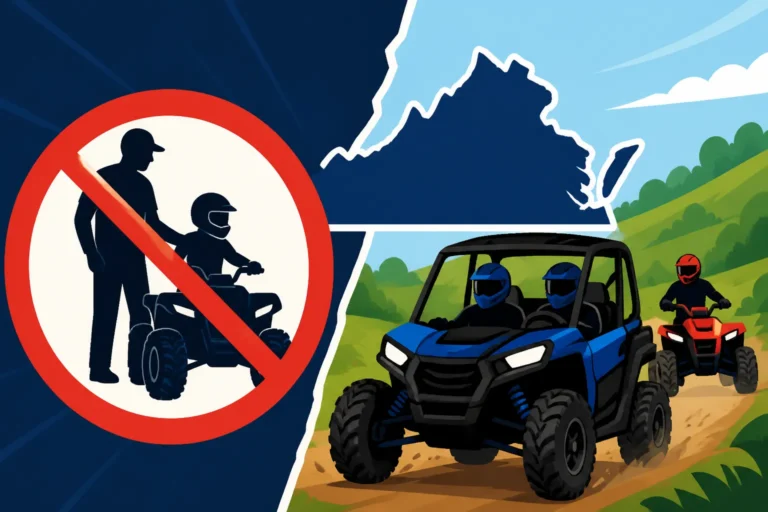
This is perhaps one of the most persistent misunderstandings when it comes to ATV rules for young riders in Virginia. Many parents genuinely believe that as long as they are physically present and watching their child, their child can ride a machine beyond the legal engine size limit. Unfortunately, this is a dangerous misconception that can lead to fines and, more importantly, put a child at serious risk. The law is quite clear on this point, and it's vital for every off-road enthusiast in Virginia to understand it.
Why Supervision Alone Doesn't Change the Rules
Here's the blunt truth: Virginia law does not offer a "supervised exception" to its ATV engine size rules. A parent or guardian's presence, no matter how vigilant, does not override the specified cubic centimeter (cc) limits for riders under 16. This means if your 10-year-old is operating an 80cc ATV, even with you walking right beside them, they are breaking the law because they are under 12 and riding a machine over 70cc. The law focuses on the inherent risks associated with a child's physical development and the power of the machine, not on how closely they are being watched. This can be frustrating for parents who feel their child is mature enough, but the statutes are written to protect children broadly, recognizing that accidents can happen in an instant, even with supervision.
The Law's Silence on Supervised Exceptions
If you comb through Virginia's off-road vehicle statutes, you'll find explicit engine size limits tied to age, but you won't find any language that says, "unless accompanied by an adult" or "if under direct supervision." The absence of such clauses is intentional. The legislature determined that certain engine sizes pose too great a risk for specific age groups, regardless of whether an adult is present. This is a significant point of difference from some other states or even certain types of motorized activities. It means that the legal responsibility falls squarely on ensuring the child is on an appropriately sized machine, rather than simply being present. [Virginia Has No Supervision Escape Clause] is a good resource to underscore this point.
The Responsibility of Parents and Guardians
Given that supervision doesn't change the engine size rules, the full weight of responsibility for compliance falls on parents and guardians. It's up to them to know the law, purchase or provide an ATV that meets the age-specific engine requirements, and ensure their children adhere to these rules when riding. Beyond the legal aspect, there's a moral and safety responsibility. Putting a child on a machine too powerful for them significantly increases the risk of accidents, severe injuries, or even fatalities. While children may plead for a bigger, faster machine, it's the adult's role to prioritize safety and legal compliance. Investing in a proper youth quad from a reputable brand and ensuring it's the right fit for your child's age is key. Many manufacturers offer a range of sizes that adhere to these types of guidelines, ensuring you can find something appropriate.
Mandatory Safety Gear for All Virginia Riders
Beyond age and engine size, a fundamental component of safe ATV riding in Virginia involves wearing the right protective gear. It doesn't matter how old you are, what size machine you're on, or how experienced you consider yourself to be – certain safety equipment is not just recommended, but legally required for every rider, every time you hit the trails or private land. Overlooking these items is not only a ticket to a potential fine but a direct gamble with your safety, especially when you consider the unpredictable nature of off-road terrain.
Virginia's Universal Helmet Requirement
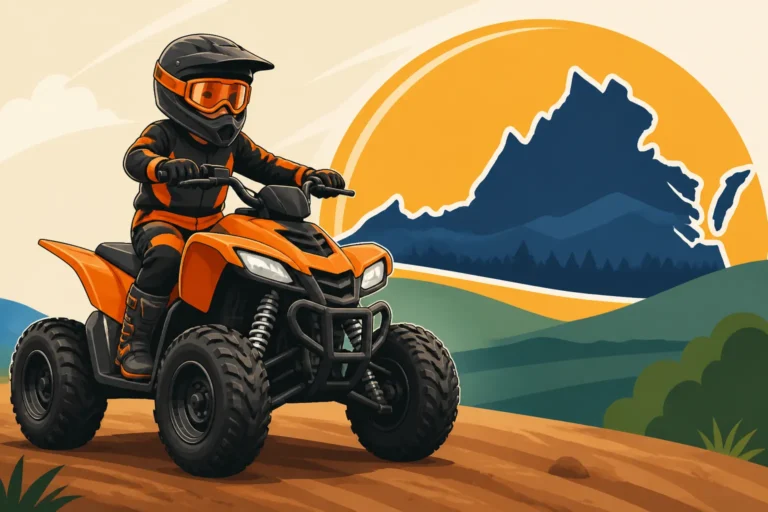
This is non-negotiable in Virginia: every single person operating or riding as a passenger on an ATV must wear an approved helmet. There's no exception for adults, no exception for private property, and no exception for experienced riders. The law is designed to protect against head injuries, which are tragically common in ATV accidents. An approved helmet means one that meets specific safety standards, such as those set by the Department of Transportation (DOT) or Snell. Just any old bicycle helmet won't cut it. It needs to be a proper off-road or motorcycle helmet designed to withstand the types of impacts common in ATV mishaps. Helmets save lives and prevent devastating brain injuries, so ensure yours fits properly and is in good condition before every ride. [Virginia Helmet Law Applies to Every Rider] highlights this critical rule.
Eye Protection: A Must for Every Ride
While not always explicitly listed with the helmet, eye protection is just as crucial. Whether it's goggles or a face shield integrated into your helmet, something must be protecting your eyes from dust, mud, branches, insects, and flying debris. Imagine hitting a patch of rough terrain, and a rock or piece of dirt kicks up directly into your eye. Not only could it cause serious injury, but it could lead to you losing control of your ATV, putting yourself and others at risk. Clear vision is paramount for navigating trails safely, especially when you're dealing with varied terrain and unexpected obstacles. Don't skimp on a good pair of goggles that fit snugly with your helmet.
Other Essential Safety Apparel
While helmets and eye protection are legally mandated, there are several other pieces of safety gear that, while not always required by law, are absolutely essential for any serious rider. Durable, over-the-ankle boots protect your feet and ankles from impacts and burns. Long pants and a long-sleeved shirt, preferably made of abrasion-resistant material, offer crucial protection against scrapes, cuts, and brush. Gloves protect your hands from blisters and improve grip. For aggressive riders, or those on more challenging trails, chest protectors, knee pads, and elbow pads can prevent significant injuries. Think of it as investing in your body's longevity; a little extra gear can prevent a lot of pain and time off the trail. You can find robust off-road apparel from many manufacturers, including companies like SuperATV, which offer a range of protective accessories to enhance your safety and comfort on any ride.
Beyond Age: Other Key Virginia Riding Regulations
Understanding age and engine size limits is just one piece of the puzzle for responsible ATV and UTV operation in Virginia. There are broader regulations that govern where and how these machines can be ridden, designed to protect riders, other citizens, and the environment. Ignoring these rules can lead to serious legal consequences, including significant fines, and can also damage the reputation of the entire off-road community. These aren't just suggestions; they are the law, and every rider needs to be intimately familiar with them.
The Strict Ban on Public Highways and Streets
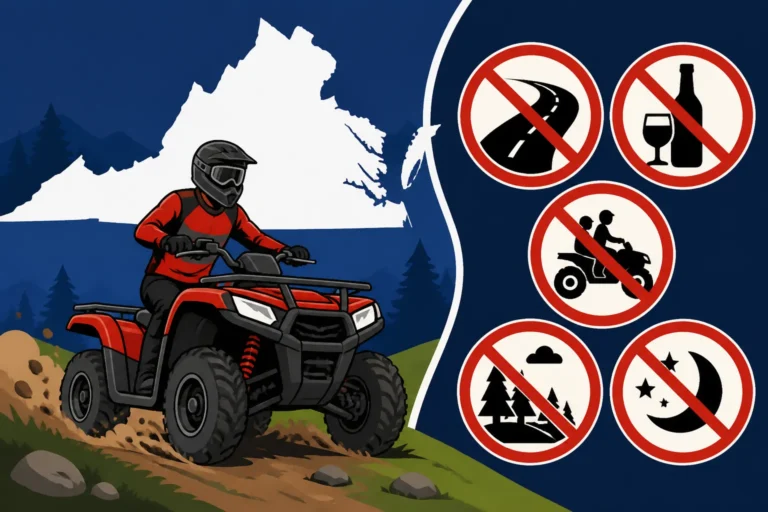
Let's get this one crystal clear: Virginia generally bans ATVs and UTVs from operating on public highways, roads, and streets. This includes the shoulder, median, and any part of the right-of-way. The only exceptions are very specific, limited circumstances, such as direct crossings by the most direct route or certain designated sections within Buchanan and Tazewell counties. But for the vast majority of the state, your ATV belongs off the paved roads. This rule is in place because ATVs are designed for off-road use; they lack the safety features (like turn signals, proper headlights/taillights for road use, and usually lack street-legal tires) necessary for safe operation alongside cars and trucks. Attempting to ride your ATV down a public road, even for a short distance, can result in hefty fines and potential impoundment of your machine. [Virginia Bans ATVs on Public Highways] explains the scope of this prohibition.
Designated Trail Systems and Private Land Rules
So, where can you ride? The answer primarily lies in designated off-road trail systems and private land. Virginia is home to some fantastic trail networks, like the Spearhead Trails in the southwest coalfields, which offer hundreds of miles of thrilling riding. These systems are specifically designed and managed for off-road vehicles, often requiring permits and adhering to their own specific rules regarding machine type, speed, and riding hours. When riding on private land, you absolutely must have the express written consent of the landowner. Trespassing is a serious offense, and simply having permission isn't enough; having it in writing protects both you and the landowner. Even on your own private property, you're still subject to state laws regarding age limits and safety gear, and local ordinances might impose noise restrictions. Always confirm the rules for any riding area before you go.
Passenger Restrictions on ATVs
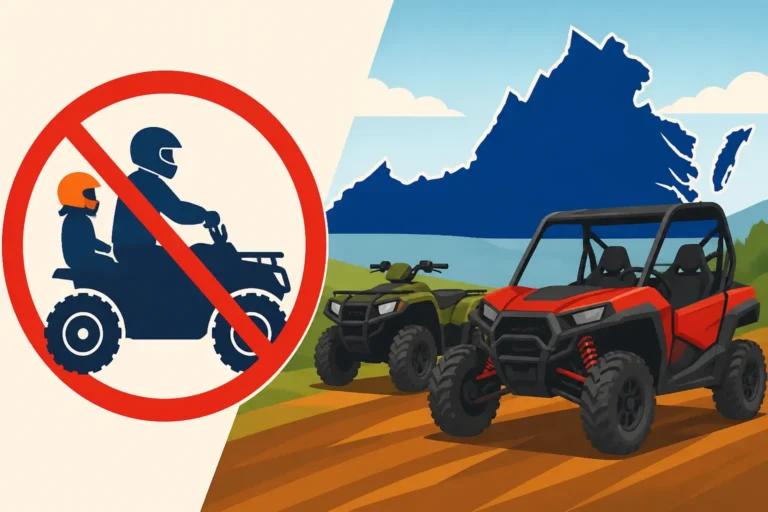
Another common point of confusion revolves around carrying passengers on ATVs. Most ATVs are designed for a single operator. Unless an ATV is specifically designed by the manufacturer to carry a passenger, it is illegal to carry one in Virginia. This means no "double riding" on a single-seat ATV, even if it's just a short hop or you're holding your child in front of you. Passenger-designed ATVs will typically have a longer, dedicated passenger seat, separate footrests or footpegs, and handholds. Utility vehicles (UTVs), on the other hand, are often designed with multiple seats and seatbelts for passengers, making them suitable for group rides. Always check your owner's manual and the manufacturer's specifications to determine if your machine is rated for carrying passengers. Ignoring this rule is incredibly dangerous, as a passenger on a single-rider ATV can shift weight unexpectedly, making the machine unstable and prone to rollovers. [Virginia Passenger Rules on an ATV] offers more detailed information on this topic.
Navigating Age Limits with Different Machine Types
While our discussion has largely focused on ATVs, the world of off-road vehicles is broad, encompassing dirt bikes, side-by-sides, and utility vehicles. It's crucial to understand how Virginia's age and engine size regulations, or similar principles, apply to these other popular machines. The spirit of the law remains consistent: matching rider capability to machine characteristics, but the specifics can vary based on vehicle classification.
Dirt Bikes and Their Engine-Based Age Limits
Dirt bikes, or off-road motorcycles, also fall under specific age and engine size restrictions in Virginia, though the exact cubic centimeter limits might differ slightly from ATVs. Generally, the same progression applies: smaller engine sizes for younger riders, with the capacity increasing as the rider ages. For instance, you'll find similar breakpoints around 70cc and 90cc for younger riders before they are allowed to operate larger, more powerful dirt bikes at 16 and over. Like ATVs, dirt bikes require all riders to wear helmets and appropriate eye protection. It’s also important to note that converting a dirt bike for street legal use is a separate, complex process with very specific requirements and is typically only an option for riders 16 and older who also hold a valid motorcycle endorsement. Always consult the Virginia DMV guidelines for precise dirt bike regulations. [Virginia Off-Road Motorcycle Definitions] helps distinguish these machines.
Side-by-Sides and Manufacturer's Age Recommendations
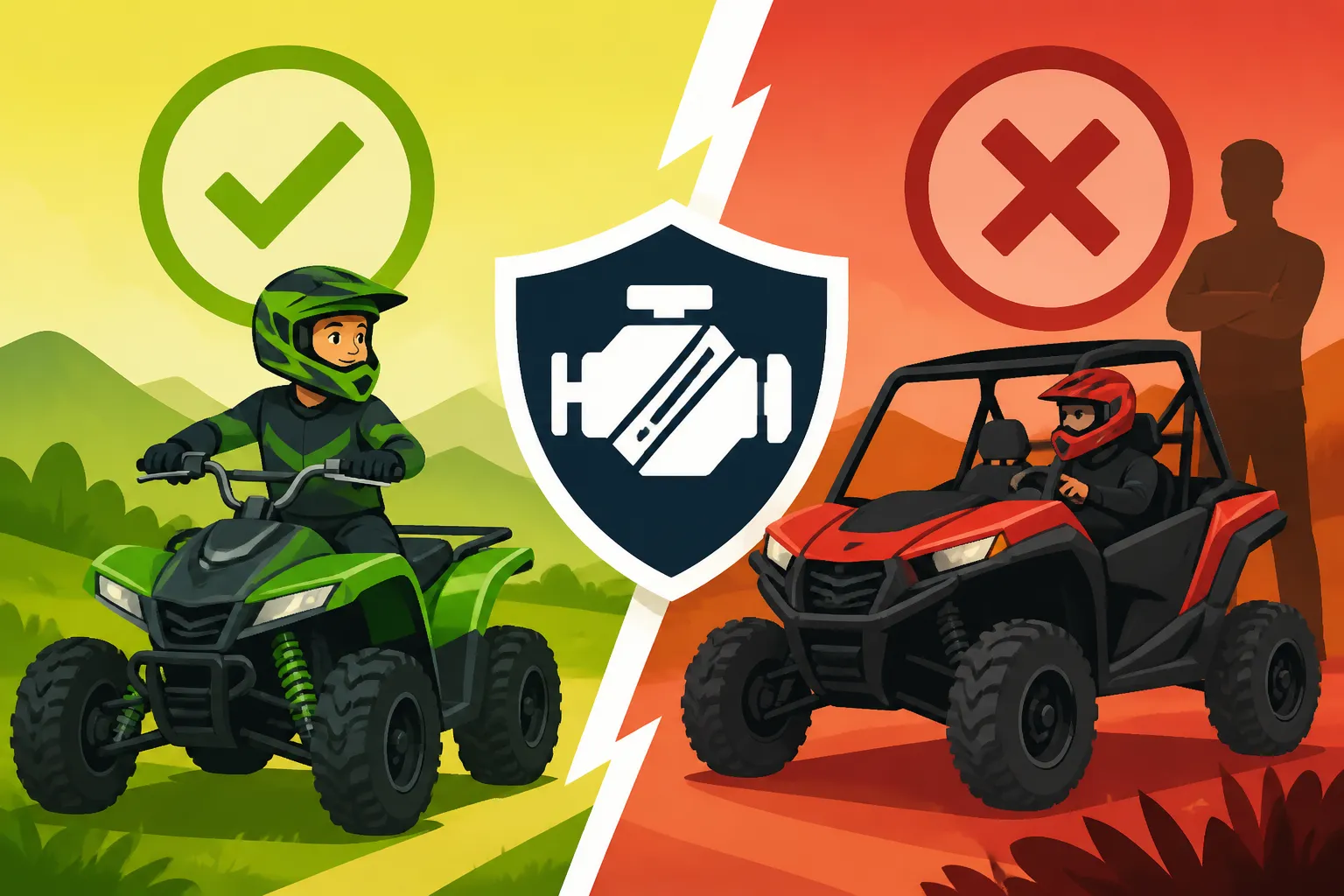
Side-by-sides (SxS) or Utility Task Vehicles (UTVs) present a slightly different scenario. While they are legally classified as ATVs in Virginia for the purpose of titling and many operating rules, their multi-passenger, car-like design means that age limits for operators aren't strictly defined by engine size in the same way as single-rider ATVs. Instead, manufacturer age recommendations become paramount. Most side-by-side manufacturers recommend a minimum operator age of 16 years old. This recommendation is based on the vehicle's size, weight, speed, and complexity, despite many models featuring steering wheels and foot pedals similar to a car. These vehicles often have roll cages, seatbelts, and a wider stance, which can give a false sense of security. However, their higher center of gravity, power, and tendency to be used on rough terrain mean that an inexperienced or underage driver is still at significant risk. Always defer to the manufacturer's stated minimum operating age for any side-by-side. Many accessories from companies like SuperATV can enhance the safety and utility of your UTV, but they don't override these fundamental age guidelines. [Why Your Side-by-Side Counts as an ATV] can clarify its classification.
The Importance of Matching Rider to Machine
Regardless of whether you're dealing with an ATV, dirt bike, or side-by-side, the overarching principle is to match the rider's age, size, strength, maturity, and skill level to the appropriate machine. Even when legal engine limits are met, if a child is simply too small or lacks the judgment for a particular machine, it's not safe. Consider their ability to reach and operate the controls, their strength to steer and handle the machine's weight, and their judgment to navigate obstacles and react to changing conditions. Starting small and gradually increasing machine size as skills develop is the safest and most responsible approach to off-road riding for young people. This builds confidence and competence, ensuring a lifetime of enjoyment on the trails.
Virginia ATV Age Limits by Engine Size
To help clarify Virginia's ATV age and engine size requirements, here's a quick summary. This table focuses specifically on ATVs, distinguishing them from other off-road vehicles where rules might vary.
| Rider Age Group | Maximum Engine Size (Cubic Centimeters) | Key Legal Requirement |
|---|---|---|
| Under 12 | 70cc | Must not exceed 70cc |
| 12 to 15 | 90cc | Must not exceed 90cc |
| 16 and Over | No Legal Limit | No engine size restriction |
This table clearly illustrates how Virginia prioritizes engine size as the defining factor for youth ATV operation, with no legal "supervision exception" to these limits. Always refer to the official DMV resources for the most current and comprehensive information.
Disclaimer
This article is for general informational purposes only and does not constitute professional advice. Laws, prices and regulations vary by location and change over time. Consult a qualified professional for guidance on your specific situation.