Why Your Side-by-Side Counts as an ATV
It can be incredibly confusing when you bring home a shiny new (or new-to-you) side-by-side, thinking it's one thing, only to find out Virginia's laws lump it into a completely different category. Many folks are genuinely surprised to learn that their multi-passenger, steering-wheel-equipped utility vehicle is, in the eyes of the Commonwealth, often just another type of all-terrain vehicle. This guide will cut through the legal jargon and common misunderstandings to explain precisely why your side-by-side counts as an ATV in Virginia and what that means for you as an owner.
Unpacking the Jargon: What's in a Name for Virginia Riders?
When you’re out on the trails or looking at machines at a dealership, the terms "ATV," "UTV," and "side-by-side" are often thrown around somewhat interchangeably, or with distinct differences in mind. This casual use can unfortunately lead to a lot of headaches when it comes to understanding the actual legal framework in Virginia. It’s a common frustration that what seems like a clear distinction in the showroom or among your riding buddies often evaporates once you look at the state code.
The Everyday Understanding of ATVs and Side-by-Sides
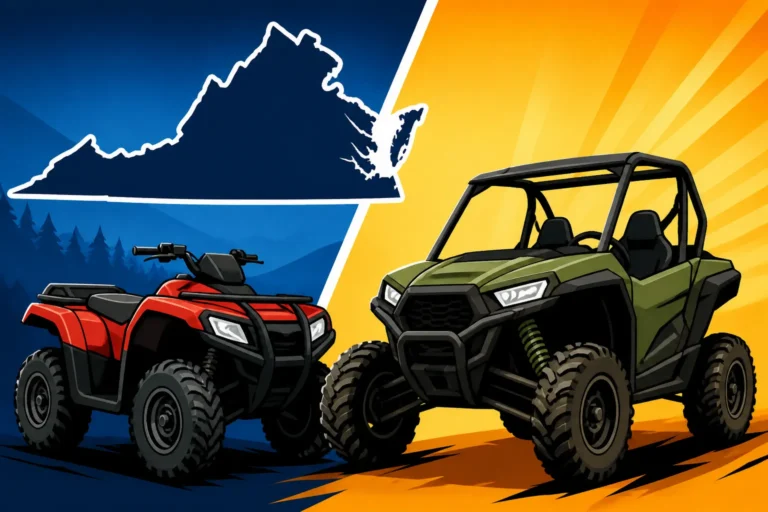
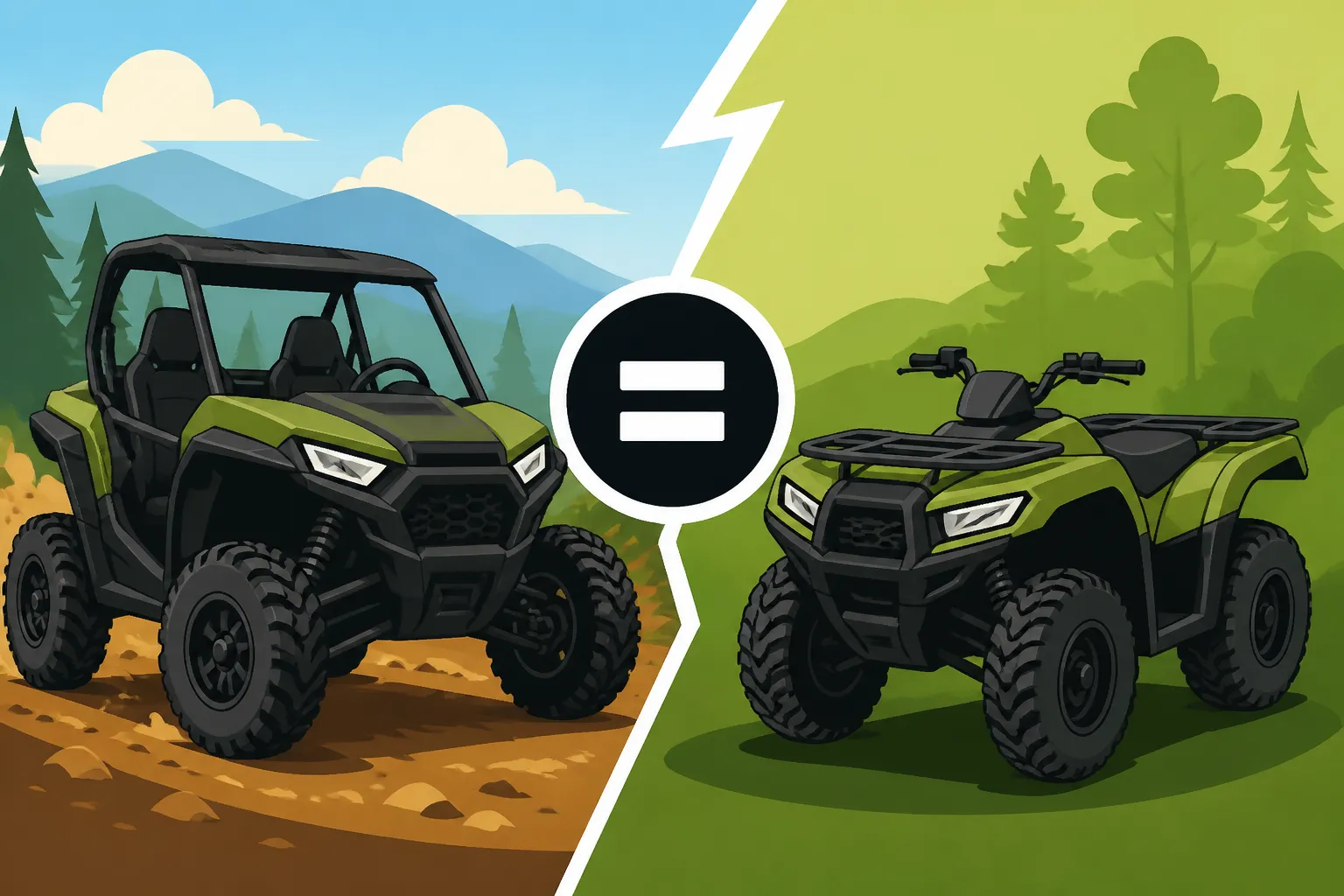
Most riders naturally think of an ATV as a quad – a machine with handlebars, a straddle seat, and designed for a single rider, or perhaps a rider and one passenger if it's a two-up model. When they hear "side-by-side," they picture something with a steering wheel, bucket seats, seatbelts, and a roll cage, capable of carrying two, three, or even six people. These machines often have a cargo bed, making them excellent for farm work, hunting, or hauling gear on the trails. Visually, they are distinct, and logically, one might assume they fall under different regulatory umbrellas because of these obvious design differences. It’s perfectly understandable why someone would think a Polaris RZR or a Can-Am Defender is fundamentally different from a Honda Recon or a Yamaha Raptor. The sheer size, seating arrangement, and control interface scream "different vehicle" to the average person. But for Virginia, those visual cues aren't always the determining factor.
How Virginia Law Actually Defines an ATV
Here’s where the rubber meets the road, or rather, where the mud meets the tire. Virginia's definition of an "all-terrain vehicle" is surprisingly broad, and it's this breadth that catches many side-by-side owners off guard. According to Virginia law, an all-terrain vehicle is generally defined as any motor vehicle that is designed for off-road use, has three or more wheels, and is powered by an engine of more than 50 cubic centimeters. It often mentions that the machine is designed for a person to straddle while riding. However, this straddle seat characteristic isn't always rigidly applied to exclude vehicles that otherwise fit the "off-road, three or more wheels, over 50cc" criteria. The spirit of the law, for many years, has been to categorize most recreational off-road machines under this ATV umbrella for titling purposes, recognizing their common use patterns and safety considerations. This broad definition ensures that most machines used for tearing up trails or helping on the farm, even if they have a steering wheel, don't slip through regulatory cracks. You might find it helpful to look at the specifics of [Virginia ATV and Utility Vehicle Definitions] to really grasp the nuances.
Where Side-by-Sides Fit into Virginia's Legal Picture
So, despite their car-like features, most side-by-sides, also known as UTVs (Utility Terrain Vehicles), are indeed considered ATVs for titling purposes in Virginia. The key here is the "designed for off-road use" and the "three or more wheels, over 50cc" aspects. While you might not straddle the seat of a Can-Am Maverick X3 or a Kawasaki Mule, the state focuses on its intended purpose and engine size. This categorization means that all the rules that apply to a traditional quad—from titling requirements to riding restrictions—often apply directly to your side-by-side. It’s not that the state doesn’t recognize side-by-sides exist; it simply chooses to regulate them under the existing, established framework for ATVs. This can be a source of frustration because many owners feel their side-by-side, with its roll cage and seatbelts, should be treated differently from a traditional ATV, especially concerning things like passenger limits or street legality. But the law, in its current form, largely views them through the same lens. When buying or selling, make sure your bill of sale, perhaps from a reputable template service like LawDepot, correctly identifies the machine, even if the DMV later calls it an ATV.
The Core of the Matter: Virginia's Legal Definition and Its Impact
Understanding the direct legal implications of your side-by-side being classified as an ATV is crucial. It’s not just a matter of semantics; it affects everything from what paperwork you need to how and where you can legally ride your machine in the Commonwealth. The law sometimes uses broad strokes, and while it can feel frustratingly generic, it's how the system works.
The Key Characteristics That Matter to the DMV
When you head to the Department of Motor Vehicles (DMV) with your side-by-side paperwork, they aren't typically scrutinizing whether you sit in it versus on it. Their focus is primarily on a few key characteristics:
- Engine Size: Is it over 50 cubic centimeters (cc)? Almost all side-by-sides are, which immediately puts them on the DMV's radar for titling. [Virginia Titles Required on Machines Over 50cc] clarifies this critical threshold.
- Purpose: Is it designed for off-road use? This is generally self-evident with side-by-sides; they're built for trails, fields, and rough terrain, not public highways.
- Wheels: Does it have three or more wheels? Again, side-by-sides easily meet this criterion with four or even six wheels.
The features that often make a side-by-side seem distinct – like a steering wheel, bucket seats, or a full roll cage – are typically secondary to these core definitions when it comes to titling and broad classification. While these features are crucial for safety and operation, they don't generally pull the machine out of the "ATV" category in Virginia's legal code for titling. It can feel like the state is missing the point of what makes these machines unique, but for the purpose of a title, the similarities outweigh the differences.
Why "Utility Vehicle" Isn't a Separate Category for Titling
This is a point of frequent confusion. Many manufacturers market their side-by-sides as "Utility Vehicles" (UTVs), emphasizing their work capabilities over pure recreation. You'll see names like "Ranger," "Mule," or "Defender," clearly hinting at their utility-focused design. While "utility vehicle" is a perfectly valid descriptive term, Virginia law doesn't establish a separate, distinct titling or registration category for "utility vehicles" that separates them from ATVs in the same way it does for, say, motorcycles or passenger cars.
For most purposes, if it's an off-road machine over 50cc, it's an ATV. This can lead to moments of exasperation at the DMV counter, especially if you're trying to explain why your robust workhorse with a dump bed isn't simply a "four-wheeler." The legal framework simply doesn't draw that fine line for titling. This means that while your UTV might be a powerhouse on the farm, its legal designation for titling will still likely be as an "all-terrain vehicle." Understanding [Why Virginia Says a Utility Vehicle Is Not a Motor Vehicle] for certain purposes can help clarify this legal distinction.
The Role of Manufacturer's Statement of Origin (MSO)
The Manufacturer's Statement of Origin (MSO) is perhaps the most critical piece of paper when you buy a new side-by-side. It's essentially the birth certificate for your machine, and what it says often dictates how the DMV classifies your vehicle from the outset. For almost all side-by-sides sold in Virginia, the MSO will likely identify the machine as an "Off-Highway Vehicle," "Off-Road Vehicle," or, more directly, an "All-Terrain Vehicle." Very rarely will you see an MSO for a side-by-side that specifically labels it in a way that would exempt it from the ATV titling requirements in Virginia.
The MSO provides the initial classification that the DMV relies upon. If your MSO clearly states it's an "ATV," then that's how the DMV will process your title application, regardless of its steering wheel or bench seats. This is why when you bring a new machine to the DMV, the MSO is required to secure your [Virginia Title Requirements for a New Machine]. This document, often required when you first purchase your machine, serves as definitive proof of origin and the manufacturer's intended classification, which the state readily accepts as the baseline for its own titling process. Make sure to keep this document safe, as it’s essential for demonstrating clear ownership.
Navigating Titling and Ownership for Your Side-by-Side
Since your side-by-side is generally considered an ATV in Virginia, the process for establishing legal ownership, primarily through titling, follows the same rules as traditional quads. This means there are specific requirements and steps you need to be aware of, especially regarding new purchases versus private sales of used machines. It's not always a straightforward process, and having your ducks in a row can save you a lot of time and potential headaches.
When a Side-by-Side Needs a Virginia Title
The titling requirements for side-by-sides in Virginia hinge on a couple of key factors: the engine size and when the machine was first purchased new.
- Engine Size: Any side-by-side with an engine displacement over 50 cubic centimeters is subject to Virginia's titling laws. Given that virtually all side-by-sides exceed this minimal threshold, this means nearly every side-by-side will need a title if purchased new.
- Purchase Date: Virginia enacted a law in July 2006 requiring all new ATVs (which includes side-by-sides) purchased after that date to be titled. So, if you bought your side-by-side new any time since then, obtaining a Virginia title wasn't just optional; it was a legal requirement. This is covered in more detail in [Virginia Titles Machines Bought New Since 2006].
If you've purchased a brand-new side-by-side from a dealer, they will typically handle the initial titling paperwork for you, ensuring compliance. However, if you bought a used machine or are a new resident, you might need to initiate the process yourself.
The Titling Process: What to Expect at the DMV
Titling your side-by-side, whether new or used, usually involves a trip to the DMV and completing specific forms. While it might seem daunting, it's a manageable process if you come prepared.
- Proof of Ownership: For a new machine, you'll need the Manufacturer's Statement of Origin (MSO). For a used machine, you'll need the previous owner's properly signed-over title. If the title is missing, or you're dealing with a very old machine without paperwork, you might need an affidavit in lieu of a title, which can sometimes be sourced from a legal document provider like LawDepot.
- Application Form: You'll complete Virginia Form VSA 17A, known as the "Application for Certificate of Title and Registration." This form captures all the necessary details about your side-by-side and your ownership. Detailed guidance on [Virginia Form VSA 17A Explained] can be really helpful here.
- Identification: Bring a valid government-issued photo ID.
- Payment: Be ready to pay the applicable title fee and any sales tax due. Virginia charges a specific title fee for ATVs, which is separate from vehicle registration fees.
It's always a good idea to call your local DMV or check their website beforehand to confirm current requirements and operating hours.
Specifics for Private Sales and Used Side-by-Sides
Buying or selling a used side-by-side in a private sale adds a few extra layers of consideration. While titling a used ATV is technically optional in Virginia, it's almost always a good idea.
- Optional Titling: Unlike new machines, Virginia does not mandate that used ATVs (including side-by-sides) be titled. This means many older or privately-sold machines might never have had a title. However, if you plan to finance the purchase, most lenders will absolutely require a title as collateral. It also provides undeniable proof of ownership, which is crucial in case of theft or dispute. Learn more about [Virginia Titles Are Optional on Used Machines].
- Proof of Purchase: If there's no existing title, or if you're buying a machine that predates the 2006 titling requirement, a strong bill of sale is paramount. This document should clearly identify the machine (make, model, VIN/serial number), the buyer and seller, the purchase price, and be signed by both parties. You can find reliable bill of sale templates through services like LawDepot, which can ensure all the necessary legal language is included for your peace of mind. A notarized bill of sale offers an extra layer of protection, though it's not always required by the DMV for optional titling.
- Transferring Ownership: If the used side-by-side does have a Virginia title, the seller simply signs it over to you. You then take the signed title, along with Form VSA 17A and your ID, to the DMV to have a new title issued in your name. This process is similar to titling a used car, just without the registration and plate. For more on this, check out [Virginia Titles After a Private Sale].
Beyond Titling: Riding Rules and Other Considerations
The classification of your side-by-side as an ATV in Virginia extends far beyond just titling paperwork. It directly impacts where and how you can legally operate your machine, as well as considerations for insurance and financing. These rules are designed with safety and public access in mind, even if they sometimes feel restrictive.
Road Rules: The Harsh Reality for Side-by-Sides
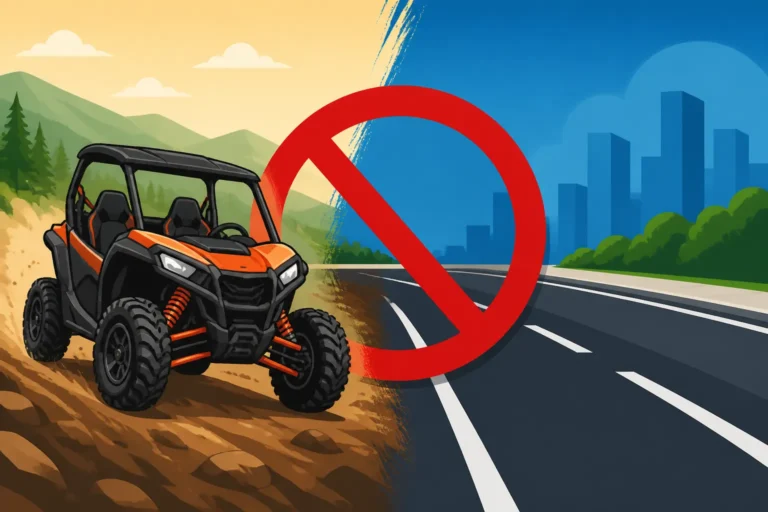
This is perhaps the biggest disappointment for many side-by-side owners: despite their car-like controls and often robust appearance, side-by-sides are generally treated like ATVs when it comes to road use in Virginia. This means they are almost universally banned from public highways and roads. The exceptions are very specific and limited, primarily to certain designated coalfield connector roads in Buchanan and Tazewell counties, or for agricultural purposes, emergency services, and very short, direct crossings of public roads.
- Public Highway Ban: For the vast majority of Virginia, riding your side-by-side on any numbered state highway, or even many local roads, is illegal. This can lead to significant fines and even impoundment of your machine. This is a critical point that many riders misunderstand, leading to citations. The law is quite clear on [Virginia Bans ATVs on Public Highways].
- Limited Exceptions: The coalfield exceptions are designed to connect specific trail systems, and they come with strict conditions like speed limits and daylight-only operation. Farming exceptions also exist for agricultural operations. However, these are not blanket permissions for casual road riding.
- No Street Legal Path: Unlike some dirt bikes that can be converted to street-legal motorcycles in Virginia under very specific conditions, there is currently no legal path to make a side-by-side street-legal for general highway use in the Commonwealth.
Safety Gear and Age Restrictions
Because your side-by-side is categorized as an ATV, all of Virginia's ATV safety regulations apply to you and your passengers. These rules are put in place to protect riders of all ages and experience levels.
- Helmet Law: Every single person riding on a side-by-side (or any ATV) in Virginia, regardless of age or whether they are on private land, must wear an approved helmet. This is not optional and is strictly enforced. It's a key safety measure that applies to everyone, not just youth riders. For the full scoop, see [Virginia Helmet Law Applies to Every Rider].
- Eye Protection: While not as explicitly detailed as the helmet law, good eye protection (goggles or a face shield) is strongly recommended and often considered part of safe riding practice to prevent debris from injuring your eyes.
- Age and Engine Size Limits: Virginia also has specific age restrictions tied to engine size for ATV operators. While side-by-sides typically have larger engines, the principles still apply to young operators. Riders under 16, for instance, have limitations on what they can operate, and adult supervision is often a factor. Even with a roll cage and seatbelts, these age limits are strictly observed.
- Passenger Rules: If your side-by-side is designed by the manufacturer with multiple seats and seatbelts, then carrying passengers is generally permitted within the manufacturer's specified capacity. However, if a traditional ATV is modified to carry a passenger, that's usually not legal unless specifically designed for it.
Insurance and Financing: What the Banks See
While Virginia law doesn't require you to carry insurance on your ATV or side-by-side, it's a decision with significant implications, especially if you're financing your machine.
- No Mandatory Insurance: That's right, unlike cars, the state does not mandate liability insurance for off-road vehicles. This can be tempting to skip to save money, but it's a risky move. More information is available in [Virginia Requires No ATV Insurance].
- Lender Requirements: If you've financed your side-by-side through a bank, credit union, or dealer, you can almost guarantee they will require you to carry comprehensive and collision insurance on the machine. This protects their investment (the loan) in case of damage, theft, or total loss. If you let this coverage lapse, the lender could repossess the machine or force-place expensive insurance on your behalf.
- Personal Protection: Even without a loan, consider the financial risk. A side-by-side can be a substantial investment. Comprehensive coverage can protect against theft, fire, or vandalism. Collision coverage will help repair or replace your machine if you're in an accident, whether with another vehicle or just hitting a tree on the trail. And liability coverage, though not required, protects you if you injure someone or damage their property while riding.
- Insurance Company Categorization: When you seek insurance, carriers typically have specific "off-road vehicle" or "ATV" policies designed for machines like side-by-sides. They understand the different risks associated with off-road use compared to street vehicles.
Common Pitfalls and How to Avoid Them
Even with the best intentions, it's easy to fall into common traps when it comes to understanding how Virginia classifies and regulates side-by-sides. Many of these pitfalls stem from reasonable assumptions that simply don't align with the letter of the law. Being forewarned is being forearmed.
The "It Looks Like a Car" Trap
This is arguably the most common misconception. You sit side-by-side, you have a steering wheel, a gas pedal, and brake pedal, seatbelts, and often a roof and windshield. It feels like a miniature off-road car. It's perfectly natural to think this would put it in a different category than a traditional quad. However, as we’ve discussed, Virginia's legal definition of an ATV is broad enough to encompass these machines based on their off-road design and engine size. The fact that it looks and drives like a small car in an off-road setting is not enough to change its classification for titling or road legality. This is why Why Your Side-by-Side Counts as an ATV is such an important topic to cover—it directly addresses this "car-like" appearance versus legal reality. Don't let the design fool you into thinking it's exempt from ATV rules.
Assuming Out-of-State Rules Apply in Virginia
This pitfall is particularly relevant for those moving into Virginia from another state or purchasing a side-by-side from a dealer across state lines. Rules for off-road vehicles vary wildly from state to state. Some states might have a distinct "UTV" classification, allow limited road use for side-by-sides, or have different titling requirements. It's a critical mistake to assume that because your side-by-side was street-legal or had a unique classification in West Virginia, North Carolina, or any other state, those rules will magically transfer when you bring it to Virginia. They won't. You need to adhere to Virginia's laws as soon as the machine is garaged or regularly operated within the Commonwealth. Always check Virginia-specific laws when you [Moving to Virginia With an ATV You Already Own]. Your home state's rules mean nothing once you cross that state line.
The Importance of a Clear Paper Trail
Whether you're buying a new side-by-side or a used one, maintaining a clear and complete paper trail is your best defense against future legal headaches, ownership disputes, or difficulties at the DMV.
- New Machines: Always ensure you receive the Manufacturer's Statement of Origin (MSO) and a clear bill of sale from the dealer. Keep copies of everything the dealer submits to the DMV for titling.
- Used Machines: This is where things can get murky. If the side-by-side has an existing Virginia title, make sure the seller properly signs it over to you. If there's no title (which is common for older, used machines), a comprehensive bill of sale is non-negotiable. This document should include:
- The full names and addresses of both buyer and seller.
- The date of sale.
- The purchase price.
- A detailed description of the side-by-side, including make, model, year, and crucially, the full Vehicle Identification Number (VIN) or serial number.
- A statement that the seller is the legal owner and the machine is free of liens (if applicable).
- Signatures of both parties.
Consider using a legal document service like LawDepot to generate a robust, legally sound bill of sale. Sometimes, a notarized bill of sale can provide even stronger proof of transaction, even if not strictly required by the DMV for titling. This meticulous record-keeping is part of [Building a Paper Trail When You Buy a Used Quad] and protects your investment. Without proper documentation, proving ownership, especially for an untitled machine, can become an uphill battle.
| Feature/Category | Common Rider Perception (Side-by-Side) | Virginia Legal Classification (ATV) | Direct Impact on Virginia Owner |
|---|---|---|---|
| Steering | Steering Wheel (like a car) | Not a primary distinguishing factor | Still off-road only (with rare exceptions) |
| Seating | Bucket/Bench Seats | Not a primary distinguishing factor | Subject to ATV passenger rules; manufacturer's capacity matters |
| Primary Use | Utility, Work, Recreation | Off-road recreation, utility | Titling, riding rules, and safety gear requirements apply |
| Road Legality | Might be street legal in some areas | Generally NOT street legal in Virginia | Restricted to private land, designated trails, or limited exceptions |
| Titling Requirement | Often assumed optional (used) | Required if new (since 2006), >50cc; highly recommended for used | Essential for new purchases, smart for used to prove ownership |
| Safety Gear (Helmet) | Required only for kids/certain conditions | Required for EVERYONE on ANY ATV/UTV | Mandatory helmet use for all riders and passengers |
| Insurance | Required by lenders, optional by state | Not mandatory by state, but smart | Lenders will require it; protects your investment |
Disclaimer
This article is for general informational purposes only and does not constitute professional advice. Laws, prices and regulations vary by location and change over time. Consult a qualified professional for guidance on your specific situation.