Virginia Rescue Squad Title Exemptions
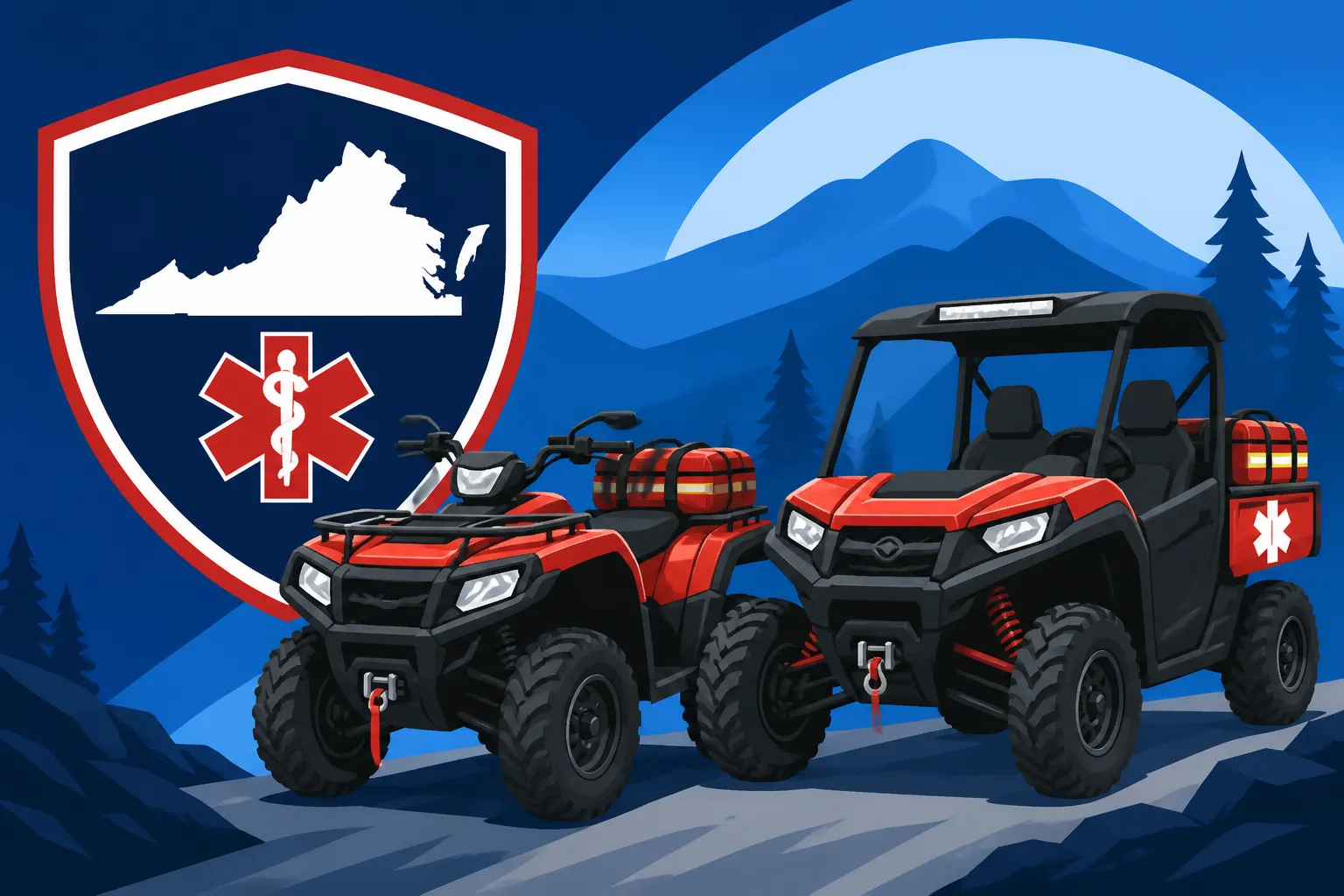
It can feel like a maze trying to figure out all the rules and regulations for ATVs and UTVs in Virginia, especially when you're part of an organization that serves the public. Many dedicated rescue squads rely on these powerful machines to reach remote areas, transport equipment, or even evacuate individuals in emergencies. But then the question hits: Do we have to title these machines just like a regular rider? The good news is, Virginia law often provides specific exemptions for these vital community service providers, making their operations a little less bogged down in administrative paperwork. This guide will walk you through those specific Virginia rescue squad title exemptions, explaining who qualifies, what it means in practice, and what you still need to keep in mind.
Understanding Virginia's Approach to ATV and UTV Titling
Before we dive into the specifics for rescue squads, it's helpful to understand the general landscape of ATV and UTV titling in Virginia. For most private citizens, getting a title for their off-road machine is a standard part of ownership, but it's not quite the same as titling a car or truck.
The General Rule for Most Virginia Riders
When you, as a private individual, buy an ATV or UTV in Virginia, especially a new one, you'll generally encounter the titling requirement. The Virginia Department of Motor Vehicles (DMV) titles ATVs and UTVs that are primarily designed for off-road use, but they don't register them for road use in the same way they would a car. This means you get a title as proof of ownership, but no license plate, no annual registration sticker, and no permission to ride on public roads, with very few exceptions. For a new machine, specifically one over 50cc that was purchased new since July 1, 2006, a title is generally required. This specific date is crucial for understanding the state's titling history.
For many riders, especially those who bought a used machine, the rules can get a little fuzzy. While a title is generally a good idea for any private owner to establish clear proof of ownership and facilitate future sales, it's not always a legal requirement for used machines. However, if you're financing a used quad, your lender will almost certainly insist on you getting a title for their lien to be recorded. This is a common point of confusion, as people often assume all ATVs must be titled. But for a used machine, [Virginia Titles Are Optional on Used Machines] can be a surprising reality for some buyers and sellers.
Why Exemptions Exist for Essential Services
So, why would the state carve out special rules for rescue squads? It really comes down to public service and practicality. Volunteer rescue squads and other emergency service providers are often operating under different circumstances than recreational riders. Their machines are tools for saving lives and responding to critical situations, not primarily for leisure. Requiring them to jump through the exact same administrative hoops for every piece of equipment could unnecessarily slow down their ability to acquire and deploy vital assets. The state recognizes the essential role these organizations play in community safety and aims to streamline processes where possible, without compromising accountability.
Imagine a situation where a rescue squad needs to quickly acquire a new UTV after a natural disaster to navigate damaged terrain. If they had to wait for standard titling processes, which can sometimes involve multiple steps and forms, it could delay their response. The exemptions are designed to acknowledge that these vehicles are part of a critical infrastructure, and that the organizations owning them are typically non-profit, publicly accountable entities. This public trust and the unique nature of their operations justify a different set of rules compared to a private individual who might be using a quad for weekend trail rides or farm chores. It's about enabling these crucial services to operate as efficiently as possible for the benefit of all Virginians.
Specific Exemptions for Virginia Rescue Squads
Now, let's get into the nitty-gritty of what these exemptions actually entail for Virginia's rescue squads. It's important to understand not just that an exemption exists, but who qualifies and what it means for the paperwork.
Who Qualifies as a "Rescue Squad" Under Virginia Law?
When Virginia law refers to "rescue squads" in the context of vehicle exemptions, it's typically talking about bona fide, organized, and recognized entities whose primary mission is emergency medical services, search and rescue, or other life-saving operations. This isn't just a group of friends with a first aid kit and a UTV. We're generally talking about:
- Volunteer Rescue Squads: These are the most common type, often structured as non-profit organizations, with formally trained personnel and designated roles. They operate under specific charters and are recognized by local government or state authorities.
- Paid Emergency Medical Services (EMS) Agencies: While the term "rescue squad" often evokes images of volunteers, paid municipal or county EMS departments would also typically fall under the spirit of such exemptions for their emergency vehicles, including ATVs and UTVs used for their official duties.
- Fire Departments with Rescue Capabilities: Many fire departments also incorporate rescue operations and often utilize ATVs or UTVs for off-road access, brush fires, or transporting equipment. These departments, as official government entities, would also typically be covered.
The key thread here is the official, organized, and public-service nature of the entity. They usually have a federal Employer Identification Number (EIN), are often 501(c)(3) non-profits, and have governing bodies or official oversight. This formal structure is what distinguishes them and provides the basis for the exemptions. If you're unsure if your specific organization qualifies, checking with the Virginia DMV or consulting with legal counsel specializing in non-profit or public service law would be a wise step. They may need to ensure their organizational documents, perhaps drafted using resources like LawDepot, clearly establish their non-profit status and purpose.
The Nature of the Exemption: What It Means for Titling
So, what does it truly mean to be "exempt" from ATV and UTV titling requirements in Virginia? It means that these qualifying rescue squads are generally not required to apply for a certificate of title with the DMV for their off-road vehicles. For the average rider, the DMV issues a certificate of title to prove who legally owns the machine. For a rescue squad, the need for that specific piece of paper is often waived because their public service nature and official status provide sufficient assurance of ownership and legitimate use.
This exemption doesn't mean they operate completely off the books. It simply streamlines the administrative process. Instead of needing to submit a manufacturer's certificate of origin (MSO) for a new machine, or a bill of sale and previous title for a used one, they may simply need to maintain clear internal records of acquisition. This reduces bureaucratic hurdles for organizations that are already stretched thin by their critical mission. However, it's crucial to understand that this exemption pertains specifically to titling and does not grant any special privileges regarding where or how the ATV or UTV can be operated. The rules for riding an ATV on a public highway, for instance, still apply, regardless of who owns it or its purpose, unless specifically carved out for emergency response itself. [Virginia Bans ATVs on Public Highways] for most general use.
Practical Implications and Documentation
Even with an exemption, rescue squads still need to be diligent about their administrative practices. It's not a free pass to ignore all paperwork; rather, it’s a shift in what paperwork is emphasized.
Proving Eligibility and Ownership
For a Virginia rescue squad to assert its exemption, it must be able to prove its eligibility. This typically involves having official organizational documents readily available. While they might not be filing a title application with the DMV, they will absolutely need to show:
- Official Charter or Articles of Incorporation: These documents establish the legal existence and purpose of the rescue squad as a recognized entity.
- IRS 501(c)(3) Determination Letter (if applicable): For non-profit volunteer squads, this letter confirms their tax-exempt status, which often reinforces their public service nature.
- Official Letterhead or Agency Identification: Any purchase orders, invoices, or internal memos related to the ATV/UTV acquisition should clearly identify the rescue squad by its official name.
- Bill of Sale or Purchase Agreement: Even without a title, a clear record of purchase from the seller is essential. This document should detail the machine's VIN, make, model, year, and the purchase price, along with the names of both buyer and seller. This is where a standardized document, perhaps generated through a service like LawDepot, could be incredibly useful for ensuring all necessary details are captured and legally sound.
- Proof of Authorized Signatory: The individual signing for the rescue squad when acquiring the ATV/UTV should have documented authority to do so on behalf of the organization.
Keeping these documents organized and accessible is paramount. While a trail ranger or an officer might not ask for a "title" when checking a machine used by a rescue squad during an emergency, they may still inquire about ownership, especially if there's any doubt about the machine's legitimacy or the squad's authority to be in a particular location. A well-maintained folder of these official documents serves the same purpose as a title: proving legitimate ownership and operational authority.
When a Rescue Squad Might Still Choose to Title
Despite the exemption, there are valid reasons why a Virginia rescue squad might still elect to title an ATV or UTV. The exemption is a waiver of requirement, not a prohibition on titling. Sometimes, the benefits of having a formal state-issued title outweigh the simplicity of the exemption.
One primary reason is financing. If a rescue squad needs to take out a loan to purchase an ATV or UTV, the lending institution will almost certainly require the machine to be titled with the DMV. This allows the lender to record their lien on the title, protecting their financial interest in the event of default. Without a title, most banks or credit unions would be unwilling to offer a loan. Therefore, even if they're exempt, a squad securing funds through a lender will likely find themselves going through the standard titling process to satisfy the loan terms. [Virginia Title and Lien Records] are crucial for lenders.
Another consideration is insurance. While [Virginia Requires No ATV Insurance] by law, any responsible rescue squad will carry comprehensive insurance on their assets, especially those used in high-risk scenarios. An insurance company may prefer or even require a formal title as part of their underwriting process to confirm clear ownership and value. It adds another layer of official recognition that can simplify claims or valuations. Lastly, should the rescue squad ever decide to sell or donate the machine, having a clean Virginia title makes the transfer of ownership much smoother. It provides unambiguous documentation for the next owner, whether they are a private party or another exempt organization, preventing potential headaches down the line. It offers an undeniable paper trail that can expedite the sale and provide peace of mind for both parties.
Common Misconceptions and Best Practices
Navigating ATV and UTV rules can be tricky, and even more so when exemptions are involved. It's vital for rescue squads to understand what the titling exemption does and doesn't cover.
The Difference Between Titling and Registration (or Lack Thereof)
One of the biggest areas of confusion for many Virginians, including sometimes those in public service, is the distinction between titling and registration for ATVs and UTVs. For passenger vehicles, you get a title (proof of ownership) and you register it (get plates and stickers for legal road use). For ATVs and UTVs in Virginia, it's different: [Virginia Titles ATVs but Never Registers Them].
What does this mean for a rescue squad? It means that even if your ATV or UTV is titled, or if it's exempt from titling, it still does not mean it's registered for road use. You won't get a license plate or any form of annual registration. The exemption for rescue squads from titling simply means they don't have to get that initial proof of ownership document from the DMV. It doesn't grant them any additional rights to operate on public highways beyond what is explicitly allowed for emergency vehicles during an actual emergency response. This distinction is critical because some might mistakenly believe that an exempt status or a title makes their off-road vehicle street-legal. That is almost never the case for an ATV or UTV in Virginia. The only vehicles with a path to street legality are certain converted dirt bikes.
Maintaining Records for Accountability
Even without the DMV-issued title, robust record-keeping is a non-negotiable best practice for any rescue squad. This isn't just about good organizational habits; it's about accountability, transparency, and protecting the squad's assets. Comprehensive records should include:
- Acquisition Documents: Every detail from the purchase, including the bill of sale, invoice, and any related contracts. If the machine was donated, a formal donation agreement should be on file. Using standardized forms, perhaps from a reputable source like LawDepot, can help ensure completeness and consistency.
- Maintenance Logs: A detailed record of all maintenance, repairs, and servicing performed on the ATV/UTV. This not only helps track the machine's operational history and ensures it's always ready for deployment, but also provides valuable documentation of its condition.
- Usage Records: While not always practical for every single short deployment, keeping logs of significant missions or extended uses can be beneficial for demonstrating the machine's purpose and wear.
- Insurance Policies: Up-to-date copies of all insurance policies covering the ATV/UTV, including details on coverage, deductibles, and periods of validity.
- Asset Inventory: A comprehensive list of all equipment owned by the squad, with unique identifiers (like VINs for vehicles), purchase dates, and current location.
These records serve multiple purposes. They are invaluable for internal audits, for demonstrating compliance with grant requirements, for insurance claims, and for providing a complete history if the machine is ever sold or retired. In the absence of a state-issued title, these internal documents become the primary proof of legitimate ownership and responsible management.
Scenarios Beyond Rescue Squad Exemptions
While our focus is on rescue squads, it's helpful to touch on related scenarios to provide a full picture of how these exemptions or similar rules might apply, and what happens when an exempt machine changes hands.
Machines Used for Other Public Services
Rescue squads aren't the only public service entities that might encounter special provisions for their ATVs and UTVs. Other government and essential service organizations also use these machines for specific duties, and they may operate under their own sets of rules or exemptions. For example:
- Law Enforcement Agencies: Police departments and sheriff's offices often utilize ATVs and UTVs for patrol in difficult terrain, crowd control, or search and rescue operations. As governmental entities, their vehicles are generally exempt from many standard titling and registration requirements, much like their cruisers.
- Fire Departments: Beyond rescue capabilities, fire departments use these machines for brush fire suppression, accessing remote fire lines, or carrying specialized equipment. Their official status provides similar exemptions.
- Parks and Wildlife Agencies: Virginia Department of Wildlife Resources (DWR) personnel, or those working for state or national parks, might use ATVs and UTVs for patrolling, maintenance, or managing wildlife. These are official government vehicles, typically exempt from general titling rules.
- Utility Companies (under specific circumstances): While not public service in the same vein, utility companies sometimes have specific provisions for vehicles used in maintaining essential infrastructure, especially when operating on private easements or during emergencies.
The common thread among these groups is their official capacity and public or essential service mission. Each would likely have robust internal accounting and inventory systems in place to track their assets, negating the need for a separate DMV title. They rely on their agency identification, purchase records, and statutory authority to justify their ownership and use.
What Happens When an Exempt Machine is Sold to a Private Party?
This is a critical scenario to understand. An exemption is tied to the owner's status (e.g., a rescue squad), not to the machine itself in perpetuity. If a Virginia rescue squad decides to sell one of its ATVs or UTVs to a private individual, that machine immediately loses its "exempt" status for titling purposes. The private buyer will then be responsible for titling the machine just as any other private citizen would.
Here’s how that typically plays out:
- Bill of Sale is Paramount: Since the rescue squad likely never had a formal Virginia title for the machine, the bill of sale becomes the cornerstone document for the private buyer. This document, officially generated by the rescue squad (perhaps using a template from LawDepot), must clearly identify the rescue squad as the seller, the buyer's information, the complete VIN, make, model, and year of the ATV/UTV, the sale price, and the date of sale. It should also state that the machine was previously owned by an exempt organization.
- DMV Requirements: The private buyer will then need to present this bill of sale, along with any other required documentation (such as proof of Virginia residency, if applicable), to the DMV to apply for a new title in their name. They will also be responsible for paying [Virginia Sales Tax at Titling] and the [Virginia Title Fee of $15].
- No Previous Title Transfer: Unlike buying a used machine from another private party where you might transfer the existing title, here the buyer is essentially initiating the first private title for that machine in Virginia. The DMV will review the bill of sale as proof of ownership origin from the exempt entity.
- Potential for Inspection: In some cases, especially if the VIN appears questionable or the paperwork is incomplete, the DMV may require a physical inspection of the ATV/UTV before issuing a title.
It's incumbent upon the rescue squad, as the seller, to clearly communicate this process to the private buyer. Providing a comprehensive and notarized bill of sale is the best way to ensure a smooth transition and avoid future headaches for the new owner. They should explain that while they, as a squad, didn't need a title, the new private owner absolutely will.
| Document Type | Purpose | Required for Exempt Squad? | Required for Private Buyer from Squad? | Notes |
|---|---|---|---|---|
| Virginia Title (VSA 17A) | Proof of ownership, records liens | No (Exempt) | Yes | Squad uses internal records; private buyer must apply for a new title. |
| Bill of Sale | Records purchase transaction, identifies buyer/seller/machine | Yes | Yes | Crucial for all parties, especially when no prior title exists. |
| Manufacturer's Certificate of Origin (MSO) | Initial ownership document for new machines | Yes (for acquisition record) | Yes (if squad never titled) | Squad keeps for records; if squad never titled, buyer uses it to apply for title. |
| Rescue Squad Charter/EIN | Proves legitimate, recognized public service organization | Yes (for internal records) | No | Used by squad to assert exempt status; not needed by private buyer. |
| Proof of Virginia Residency | Confirms buyer resides in Virginia | N/A | Yes | For private buyer's title application. |
| Sales Tax Payment | State tax on purchase price | N/A | Yes | Paid by private buyer at the DMV. |
| Title Fee | Fee for issuing a new title | N/A | Yes | Paid by private buyer to the DMV. |
Disclaimer
This article is for general informational purposes only and does not constitute professional advice. Laws, prices and regulations vary by location and change over time. Consult a qualified professional for guidance on your specific situation.