Why an ATV Title Shows No Odometer Reading
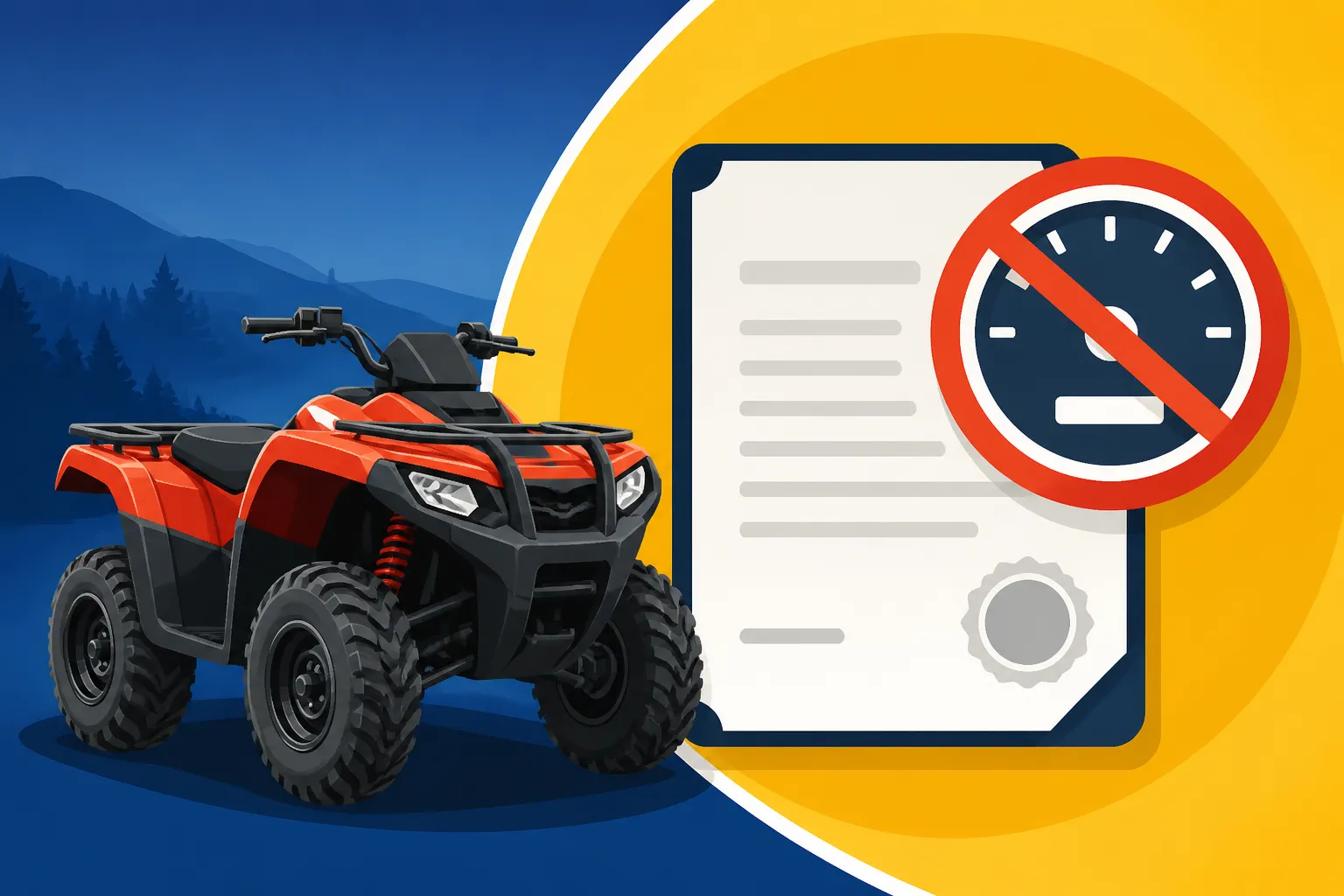
It's a common head-scratcher for anyone who has ever owned or tried to title an ATV or UTV in Virginia: you look at the title, or you're preparing to buy one and checking out the paperwork, and something's conspicuously missing. There's no odometer reading. If you're used to buying and selling cars, trucks, or motorcycles, this can feel incredibly strange, maybe even a little suspicious. You might wonder if you're missing a critical piece of information, or if the title is incomplete.
Let me assure you, it’s not just you, and it’s not a mistake. The absence of an odometer reading on a Virginia ATV or UTV title is completely normal and by design. This guide will walk you through precisely why Virginia ATV titles don't include odometer readings, what this means for you as an owner or buyer, and how to navigate sales and titling without this familiar metric. We'll explore the legal definitions, practical considerations, and what you should focus on instead to ensure a smooth transaction and clear ownership.
The Core Reason Virginia ATV Titles Skip Odometer Readings
If you’re coming from the world of cars and trucks, the idea of a vehicle title without a mileage disclosure can feel utterly alien. After all, an odometer reading is a cornerstone of vehicle valuation and history for most road-going machines. However, ATVs and UTVs operate under a completely different set of rules and are fundamentally different machines in the eyes of Virginia law and practical usage. This difference is the bedrock reason why their titles don't feature odometer information.
The crux of the matter lies in how Virginia—and indeed, many states—classifies these off-road machines. They are simply not considered "motor vehicles" in the same vein as your daily driver or even your weekend cruiser. This distinction carries significant weight, impacting everything from registration requirements to, you guessed it, what information appears (or doesn't appear) on their titles.
What Virginia Law Says About Off-Road Machines
In Virginia, an all-terrain vehicle (ATV) or a utility vehicle (UTV) is defined as an off-road recreational vehicle. This is a critical legal distinction. While they are indeed "vehicles" in the general sense, and they certainly have engines and wheels, they are explicitly not classified as "motor vehicles" intended for highway use. This classification is vital because most of the laws and regulations concerning odometer statements, emissions testing, and mandatory safety inspections are specifically tied to machines defined as "motor vehicles."
Because ATVs and UTVs are primarily designed for off-road use, Virginia law treats them differently. The legal framework that mandates odometer disclosures for passenger cars and light trucks is simply not applied to these machines. This means there's no legal requirement for the state to collect or display an odometer reading on an ATV or UTV title. It's a deliberate carve-out that reflects their intended purpose and operational environment. You might find it interesting to delve into the nuances of [Virginia ATV and Utility Vehicle Definitions] to fully grasp how the state delineates these machines from highway-legal vehicles.
The Practicality of Odometer Readings on ATVs
Beyond the legal definitions, there's a strong practical reason why odometers aren't a standard or particularly useful metric for ATVs and UTVs. Think about how these machines are used: they spend their lives crawling over rocks, slogging through mud, navigating tight trails, and performing work on farms. They often operate at very low speeds, sometimes idling for extended periods, or revving high while barely moving through challenging terrain.
In these conditions, an odometer reading would be a highly misleading indicator of wear and tear. A machine used for farm work, pulling trailers at low speeds for hundreds of hours, might accumulate fewer "miles" on an odometer than a sport quad ridden hard and fast for fewer hours. For off-road machines, engine hours are almost universally considered a far more accurate and relevant measure of a machine's life, maintenance needs, and overall condition. Many newer ATVs and UTVs do come equipped with hour meters precisely for this reason, providing a much clearer picture of how much the engine has actually worked.
Implications for Buying and Selling ATVs in Virginia
The absence of an odometer reading on a Virginia ATV title, while completely normal, can still present a psychological hurdle for both buyers and sellers. Buyers might feel a sense of unease, wondering how to truly assess a machine's life without that familiar number. Sellers, on the other hand, might worry about proving their machine's condition or history. It's a different game than trading in a car, and understanding the expectations and best practices is key to a smooth transaction.
Navigating a sale without this common data point means shifting your focus to other, more pertinent indicators of a machine's health and history. This requires a bit more due diligence from the buyer's perspective and a commitment to transparency from the seller. Remember, the goal is always to establish trust and provide enough information for an informed decision, even if that information comes in a different format than you might be used to.
How Buyers Should Assess a Used ATV
When you're eyeing a used ATV or UTV in Virginia, and you notice the title lacks an odometer reading, don't fret. This is your cue to dig deeper into the aspects that truly matter for off-road machines. First and foremost, if the machine has an hour meter, that's your gold standard. Document those hours, as they're a much better gauge of engine wear than theoretical miles.
Beyond hours, a thorough physical inspection is paramount. Look for signs of abuse, neglect, or heavy modifications. Check the condition of the tires, suspension components, frame, and body plastics. Does the engine start easily? Does it smoke? Does the transmission shift smoothly? Are there any leaks? A test ride (if permissible and safe) can reveal a lot about how the machine runs and handles. Ask the seller about its maintenance history. Did they keep receipts for oil changes, tire rotations, or major repairs? [Building a Paper Trail When You Buy a Used Quad] is a critical step, even without an odometer reading. If possible, have a trusted mechanic perform a pre-purchase inspection. When creating a bill of sale, especially for an "as-is" private sale, tools like LawDepot can help you generate comprehensive documents that clearly outline the terms, even without odometer data, protecting both parties.
What Sellers Need to Disclose (and What They Don't)
As a seller of a used ATV or UTV in Virginia, you're not legally obligated to provide an odometer reading because, as we've established, it's not a required element on the title. However, transparency will always serve you best. Be prepared to answer questions about the machine's usage, maintenance, and any known issues. If your ATV has an hour meter, be upfront about the total hours. Explain the type of riding you did (e.g., trail riding, farm work, casual use) as this helps a potential buyer understand the wear patterns.
Gather any service records or receipts you have, as these lend credibility to your claims about the machine's condition and proper care. While Virginia [Selling a Machine Without a Title in Virginia] is technically possible under certain conditions for used machines, having a title and being prepared to complete a proper bill of sale will always make the process smoother and more professional. Consider using a reputable service like LawDepot to generate a detailed bill of sale. This ensures all essential information—VIN, make, model, year, sale price, and the "as-is" clause if applicable—is formally documented, providing protection for both you and the buyer, even without an odometer entry. When dealing with a private transaction, especially when buying [Buying From a Private Seller in Virginia], clear documentation is your best friend.
Titling an ATV in Virginia Without Odometer Information
So, you've bought an ATV or UTV, you understand why there's no odometer reading, and you're ready to make it officially yours. The actual process of titling an ATV in Virginia is fairly straightforward, but it's important to know what documents to bring and what to expect from the Department of Motor Vehicles (DMV). Rest assured, they won't be asking you for an odometer disclosure. Their focus will be on confirming ownership, verifying the machine's identity, and ensuring all relevant taxes and fees are paid.
This section will demystify the titling process, clarifying what information is truly essential for your Virginia ATV title. It's about providing the right details and understanding that the absence of an odometer reading is not a hurdle, but simply a reflection of how these specific machines are handled by the state.
The Virginia DMV's Approach to ATV Titles
When you visit a Virginia DMV customer service center to title your ATV or UTV, the clerks are well-versed in the fact that these machines do not carry odometer readings on their titles. They will not ask you to provide one, nor will they expect you to attest to the mileage. Their forms and procedures are designed to accommodate this distinction. The focus will be on the core identifying information of the machine and proof of ownership.
What they will ask for includes the original Manufacturer's Statement of Origin (MSO) if it's a brand-new machine, or a properly assigned previous title if you bought it used. They will also need a bill of sale, especially for private sales, to establish the purchase price for sales tax calculations. You'll need to provide your valid photo identification and proof of address. The [Virginia Title Fee of $15] will also be collected at this time. It’s a process centered on verifiable facts like the VIN and the ownership chain, not mileage. To get a head start, you might find it helpful to review [What to Bring to the DMV to Title a Quad] before your visit.
Essential Information for Your Virginia ATV Title
Your Virginia ATV title will include all the critical identifying information necessary to establish ownership and track the machine. While an odometer reading is absent, the title will clearly list:
- Vehicle Identification Number (VIN): This is the unique identifier for your ATV or UTV, much like a car's VIN.
- Make and Model: The brand and specific model of your machine (e.g., Polaris RZR, Honda Foreman).
- Year of Manufacture: The year the ATV was produced.
- Owner's Name and Address: Your legal name and current address.
- Lienholder Information (if applicable): If you financed the purchase, the lender's details will be recorded here.
- Title Number: The unique number assigned to your specific title.
This information is robust enough for law enforcement, insurance companies (even though [Virginia Requires No ATV Insurance] by law, many riders choose to get it), and future buyers to verify the machine's identity and ownership history. The absence of an odometer reading is simply part of the standard format for these specific types of titles. When it comes to used machines, it's worth remembering that [Virginia Titles Are Optional on Used Machines] in some cases, but highly recommended by lenders and for clear ownership. Even without odometer data, a comprehensive bill of sale, perhaps drafted using a service like LawDepot, can serve as invaluable documentation to supplement the title and clearly record the transaction details.
Here's a quick comparison of what you typically see on a Virginia ATV title versus a standard motor vehicle title:
| Feature | Virginia ATV/UTV Title | Virginia Motor Vehicle (Car/Truck) Title |
|---|---|---|
| Odometer Reading | Absent | Required (or exemption noted) |
| VIN | Present | Present |
| Make, Model, Year | Present | Present |
| Owner's Name/Address | Present | Present |
| Lienholder Information | Present (if applicable) | Present (if applicable) |
| Title Number | Present | Present |
| Designation for Road Use | Off-road recreation | Highway-legal motor vehicle |
| Emissions Information | Not applicable | May be required |
This table clearly illustrates the key difference. While it might take some getting used to, the Virginia DMV has a system that works effectively for off-road machines, focusing on the information that truly matters for their unique status. If you have further questions about the paperwork, remember that forms like the [Virginia Form VSA 17A Explained] cover the general application for title and registration, even if some sections aren't applicable to ATVs.
Disclaimer
This article is for general informational purposes only and does not constitute professional advice. Laws, prices and regulations vary by location and change over time. Consult a qualified professional for guidance on your specific situation.