Why Spearhead Turns Away Self-Built Machines
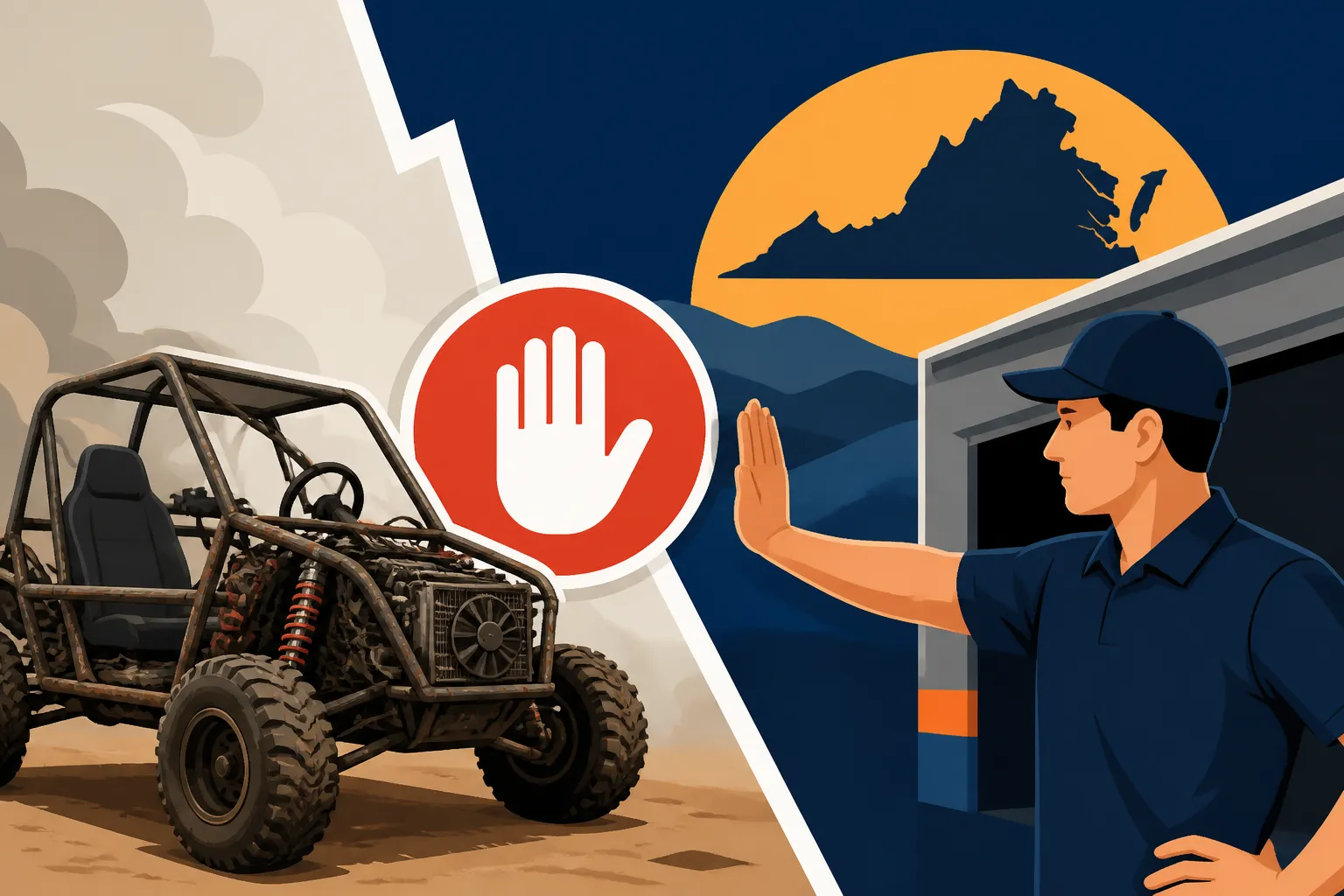
A machine can look trail-ready and still be turned away at a Spearhead trailhead if it was built from parts rather than manufactured as a complete vehicle. That can be frustrating after a long drive, especially when the machine has a permit and appears to meet basic safety expectations. The key is that a permit does not guarantee machine eligibility: check the factory-build requirement and required equipment before you haul.
What Spearhead means by a self-built machine
Spearhead’s restriction is about how the machine was made, not simply how it looks or whether it can move safely on a trail. A self-built machine is one assembled or constructed by an owner or builder rather than manufactured as a complete machine by a vehicle maker. Having an engine, frame, wheels, and working controls does not necessarily make it eligible.
This distinction matters most for custom utility terrain vehicles and other machines with a roll cage and seats. A home-fabricated frame, a cage made from tubing, or a combination of parts from different machines may not meet the system’s requirement for a factory-built machine. A permit, title, registration, or insurance policy should not be assumed to replace that requirement.
There can be gray areas. An owner may have bought a factory-built machine and later replaced or altered a component. That is not automatically the same as building the entire machine from scratch, but substantial changes to the frame, cage, seating, or other safety equipment could raise questions. The trail operator makes the eligibility decision, so it is sensible to describe the machine accurately and ask before traveling.
For the separate equipment standard that applies to relevant machines, see Spearhead Requires a Factory Cage and Working Seatbelts. A factory cage and working seatbelts are safety requirements; they do not, by themselves, establish that a machine meets the factory-built rule. Both questions matter.
| Machine or change | What to check before traveling |
|---|---|
| Complete, factory-built ATV | Confirm the machine is allowed for the trail system and meets its applicable rules |
| Factory-built side-by-side with a factory cage and working seatbelts | Confirm the model and configuration are eligible; check that required safety equipment works |
| Machine assembled from a frame, engine, and parts | Ask Spearhead whether it is considered self-built; do not assume a permit makes it eligible |
| Factory-built machine with a modified frame or cage | Explain the changes and get a decision before hauling |
| Custom accessories on an otherwise factory-built machine | Check whether the accessory affects required equipment, dimensions, or trail rules |
These are practical categories, not a substitute for an eligibility decision from the trail operator. If your vehicle does not fit neatly into one row, ask with the exact make, model, and description of the changes.
Why a permit does not settle machine eligibility
A trail permit gives the rider authorization covered by that permit, subject to the system’s rules. It does not turn an otherwise ineligible vehicle into an eligible one. This is a useful distinction whenever a rider is planning a trip: there are separate questions about the rider, the permit, the machine, and the trail.
For example, a permit may be valid while the machine is not allowed on the system. Likewise, a factory-built machine may still be turned away if required safety equipment is missing or not working. Permit requirements and machine requirements are related parts of trip planning, but they are not interchangeable. The basic permit information is covered in Virginia Spearhead Trail Permits, and Virginia Permit Verification Steps can help with checking permit details.
Do not assume that a title or a vehicle identification number answers the self-built question. Paperwork may help identify a machine, but the issue is whether it meets Spearhead’s vehicle eligibility rules. Nor does a permit from a different riding network necessarily grant access to Spearhead. In particular, riders should check the rules for each system rather than assume permits transfer; Hatfield-McCoy and Spearhead Still Sell Separate Permits explains that the two networks use separate permits.
The practical result is simple: settle machine eligibility before paying for travel, lodging, or other trip arrangements. If the answer is uncertain, a call or written inquiry to the trail system is more useful than relying on a seller’s assurance, a social media post, or the fact that a similar-looking machine was allowed somewhere else.
Factory-built, modified, and home-assembled machines
The easiest case is a machine that remains recognizably in its original factory-built configuration, with its required equipment intact and functional. Even then, riders should confirm that the model is eligible for the particular trail system and that any other restrictions apply.
A machine assembled from major parts is a different situation. A custom build might use a commercially made engine, purchased seats, and a professionally welded cage, but that does not necessarily make the completed vehicle a factory-built machine. Quality workmanship and a sound design can matter for safety, yet they do not erase the distinction in an eligibility rule.
A modified factory machine sits between those cases. Routine additions such as storage accessories may not change the vehicle’s basic identity, but major structural changes can make it harder to determine whether the machine satisfies the rules. Changes to a frame, roll cage, seating, or seatbelt mounting deserve particular attention because they can affect the protection the equipment is meant to provide.
When describing a modified machine, be specific. Instead of asking only whether “a custom UTV” is allowed, explain that it began as a particular factory-built model and list the structural changes, if any. If a cage or frame was replaced, say so. A clear description gives the trail operator a better chance of answering the actual question and reduces the risk of conflicting assumptions at the gate.
Keep in mind that a modification being legal for use or accepted by an insurer does not automatically mean it is acceptable under Spearhead’s rules. The same is true in reverse: a machine’s eligibility for a trail system does not establish that it is safe for every rider or suitable for every route. Check trail-specific limits and operating rules separately. Virginia Rules for a Side-by-Side Driver and Virginia Trails That Allow Side-by-Sides cover related questions about operating and choosing trails for these machines.
How to check before you haul
A short eligibility check can prevent a wasted trip. Use this process when the machine is home-built, heavily modified, or difficult to classify.
- Write down the machine’s identifying details. Note the make and model if it began as a factory-built machine, along with any identifying number available. If it is a complete custom build, describe the main components and how the vehicle was assembled.
- List structural and safety changes. Be clear about changes to the frame, cage, seats, seatbelts, or their mounting points. Mention whether equipment is original, replaced, or fabricated.
- Check current Spearhead rules and contact the trail operator if needed. Ask directly whether the particular machine is eligible. A general question about “custom machines” may not give enough information for a useful answer.
- Confirm the rest of the trip requirements. Check permit validity, any applicable equipment rules, and the rules for the system and trails you plan to ride. A machine being eligible does not mean every route is suitable or open.
- Keep the answer and trip information accessible. If the operator provides a response, save it with your trip documents. It can help you explain what you asked, though it should not be treated as a guarantee if the machine’s condition or configuration differs from what you described.
If you are traveling with a group, check each machine independently. One vehicle’s approval does not establish that another one is eligible, even if they share parts or have similar dimensions. This is especially important when a group includes both factory-built vehicles and custom builds.
A machine that passes the eligibility check still needs to meet all applicable operating requirements. For example, seatbelts and a factory cage are not optional substitutes for one another where both are required. Review Virginia Seatbelt and Roll Cage Rules and the applicable Virginia Trail Rules for Riders Under 18 when minors are part of the trip. Also check any restrictions that apply to the specific trail, since access for one type of vehicle does not mean access to every route.
If the machine is turned away, do not try to solve the issue by presenting a different permit or changing how it is described. Ask the staff what part of the rule applies and what information they need to clarify the decision. If the vehicle is genuinely self-built and the system does not allow it, the practical alternatives are to use a riding area that expressly accepts that type of machine or to bring an eligible factory-built vehicle instead. Private riding areas can set their own conditions, so review Virginia Private Park Waivers and Rules before choosing another destination.
The safest planning assumption is that a self-built machine needs a clear yes from Spearhead before departure. A permit covers the permit question; it does not override the system’s vehicle rules. Confirm the machine’s status, required safety equipment, and route access separately, and you are less likely to discover a preventable problem at the trailhead.
Disclaimer
This article is for general informational purposes only and does not constitute professional advice. Laws, prices and regulations vary by location and change over time. Consult a qualified professional for guidance on your specific situation.