Virginia Retailer Decal Requirements
Buying a new ATV or UTV in Virginia is exciting, but let's be honest, the paperwork and rules can feel like navigating a muddy trail with a flat tire. Many folks wonder about all the little details, including those seemingly minor decals that come affixed to machines. It's not just random branding; there are specific requirements Virginia retailers must follow, and understanding these can save you a heap of trouble down the line. This guide will cut through the confusion and explain exactly what decals your Virginia dealer must apply to your new off-road machine, why they matter, and what you, as the buyer, should look for before you ride off into the sunset.
Understanding the "Why" Behind Retailer Decal Requirements in Virginia
You might look at a decal on your shiny new quad and think it's just a manufacturer's label or a marketing sticker. But in Virginia, when it comes to ATVs and UTVs, there's a specific decal requirement that retailers must meet, and it serves a very important purpose beyond mere aesthetics. These aren't just suggestions; they're legal mandates designed to protect everyone involved, from the rider to the community.
Protecting Consumers and Ensuring Safety Standards
Virginia's laws, much like those in other states, are built on the foundation of public safety. While off-road machines offer incredible adventure and utility, they also come with inherent risks if not operated correctly or if riders are unaware of their limitations. The mandatory warning decal serves as a direct, undeniable communication from the retailer to the buyer about critical safety information and legal restrictions. It’s the state’s way of ensuring that even if a sales associate is having an off day or skips a detail, the essential warnings are still there, in plain sight, on the machine itself. This helps prevent misunderstandings about where and how the machine can be legally and safely used.
For instance, a new rider, especially one new to the off-road lifestyle, might not fully grasp the dangers of riding an ATV on public roads. The decal acts as a constant, physical reminder, reinforcing the verbal warnings and ensuring that the most critical safety advice is always present on the machine. This proactive approach aims to reduce accidents and injuries by making sure consumers are well-informed right from the point of purchase. Without these clear warnings, it would be far too easy for critical information to get lost in the excitement of a new purchase, potentially leading to dangerous situations later on.
Clarifying Machine Classification and Use Restrictions
One of the biggest areas of confusion for off-road enthusiasts in Virginia is where they can legally ride their ATVs and UTVs. Unlike cars, these machines aren't designed for public roads, and Virginia law reflects that. The retailer decal requirement is directly tied to clarifying these fundamental restrictions. It helps firmly establish the machine's intended use as an off-road vehicle and highlights the places where it is strictly prohibited. This is particularly crucial because different types of vehicles have varying regulations, and without clear labeling, it would be easy to misinterpret what's allowed. For a deeper dive into how Virginia classifies these vehicles, check out [Virginia ATV and Utility Vehicle Definitions].
The decal essentially screams, "This is an off-road vehicle!" It points out that it’s not for highway use and shouldn't be operated on public roads or property unless very specific, limited exceptions apply. This classification is vital because it informs everything from insurance options to potential legal penalties for misuse. By having this information clearly displayed, the state aims to eliminate any ambiguity regarding the machine's legal status and operational boundaries. It reinforces the message that these machines are powerful tools designed for specific environments, not general transportation.
The Role of Decals in Enforcement and Accountability
Beyond informing the buyer, these retailer decals play a significant role in enforcement for law enforcement officers. When an officer encounters an ATV or UTV being operated improperly, the presence of the mandatory warning decal provides immediate evidence that the buyer was, or should have been, informed of the restrictions. This isn't about setting up riders for failure; it's about holding both retailers and riders accountable. The decal helps establish a baseline of knowledge that the state expects every ATV and UTV owner to possess.
Consider a situation where a rider is stopped for operating their ATV on a public highway. If the machine clearly displays the required warning decal, there's little room for the rider to claim ignorance of the law. This helps officers quickly determine if a violation has occurred and apply appropriate enforcement actions. From the retailer's perspective, correctly affixing the decal demonstrates their compliance with state law, protecting them from potential liability if a machine is misused after sale. It's a critical component in the legal framework that governs these vehicles, ensuring that the necessary warnings are consistently delivered and easily verifiable.
The Specific Virginia Code Governing Retailer Decals
When we talk about legal requirements, it's always best to go straight to the source: the Virginia Code. It lays out the precise language and conditions that retailers must adhere to when selling ATVs and UTVs. This isn't some vague guideline; it's a specific, codified mandate that carries the weight of law. Understanding the nuances of this code helps both dealers fulfill their obligations and buyers know what to expect.
Dissecting the Language of Virginia Code Section 46.2-915.1
The heart of Virginia's retailer decal requirements lies within Virginia Code Section 46.2-915.1. This section is comprehensive, outlining the broad prohibitions against operating ATVs and UTVs on public highways and property, but it also contains specific language about the responsibilities of those who sell these machines. Essentially, the law states that any person who sells an ATV or UTV at retail must affix a warning decal on the machine. This isn't just about putting any decal on; it's about a specific decal with specific information.
The code emphasizes that this decal must clearly and conspicuously warn the purchaser that the operation of the ATV or UTV is "prohibited on any public highway or other public property except as provided in this section." This direct reference to the section itself is important because Section 46.2-915.1 details the extremely limited circumstances under which an ATV might legally touch a public road, such as for farming or emergency services, or for very short, direct crossings. The law doesn't leave room for interpretation; the decal must convey this strict message without ambiguity. This ensures that every new owner is immediately confronted with the core legal limitation of their purchase.
What the Warning Decal Must Explicitly State
The Virginia Code is quite clear about the content of this mandatory warning decal. It’s not enough for the decal to simply say "off-road use only." The law demands a more explicit and informative statement. The decal must prominently feature a warning that the operation of the ATV or UTV is prohibited on any public highway or other public property, with a direct reference to the very section of the Code that outlines these rules and the narrow exceptions. This level of detail ensures that the warning is comprehensive and legally robust.
Beyond the core prohibition, these decals often include other crucial safety information, though the specific wording is usually standardized by manufacturers to meet state requirements. This can include warnings about helmet use, age restrictions for riders, passenger limitations, and the dangers of stunts or intoxicated riding. While the Virginia Code specifically mandates the public highway prohibition, manufacturers and retailers often go above and beyond to incorporate broader safety messages to protect their customers. This ensures that the essential information for safe and legal operation is conveyed in a concise, impactful manner right on the machine. For instance, you won't find a SuperATV performance part decal replacing this critical safety information; aftermarket accessories are a separate consideration.
Machines Subject to These Decal Requirements
It's important to understand which machines fall under this specific Virginia retailer decal requirement. The code clearly refers to "all-terrain vehicles" (ATVs) and "utility vehicles" (UTVs). These terms are defined within Virginia law to encompass a broad range of off-highway motorized vehicles designed for recreational or utility purposes. This means that whether you're buying a nimble sport quad, a heavy-duty utility UTV, or a side-by-side meant for trail work, if it's new and being sold by a retailer in Virginia, it must have this decal. This mandate applies to the vast majority of new off-road machines purchased from a dealer.
There are, of course, other types of off-road vehicles like dirt bikes, but the specific wording of this section of the code targets ATVs and UTVs. If you're unsure whether a particular machine falls under the definition, your dealer should be able to clarify, or you can consult the full text of [Virginia ATV and Utility Vehicle Definitions]. This broad application ensures that the critical warnings about public highway use are consistently applied across the most commonly purchased types of multi-wheeled off-road vehicles. It leaves little room for confusion about which machines are regulated by this specific decal mandate.
Retailer Responsibilities: What Dealers Must Do Before a Sale
For a Virginia ATV or UTV retailer, the requirement to affix these warning decals isn't just a suggestion; it's a legal obligation that comes with the responsibility of selling powerful machinery. Dealers play a crucial role as the first point of contact for new owners, and their compliance helps ensure that riders are properly informed from the outset. This goes beyond just having the decal; it involves an understanding of the law and a commitment to customer safety.
Affixing the Decal: Placement and Permanence
The Virginia Code specifies that the warning decal must be "affixed" to the machine. This implies more than just tossing a sticker into the owner's manual. It means the decal must be securely and permanently applied to a conspicuous location on the ATV or UTV. Typically, you'll find these decals on the fuel tank, front fender, or dashboard, somewhere that's highly visible to anyone operating or inspecting the machine. The goal is for the warning to be unavoidable and not easily removed, ensuring it remains with the machine for its operational life, or at least for a substantial period.
Think about it: the warning loses its effectiveness if it's hidden under a seat or easily peeled off. Retailers are expected to use decals that are durable and weather-resistant, capable of withstanding the rigors of off-road use and various weather conditions. This commitment to proper placement and permanence ensures that the message about public road prohibitions is a persistent reminder, long after the initial sales conversation. It’s a key part of the dealer's responsibility in ensuring that critical safety information is always accessible to the rider.
Educating Buyers on Virginia ATV Laws
While the decal itself is a powerful visual reminder, a responsible retailer's duty extends to verbally educating buyers about Virginia's ATV and UTV laws. The decal is a baseline, but a good dealership will walk you through the specifics of local and state regulations, answering your questions and clarifying any uncertainties. This might include discussing [Virginia Ban ATVs on Public Highways], the limited exceptions, [Virginia Helmet Law Applies to Every Rider], and [Virginia Age Limits by Engine Size]. This personal interaction reinforces the printed warning and provides an opportunity for the buyer to truly understand the implications of their purchase.
Imagine buying a brand new side-by-side, excited to hit the trails, but unaware of the rules. A knowledgeable sales team should guide you, explaining that while you can accessorize your UTV with robust protection like a SuperATV roll cage or heavy-duty skid plates for trail riding, those modifications don't magically make it street legal. They should ensure you understand not only what the rules are but also why they exist. This educational component is vital for creating responsible riders and minimizing instances of accidental non-compliance. It's a key element of the trust relationship between a dealer and their customer.
Consequences for Non-Compliance by Retailers
For retailers, failing to affix the mandatory warning decal or otherwise neglecting their responsibilities under Virginia Code Section 46.2-915.1 can lead to serious consequences. While specific monetary penalties aren't typically published in plain sight in the code for this particular infraction, non-compliance can result in fines, legal liability, and damage to their reputation. Virginia's Department of Motor Vehicles (DMV) and other enforcement agencies take these regulations seriously because they directly impact public safety.
If a dealer consistently fails to meet these requirements, they could face scrutiny from state authorities, potentially jeopardizing their business license. Furthermore, if a rider were to be involved in an accident while operating an un-decaled machine on a public highway, and could reasonably argue they were never properly informed of the restrictions, the retailer might face civil liability. This possibility underscores the importance for dealers to take these decal requirements very seriously, ensuring every machine leaves their lot fully compliant. It’s not just a minor oversight; it’s a failure to meet a legal and ethical obligation to their customers.
Buyer Beware: What to Look for When Purchasing an ATV or UTV
As a buyer, you have an active role to play in ensuring you're making an informed and compliant purchase. While retailers have a legal obligation, it's always smart to double-check and ask questions. Knowing what to look for and what questions to ask can save you headaches, fines, and potentially even prevent accidents down the road. You're making a significant investment, so take the time to ensure all the ducks are in a row.
Spotting the Mandatory Warning Decal
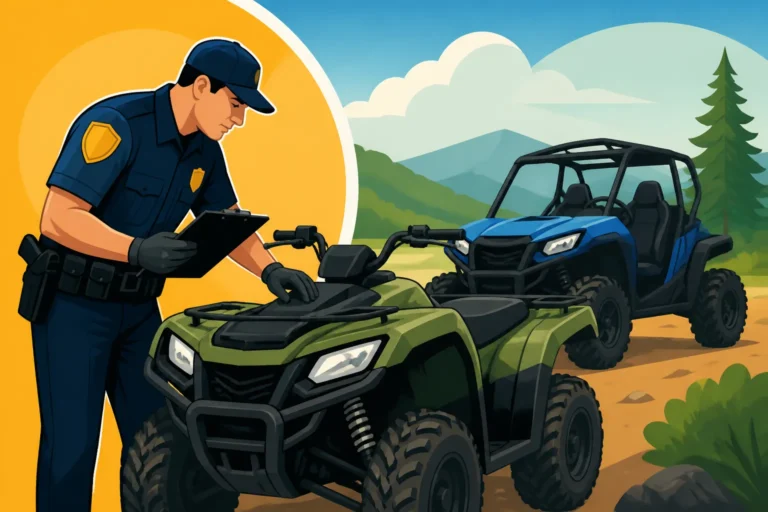
When you're at the dealership, examining that new ATV or UTV, take a moment to specifically look for the mandatory warning decal. It should be clearly visible and affixed, not just sitting loose or missing entirely. As discussed, it will typically be on a prominent part of the machine, such as the handlebars, gas tank, or front fender. The decal should explicitly state the prohibition against operating the machine on public highways or other public property, referencing Virginia Code Section 46.2-915.1. If you don't see it, or if it looks flimsy or easily removable, that's a red flag.
Don't be shy about asking the sales associate to point it out. This isn't being nitpicky; it's being a responsible buyer. Verifying the presence and content of this decal is your first line of defense in ensuring you're fully aware of the machine's legal limitations. It’s a simple visual check that confirms the dealer has fulfilled a basic legal requirement. Just like you'd check for all the necessary paperwork, such as your [Virginia Title Requirements for a New Machine] and [Virginia Dealer Paperwork at Delivery], the decal is part of the complete package.
Asking the Right Questions at the Dealership
Beyond just spotting the decal, engage with your sales associate and ask specific questions about Virginia's ATV and UTV laws. Don't assume anything. Here are some questions you might consider:
- "Can you walk me through the specific Virginia laws that apply to this ATV/UTV, especially regarding where I can and cannot ride it?"
- "What are the penalties if I'm caught operating this machine illegally on a public road?" (This might involve referencing [Virginia Penalties for Illegal Riding]).
- "What safety gear does Virginia law require for operators and passengers of this machine?" (Likely pointing to [Virginia Helmet Law Applies to Every Rider]).
- "Are there any specific age restrictions for riders of this particular model?" (Which could relate to [Virginia Age Limits by Engine Size]).
A reputable dealer will be happy to answer these questions thoroughly and clearly. Their ability to provide accurate information indicates their commitment to customer education and compliance. If you get vague answers or feel rushed, it might be worth proceeding with caution. Remember, you’re not just buying a machine; you’re buying into an activity with specific rules, and understanding them from the start is paramount.
Reporting Non-Compliant Retailers
In the rare event that you encounter a retailer who refuses to affix the required decal, provides misleading information, or actively encourages illegal use of an ATV or UTV on public roads, you have options. You can report such non-compliance to the appropriate state agencies, typically the Virginia Department of Motor Vehicles (DMV) or the Attorney General's Office. These agencies are responsible for enforcing consumer protection laws and regulations related to vehicle sales.
Document everything you can: the date, time, dealership name, names of employees you spoke with, and the specific issues you observed. Your report helps ensure that all retailers adhere to the same standards, creating a safer environment for everyone in the Virginia off-road community. While it might seem like a small detail, the consistent enforcement of decal requirements contributes to a broader culture of safety and legal compliance. It also helps prevent future buyers from being misinformed or put at risk.
Beyond the Decal: Other Important Considerations for New Owners
The retailer decal is just one piece of the puzzle when you become a new ATV or UTV owner in Virginia. While it's a critical safety and legal reminder, there's a whole world of other responsibilities and opportunities that come with your new machine. Thinking ahead about these additional factors will ensure you're not just compliant, but also safe, prepared, and ready to truly enjoy your off-road adventures.
Understanding Virginia's ATV Use Restrictions on Roads
It cannot be stressed enough: Virginia strictly prohibits the operation of ATVs and UTVs on public highways and other public property, with only very specific, limited exceptions. The decal is your constant reminder, but you need to internalize this rule. These machines are not street legal, and any attempt to make them so, like adding street tires or turn signals, will not change their fundamental classification or the law's prohibition. You may have heard about other states with different rules, or even about [Virginia Moped Statute Compared], but ATVs are treated differently.
The exceptions typically apply to specific situations like farming, emergency services, or crossing a highway at the most direct angle to get to another section of private property, and even then, often with strict conditions like carrying a valid driver's license. It’s crucial to understand that even if you're just trying to get from one section of your own land to another, if it involves a public road, you could be breaking the law. Ignorance is not an excuse, and [Virginia Penalties for Illegal Riding] can be substantial. Always plan your routes to stay on private land or designated trail systems like those found on [Virginia Spearhead Trail Permits].
Essential Safety Gear and Training
Your new ATV or UTV is a powerful machine, and safety should always be your top priority. Beyond the mandatory helmet (yes, [Virginia Helmet Law Applies to Every Rider] means everyone, every time), consider investing in other essential safety gear. This includes eye protection (goggles or a full-face helmet), sturdy boots that protect your ankles, long pants, a long-sleeved shirt, and gloves. This gear isn't about looking cool; it's about protecting yourself from impacts, scrapes, and debris.
Furthermore, consider taking an ATV or UTV safety course. While Virginia does not mandate a safety course for all riders, it's an incredibly valuable investment, especially for new riders or those new to a specific type of machine. These courses teach critical skills like proper riding techniques, obstacle negotiation, emergency braking, and understanding your machine's limits. No matter how much experience you think you have, there's always something new to learn, and professional training can significantly reduce your risk of accidents. You might even consider modifying your machine with accessories from a company like SuperATV, such as harnesses or upgraded lighting, but these should always complement, never replace, fundamental safety practices and gear.
Titling and Ownership Documentation in Virginia
While the decal focuses on use restrictions, there are also crucial ownership requirements to address after your purchase. In Virginia, new ATVs and UTVs purchased from a dealer are required to be titled. This process establishes legal ownership and is separate from registration (which ATVs don't do in Virginia, as explained in [Virginia Titles ATVs but Does Not Register Them]). Your dealer will typically handle the initial titling paperwork, which involves submitting forms to the DMV and paying the appropriate fees, including [Virginia Sales Tax at Titling].
You'll need to provide proof of your identity and your [Virginia Proof of Address at Titling] as part of this process. It’s vital to ensure all your ownership documents are in order, not only for legal compliance but also for practical reasons like insurance claims or if you ever decide to sell the machine. Keep copies of your title, bill of sale, and any other relevant paperwork in a safe place. Having all your documentation correctly handled from the start ensures a smooth ownership experience and avoids potential issues down the road.
Disclaimer
This article is for general informational purposes only and does not constitute professional advice. Laws, prices and regulations vary by location and change over time. Consult a qualified professional for guidance on your specific situation.