Virginia Dealer Paperwork at Delivery
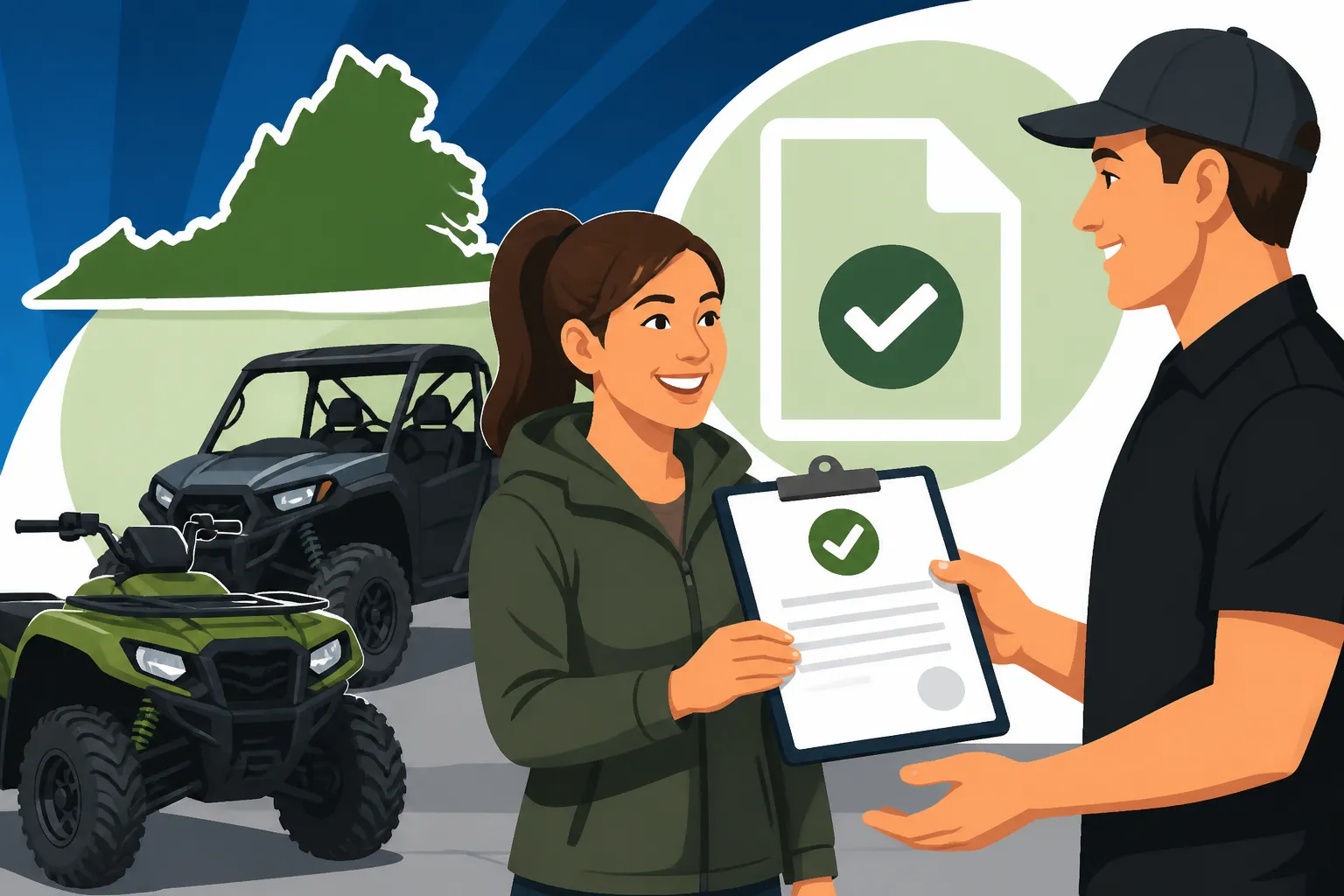
The excitement of bringing home a new ATV or UTV from a Virginia dealer is truly unmatched. You've picked out the perfect machine, maybe even customized it a bit, and you're ready to hit the trails or tackle that farm work. But then, the stack of papers comes out, and suddenly that excitement can turn into a bit of a headache. It's easy to feel rushed, or even confused, about what each document means and why it's important. This comprehensive guide is here to demystify the dealer paperwork you'll receive at delivery, explaining each piece so you can drive away feeling confident and fully prepared for your new off-road adventure in Virginia.
The Core Documents You'll Receive at a Virginia Dealership
When you're finalizing the purchase of your new ATV or UTV, the dealership will present you with several key documents. These aren't just bureaucratic hurdles; they are the legal backbone of your ownership, ensuring you can title, register (if applicable), and legally operate your machine. Understanding each one is crucial for a smooth process, both now and in the future.
Manufacturer's Statement of Origin MSO
This is arguably the single most important document you'll receive for a brand-new ATV or UTV. Think of the MSO, or Manufacturer's Certificate of Origin (MCO), as the birth certificate for your machine. It's issued by the manufacturer and certifies that the vehicle meets federal safety standards and has not been previously titled or registered. The MSO will contain vital information like the manufacturer's name, the vehicle identification number (VIN), make, model, year, engine size, and sometimes even the weight. Without this document, you cannot obtain a title for your machine in Virginia.
When the dealer delivers the MSO to you, it should be the original document, not a copy. The dealer is responsible for assigning this MSO to you, the first owner. This means the dealership will fill in your name and address on the back of the MSO and sign it. This act formally transfers ownership from the manufacturer to the dealership, and then from the dealership to you. It's a critical step, and you'll need this exact document when you go to the DMV to get your ATV or UTV titled. Remember that [Virginia Requires an MSO for a New Machine], and it’s the primary piece of evidence of your machine's origin and new status.
The Buyer's Order or Sales Agreement
Before you even get to the delivery stage, you've likely signed a buyer's order or sales agreement. This document outlines the agreed-upon price of the ATV or UTV, any trade-in value, additional accessories, freight charges, dealer processing fees, sales tax, and the total amount financed or paid. At delivery, you'll receive a final, signed copy of this agreement. It serves as a contract between you and the dealership.
This isn't just a receipt; it's a comprehensive record of the entire transaction. It details everything from the specific model and VIN of the machine you're buying to the breakdown of all costs. It should clearly list any optional items you added, such as a winch, upgraded tires, or extended warranty packages. Having a clear copy of this document protects both you and the dealer, ensuring there are no misunderstandings about the terms of the sale. It’s a good idea to review this one carefully against your initial agreement. [Questions Worth Asking Before You Sign a Buyer's Order] can help ensure you’ve covered all your bases.
The Bill of Sale
While sometimes combined with the buyer's order, a standalone bill of sale is another crucial piece of paperwork. This document formally records the transfer of ownership from the dealer to you, stating the date of sale, the purchase price, and identifying information for both the buyer and the seller (the dealership), as well as the ATV or UTV itself. It proves you paid for the machine and now own it.
Even if you have an extensive buyer's order, a separate, simplified bill of sale can be incredibly useful. Some riders even find it helpful to create a supplemental bill of sale using online services like LawDepot, just to ensure all the bare essentials are covered in a single, unambiguous document. This document is particularly important if you ever need to prove ownership in a situation where the MSO might not be immediately available, or if there's a discrepancy later on. While [Virginia Title Without a Bill of Sale] is possible under specific circumstances, having a clear, concise bill of sale simplifies almost everything.
Sales Tax Collection Forms
When you purchase a new ATV or UTV from a Virginia dealer, they are generally required to collect Virginia sales and use tax at the time of sale. You won't just see this line item on your buyer's order; you'll also receive documentation confirming that these taxes have been collected and will be remitted to the Commonwealth. This might be part of a larger form that the dealer submits to the Department of Motor Vehicles (DMV) when titling the vehicle on your behalf, or it could be a separate statement.
Understanding how [Virginia Sales Tax at Titling] works is key. The dealer acts as an agent for the state in collecting these taxes. The sales tax rate for ATVs and UTVs is the retail rate, which can vary slightly by region. You'll want to ensure that the amount collected matches the applicable rate for your area and the purchase price of your machine. This documentation is your proof that you’ve met your sales tax obligation, preventing any unexpected tax bills from the state later on.
Understanding the Dealer's Other Important Paperwork
Beyond the core ownership documents, Virginia dealerships will also provide other essential paperwork that details costs, financing terms, and important information about your new machine's operation and maintenance. These documents are equally vital for a complete understanding of your purchase.
Dealer Processing Fee Disclosure
It's common for Virginia dealerships to charge a "processing fee" or "dealer documentation fee." This fee covers the administrative costs associated with preparing all the sales and titling paperwork, ensuring compliance, and submitting it to the DMV. By law, Virginia dealers must disclose this fee clearly and conspicuously. You should receive a separate disclosure statement or have this fee prominently listed on your buyer's order.
The [Virginia Dealer Processing Fee Disclosure] rules are in place to ensure transparency. You should see the amount of this fee explicitly stated, often on a sign posted in the showroom as well. While these fees are a standard part of buying from a dealer, understanding what they cover helps avoid any surprises. It’s part of the overall [Virginia Title Costs at Purchase] and contributes to your total out-the-door price. Make sure you understand exactly what you're paying for and that it aligns with what was discussed.
Lien Holder Documents for Financing
If you're financing your new ATV or UTV, you'll naturally have a significant stack of additional paperwork related to your loan. This includes the credit application, the loan agreement, disclosure statements about interest rates, payment schedules, and information about the lien holder (the bank or credit union providing the loan). The dealership will facilitate this process, preparing all the necessary forms for you to sign.
These documents establish the legal relationship between you and the lender. The lien holder will typically be listed on your Virginia title once it’s issued, indicating their financial interest in the machine until the loan is paid off. You'll receive copies of all these agreements for your records. It's incredibly important to review these documents thoroughly, paying close attention to the interest rate, loan term, and total repayment amount. For more details on this, you can refer to [Virginia Financing Documents].
Warranty and Owner's Manual Packet
Every new ATV or UTV comes with a manufacturer's warranty and a comprehensive owner's manual. At delivery, the dealer should provide you with these in a packet. The warranty outlines the terms and conditions of coverage for defects in materials and workmanship, including the duration of coverage and what specific components are included or excluded. The owner's manual contains critical information about safe operation, maintenance schedules, specifications, and troubleshooting.
These documents are not just nice-to-haves; they are essential for responsible ownership. The owner's manual will guide you through everything from the correct oil type to recommended tire pressures, helping you keep your machine in top condition and comply with warranty requirements. Knowing the details of your warranty can save you significant money on repairs down the line. Make sure you understand how to register your warranty if required, and where to take your machine for service.
Manufacturer Recall Notices
While less common, sometimes a new machine may have an outstanding recall notice from the manufacturer for a specific component or safety issue. If this is the case, the dealer should provide you with information about the recall, explaining what the issue is, how it will be remedied, and the steps you need to take. They may even perform the recall service before you take delivery.
It’s important to be aware of any safety recalls. Even if the dealer has already addressed it, they should provide documentation of the completed service. If there’s a pending recall, they should explain when and where the service can be performed. This ensures your safety and the longevity of your machine. Always ask if there are any outstanding recalls, especially for the model year you are purchasing.
What to Verify Before You Leave the Lot
It's easy to get caught up in the excitement and simply sign everything put in front of you. However, taking a few extra minutes to double-check the paperwork at the dealership can save you a world of headaches later on. This verification process ensures that all details are accurate and that you have everything you need for a hassle-free ownership experience.
Cross-Checking Vehicle Identification Numbers VIN
The Vehicle Identification Number (VIN) is the unique identifier for your ATV or UTV, much like a serial number for any other product. Every single document you receive, from the MSO to the buyer's order and sales tax forms, should list the correct VIN for the machine you are purchasing. Before you even sign, physically locate the VIN on the machine itself and compare it character for character with every piece of paperwork.
A mismatched VIN can lead to significant problems when you try to title your ATV at the DMV. It could cause delays, require a trip back to the dealership for corrections, or even make it seem like you don't own the specific machine in front of you. This isn't a small detail; it's fundamental. Confirming the VIN on the physical machine against the VIN on your MSO, sales agreement, and any other official documents is a non-negotiable step before you drive away. This ensures your [Virginia Title Requirements for a New Machine] can be met smoothly.
Ensuring All Signatures Are Complete
Paperwork is only legally binding once it's properly signed by all parties involved. This means you, the buyer, and the authorized representative from the dealership must sign in all the designated spots. Don't assume that because you're getting a copy, all the dealer's signatures are already there. Take the time to flip through every page of your copies and confirm that every necessary signature, initial, and date has been filled in.
Missing signatures, especially on the MSO or the bill of sale, can invalidate the transfer of ownership or create hurdles when you attempt to title your ATV or UTV. If you find a missing signature, politely ask the dealer to complete it before you leave. This simple check ensures that your paperwork is fully executed and legally sound. It's a small step that prevents big problems, especially if you ever need to use these documents for insurance claims or future sales.
Addressing Errors or Missing Documents
Despite everyone's best intentions, mistakes can happen. Maybe your name is misspelled, an address is incorrect, or a critical document like the MSO is missing from your packet. It's far easier to correct these issues while you are still at the dealership, with the staff and resources readily available, than to discover them weeks later when you're trying to title your machine.
If you spot an error, point it out immediately. Dealers have processes in place to correct mistakes quickly. If a document is missing, such as the original MSO, insist on receiving it before you finalize the transaction. Driving away without all the correct and complete paperwork essentially means you're leaving a problem for yourself to solve later. Don’t hesitate to ask for clarification on anything that seems unclear. If you're concerned about a lost bill of sale or MSO down the road, services like LawDepot can assist in creating affidavits or new bills of sale for private sales, but it's always best to get it right from the dealer the first time.
Keeping Your Records Organized for Virginia ATV Ownership
The stack of papers you receive at the dealership isn't just for the day of purchase; these documents will be important throughout your ownership of the ATV or UTV. Proper organization is key to preventing future headaches, especially when it comes time to service your machine, make an insurance claim, or even sell it.
Creating a Secure Digital and Physical Archive
Once you get home, don't just toss all that paperwork into a drawer. Take the time to create both a physical and a digital archive of your important documents. For your physical copies, consider a dedicated folder or binder where all ATV-related papers can be kept together. This includes the MSO, bill of sale, buyer's order, title application forms, and any financing documents. Keep this folder in a safe, accessible place, like a fireproof box or a secure filing cabinet.
For a digital archive, scan every document into PDF format. Name the files clearly (e.g., "ATV_VIN_MSO_Date," "ATV_VIN_BillOfSale_Date") and save them to a secure cloud storage service or an external hard drive. This way, if your physical copies are ever lost or damaged, you'll have backups. Many online platforms like LawDepot also offer secure document storage features that can be useful for this purpose. Having these records readily available can be invaluable for many reasons, including resolving questions about [The Buyer's Order a Dealer Files With the State] if ever needed.
Why This Paperwork Matters for Future Needs
These documents serve various purposes beyond the initial purchase. Your MSO and bill of sale are crucial for obtaining your Virginia title and proving initial ownership. The buyer's order and financing documents provide a detailed financial history of your purchase, which can be important for tax purposes or if you ever need to dispute a charge. Your warranty information is vital if your machine needs repairs covered by the manufacturer.
Even years down the road, if you decide to sell your ATV or UTV, having a complete and organized set of original paperwork significantly smooths the process. A buyer will want to see clear proof of ownership and a history of the machine. This documentation also becomes critical if your machine is ever stolen, lost, or involved in an accident, as insurance companies will require proof of ownership and purchase details. Being organized from day one makes every future step of ATV or UTV ownership in Virginia much easier and less stressful.
| Document Type | Purpose | What to Verify |
|---|---|---|
| Manufacturer's Statement of Origin (MSO) | Proof of a new machine's origin and transfer of ownership from manufacturer to dealer to you. Essential for titling. | Original copy, correct VIN, your name and dealer's assignment signature. |
| Buyer's Order/Sales Agreement | Contract outlining purchase price, fees, trade-in, and total cost. | Correct VIN, accurate pricing, all agreed-upon items, complete signatures. |
| Bill of Sale | Legal proof of purchase and transfer of ownership. | Correct VIN, purchase price, date, buyer/seller info, signatures. |
| Sales Tax Documentation | Confirms sales tax collection and remittance to the state. | Correct amount, proof of payment, and if applicable, dealer's remittance info. |
| Dealer Processing Fee Disclosure | Details administrative costs for handling paperwork. | Explicit fee amount, matching showroom disclosure (if applicable). |
| Lien Holder Documents | Loan agreement, payment schedule, and lender details (if financed). | Interest rate, loan term, payment amounts, clear lien holder information. |
| Warranty & Owner's Manual | Terms of manufacturer's warranty, operation, and maintenance guide. | Correct model, warranty duration, registration info, complete manual. |
Disclaimer
This article is for general informational purposes only and does not constitute professional advice. Laws, prices and regulations vary by location and change over time. Consult a qualified professional for guidance on your specific situation.