Adding Reflective Tape to a Quad for Road Sections
Reflective tape application methods for Virginia ATV riders help increase visibility on legal road sections and crossings.
Legal here, illegal one county over.
What each state allows, the mirrors, horn and signals a conversion requires, and the county and city overrides that quietly change the answer.
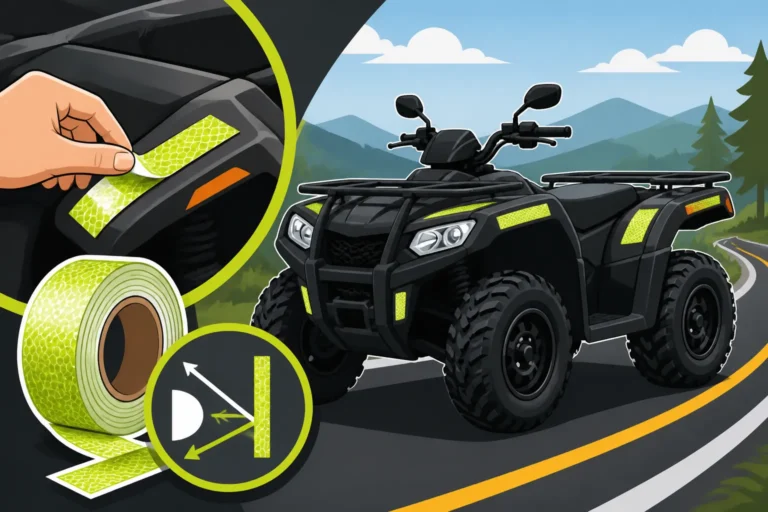
Reflective tape application methods for Virginia ATV riders help increase visibility on legal road sections and crossings.

Night riding on Virginia coalfield roads requires gear and strategies to stay visible near industrial traffic and low light.
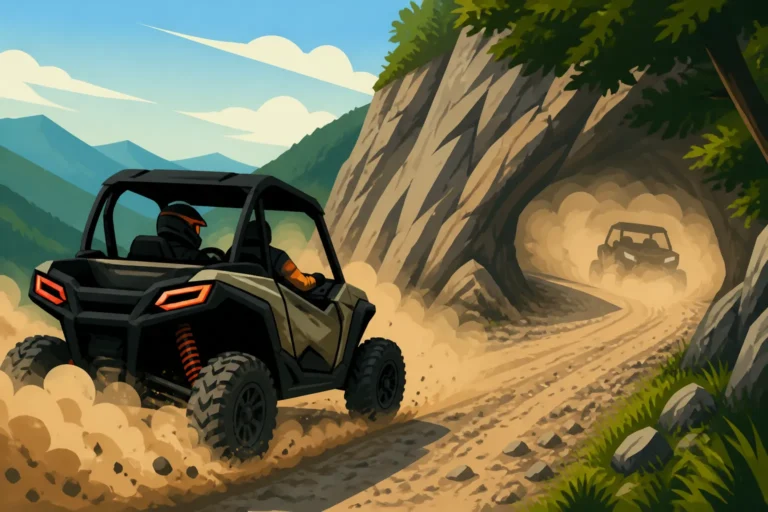
Virginia mountain gravel roads present dust and blind corner hazards, requiring safe driving strategies for ATV and UTV riders.
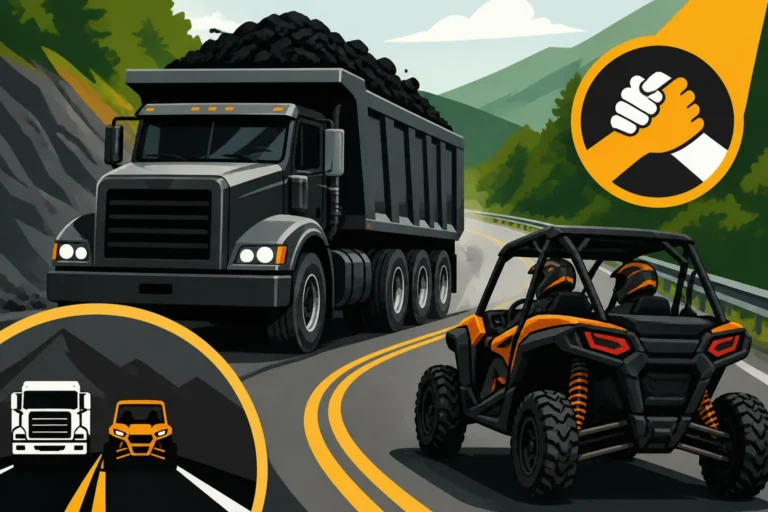
Shared roads in Virginia coalfields present hazards when ATV riders encounter heavy industrial coal trucks unexpectedly.

Locked gates on Virginia timber company roads protect private property, active logging sites, and sensitive forest ecosystems.
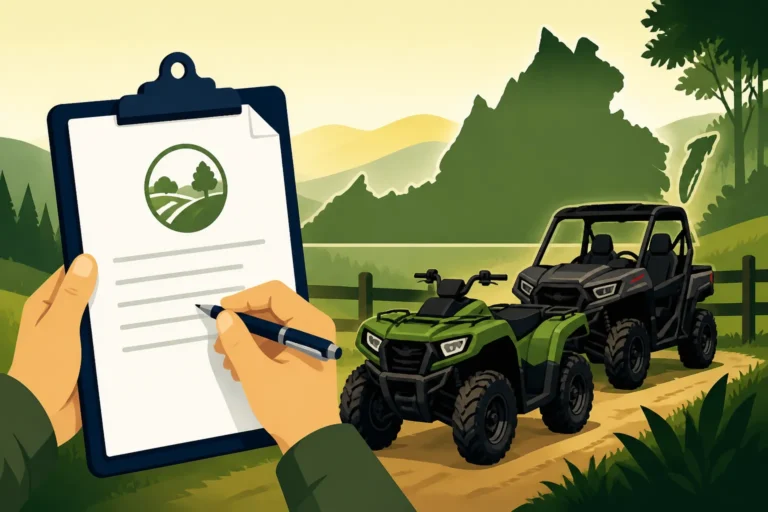
A landowner permission note for Virginia ATV riders provides legal protection and proves authorized access on private property.
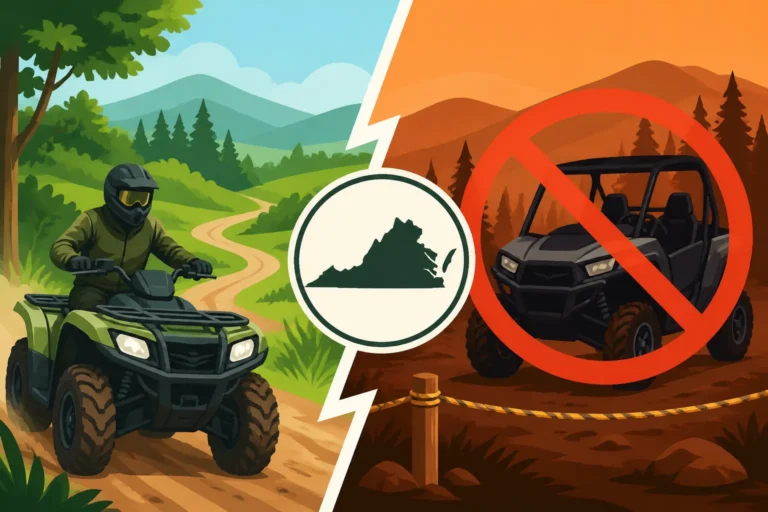
Virginia ATV property rules, signs, and purple paint markings explain legal boundaries and landowner consent for riders.

Virginia road laws explain why ATVs and UTVs remain banned from public highways while dirt bikes gain legal exceptions.

Virginia moped eyewear laws require operators to wear safety glasses, goggles, or a face shield on public highways.

Virginia ATV and moped fines differ because state laws classify all-terrain vehicles as strictly off-road machines.