Buying ATV Insurance When No Law Requires It
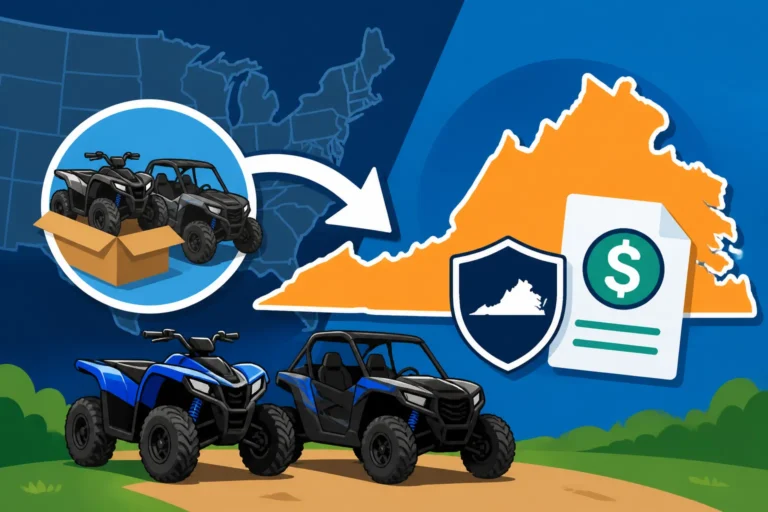
You’ve just invested in an amazing ATV or utility vehicle, ready to conquer the [Spearhead Trails in Virginia Explained] or tackle chores on your property near the Shenandoah. As a responsible owner, your mind naturally turns to insurance – after all, we insure our cars, our homes, and our lives. But here’s the interesting twist in Virginia: the law doesn't actually require you to carry insurance on your ATV or UTV. This can leave many riders scratching their heads, wondering if they should bother, what the risks are, and how to even go about getting coverage. This guide is here to shed light on why Virginia takes this stance, the critical reasons why you absolutely should consider ATV insurance anyway, and how to navigate the process of protecting your investment and your peace of mind.
Why Virginia Riders Can Legally Skip Insurance
It might seem counter-intuitive, especially with how strict Virginia can be about vehicle regulations, but when it comes to ATVs and UTVs, the state takes a hands-off approach to mandatory insurance. You can ride all day on private land, hit the trails, or use your utility vehicle for farm work, and no state law will ever require you to show proof of insurance. This isn't an oversight; it's by design, rooted in how the state classifies these off-road machines.
The Law's Silence on Off-Road Machines
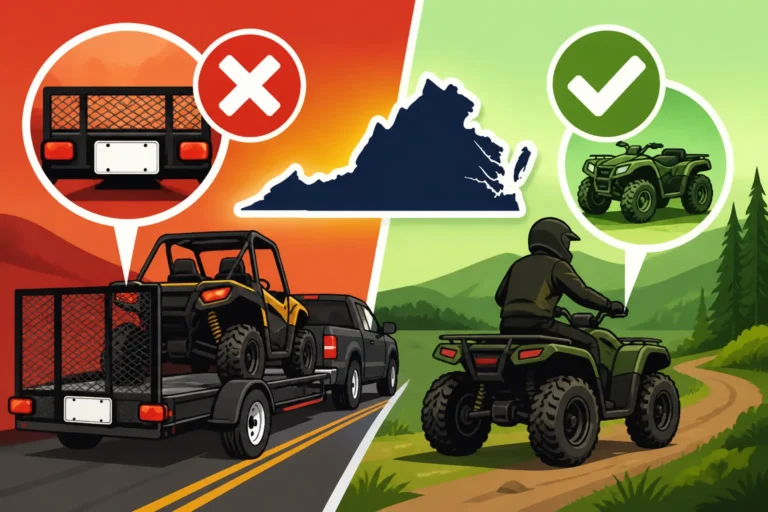
The core reason you don't need ATV insurance in Virginia boils down to a fundamental classification. Unlike cars, trucks, or even motorcycles which are defined as "motor vehicles" and primarily intended for highway use, ATVs and UTVs are specifically defined as "all-terrain vehicles" or "utility vehicles" and are generally not permitted on public highways. Because they aren't considered street-legal motor vehicles, the typical rules that mandate liability insurance for highway use simply don't apply.
This distinction is crucial. When you register a car, the DMV demands proof of insurance to ensure that if you cause an accident on a public road, there's a mechanism to compensate those you harm. But since ATVs are largely restricted to private land, designated trails, or very limited [Virginia Road Access in the Coalfields], the state hasn't extended those same requirements. It's not that the state thinks accidents don't happen, it's just that the legal framework for highway vehicles doesn't encompass these off-road machines. So, when you head to the DMV to title your new quad, they won't ask for an insurance card, unlike with your new pickup truck.
The Hidden Risks of No Coverage
While the law might not mandate it, riding without insurance can expose you to some serious financial headaches. Imagine you're out on a group ride on the [Mountain View Trail System in Virginia] and, through no fault of your own, another rider swerves, causing you to lose control and crash into a fence bordering someone's property. Without liability insurance, you are personally responsible for the cost of repairing that fence, and if the property owner or another rider gets hurt, you could be on the hook for their medical bills and lost wages. These costs can quickly skyrocket into the tens of thousands, far exceeding the initial cost of your machine.
Even if you're riding solo on your own land or a friend's property with [Virginia Written Consent on Private Land], accidents happen. A rollover, hitting an unforeseen obstacle, or even a fire could total your prized machine. Without collision or comprehensive coverage, that brand-new side-by-side you just bought with all your hard-earned cash could be reduced to scrap metal, and you'd have to pay entirely out of pocket to replace it. For many, this isn't a minor inconvenience; it could be a devastating financial blow, leaving them without their machine and a significant chunk of money gone. It’s definitely a case where penny-pinching on premiums can lead to pound-foolish regret down the line.
What an Insurer Asks for on an Untitled Virginia Quad
Even though Virginia doesn't require ATV insurance, plenty of insurance providers offer policies specifically designed for these off-road vehicles. They understand the unique risks and the value riders place on their machines. The good news is that getting a policy isn't as complicated as you might think, and your machine's titling status usually won't be a barrier.
Types of Coverage Available for Your ATV
Just like with car insurance, ATV policies come with different types of coverage, each designed to protect you from specific risks. Understanding these options is key to building a policy that truly meets your needs.
First up is liability coverage, which is arguably the most crucial. This protects you financially if you're at fault for an accident that causes injury to another person or damage to their property. Think of it this way: if you accidentally run into another rider on the trail or damage a farmer's fence while crossing their land, your liability coverage would kick in to cover those costs. Without it, those expenses come directly out of your pocket, potentially leading to lawsuits that could drain your savings. Many ATV owners choose to carry significant liability coverage because the potential costs of an accident can be astronomical.
Next, you have collision coverage, which pays for repairs or replacement of your own ATV if it's damaged in an accident, regardless of who was at fault. This is invaluable if you've invested heavily in your machine. Imagine taking a tumble on a tricky section of the [Coal Canyon Trail System in Virginia] or misjudging a turn and ending up in a ditch – collision coverage ensures you won't be footing the entire repair bill yourself. Then there's comprehensive coverage, which steps in for non-collision incidents. This covers things like theft, vandalism, fire, natural disasters (think a tree falling on your machine), or even hitting an animal. Given the value of many modern ATVs and UTVs, [Covering Theft From a Shed in the Coalfields] is a real concern for many owners, and comprehensive coverage provides that peace of mind.
Finally, some policies offer uninsured/underinsured motorist coverage, which is less common for ATVs but still available. This protects you if you're injured or your ATV is damaged by another off-road rider who doesn't have insurance or doesn't have enough to cover your losses. While many riders assume everyone on the trail is covered, that’s simply not true, especially since the state doesn't require it. Medical payments coverage, on the other hand, helps cover medical expenses for you and any passengers, regardless of who was at fault. This can be a huge relief in the immediate aftermath of an accident, covering things like ambulance rides, emergency room visits, and doctor's bills, which quickly add up after a serious spill.
The Peace of Mind a Policy Provides
Beyond the sheer financial protection, having an ATV insurance policy offers a significant layer of peace of mind. When you're out enjoying the trails or working hard on the farm, the last thing you want to be worrying about is a potential accident wiping out your savings. Knowing that you're covered for unexpected events allows you to focus on the ride itself, whether you're tackling challenging terrain or simply enjoying the outdoors. This peace of mind isn't just for you; it extends to your family. If something were to happen, they wouldn't be left dealing with the financial fallout of an uninsured accident.
Consider a scenario where you're letting a friend or family member borrow your side-by-side for a short period. Even if they're an experienced rider, accidents can happen. With liability coverage, you have a safeguard in place, protecting you from potential legal claims if they cause damage or injury while using your machine. This can make a significant difference in maintaining relationships and avoiding stressful legal battles. Some policies even include coverage for accessories, like a winch, plows, or specialized tires, which can add substantial value to your machine. Always check the specifics of your policy to understand what extras are included.
Titling Status and Insurance
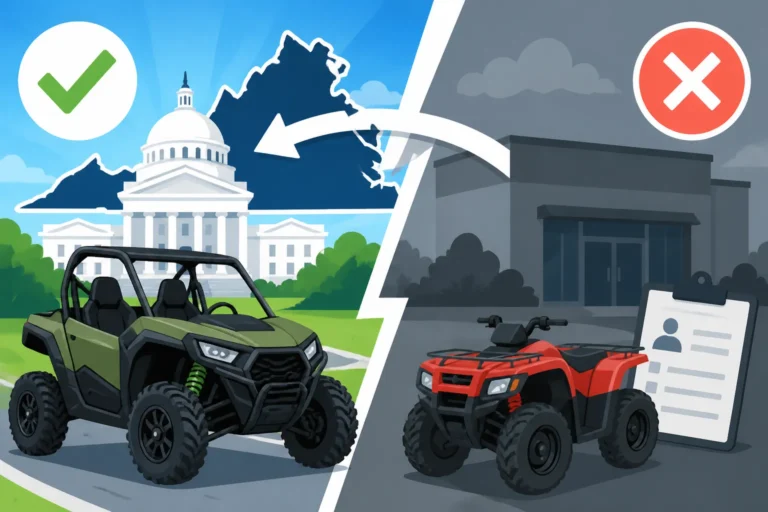
One common question among Virginia ATV owners is whether they can get insurance if their machine isn't titled. The good news is that in Virginia, many used ATVs are not required to be titled, and this typically doesn't prevent you from obtaining an insurance policy. Insurers are primarily interested in the vehicle's identity (via the VIN), your ownership, and how you use it, rather than its specific titling status with the DMV.
For example, if you bought a used quad from a private seller, you might have opted not to title it, as [Virginia Titles Are Optional on Used Machines]. You’d still have a bill of sale proving ownership, and that’s often what an insurer will want to see. The important thing is that you can prove you own the machine. Even if you're considering [Titling an Old Quad to Prove You Own It] for future resale or just for clearer documentation, you don't necessarily have to wait until that process is complete to secure an insurance policy. Insurers understand that off-road vehicles operate under different rules than street vehicles, and they've adapted their underwriting processes accordingly. You'll simply need to provide the necessary information, such as the vehicle identification number (VIN), make, model, and year, along with details about your riding habits and storage location.
How to Shop for the Right ATV Insurance
Finding the right ATV insurance doesn't have to be a complicated ordeal. With a little preparation and smart shopping, you can secure comprehensive coverage that fits your budget and provides the protection you need. It's about being informed and asking the right questions.
Gathering Your Information
Before you start contacting insurance providers, take a few minutes to gather all the pertinent details about your ATV or UTV and your riding habits. This will make the quoting process much smoother and more accurate. First and foremost, you'll need your machine's Vehicle Identification Number (VIN). This unique identifier is crucial for insurers to correctly identify your specific model, year, and features. You'll typically find the VIN stamped on the frame of your ATV or UTV, often near the front suspension or under the seat. Also have the exact make, model, and engine size (cc) handy. For example, knowing you have a "2023 Polaris RZR XP 1000" versus just "a Polaris side-by-side" makes a big difference in getting an accurate quote.
Beyond the machine itself, insurers will want to know about you and how you use the ATV. Be ready to provide your driver's license information, your date of birth, and your claims history (if any). They’ll also ask about where the ATV is primarily stored, as a machine kept in a locked garage in a low-crime area might have different risk factors than one parked openly in a high-theft zone. Finally, consider how you use the machine: is it purely for recreational trail riding on systems like the [Peters Mill Run OHV Trails in Virginia], for farm work, or a mix of both? This information helps insurers assess the risk and tailor a policy that genuinely fits your lifestyle.
Comparing Quotes and Providers
Once you have your information ready, it's time to shop around. Don't settle for the first quote you receive. Just like with car insurance, rates and coverage options for ATV policies can vary significantly between different providers. Many major insurance companies that offer auto or home insurance also have specialized policies for off-road vehicles. It's a good idea to check with your current auto or home insurance provider first, as they might offer multi-policy discounts that could save you money. Often, bundling your ATV policy with your existing insurance can result in a more affordable overall premium.
Beyond your current insurer, reach out to several other reputable companies. You can often get free quotes online or by calling an agent. When comparing quotes, don't just look at the price. Pay close attention to the coverage limits (how much the policy will pay out) and the deductibles (how much you pay out of pocket before the insurance kicks in). A lower premium might mean higher deductibles or less comprehensive coverage, which could leave you underinsured in a major incident. Read through the policy documents carefully, or ask the agent to explain any terms or conditions you don't understand. Taking the time to compare thoroughly can help you find the best balance of coverage and cost.
Understanding Deductibles and Limits
Understanding deductibles and limits is fundamental to choosing the right ATV insurance policy. Your deductible is the amount of money you agree to pay out-of-pocket before your insurance coverage begins to pay for a claim. For example, if you have a $500 deductible on your collision coverage and your ATV sustains $3,000 worth of damage in an accident, you would pay the first $500, and your insurance would cover the remaining $2,500. Generally, choosing a higher deductible will lower your monthly or annual premium, because you're taking on more of the initial risk. However, you need to be sure you can comfortably afford that deductible amount if an incident occurs.
Coverage limits, on the other hand, represent the maximum amount of money your insurance company will pay out for a specific type of claim. For liability coverage, you'll typically see limits expressed as a series of numbers, like 25/50/25. This means $25,000 for bodily injury per person, $50,000 for total bodily injury per accident, and $25,000 for property damage per accident. For collision and comprehensive, the limit is usually the actual cash value of your ATV at the time of the loss, minus your deductible. It’s crucial to select limits that adequately protect your assets. If your liability limits are too low and you cause a serious accident, you could be personally responsible for any costs exceeding your policy's payout. Think about the value of your machine, your personal assets, and the potential for serious injury or property damage when setting these limits.
Common Scenarios and Smart Preparations
Even with no state mandate for ATV insurance in Virginia, thinking through various scenarios can highlight why it's such a valuable investment. From unexpected crashes to unfortunate thefts, being prepared means understanding the risks and knowing how to mitigate them. Beyond insurance, a little bit of legal groundwork can go a long way.
Accidents on Private Property
One common misconception is that if you're riding on private property, you're somehow exempt from liability or the need for insurance. This simply isn't true. Whether you're on your own sprawling acreage, a friend's hunting lease, or private land with express permission, accidents can and do happen. If you cause an injury to another person, even a passenger on your own ATV, or damage to someone else's property, you can be held legally and financially responsible. This responsibility doesn't disappear just because the accident happened off a public road.
Imagine you're riding your UTV on a neighbor's farm, helping them haul feed, and you accidentally clip their prized garden shed, causing significant damage. Without liability insurance, the cost to repair or replace that shed, plus any legal fees if they decide to sue, would fall squarely on your shoulders. A basic ATV liability policy would provide coverage in such a scenario, safeguarding your finances and potentially preserving your relationship with your neighbor. It's a classic example of why [Virginia Requires No ATV Insurance] doesn't mean you don't need it. Furthermore, if you permit others to ride your ATV on your land, you might want to consider having them sign a liability waiver. Resources like LawDepot can assist you in drafting professional, legally sound waivers, clearly outlining the risks and responsibilities for all parties involved.
Theft or Damage While Stored
For many ATV owners, their machine isn't just a toy; it's a significant investment. Losing it to theft or damage when it's not even in use can be incredibly frustrating and financially devastating. Comprehensive coverage is designed specifically for these types of non-collision incidents, offering a crucial safety net for your valuable off-road vehicle. This is particularly relevant in areas where theft is a concern, or if your machine is stored in a less secure location.
Think about the scenario of [Covering Theft From a Shed in the Coalfields]. You park your valuable quad in a shed on your property for the winter, assuming it's safe. But one morning, you find the lock broken and your ATV gone. Without comprehensive insurance, you're out the entire value of your machine. Similarly, what if a tree limb falls on your ATV during a severe storm, or a fire breaks out in your garage? Comprehensive coverage would step in to cover the costs of repair or replacement, giving you peace of mind that your investment is protected even when it's not actively being ridden. This coverage usually extends whether your machine is at your primary residence, a hunting camp, or even in transit on a trailer.
Financial Planning Beyond Insurance
While ATV insurance is a critical component of smart ownership, it's not the only piece of the financial puzzle. Thoughtful planning can further protect you and your investment. Beyond just budgeting for the purchase price and potential insurance premiums, consider setting aside an emergency fund specifically for unexpected repairs or maintenance. ATVs, especially those used hard on rugged trails, will inevitably require parts and service, and having a dedicated fund prevents these costs from becoming a burden.
Another crucial aspect of financial planning, particularly when buying or selling an ATV privately, is meticulous record-keeping. Always ensure you have a clear, detailed bill of sale for any transaction, even if the machine isn't titled. This document proves ownership and can be invaluable for insurance claims or resolving disputes. Services like LawDepot are excellent resources for creating legally binding documents like a bill of sale or even a written agreement for borrowing or lending an ATV. They help ensure all necessary details are covered, from the VIN to the purchase price, protecting both buyer and seller. Having these documents readily accessible, perhaps even keeping a copy on your phone, can save you a lot of headache down the road. This comprehensive approach, combining smart insurance choices with diligent financial and legal preparation, ensures you're truly covered for anything the trail or life throws your way.
Disclaimer
This article is for general informational purposes only and does not constitute professional advice. Laws, prices and regulations vary by location and change over time. Consult a qualified professional for guidance on your specific situation.