Goggles Required on a Moped
There's often a bit of confusion in Virginia about what kind of protective gear is required for various types of recreational vehicles, and a common question we hear is whether goggles are mandatory. While the law is pretty clear for mopeds, it's a completely different story for ATVs and UTVs. This guide will cut through the misinformation, explain Virginia's specific requirements for mopeds, and clarify what that means (or doesn't mean) for your off-road machine, all while emphasizing critical safety practices for every rider.
Virginia's Moped Rules and Why Eyewear Matters
Virginia law has specific provisions for mopeds, which are distinct from all-terrain vehicles and utility vehicles. This distinction is crucial because what applies to a moped doesn't automatically apply to your quad or side-by-side. When it comes to eye protection, mopeds are indeed singled out.
The Letter of the Law for Moped Riders
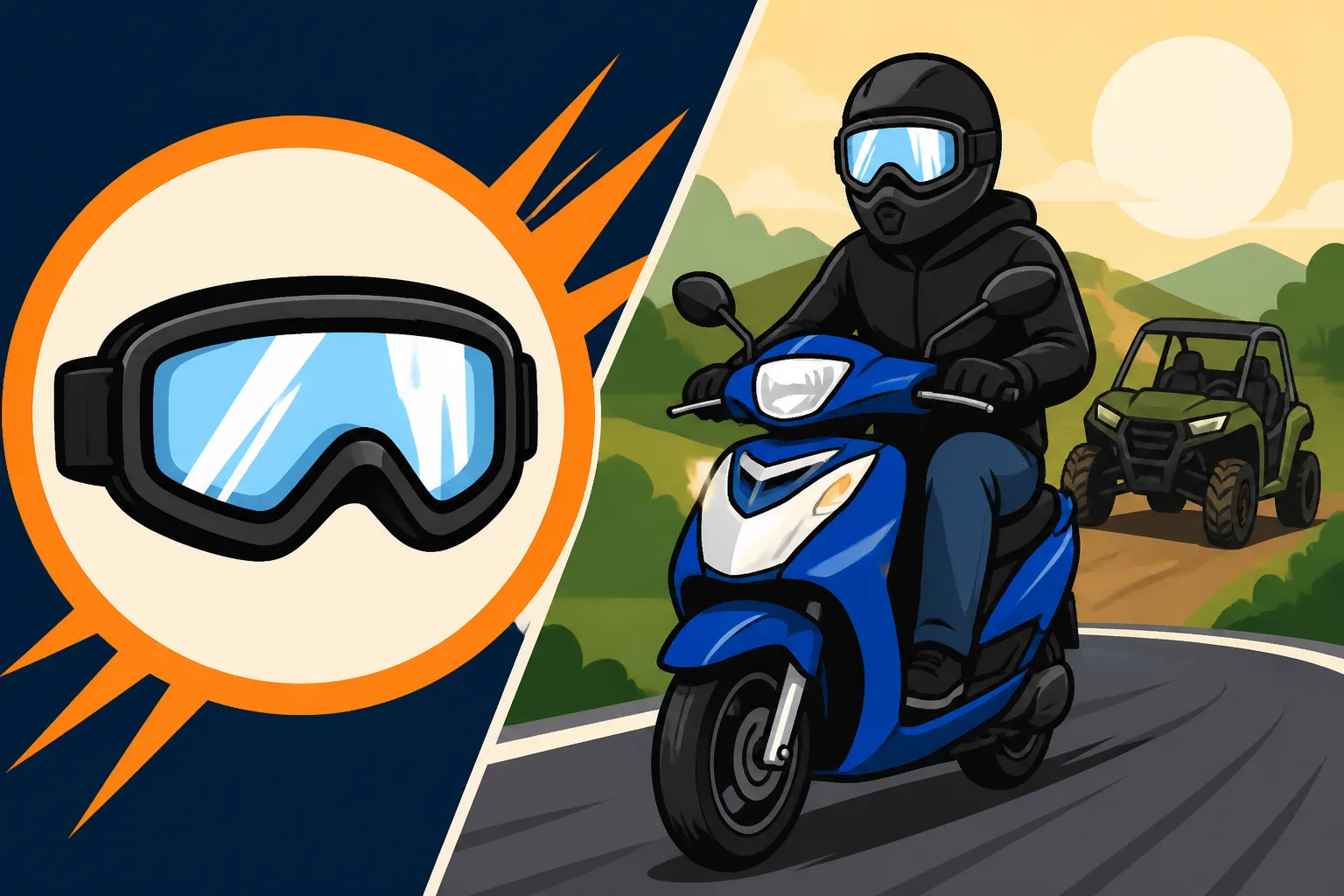
If you're cruising down a Virginia road on a moped, the law requires you to protect your eyes. Specifically, Virginia code states that anyone operating a moped on a public highway must wear a face shield, safety glasses, or goggles. This isn't a suggestion; it's a legal mandate. The intent is clear: to ensure the operator's vision isn't compromised by wind, dust, or debris, which could lead to accidents.
It’s a rule that makes practical sense. Unlike many cars with windshields, mopeds offer an open-air riding experience where your face is directly exposed to the elements. Imagine riding at 30 mph and having a fly hit your eye, or getting a gust of wind that dries them out and blurs your vision. This simple piece of gear can prevent a moment of distraction from turning into a serious incident. So, if you're a moped enthusiast, make sure that eye protection is as much a part of your routine as checking your fuel.
Why the State Cares About Moped Rider Eyes
The state's interest in moped rider eye protection stems directly from safety concerns. Mopeds, by their nature, are typically ridden on paved roads and public highways alongside cars, trucks, and other vehicles. This environment presents unique hazards, such as road debris kicked up by other vehicles, sudden changes in weather, or even insects impacting a rider's face. Without proper eye protection, a rider's vision can be obscured in an instant, leading to a loss of control or a collision.
Furthermore, clear vision is paramount for situational awareness, which is a key component of safe riding. A moped rider needs to constantly scan the road, monitor traffic, and be aware of potential hazards. Any impairment to vision, even momentary, can have severe consequences. By mandating goggles or other eye protection, Virginia aims to minimize these risks and promote safer road sharing for all. This focus on clear vision is a cornerstone of traffic safety, and it shows up in various regulations, not just for mopeds but also in requirements for vehicle windshields and wiper systems, albeit in different forms. You can see how specific categories of vehicles have very different rules when you look at how [Virginia Moped Rules Compared] to other vehicle types.
How ATVs and UTVs Are Different From Mopeds in Virginia Law
This is where the distinction becomes incredibly important for ATV and UTV owners. While mopeds are designed and legally permitted for road use, ATVs and UTVs are primarily intended for off-road operation, and Virginia law treats them very differently. This fundamental difference is why the moped's eyewear requirement doesn't carry over to your four-wheeler.
Virginia's Fundamental Definition Divide
Virginia defines ATVs and UTVs (which are often categorized under the broader "ATV" definition in many parts of the code) as off-road recreational vehicles. They are distinct from "motor vehicles" that are designed for use on public highways. Mopeds, on the other hand, are classified in a way that allows them on public roads, albeit with certain restrictions and requirements like the eye protection we just discussed. This legal classification is the backbone of why you see different rules regarding titling, registration, and required equipment. The law looks at the primary intended use and design of the machine.
For instance, you might be surprised to learn that while your car or truck is registered annually with the DMV, [Virginia Titles ATVs but Never Registers Them]. This alone should tell you that ATVs operate under a completely different set of legal assumptions. The state simply doesn't view your quad as a highway-going vehicle, which means the specific rules about highway safety, like mandating goggles for open-air highway travel, don't apply to it. Understanding these fundamental definitions, as outlined in sections like [Virginia ATV and Utility Vehicle Definitions], is key to grasping the full scope of off-road vehicle law in the Commonwealth.
No Street-Legal Path for ATVs and UTVs Generally
One of the most significant differences between mopeds and ATVs/UTVs in Virginia is their street legality. Mopeds are granted access to most public roads, necessitating road-specific safety gear. ATVs and UTVs, however, are largely prohibited from public highways. [Virginia Bans ATVs on Public Highways] is a core tenet of the state's off-road vehicle law. There are very limited, specific exceptions, such as crossing a highway by the most direct route, or riding on certain designated coalfield roads in Buchanan and Tazewell counties, but these are narrow allowances, not a blanket permission for road use.
Because ATVs and UTVs are generally not permitted on public roads, the state does not impose road-specific safety requirements like mandated eyewear for street travel. The laws are tailored to the environment where these machines are supposed to be ridden: private land, designated trails, and other off-road areas. This means that while a moped rider needs to gear up for highway conditions, an ATV rider's legal requirements are focused on helmet use and age restrictions for off-road environments. This distinction is crucial for every rider to understand to avoid hefty fines, as [Virginia Penalties for Illegal Riding] can be quite substantial.
Eyewear and Safety for ATV/UTV Riders in Virginia (No Specific Law, But Critical for Safety)
So, to directly answer the underlying question: Virginia law does not explicitly require ATV or UTV riders to wear goggles or other eye protection. However, this lack of a specific legal mandate absolutely does not mean that eye protection is optional for safe off-road riding. In fact, it's one of the most crucial pieces of safety gear you can have.
What Virginia Law Does Mandate for ATV Riders (Helmets, Age Limits)
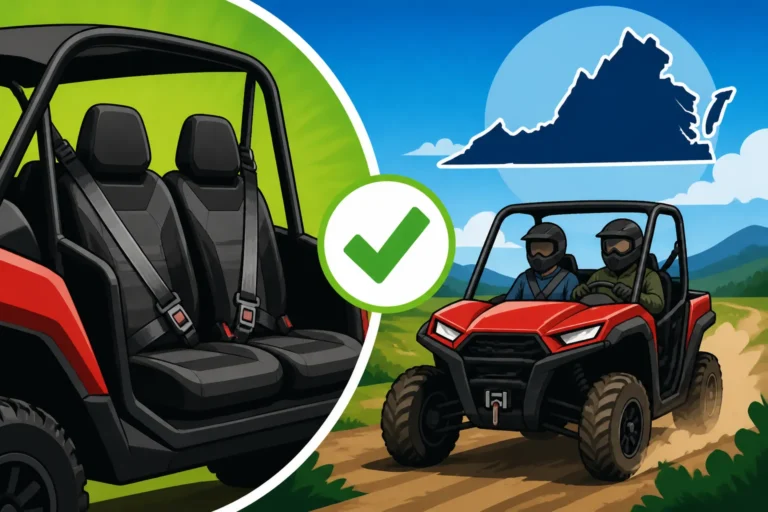
While goggles aren't a legal requirement for ATVs and UTVs, Virginia law is very clear about other forms of rider protection, especially helmets. [Virginia Helmet Law Applies to Every Rider] of an ATV, regardless of age or where they are riding. This is a non-negotiable safety rule designed to protect riders from head injuries, which are often the most severe and life-altering in an ATV accident. It's a broad law, meaning it applies whether you're on a designated trail system, your own private property, or even a farm field.
Beyond helmets, Virginia also has strict age and engine size restrictions designed to prevent young, inexperienced riders from operating machines that are too powerful for them. [Virginia Age Limits by Engine Size] dictate what a rider under 16 can legally operate. For example, a rider under 12 cannot operate an ATV with an engine greater than 70cc. These laws underscore the state's commitment to rider safety, even if specific eyewear isn't itemized in the statutes for off-road machines.
Why Eyewear is Non-Negotiable for Off-Road Riding (Even Without a Specific Law)
Even without a specific law, wearing appropriate eye protection when riding an ATV or UTV is absolutely essential. Consider the environment you're riding in: dirt, dust, mud, branches, rocks, and insects are all potential hazards that can be encountered at high speeds. A small stone kicked up by another rider or your own tires can cause a serious eye injury, permanently impairing your vision. A low-hanging branch on a trail can whip into your face. Dust from a dry trail can blind you temporarily, leading to a loss of control.
Clear vision is critical for navigating challenging terrain, identifying obstacles, and reacting quickly to changing conditions. Without proper eye protection, you're not just risking injury; you're compromising your ability to ride safely and effectively. It's a personal responsibility that every off-road enthusiast should embrace, much like ensuring your machine is properly maintained. Investing in quality goggles is a small price to pay for protecting one of your most vital senses. Many riders also use other accessories like those from SuperATV to enhance their machine's safety and capabilities, and good eye protection should be considered just as fundamental.
Practical Eyewear Choices for Virginia Off-Road Enthusiasts
Given that eye protection is crucial for ATV and UTV riding, let's talk about what kind of eyewear works best and what features to look for. Not all eye protection is created equal, especially when you're tackling dusty trails or muddy creeks.
Goggles vs. Glasses: Pros and Cons
When it comes to off-road eye protection, you generally have two main choices: goggles or safety glasses. While safety glasses can offer some protection, especially for casual rides, dedicated off-road goggles are almost always the superior choice for serious riding.
Safety glasses offer convenience and often better ventilation. They can be worn easily and are less bulky than goggles. However, they typically don't seal completely around the eyes, leaving gaps where dust, mud splatter, or small debris can enter. They also tend to fog up more easily when combined with a helmet, and their peripheral vision can be more limited than a well-designed goggle. For a quick, casual ride around a yard or a very light trail, they might suffice, but they are not ideal for anything intense.
Off-road goggles, on the other hand, are specifically designed for demanding conditions. They create a seal around your eyes, providing comprehensive protection against dust, mud, and debris. They often feature foam liners that help absorb sweat and improve comfort, and many are designed with anti-fog coatings or ventilation systems to maintain clear vision. Goggles are also more secure, staying put during jarring rides and unexpected impacts. While they can feel a bit warmer than glasses, the superior protection and clarity they offer are invaluable. Many reputable brands offer a wide range, often pairing well with other gear you might acquire from a company like SuperATV.
Features to Look For in Quality Off-Road Eyewear
Choosing the right pair of goggles or safety glasses involves considering several key features that will enhance your safety and comfort on the trails. Don't just grab the cheapest pair; your eyes are worth a thoughtful investment.
- Impact Resistance: This is paramount. Look for lenses made from polycarbonate or similar materials that are designed to withstand impacts from flying rocks or branches. You want eyewear that can take a hit without shattering.
- Anti-Fog Technology: Nothing is more frustrating (or dangerous) than goggles that constantly fog up, especially when you're exerting yourself or riding in humid conditions. Look for lenses with anti-fog coatings, or goggles with effective ventilation systems that promote airflow.
- UV Protection: Long hours in the sun can damage your eyes. Ensure your chosen eyewear offers 100% UV protection to shield your eyes from harmful rays. This is important even on cloudy days.
- Secure Fit and Comfort: Goggles should fit snugly but comfortably with your helmet, without creating pressure points. An adjustable strap is essential for a customized fit. The foam around the frame should be soft against your face and effectively seal out debris.
- Lens Options: Many goggles come with interchangeable lenses, allowing you to adapt to different lighting conditions. Clear lenses are great for low light or night riding, while tinted or mirrored lenses are better for bright sunny days. Yellow or amber lenses can enhance contrast in overcast conditions. When you're looking for replacement lenses or even full goggles, check out what trusted names in the off-road world, like SuperATV, offer in terms of durability and performance.
| Feature | Moped (Legal Requirement) | ATV/UTV (Safety Best Practice) |
|---|---|---|
| Eyewear Mandate | YES (Goggles, Glasses, or Face Shield) | NO (Not legally required by VA statute) |
| Helmet Mandate | YES | YES (Applies to all riders, all ages) |
| Street Legal? | Generally YES | Generally NO (Prohibited on highways) |
| Registration? | YES | NO (Virginia only titles ATVs, never registers) |
| Primary Use | Public Roads/Highways | Off-Road Trails/Private Land |
Moped Fines Stop at $50 While ATV Penalties Reach $500
It's truly eye-opening to see the difference in the severity of penalties between moped and ATV violations in Virginia. While a moped rider might face a relatively minor fine for a specific infraction, an ATV rider found in violation of certain rules can be hit with a significantly steeper penalty. This stark contrast highlights how the state views the potential risks associated with each type of vehicle and its operation.
For instance, certain moped violations might incur fines in the range of $50, depending on the specific statute broken. These are often related to equipment, licensing, or other minor regulatory issues. However, if you're caught riding an ATV where it's not permitted, such as on a public highway or unauthorized public land, the civil penalty can be up to $500. This is a substantial sum and reflects the state's intent to discourage illegal off-road vehicle use, which can pose dangers to the public, damage property, and create environmental concerns. The difference in these figures, as highlighted in [Virginia Moped Fines Stop at $50 While ATV Penalties Reach $500], should serve as a serious warning to all riders to know and abide by the law applicable to their specific machine.
This disparity in penalties underscores the state's very different regulatory frameworks for mopeds and ATVs. Moped laws are integrated into broader traffic codes, focusing on safe operation on public roads. ATV laws, by contrast, are more stringent about where these machines can be ridden, reflecting their off-road nature and the potential for misuse. It's a clear message: know your machine, know your laws, and respect the environments where you choose to ride. Many riders also opt for helmet-mounted visors that offer some protection, but for true eye safety, especially when kicking up dust or mud, dedicated goggles are far superior. Think of it like investing in other crucial off-road gear, perhaps from a brand like SuperATV, that enhances your machine's capability and your safety.
In Virginia, while goggles are a legal requirement for moped riders on public roads, they are not specifically mandated for ATV or UTV riders. However, the absence of a law does not diminish the critical importance of eye protection for off-road riding. The hazards of dust, debris, and branches make goggles an absolutely essential piece of safety gear for any ATV or UTV enthusiast. Always prioritize your safety and choose quality eyewear that protects your vision, allowing you to fully enjoy your adventures on the trails.
Disclaimer
This article is for general informational purposes only and does not constitute professional advice. Laws, prices and regulations vary by location and change over time. Consult a qualified professional for guidance on your specific situation.