Virginia Rules for Carrying a Rifle
Riding your ATV or UTV in Virginia is about freedom, adventure, and sometimes, practicality – especially if you're heading out to a hunting spot or managing your rural property. But when it comes to carrying a rifle on your machine, many riders get a knot in their stomach wondering if they're following the rules. It’s a common frustration because Virginia's laws aren't always crystal clear on ATVs specifically, leaving you to piece together information from different statutes. This guide aims to untangle that complexity, offering clarity on Virginia's rules for carrying a rifle on your ATV or UTV so you can ride with confidence and stay on the right side of the law.
Understanding Virginia's General Firearms Laws and ATVs
First things first: Virginia is largely a firearm-friendly state. This means that, for the most part, if you are legally allowed to possess a firearm, you are generally allowed to carry it. However, the nuances come into play when you introduce a moving vehicle – and an ATV, while not a conventional "motor vehicle" in all legal senses, certainly falls into that category for certain regulations. The biggest challenge for ATV riders is that specific statutes for carrying rifles on ATVs are not always explicitly laid out, forcing us to interpret broader firearm laws and apply common sense.
The Lack of Specific ATV-Rifle Statutes
You might scour the Virginia Code looking for "ATV rifle transport" and come up empty-handed. That’s because, unlike rules for riding on public roads or age limits, there isn't a dedicated section just for ATVs and firearms. Instead, we have to look at general firearm possession laws, hunting regulations, and prohibitions against discharging firearms from vehicles. This patchwork approach can feel frustrating, but it means that general principles of responsible firearm ownership and transport apply. What's permissible on a truck for hunting typically provides a good guideline, adjusted for the open nature of an ATV.
It's important to differentiate between merely transporting a rifle and actually hunting from an ATV. Virginia law generally prohibits hunting from a vehicle, including an ATV, which means you cannot actively pursue game or shoot a firearm from your machine. The purpose of carrying the rifle is critical: is it for transport to a hunting blind, for property protection, or for target practice? Your intent doesn't change the transport rules, but it does impact how you can use the firearm once it's off the ATV.
Open vs. Concealed Carry on an ATV
When you’re talking about carrying a rifle on an ATV, "concealed" is rarely the question. Rifles are long guns, and by their very nature, they are usually openly carried or secured in a scabbard or case. Virginia allows for open carry of rifles (and handguns) by anyone legally permitted to possess them, without a special permit. This means having your rifle openly displayed on a gun rack or in a visible scabbard on your ATV is generally permissible.
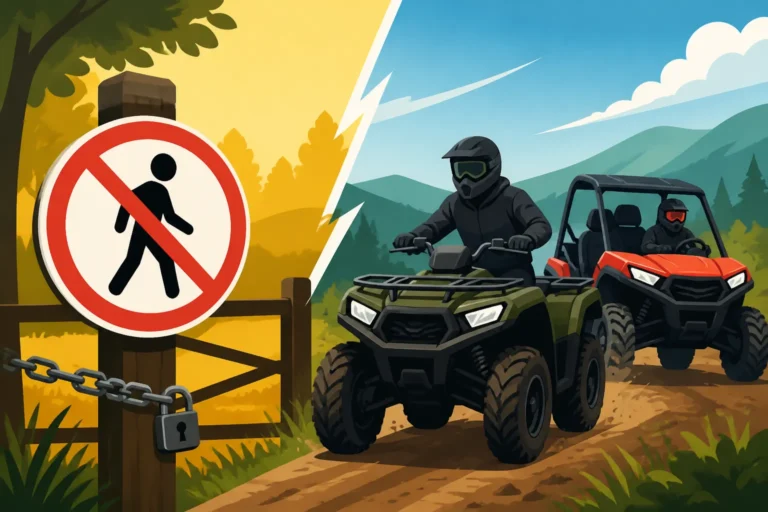
The concept of concealed carry primarily applies to handguns in Virginia, requiring a permit to carry one hidden from view. While it’s unlikely you'd be trying to conceal a full-size rifle on an ATV, the principle is that openly carrying it is typically fine, as long as you're in a place where firearms are otherwise allowed. This means on your own private property, or on land where you have [Virginia Written Consent on Private Land] to be, or on designated public lands that permit firearms, an openly carried rifle is generally not an issue. The key is to ensure it is securely mounted and not a danger to yourself or others.
Loaded vs. Unloaded: What the Law Says for Vehicles
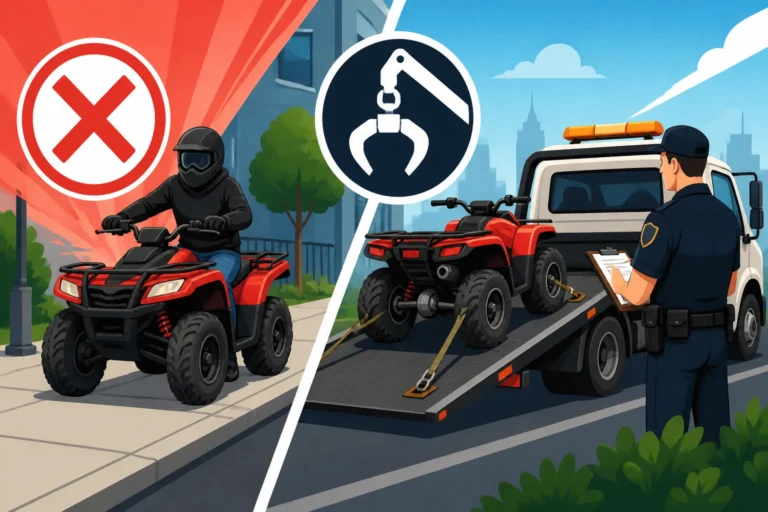
This is where many riders get hung up. Virginia law addresses the transport of loaded firearms in vehicles, and this often extends to ATVs, especially concerning hunting. Generally, it is unlawful to transport a loaded rifle or shotgun in any vehicle on a public highway. While ATVs are generally banned from public highways in Virginia, this rule highlights the state's caution around loaded long guns in transit.
On private property, or on designated trails where ATVs are permitted, the rules regarding "loaded" can be less strict for a rifle not being used for hunting directly from the vehicle. However, for safety and to avoid any ambiguity, many riders choose to transport their rifles unloaded with the action open and ammunition stored separately, especially if traversing any area that could be construed as a public right-of-way or if interacting with law enforcement. It's always a good idea to act with an abundance of caution, especially when dealing with firearms. Some hunting regulations, for instance, might require a firearm to be unloaded and cased when being transported to and from a hunting area, even if you are not directly on a public highway.
Practical and Safe Rifle Transport on Your ATV
Beyond the legalities, safely transporting a rifle on your ATV or UTV is paramount. An unsecured rifle can become a projectile in an accident, be damaged by trail hazards, or even fall off your machine. Trust me, finding a dropped rifle in the brush is not how you want to spend your afternoon. Focusing on secure, protected, and responsible transport methods not only keeps you safe but also helps preserve your valuable firearm.
Secure Mounting Solutions for Rifles
The market offers a fantastic array of mounting solutions designed specifically for off-road machines. These aren't just for show; they're engineered to keep your rifle stable, accessible, and protected. Many riders opt for fork-mounted or handlebar-mounted gun racks, which position the rifle horizontally across the front of the ATV. These can be great for quick access if you're moving between hunting spots or need to deter a pest on your property. However, be mindful of brush and branches that could snag the rifle or its optics.
Another popular choice, especially for UTVs or ATVs with cargo racks, are rear-mounted scabbards or vertical racks. These often keep the rifle more protected from front-facing hazards and can position it out of the way of the rider. When choosing a mount, look for durable materials, strong attachment points, and secure straps or closures. Brands like SuperATV offer robust gun scabbards and rack systems specifically designed to withstand the jostle and vibration of trail riding, ensuring your rifle stays put no matter how rough the terrain gets. Make sure any mounting system you choose provides padding to prevent scratching or marring your rifle's finish.
Protecting Your Firearm from the Elements and Trail Hazards
The Appalachian trails of Virginia can be beautiful, but they're also tough on gear. Rain, mud, dust, and abrasive brush are constant companions. A rifle transported on an ATV needs robust protection. A hard-shell gun scabbard is often the best investment, especially if you plan on riding in inclement weather or through dense woods. These scabbards enclose the rifle completely, protecting it from moisture, impacts, and debris. Many come with internal padding to prevent movement and shock.
Even with an open rack system, consider using a soft case made of weather-resistant material for added protection. While it won't offer impact protection like a hard scabbard, it will shield your rifle from dust, light rain, and scratches. Remember that moisture is the enemy of firearms, so ensure whatever method you choose keeps your rifle as dry and clean as possible, minimizing the risk of rust or fouling. After every ride, especially in wet conditions, take the time to properly clean and inspect your firearm.
Best Practices for Riding with a Rifle
When you're out on the trails with a rifle, common sense and safety are your best friends. Always ensure the rifle is unloaded before mounting it on the ATV, especially if you're using an open rack system. Keep the action open if possible, and store ammunition separately. This isn't just a legal precaution; it's a fundamental safety practice to prevent accidental discharge.
Consider how the rifle's presence might affect the balance and handling of your ATV. While a rifle itself might not add significant weight, an improperly mounted one can shift your center of gravity or snag on obstacles. Practice riding with your mounted rifle in a safe, open area before hitting challenging trails. Finally, always be aware of your surroundings and other trail users. An openly displayed rifle can sometimes cause alarm in those unfamiliar with firearms, so courtesy and responsible conduct go a long way.
Navigating Different Riding Scenarios with a Rifle
Virginia offers a variety of off-road experiences, from private property to sprawling forest lands. The rules and expectations for carrying a rifle can subtly shift depending on where you are. Understanding these nuances will help you avoid potential misunderstandings or legal issues, ensuring your day out is enjoyable and lawful.
Carrying a Rifle for Hunting on Private Land
If you're riding your ATV on your own private land, or on property where you have explicit permission to hunt and ride, the rules are generally the most relaxed. Here, you're primarily governed by general firearm safety principles and the specific wishes of the landowner. You can typically transport your rifle loaded or unloaded, cased or uncased, as long as you're doing so safely and not breaking any laws related to discharging a firearm (e.g., shooting across property lines or too close to occupied dwellings).
Many hunters use ATVs to access remote blinds or to retrieve game on their private leases. In these situations, a securely mounted rifle, perhaps in a SuperATV scabbard, is a practical tool. Remember, however, that even on private land, you cannot actively hunt from your ATV; you must dismount and be away from the machine to legally take game. This distinction is crucial and applies universally across Virginia. The ATV is a means of transport, not a hunting platform.
Public Trails and Forest Roads: What You Need to Know
This is where things can get a bit more complex. While Virginia has some incredible public lands, including designated ATV trails and vast national forests, the rules for firearms can vary. For example, [Peters Mill Run OHV Trails in Virginia] and other National Forest OHV areas have specific regulations regarding firearms. While possession of a firearm is generally allowed under federal law in national forests (unless otherwise posted), local forest service regulations or specific trail rules might add restrictions. Always check with the specific land management agency (e.g., USDA Forest Service, Virginia Department of Wildlife Resources) for the area you plan to visit before you go.
For example, on Spearhead Trails systems, while carrying a firearm is generally allowed, the emphasis is always on safe, responsible transport, typically unloaded and secured. Public access roads within some hunting areas might also have specific rules. It's critical to remember that [Virginia Bans ATVs on Public Highways] and most public roads. If you're using an ATV to access public land, you'll likely be on designated trails or roads that are not classified as public highways for ATV use. The safest bet, especially on public lands or when crossing any kind of public access point, is to transport your rifle unloaded, with the action open, and preferably cased.
Avoiding Misunderstandings and Legal Trouble
The best way to avoid trouble is to be informed and to practice extreme caution. When in doubt, err on the side of more restrictive rules. This means assuming your rifle should be unloaded and cased, especially if you anticipate encountering law enforcement or other members of the public who might be unfamiliar with firearm etiquette.
If you are stopped by a game warden or law enforcement officer while transporting a rifle on your ATV, remain calm, polite, and cooperative. Inform the officer immediately that you have a firearm and where it is located. Follow all instructions. Having your hunting license and any required permits (if applicable for the area) readily accessible is also a good practice. Building a reputation as a responsible and safety-conscious rider is always beneficial for the entire ATV community.
Here's a quick reference for general considerations:
| Scenario | Loaded Rifle Permitted (General) | Cased Required (General) | Public Land | Private Land | Best Practice for ATVs |
|---|---|---|---|---|---|
| On a Public Highway | No (unlawful) | Often (hunting rules) | N/A (ATV ban) | N/A (ATV ban) | Avoid public highways |
| Designated OHV Trail | Generally no (for vehicles) | Recommended / Often prudent | Yes | N/A | Unloaded, cased or scabbard |
| Private Hunting Lease | Yes (if not hunting from vehicle) | No (optional for protection) | No | Yes | Securely mounted, often unloaded during transport |
| Farm/Working Property | Yes | No (optional for protection) | No | Yes | Securely mounted, ready access if needed |
| Crossing a Public Road | No (must dismount & cross) | Often prudent | Yes | Yes | Unloaded, cased, cross directly |
Note: This table provides general guidance. Always verify specific regulations for your location and situation. "Generally no (for vehicles)" refers to Virginia law regarding loaded long guns in vehicles on public roads, which often informs policy on public trails.
Gear and Accessories for Responsible Rifle Transport
Having the right gear makes all the difference when carrying a rifle on your ATV. It’s not just about convenience; it’s about safety, firearm longevity, and compliance. Investing in quality accessories designed for off-road use will pay dividends in peace of mind and protection for your valuable equipment.
The Benefits of Dedicated ATV Gun Scabbards and Racks
Forget bungee cords and makeshift solutions; dedicated ATV gun scabbards and racks are engineered for purpose. A good quality scabbard, often made from durable, impact-resistant plastic or composite materials, fully encloses your rifle. This protects it from mud, dust, rain, and impacts from branches or rollovers. Many scabbards are designed with specific rifle types in mind, offering a snug fit that prevents rattling and movement, which can damage optics or shift your zero.
Rack systems, whether fork-mounted or rear-mounted, provide a stable platform for your scabbard or a secure way to hold a cased rifle. Look for models that are easy to install, provide robust attachment points, and allow for quick, secure loading and unloading of your firearm. SuperATV, for instance, offers a variety of mounts, including universal gun holders and specialized scabbards that integrate seamlessly with their cargo boxes or rack extensions, giving you confidence that your rifle is safe and secure throughout your ride. When considering a rack, think about your riding style and the type of terrain you frequent. A rough, rocky trail demands a more robust and secure system than a flat, well-maintained farm road.
Protecting Optics and Actions on Rough Terrain
Your rifle's optics—scopes, red dots, or holographic sights—are often the most delicate and expensive components. The constant vibration and occasional jarring impacts of ATV riding can wreak havoc on an unprotected scope, throwing off your zero or even causing internal damage. A high-quality scabbard or a well-padded case is essential for protecting these critical components. Ensure your scabbard offers internal padding and a snug fit so the rifle doesn't bounce around inside. Many dedicated scabbards feature cut-outs or designs that specifically accommodate larger scopes, preventing pressure points and damage.
Beyond optics, the rifle's action and muzzle need protection. Dirt, dust, and moisture can quickly foul the action, leading to malfunctions. A good scabbard keeps these areas sealed from the elements. A muzzle cover can add an extra layer of protection, preventing debris from entering the barrel. Remember, a clean, well-maintained, and protected rifle is a reliable rifle, which is critical whether you're hunting or just out on the property.
Beyond the Rifle: Ammunition and Accessory Storage
When you carry a rifle, you also need to carry ammunition and potentially other accessories like cleaning kits, spare magazines, or a rangefinder. It's crucial to store these items securely and separately from the rifle itself. Dedicated storage boxes, either mounted to your ATV or stored in a cargo box, are ideal. Ammunition should be kept dry and protected from impacts. Many riders use waterproof ammo cans or sealed containers.
Consider a multi-compartment cargo box, like those available from SuperATV, that can house your cased rifle, separate compartments for ammunition, and other gear. This not only keeps everything organized but also protects your sensitive items from the harsh off-road environment. Having a designated spot for everything means you're less likely to lose critical items and can quickly access what you need when you're out on the trails or in the field. Remember the importance of responsible gun ownership extends to proper storage of ammunition and accessories, too.
Disclaimer
This article is for general informational purposes only and does not constitute professional advice. Laws, prices and regulations vary by location and change over time. Consult a qualified professional for guidance on your specific situation.