Virginia Rules for a Child Passenger
Many families dream of exploring Virginia's beautiful trails and open land on their ATVs and UTVs, and naturally, they want to share that experience with their children. It's truly a wonderful way to bond and make lasting memories outdoors. However, when it comes to bringing kids along as passengers, the rules can often feel complicated and, frankly, a bit overwhelming. There's a real fear of doing something wrong, not just legally, but more importantly, risking a child's safety. This guide aims to clear up all that confusion, walking you through exactly what Virginia law and best safety practices dictate for carrying child passengers on your off-road machine, ensuring every ride is safe and within the bounds of the law.
Understanding Virginia's Core Rule on ATV and UTV Passengers
When you're out on the trails or exploring private land, the thrill of an ATV or UTV ride is undeniable. But when you have a child in tow, the excitement needs to be balanced with a clear understanding of Virginia's regulations. The core of Virginia's passenger rules for off-road machines hinges on one crucial factor: whether the machine was designed to carry more than one person. This distinction is vital, and it often trips up even experienced riders.
The 'Designed for More Than One Person' Clause
Virginia law is pretty clear, if sometimes a bit frustratingly specific. It states that an ATV or UTV can only carry a passenger if it was specifically "designed and manufactured" to do so. This isn't just a suggestion; it's a legal line in the sand. For many traditional, single-rider ATVs, this means adding a passenger, even a small child, is simply not permitted. Think about it: a standard ATV often has a seat built for one, with footpegs and handlebars positioned for a single operator. Squeezing another person, especially a wiggly child, onto that limited space significantly alters the machine's balance and handling, making it inherently more dangerous. It’s not just about space; it’s about the engineering. The manufacturer never intended for two people to be on that seat during operation, and the machine's center of gravity and suspension aren't designed to handle the additional weight and movement of a second person.
This is where the frustration can really set in for parents. You might think, "My child is small, they can just sit in front of me," or "They'll hold on tight!" But the law looks at the machine's design, not your good intentions. If it's a traditional single-seater, the answer is no. This rule is put in place to prevent serious injuries that can occur when a machine becomes unstable or uncontrollable due to an improper load. Always check your owner's manual – that's the ultimate authority on what your specific machine was built for. For more clarity on different machine types, you might want to review [Virginia ATV and Utility Vehicle Definitions].
Why Most Traditional ATVs Aren't Meant for Passengers
Let's dig a little deeper into why most traditional ATVs are a no-go for passengers. When you look at a typical sport or utility ATV, you see a long, narrow seat. This design allows the rider to shift their weight, stand up, and lean into turns – actions that are absolutely critical for controlling the machine on varied terrain. Now imagine a child sitting behind or in front of that rider. The child's weight can prevent the operator from making those necessary body movements. Their presence also creates an immediate conflict with the operator's ability to use the handlebars and controls freely.
Consider the footpegs, too. On a single-rider ATV, there's usually only one set of footpegs, specifically positioned for the operator. A passenger, particularly a child, would have nowhere safe or stable to place their feet, leading to dangling legs that could get caught in wheels or on obstacles. This isn't just uncomfortable; it's a significant safety hazard. A sudden bump or turn could easily dislodge them, leading to a fall. The design of these machines prioritizes agility and the rider's active control, which are both severely compromised by an extra person. This is why Virginia, in its efforts to ensure safety, explicitly refers to machines "designed for one person" as single-operator only.
UTVs and Their Built-In Passenger Capacity
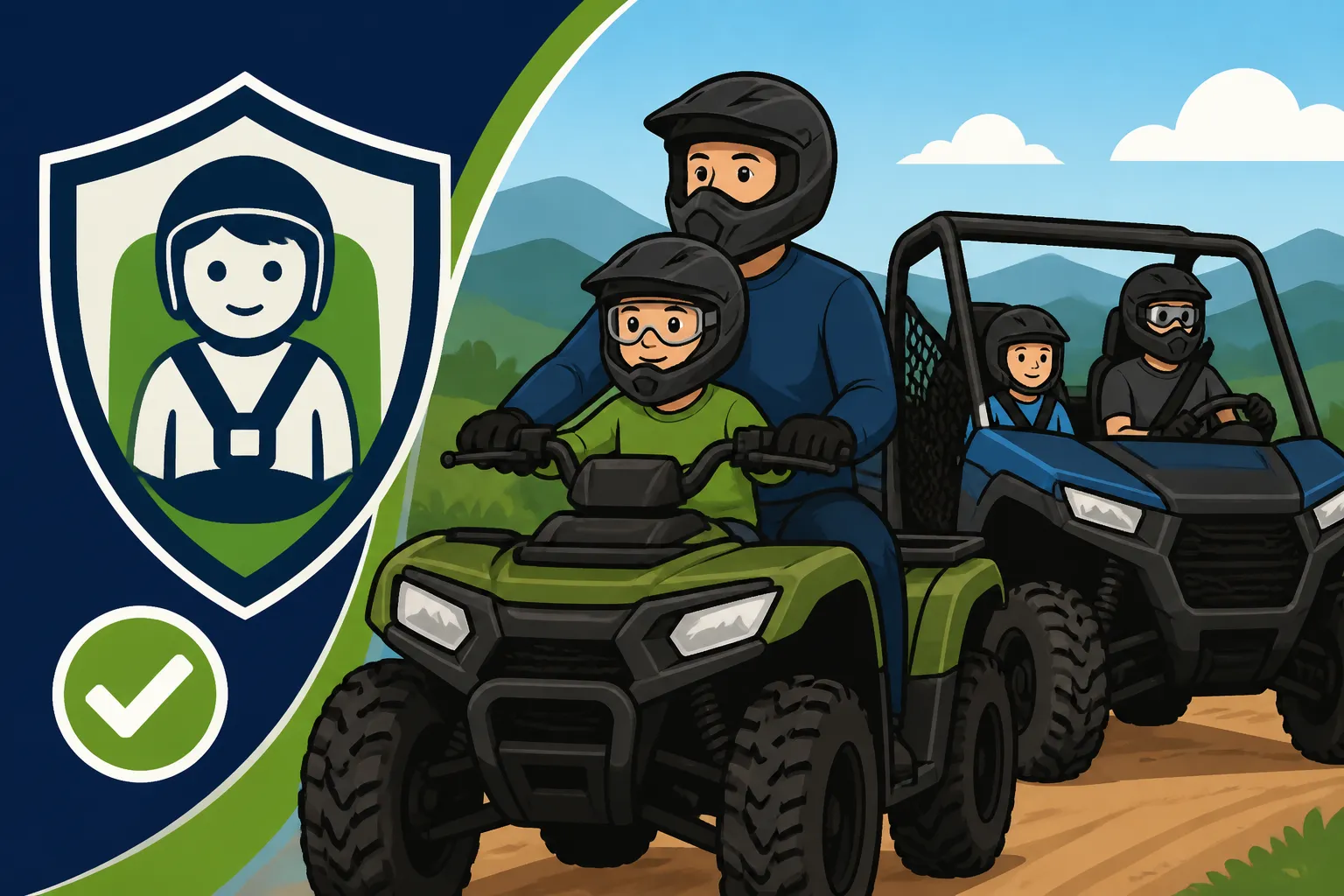
In stark contrast to most ATVs, Utility Vehicles, or UTVs (often called side-by-sides), are typically built from the ground up with passengers in mind. When you picture a UTV, you immediately think of bucket seats or bench seats, seatbelts, and a protective roll cage – features very similar to a small car, just built for rugged terrain. These machines are intentionally designed with a wider stance for stability, a lower center of gravity, and dedicated seating areas that often include grab handles for passengers.
Because UTVs come with these integrated safety features, they generally fall within Virginia's "designed and manufactured for more than one person" clause, making them a much more suitable and legal option for carrying child passengers. A UTV's design allows for the safe containment of passengers, protecting them from unexpected bumps and rollovers far better than an ATV could. For families looking to share the off-road experience with multiple children, a UTV becomes the obvious choice. The structured seating, combined with proper seatbelts, ensures that passengers are secured, allowing the driver to focus on navigating the terrain without worrying about a child falling off.
Age Limits and Supervision When Carrying Young Riders
While Virginia's laws are specific about whether you can carry a passenger based on machine design, they also have important considerations regarding who can ride and how they should be supervised, especially when those passengers are children. It's not just about the vehicle; it's about the vulnerable person riding in it.
Virginia's Age Requirements for ATV Operators vs. Passengers
It's crucial to understand that Virginia makes a clear distinction between the age requirements for operating an ATV or UTV and simply being a passenger. The detailed age limits you often hear about, like those for specific engine sizes (e.g., riders under 12 being limited to 70cc machines), apply directly to the person driving the machine. A child who is merely sitting in a passenger seat, secured, and not touching the controls, is not considered an operator in the eyes of the law. Therefore, those specific operator age-by-engine-size rules do not directly apply to them.
However, this doesn't mean there are no age considerations. While Virginia law doesn't explicitly state a minimum age for a child passenger on a UTV, for example, the spirit of the law, combined with general safety principles, heavily implies that the child must be able to properly use the provided safety restraints and understand basic safety instructions. If you're wondering about operator rules, take a look at [Virginia ATV Age Requirements]. The focus for a passenger shifts from their ability to control the machine to their ability to be safely contained and understand the ride.
The Importance of Manufacturer Age Recommendations
Even in the absence of a direct state-mandated minimum age for passengers, manufacturer recommendations become incredibly important. Every ATV and UTV comes with an owner's manual that includes specific safety guidelines, often including minimum age recommendations for passengers, if the machine is designed for them. These recommendations aren't pulled out of thin air; they are based on extensive testing, accident data, and an understanding of a child's developmental stage, physical size, and ability to comprehend risk and follow directions.
For instance, a manufacturer might recommend a minimum age of 5 or 6 for a passenger in a UTV, or specify that a passenger must be tall enough for their feet to reach the floorboards. Ignoring these guidelines isn't just risky; it could also have legal repercussions in the event of an accident. If you're using a machine in a way the manufacturer explicitly advises against, you could be found negligent. Always consult your machine's manual, especially when it comes to carrying children. These recommendations are part of a broader set of guidelines often covered by [Virginia Manufacturer Age Rules on Trail].
Supervising Minor Passengers
Even if your machine is designed for passengers and you're adhering to manufacturer age recommendations, active supervision of minor passengers is paramount. While Virginia law might not prescribe specific "supervision" rules for passengers themselves, as a parent or guardian, you have a fundamental responsibility for the child's safety. This means constant communication during the ride, ensuring they are holding on (if applicable), and paying close attention to their comfort and behavior.
Driving safely with a child passenger means adjusting your riding style. Avoid aggressive maneuvers, excessive speeds, or tackling overly challenging terrain. The goal is a smooth, predictable ride. Before you even set off, ensure the child understands basic instructions like "hold on," "keep your hands inside," and "don't stand up." For younger children, especially in UTVs, consider how they might react to sudden bumps or turns. Remember, if you're taking a child on a designated trail system, there might be additional rules, such as those covered in [Virginia Trail Rules for Riders Under 18], which often require an accompanying adult with their own permit. Even if no law explicitly says you need to "supervise" a child passenger, common sense and parental responsibility dictate an extra layer of vigilance.
Essential Safety Gear and Equipment for Child Passengers
Beyond understanding the legalities of carrying a child passenger, equipping them properly is non-negotiable. While the thrill of the ride is exciting, the dangers of off-road adventuring are very real. Making sure your child is geared up from head to toe can literally be a lifesaver. This isn't just about meeting the minimum legal standard; it's about providing maximum protection.
Helmets: A Non-Negotiable Requirement
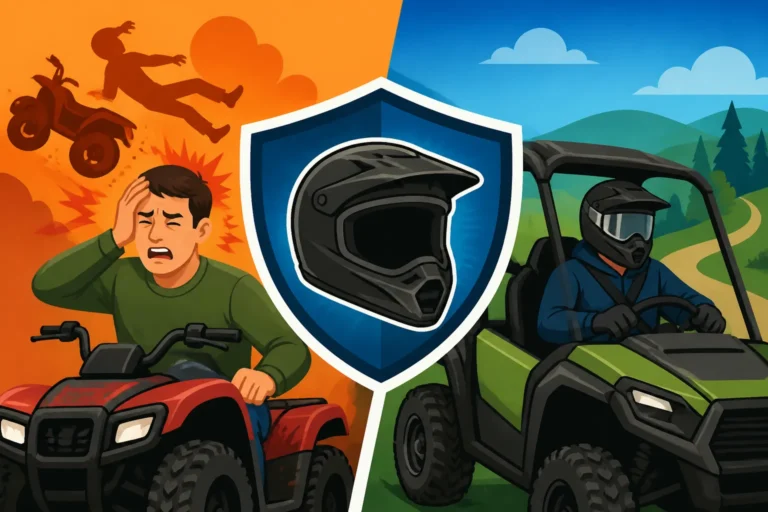
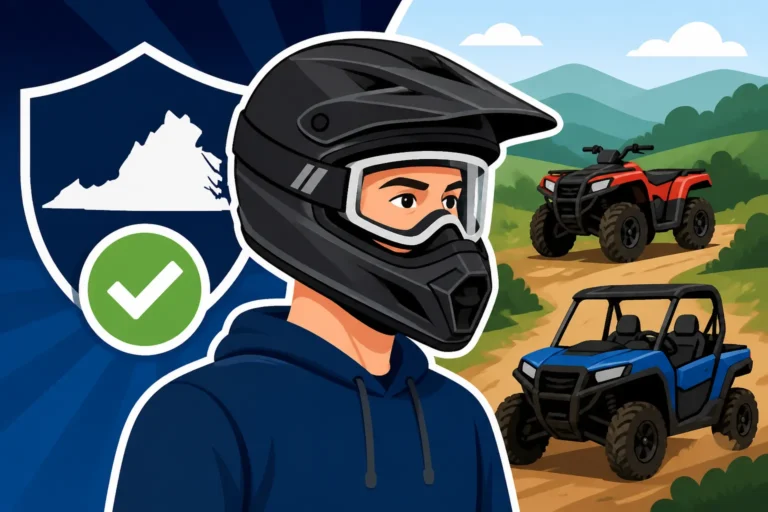
Let's start with the absolute essential: helmets. In Virginia, the law is unequivocally clear: [Virginia Helmet Law Applies to Every Rider] of an ATV or UTV, regardless of age or whether they are operating or riding as a passenger. This means if you have a child on your UTV, they must wear a DOT-approved helmet that fits them properly. There's no exception for kids, even if you're just riding slowly on your own private land.
A properly fitting helmet is crucial. It shouldn't wiggle around, but it also shouldn't be so tight that it's uncomfortable. Many specialty shops offer youth-sized helmets, and it's worth investing in one that meets safety standards. This isn't a piece of equipment to skimp on or buy used without careful inspection. The brain is the most vulnerable part of the body, and a good helmet can prevent catastrophic injuries. As a responsible adult, wearing your own helmet sets a powerful example for the child, reinforcing that safety is a serious priority for everyone.
Eye Protection, Gloves, and Sturdy Clothing
While helmets take center stage, other protective gear is equally vital for child passengers. Eye protection is an absolute must. Goggles or a helmet with a face shield will protect against kicked-up dust, dirt, mud, insects, and low-hanging branches. Even a small piece of debris in the eye can cause a child to flinch, distract the driver, or lead to a serious injury.
Gloves, even lightweight ones, can protect little hands from scrapes, blisters, and impacts. Children instinctively reach out, and gloves provide a layer of defense. Finally, sturdy, long-sleeved shirts and long pants are paramount. They act as a barrier against abrasions, cuts, and scrapes from branches, rocks, or a fall. Avoid loose-fitting clothing that could snag. Closed-toe shoes or boots are also essential to protect feet, which are otherwise vulnerable. Think about how much you protect yourself, and extend that same level of care to your child.
Enhancing Passenger Safety with Aftermarket Accessories
For UTVs, which are legally capable of carrying passengers, there are many aftermarket accessories that can significantly enhance safety, especially for children. While the machine might come with standard seatbelts, some parents opt for five-point harnesses for younger or smaller children, which provide a more secure fit and prevent them from sliding around during bumpy rides. Aftermarket grab handles, securely mounted, can give a child passenger an extra point of stability to hold onto, making them feel more secure.
Brands like SuperATV offer a range of products designed to improve the safety and comfort of your UTV. This could include stronger roll cage components, robust doors to prevent limb ejection, or even specialized child seats that integrate securely into the UTV's frame. While not always legally required, these modifications demonstrate a commitment to safety beyond the bare minimum. Always ensure any aftermarket accessory is installed correctly and doesn't compromise the UTV's original safety design or structural integrity. Remember, the goal is to make the experience as safe and enjoyable as possible for everyone.
Practical Scenarios and Avoiding Common Pitfalls
Navigating the world of ATV and UTV riding with children means more than just knowing the rules; it means applying them intelligently to real-world situations and being aware of potential mistakes many riders make. Planning ahead can save you from legal trouble and, more importantly, keep your family safe.
The Family Trail Ride: Planning for Multiple Passengers
Imagine planning a big family outing to a place like the Spearhead Trails or Peters Mill Run. If you have several children who want to ride, the single-rider ATV rule immediately means you'll need multiple machines designed for passengers. This often translates to bringing several UTVs, or perhaps a mix of two-up ATVs (if that's what you have) and UTVs, ensuring everyone has a designated, safe seating position. It's simply not feasible, or legal, to try to cram everyone onto one or two machines.
When riding in a group with children, designate a lead rider and a sweep rider. The lead rider sets a safe, manageable pace suitable for the least experienced or youngest passenger, avoiding obstacles that might be too jarring. The sweep rider follows at the very end to ensure no one gets left behind or encounters trouble unnoticed. Communication, whether through hand signals or helmet-mounted comms systems, is key to managing a successful and safe family ride. Plan frequent stops for water, snacks, and restroom breaks, as children's attention spans and endurance are often shorter than adults'.
Farm Use vs. Recreational Use: The Nuance of Passenger Rules
Virginia law, under [Virginia Farming and Household Exceptions], does provide some leeway for ATVs and UTVs used for agricultural purposes or household chores. On your own private land, you might be able to use an ATV or UTV in ways that would be illegal on public trails, such as crossing a field to check on livestock. However, it's a common pitfall to assume these exceptions extend to carrying child passengers in an unsafe manner.
While a farmer might legally transport a child on an ATV to, say, open a gate on their private property, the spirit of the law and, crucially, the safety principles of carrying a passenger, still apply. An exception for farm use is not a blank check to ignore common-sense safety. You wouldn't put your child in a precarious position for farm work, and the same caution should be applied when they are simply riding along. The best practice remains to use a machine designed for passengers, with all appropriate safety gear, even if you are on private property and performing an exempted task. Don't let the nuances of a farm exemption lead to a dangerous situation for a child.
What an Officer Can Ask For and How to Be Prepared
If you encounter law enforcement while riding, especially on public access trails or during a permitted road crossing, it's important to know what an officer might ask for. They'll typically want to see proof of your trail permit (if applicable), driver's license (for operators), and possibly proof of ownership for the machine. When a child is present, their focus will undoubtedly shift to passenger safety.
An officer will be checking that the machine is indeed designed to carry a passenger, that the child is wearing a DOT-approved helmet, and that they appear to be properly secured. They might inquire about the child's age to ensure it aligns with any manufacturer recommendations. Being prepared means having your documentation in order, ensuring all safety gear is worn correctly, and confidently explaining that you are adhering to Virginia's regulations. For a broader understanding of what an officer might request, refer to [What an Officer Can Ask For at a Trailhead]. Being knowledgeable and compliant goes a long way in ensuring a smooth interaction and, more importantly, a safe ride for everyone.
Here's a quick reference table to help clarify passenger rules for different machine types in Virginia:
| Machine Type | Designed for Passenger? | Virginia's General Rule for Passengers | Key Safety Considerations |
|---|---|---|---|
| Traditional ATV (Single Rider) | No | Illegal to carry a passenger. | Balance, control, manufacturer's warning. |
| Two-Up ATV (Extended Seat) | Yes | Permitted if designed for two. | Rider skill, child's ability to hold on. |
| Utility Vehicle (UTV/Side-by-Side) | Yes | Permitted in designated seating positions. | Seatbelts, roll cage, manufacturer age limits. |
Disclaimer
This article is for general informational purposes only and does not constitute professional advice. Laws, prices and regulations vary by location and change over time. Consult a qualified professional for guidance on your specific situation.