Virginia Machines Used Only in a Yard
Many folks in Virginia own an ATV or a UTV primarily for work around their property – maybe hauling firewood, moving feed, or just buzzing around a large yard. It's easy to assume that because the machine never leaves your land, it doesn't need to be titled. This assumption can lead to some unexpected headaches down the line, especially if you ever decide to sell it or if there's an ownership dispute. This guide will walk you through Virginia's titling requirements for ATVs and UTVs, specifically addressing those machines that seemingly live out their entire lives within the confines of your own yard.
Understanding Virginia's Core ATV Titling Requirements
When it comes to the legalities of owning an ATV or UTV in Virginia, one of the biggest points of confusion often revolves around titling. Many owners of machines used strictly on private property feel like they exist in a gray area, but the state has fairly clear rules, even if they sometimes feel counterintuitive for a machine that never sees a public road.
The 50cc Rule and its Implications
Virginia has a pretty clear line in the sand when it comes to titling: the 50cc engine displacement rule. If your ATV or UTV has an engine size of 50cc or more, it generally falls under the titling requirements, regardless of where you plan to use it. This often surprises owners of smaller utility vehicles or youth quads that might feel like toys but are, in the eyes of the law, substantial enough to warrant a title. It's not about how fast it goes or if it ever touches a public road; it's about the engine's size.
Think of it this way: your riding lawnmower, despite having an engine, probably isn't 50cc or more, and it's clearly just for yard work. But many entry-level ATVs, even those designed for kids, can easily exceed this threshold. A machine bought new since 2006 with an engine over 50cc is expected to have a title. [Virginia Titles Required on Machines Over 50cc] This means that even if you bought a shiny new utility vehicle from a dealer, and its sole purpose is to haul mulch across your sprawling lawn, the dealer would typically process the titling paperwork for you, just like they would for a machine destined for the trails.
The intent behind this rule is to establish clear ownership and provide a paper trail, which is crucial for preventing theft and for proper transfer of ownership. Without this basic framework, a lot of confusion and potential fraud could arise. So, while your machine might be a "yard ornament" in practice, legally, it often has the same foundational titling requirements as its trail-riding cousins.
New vs. Used Machines and the 2006 Cutoff
Virginia's titling laws also distinguish between new and used machines, and there's a significant date to remember: July 1, 2006. If your ATV or UTV with an engine over 50cc was purchased new on or after this date, then titling is mandatory. The original dealer would have initiated this process, providing an MSO (Manufacturer's Statement of Origin) which is the bedrock for the initial title application. [Virginia's July 2006 Titling Cutoff] This is why when you purchase a brand-new side-by-side from a dealership, even if you explicitly tell them it's "just for the farm," they will still handle the titling paperwork for you.
Now, for used machines, the situation gets a little more flexible. If you purchased a used ATV or UTV, regardless of its engine size or the year it was manufactured, titling it in Virginia is generally optional. This can be a huge relief for many folks who pick up an older quad from a private seller for a good price, planning to use it strictly around their property. [Virginia Titles Are Optional on Used Machines] However, "optional" doesn't always mean "unnecessary," and we'll dive into why you might still want a title for that yard-only machine, even if it's not legally mandated.
This distinction creates a bit of a gray area, especially if you're buying a used machine that was originally purchased new after 2006. In that case, the machine should have an existing Virginia title. If it doesn't, that's a red flag you'll need to address, potentially through affidavits and careful documentation, even for a yard-only machine.
Why "Yard Use Only" Doesn't Automatically Exempt You From Titling
It's a common, understandable leap of logic: if my ATV never leaves my property, why would the state care about it? But Virginia's titling laws aren't solely concerned with road use; they're also about establishing clear ownership and a paper trail for valuable assets.
The Importance of a Paper Trail for Private Sales and Inheritance
Even if your ATV or UTV stays within your property lines its entire life, life happens. You might eventually want to sell it, gift it to a family member, or perhaps it becomes part of your estate. Without a title, these processes can become unnecessarily complicated, even for a "yard-only" machine. When it comes time to sell, a buyer will almost always prefer a machine with a clear title, even if they also plan to use it just in their yard. A title makes the transaction smooth and gives both parties peace of mind.
Consider you're selling a used quad that you've only ever used to haul brush around your backyard in Charlottesville. If you never bothered to title it because it was "just for the yard," a potential buyer might be hesitant without a clear document of ownership. They might worry it's stolen, or that they'll have trouble if they ever decide to title it or sell it themselves. Even for optional titling, many savvy buyers will insist on a proper bill of sale or even request a notarized affidavit from the seller, sometimes prepared with online tools like those offered by LawDepot, to help establish the chain of ownership.
The same goes for inheritance. If a loved one passes away and leaves an untitled ATV behind, their heirs might face hurdles proving ownership and legally transferring the machine. A title, even for a yard machine, simplifies the estate process significantly, avoiding potential disputes among beneficiaries or delays in settling the estate. [Virginia Titles for an Inherited Machine]
Protecting Your Investment from Theft or Disputes
While you might think a machine confined to your yard is less prone to theft, sadly, ATVs and UTVs are common targets, even when stored on private property. A title serves as the ultimate proof of ownership. If your "yard-only" machine is stolen, law enforcement and insurance companies will rely heavily on that title to help recover it and process any claims. Without it, proving you were the rightful owner can be a bureaucratic nightmare.
Imagine your valuable side-by-side, which you only use to maintain your extensive garden, is stolen from your locked shed in the middle of the night. If it's titled in your name, you have a solid document to present to the police and your insurance provider. If it's untitled, and you only have an old bill of sale, the process of proving ownership could be much more protracted and difficult. This is a real-world scenario where a title pays for itself in peace of mind.
Furthermore, a title helps resolve disputes. If a neighbor claims ownership, or if there's ever a question about who legally owns the machine, the Virginia title in your name is virtually irrefutable evidence. It eliminates guesswork and provides a clear legal standing, protecting your investment.
Practical Steps for Titling Your Yard-Only Machine in Virginia
Even if your ATV or UTV primarily serves a purpose within your own yard, going through the titling process can save you a lot of headaches down the road. It's not as daunting as it might seem, especially when you gather your documents beforehand.
Gathering Your Essential Documents
If you've decided to title your ATV or UTV, even if it's just for yard use, the process is straightforward, provided you have the right paperwork. The primary document for a new machine is the Manufacturer's Statement of Origin (MSO), often called a Certificate of Origin. This is basically the "birth certificate" for your machine, provided by the dealer. For a used machine, you'll need the previous owner's signed-over Virginia title, or if it was from out of state, an out-of-state title. [The MSO You Need to Title a New Quad]
Beyond the MSO or previous title, you'll also need a bill of sale, especially for a used machine, that clearly states the purchase price and details of the transaction. Even if the sale was informal, it’s wise to have a written agreement. Online resources like LawDepot can help you generate a professional and legally sound bill of sale that captures all necessary details. Don't forget proof of identity (like a valid driver's license) and proof of your Virginia address.
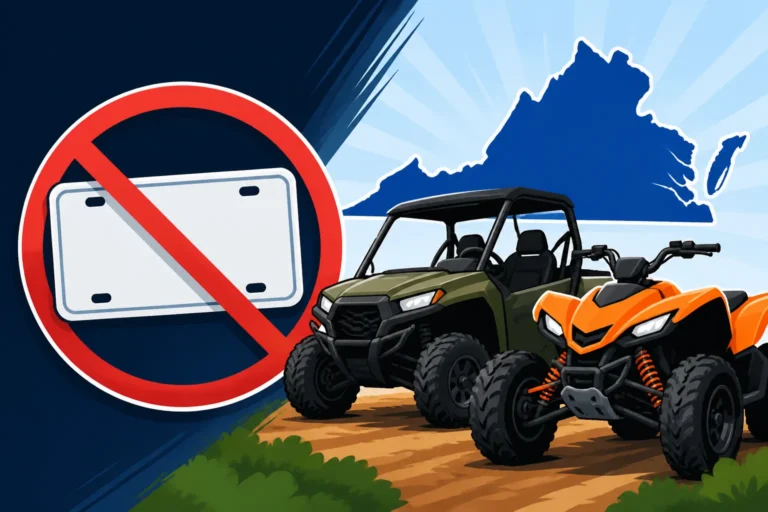
Finally, you'll need to complete the Virginia Department of Motor Vehicles (DMV) application for title and registration, typically Form VSA 17A. While this form also covers registration, remember that ATVs and UTVs in Virginia are titled but not registered for road use, meaning no license plates or yearly stickers. [Virginia Titles ATVs but Never Registers Them] So you're filling it out just for the title portion.
Navigating the Titling Process at the DMV
Once you have all your documents in order, you have a couple of options for titling your machine. The most common is to visit a Virginia DMV customer service center in person. This allows you to have a clerk review your paperwork on the spot and correct any issues. Be prepared for a small fee for the title itself, which is typically a modest amount. [Virginia Title Fee of $15]
When you're at the DMV, clearly state that you are there to title an ATV or UTV and that you understand it does not involve road registration. The clerk will verify your documents, collect any applicable sales tax based on the purchase price or book value (unless an exemption applies, like for certain farm uses, which you'll need to prove with specific forms), and process your application. You'll usually receive a temporary ownership document, and the official title will be mailed to you within a few weeks. [Titling an ATV in Person at a DMV Office]
Alternatively, if you prefer to avoid the DMV office, you can mail your application and supporting documents to the DMV headquarters in Richmond. This option requires meticulous attention to detail to ensure all forms are correctly filled out, signed, and notarized if required. Ensure you send copies of sensitive documents and keep the originals until your title arrives.
Handling Missing Paperwork or Special Situations
What if you bought a used machine for your yard and the previous owner can't find the old title, or perhaps they never titled it themselves? This is a common situation, especially with older machines passed down through families or bought in casual sales. Don't despair, there are still paths forward. You might need to use a notarized affidavit, specifically Form VSA 12M, Affidavit in Lieu of Title Certificate. This form, once properly filled out and notarized, can sometimes serve as proof of ownership when the original title is missing. [Virginia Form VSA 12M Affidavit]
When completing an affidavit, accuracy is key. You'll need to provide as much detail as possible about the machine, including the VIN, and explain how you acquired it. Having a witness or a robust bill of sale (again, LawDepot can assist with drafting such documents) can strengthen your claim. Sometimes, depending on the circumstances, the DMV may require additional evidence or a waiting period. It's always best to call the DMV ahead of time if you're in this situation to confirm their exact requirements.
Remember, even for a machine strictly used in your yard, establishing this paper trail is crucial. If you ever want to sell it, a future buyer will appreciate the clarity. While [Virginia Titles Are Optional on Used Machines], a lender would likely require a title if you financed the purchase. So, even for that old workhorse you only use to pull a trailer around your farm, getting its ownership squared away is a smart move.
When Titling Truly Isn't Required for a Yard Machine
While it's often a good idea to title your ATV or UTV for the reasons discussed, there are indeed specific situations where Virginia law doesn't compel you to do so, even if you never use it beyond your private property.
Machines Under 50cc and Why They're Different
As we touched on earlier, the 50cc rule is critical. If your ATV or UTV has an engine displacement of less than 50 cubic centimeters, then Virginia law generally does not require it to be titled. This primarily covers very small youth quads or certain specialized garden utility machines that fall below this threshold. For these truly small machines, often designed for younger riders or very light-duty tasks, the DMV considers them more akin to motorized scooters or specific lawn equipment rather than requiring a full vehicle title.
Consider a small electric quad designed for a young child, or a gas-powered mini-ATV with an engine well under 50cc. These machines are unequivocally "yard-only" due to their size and power, and Virginia's titling laws reflect that by excluding them. You wouldn't title your electric golf cart or a zero-turn mower, and similarly, these smaller ATVs often fall into that same category for titling purposes. [ATVs Under 50cc Do Not Need a Title]
However, even for these machines, keeping a bill of sale and clear ownership records is still a good practice. While a formal state title isn't mandated, having private documentation can still help resolve disputes or facilitate a future private sale, demonstrating responsible ownership.
Machines Bought New Before July 1, 2006, Over 50cc
Here's another specific scenario where a title isn't technically mandated: if your ATV or UTV, even if it's over 50cc, was purchased new before July 1, 2006. Prior to that date, Virginia did not require titles for new ATVs, regardless of engine size. So, if you're the original owner of a machine bought new in, say, 2005, and it has always been used solely in your yard, you would not have been required to title it initially.
This situation mainly applies to long-time owners who've had their machines for nearly two decades or more. If you inherited such a machine, or bought it used, and it falls into this pre-2006 new purchase category, then it probably never had a Virginia title, and the law doesn't compel you to get one now. [A Machine Bought New Before the 2006 Cutoff] It's important to differentiate this from a used machine bought after 2006 that should have had a title initially.
Again, even in this case, for clarity and ease of future transactions, having robust documentation like a detailed bill of sale or a notarized statement (perhaps drafted using a tool like LawDepot) proving your acquisition and the machine's age can be incredibly valuable. While not legally required for title, it demonstrates good record-keeping and can prevent future headaches.
The "Optional" Nature of Titling for Most Used Machines
Let's reiterate one of the most important points for yard-only machines: for most used ATVs and UTVs, titling in Virginia is optional. This applies whether the machine is 51cc or 1000cc, whether it's a sport quad or a utility vehicle. If you acquire a machine that has already had a previous owner (or several), you are not legally compelled by the state of Virginia to title it. This often comes as a relief to buyers of budget-friendly, older machines that are destined for strictly private property use.
Many people will buy a used quad from a friend or through an online marketplace, planning to use it around their private property or hunting lease in the mountains. Because it's a used machine, they aren't forced to go through the titling process. This can save a small amount in fees and the hassle of a DMV visit. However, as discussed, "optional" does not mean "without benefit." [Why Titling a Used Quad Is Optional in Virginia]
Even if the state doesn't demand a title for your used, yard-only machine, consider the advantages: clear ownership, easier resale, protection against theft, and smoother inheritance. For just a small fee, the peace of mind and legal clarity provided by a title, even for a machine that never leaves your fence line, is often well worth it. You might not need it for your daily tasks, but it's a powerful document to have in your back pocket for those "just in case" moments.
Here's a table summarizing the titling requirements for a yard-only machine:
| Scenario | Engine Size | New/Used | Purchase Date | Titling Required? | Notes |
|---|---|---|---|---|---|
| Brand New Machine | 50cc and Over | New | On or after 7/1/06 | Yes | MSO from dealer is required. |
| Brand New Machine | Under 50cc | New | Any date | No | Generally treated as non-titled equipment. |
| Used Machine (Original Title Exists) | 50cc and Over | Used | Any date | Optional | Highly recommended for proof of ownership, resale. |
| Used Machine (Original Title Missing) | 50cc and Over | Used | Any date | Optional | May require VSA 12M affidavit, still recommended. |
| Original Owner of Pre-2006 Machine | 50cc and Over | New | Before 7/1/06 | No | Was not required to be titled when new. |
| Used Machine (No Prior Virginia Title) | 50cc and Over | Used | Before 7/1/06 | Optional | If never titled, still optional for subsequent owners. |
Disclaimer
This article is for general informational purposes only and does not constitute professional advice. Laws, prices and regulations vary by location and change over time. Consult a qualified professional for guidance on your specific situation.