Virginia Form VSA 12M Affidavit
Oh, the joys of buying or inheriting an ATV in Virginia only to realize the paperwork is… well, let's just say "less than complete." It's a truly frustrating situation when you've got a fantastic machine ready for the trails, but you're stuck in limbo because a title went missing somewhere along the line. This guide is all about tackling that very problem, specifically by demystifying Virginia Form VSA 12M, the Affidavit in Lieu of Title, and showing you exactly how it can be your saving grace to get your off-road vehicle properly titled.
Understanding the Virginia Form VSA 12M Affidavit
Let's face it, official state forms can feel like they're written in another language, designed more to confuse than to help. But when you're staring at a perfectly good ATV or UTV with no title in sight, Virginia Form VSA 12M becomes one of the most important pieces of paper you'll ever handle. It's not just a random document; it's a bridge between a missing title and legitimate ownership, crucial for anyone trying to navigate the sometimes murky waters of vehicle paperwork.
The Problem of Missing ATV Paperwork
You’ve found what seems like the perfect used quad—maybe from a friend of a friend, a barn find, or even inherited from a distant relative. The price is right, the machine runs, and visions of mountain trails are dancing in your head. Then comes the inevitable question: "Where's the title?" And the answer? "Oh, I don't know, it got lost years ago," or "We never titled it, it was just for the farm." This scenario is incredibly common with off-road vehicles, especially older ones, because for many years, titling ATVs wasn't consistently enforced or even required in Virginia for certain types of sales. The result is a lot of untitled machines floating around, creating a headache for current and future owners. Without a title, proving ownership, especially for potential resale, can be nearly impossible, and it can also complicate things if you ever need to file an insurance claim or, in some cases, even take it to a trail system that requires proof of ownership.
What Form VSA 12M Actually Does
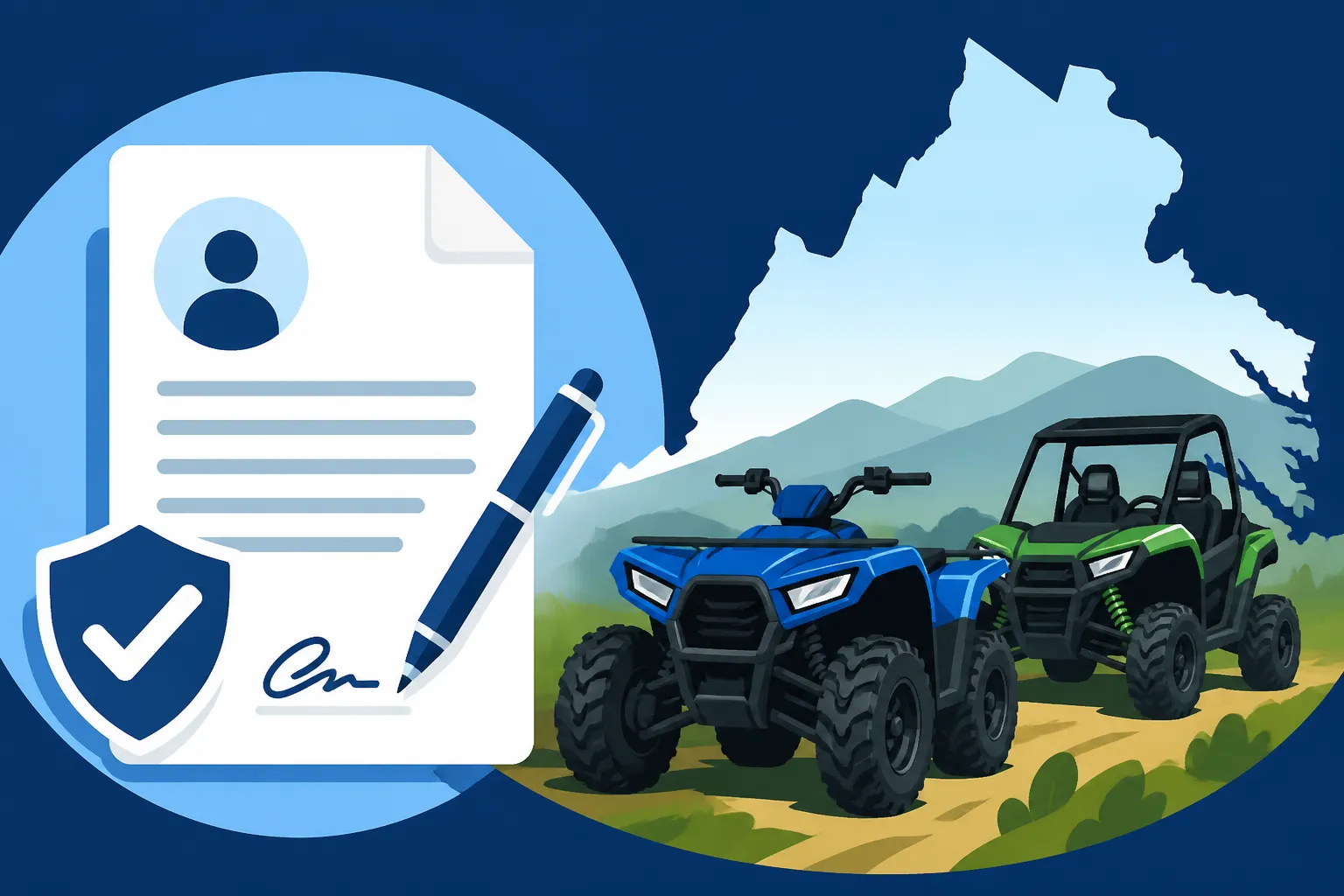
At its heart, Form VSA 12M, officially called the "Affidavit in Lieu of Title," is a sworn statement. You, as the applicant, are essentially telling the Virginia Department of Motor Vehicles (DMV) under oath that you are the rightful owner of the ATV or UTV, even though you don't have a physical title to present. It's a legal document designed to cover situations where the original title is genuinely unavailable—lost, destroyed, or never issued in the first place. This affidavit asks for specific details about the machine, how you acquired it, and why the title isn't present. It's the DMV's way of giving you a path forward when the traditional paper trail has run dry, recognizing that legitimate transactions sometimes happen without every piece of official documentation perfectly in place. It's a formal declaration of your ownership, backed by the weight of a notarized signature.
When You'll Encounter VSA 12M
So, when exactly does this form become your best friend? Most often, you'll encounter the need for VSA 12M when you're trying to title an ATV or UTV that you've purchased from a private seller and they can't produce a title. This is particularly prevalent with older machines or those that have changed hands many times within families or close-knit communities. You might also need it if you've recently moved to Virginia with an ATV you've owned for years, and while you have proof of purchase, the original title from another state is long gone. Even if you simply misplaced your own title and need a replacement, but can't get a duplicate because of some technicality, this form can sometimes be used as a last resort, though a direct duplicate title request is usually the first step for a lost title when you were the registered owner. The key is that the absence of a title is the primary reason for its use. [Virginia Notarized Affidavits in Lieu of Title] are a specific solution to a very common problem.
When You Absolutely Need to Use VSA 12M
There are distinct situations where Form VSA 12M isn't just an option, but a critical necessity for titling your ATV or UTV in Virginia. These are the moments when you realize that without this specific affidavit, your dreams of legitimate ownership might remain just that—dreams. It's crucial to understand these scenarios so you don't waste time or effort pursuing other, less effective avenues.
Buying a Used ATV Without a Title
This is perhaps the most common scenario for needing VSA 12M. Imagine you're buying a used quad from a private seller in rural Virginia. They tell you it's been on their property for years, used for hunting or chores, and they simply never got around to titling it. Or maybe they bought it used themselves, and the previous owner never had a title either. Since [Virginia Used ATVs Need No Title] in many cases, especially if they were bought used before the July 2006 titling cutoff, this situation crops up all the time. The seller can provide a bill of sale, perhaps, but no title. The DMV, in turn, needs something more official than just a bill of sale to issue a new title in your name. That's where VSA 12M steps in. It serves as your sworn declaration of how you acquired the machine and the reason the title is absent, allowing the DMV to process your titling application. It essentially creates the necessary paper trail where none previously existed.
Inheriting an ATV With No Paper Trail
Dealing with an estate is already complicated enough, but when an ATV or UTV is part of the inheritance, and the deceased owner never had it titled, it adds another layer of complexity. You want to honor their memory by using or selling the machine, but you're stuck without the proper documentation. The estate documents might show you're the rightful heir, but the DMV still needs to connect that ownership to the physical machine, especially if no prior title exists in their records. In these cases, VSA 12M becomes indispensable. You, as the inheritor, can complete the affidavit, attesting to how the machine came into your possession (through inheritance) and explaining the lack of a traditional title. This helps establish your legal claim and allows the DMV to proceed with issuing a title in your name. Without it, you'd be hard-pressed to legally transfer ownership.
Titling an Old Quad to Prove Ownership
Many riders in Virginia own older ATVs or UTVs that predate strict titling requirements or were simply never titled because they were only used on private land. You might have bought one years ago, or maybe it’s been in your family for decades, passed down from one generation to the next. Now, perhaps you want to sell it, or you need to get it insured, or you plan to ride on a trail system that requires proof of ownership, like one of the Spearhead Trails systems. Suddenly, that missing title becomes a huge hurdle. This is where [Titling an Old Quad to Prove You Own It] with a VSA 12M affidavit makes perfect sense. By filling out the form, providing details about the machine's history (to the best of your knowledge), and getting it notarized, you can finally establish an official record of ownership with the state. This can prevent future headaches and provide peace of mind that your treasured machine is legally yours.
Filling Out the VSA 12M Affidavit Correctly
Completing any official form can feel like walking a tightrope, and Virginia Form VSA 12M is no exception. A small error, a missed signature, or an incomplete section can send you right back to square one. Taking your time and understanding each part of the form is paramount to a smooth titling process. Remember, you're building a legal case for your ownership, so precision matters.
Key Sections and What to Input
Virginia Form VSA 12M is fairly straightforward, but each field serves an important purpose. You'll need to accurately provide details about the vehicle itself: the year, make, model, and crucially, the Vehicle Identification Number (VIN). Double-check the VIN directly on the frame of your ATV or UTV, not just from a faded old bill of sale, to ensure it’s absolutely correct. Then, you'll need to detail how you acquired the vehicle, whether through purchase, gift, inheritance, or another method. If it was a purchase, you'll include the seller's name and address. There's also a section where you explain why the title is unavailable – perhaps it was lost, destroyed, or never issued. Be concise but clear in your explanation. Finally, you'll attest to your ownership, confirming that there are no liens against the vehicle and that you are indeed the rightful owner. Don't forget your personal information as the applicant, including your full legal name and address.
The Importance of Accurate Information
This cannot be stressed enough: the information you provide on VSA 12M must be 100% accurate and truthful. Since you are signing this affidavit under oath (and it will be notarized), any false statements can have serious legal repercussions. This isn't just about getting your title; it's about making a sworn declaration to the state. Incorrect VINs, wrong dates of acquisition, or misrepresenting how you obtained the vehicle can lead to your application being rejected, potential fines, or even more severe penalties. If you're unsure about a piece of information, do your best to research it, consult with the seller if possible, or explain any gaps in your knowledge in the explanation section. For instance, if you bought a machine 20 years ago and the exact date is fuzzy, state that you're providing the approximate month and year. Services like LawDepot, while not providing the VSA 12M itself, emphasize the importance of accuracy in all legal documents, a principle that certainly applies here.
Common Mistakes to Avoid When Completing the Form
One of the most frequent errors is an incomplete form. Make sure every single applicable blank is filled in. Another common mistake is providing a VIN that doesn't match the physical vehicle. It's easy to transpose numbers or misread a worn VIN plate, so take extra time on this detail. People also sometimes fail to adequately explain the absence of the title. A simple "lost" might not be enough; a brief sentence about when it was lost or why it was never obtained can be helpful. Forgetting to sign the form before seeing the notary, or having someone else sign it, will also cause problems. The person whose name is on the affidavit must be the one to sign it in front of the notary. Finally, don't confuse this form with [Virginia Form VSA 17A Explained], which is used for different scenarios like abandoned vehicles or mechanic's liens. Each form has its specific purpose, and using the wrong one will just cause delays.
The Critical Role of Notarization
Think of notarization as the DMV's way of ensuring that the person signing Form VSA 12M is truly who they say they are, and that they're signing it willingly and knowingly. It adds a layer of legal legitimacy and protection to the document. Without a proper notary seal and signature, your VSA 12M affidavit is essentially just a piece of paper you signed yourself, and the DMV won't accept it.
Why Notarization Isn't Optional
When you sign a document "under oath" or "under penalty of perjury," the state wants a neutral, trusted third party to witness that signature. That's precisely the role of a notary public. A notary verifies your identity (usually with a government-issued photo ID), witnesses you signing the document, and confirms that you appear to understand what you're signing and are doing so voluntarily. They then affix their official seal and signature. This process transforms your personal statement into a legally recognized affidavit, giving it the weight and credibility the DMV requires. It acts as an assurance that you haven't simply scribbled down some information and called it a day; rather, you've formally declared the truth of your statements in a recognized legal manner. This safeguard helps prevent fraud and ensures the integrity of vehicle ownership records.
Finding a Notary Public for VSA 12M
Finding a notary public is generally quite easy, even in more rural parts of Virginia. Many banks and credit unions offer notary services to their customers, often free of charge. Just call ahead to make sure a notary will be on duty when you plan to visit. UPS Stores and other shipping service centers often have notaries available for a small fee. Law offices, real estate offices, and even some public libraries might also offer notary services. If you're in a pinch, a quick online search for "[Where to Find a Notary for a VSA 12M]" followed by your town or county will usually bring up several options. Don't forget that many Virginia DMV customer service centers also have notaries on staff who can notarize documents being submitted to the DMV, though it's always wise to confirm their availability before you go.
What to Bring to the Notary
To ensure a smooth notarization process, always arrive prepared. The absolute most important thing to bring is a valid, unexpired government-issued photo identification. This could be your Virginia driver's license, a state ID card, or a passport. The notary must verify your identity, and they cannot notarize your signature without proper ID. Secondly, bring the completed (but unsigned) VSA 12M form. You will need to sign it in front of the notary. Do not sign it beforehand, as the notary must witness your signature. Lastly, it’s a good idea to bring any required payment if the notary charges a fee. Having everything ready will make the process quick and efficient, getting you one step closer to titling your ATV.
Submitting Your VSA 12M Affidavit to the DMV
Once you have your perfectly filled out and notarized VSA 12M, you're in the home stretch! But don't just shove it in an envelope and hope for the best. The Virginia DMV requires a few other pieces of documentation to complete the titling process, and understanding how to submit everything correctly will save you a lot of grief.
Required Supporting Documents Beyond VSA 12M
Your notarized VSA 12M is a crucial piece, but it's rarely the only document you'll need. The DMV will still require a bill of sale or other proof of purchase to establish the transaction details, even if it's a simple, handwritten one. This bill of sale should clearly identify the buyer, seller, date of sale, purchase price, and a description of the ATV or UTV, including its VIN. You'll also need to pay the applicable titling fees and any sales tax. Remember, [Virginia Titles ATVs but Does Not Register Them] for street use, but the title is still an official record of ownership. The DMV also requires proof of your Virginia residency, typically a driver's license or another form of identification with your current address. For a comprehensive list, it's always a good idea to consult the DMV's official checklist or review resources like [What to Bring to the DMV to Title a Quad]. Sometimes, depending on the specifics of your situation, they might ask for additional documents or clarifications, especially if the history of the machine is particularly obscure.
In-Person vs. Mail Submission for Titling
You generally have two main options for submitting your titling application with the VSA 12M: in person or by mail. Visiting a DMV Customer Service Center in person often allows for immediate review of your documents. If there are any discrepancies or missing items, a clerk can usually point them out on the spot, potentially preventing delays. This can be especially helpful with a complex application like one involving a VSA 12M. You'll walk out knowing your application is complete, or at least understanding what else is needed.
Alternatively, you can mail your application to the DMV's central processing unit. This is convenient if a DMV office is far away or if your schedule makes an in-person visit difficult. However, if anything is missing or incorrect, it can lead to significant delays as the DMV will mail the application back to you for corrections. Make sure to send it with tracking and keep copies of everything you submit for your records. Consider the urgency and complexity of your situation when choosing between these two methods.
What to Expect After Submission
Once you've submitted your complete application, including the VSA 12M, the waiting game begins. The DMV will process your application, verifying the information provided. If everything is in order, they will issue a new Virginia ATV title in your name. [Virginia Title Processing Time] can vary, but generally, it takes a few weeks for the title to arrive in the mail. During this time, you might not receive any updates, so be patient. If there are any issues or questions, the DMV will typically contact you by mail. It's rare for them to deny an application outright if all documentation is correctly provided, but they may request further clarification or additional proof if something seems amiss. Make sure your contact information on the forms is accurate so they can reach you if needed.
Situations Where VSA 12M Might Not Be Enough (or Applicable)
While Virginia Form VSA 12M is a lifesaver for many, it's not a universal solution for every titling conundrum. There are specific circumstances where this affidavit might not be the right tool for the job, or where additional steps or different forms are required. Understanding these limitations is key to avoiding frustration and wasted effort.
When a Bill of Sale Is Preferable or Required
Even when using VSA 12M, a clear, detailed bill of sale is almost always a necessary supporting document. The VSA 12M affidavit explains why you don't have a title, but the bill of sale explains how you acquired the machine. If you're buying a used ATV from a private seller, and they do have the title, then a properly completed and signed-over title, along with a bill of sale, is all you need. In this scenario, VSA 12M is completely unnecessary. The DMV primarily relies on the physical title to transfer ownership. Even if you're using VSA 12M because the title is lost, a strong bill of sale strengthens your claim, providing independent proof of the transaction. For crucial transactions, crafting a detailed bill of sale using resources like LawDepot can ensure all necessary information is included, protecting both buyer and seller, and complementing your VSA 12M affidavit.
Dealing with Machines with Missing VINs
This is a tough one, and often a dead end. If an ATV or UTV has a missing, defaced, or illegible Vehicle Identification Number (VIN), it creates a much more significant hurdle than just a missing title. The VIN is the unique identifier for any vehicle, and without it, the DMV has no way to properly identify the machine or check its history. A VSA 12M affidavit requires you to provide the VIN, and if you can't, or if the number provided doesn't match what's physically on the vehicle, your application will almost certainly be rejected. In such cases, the DMV might require a vehicle inspection to try and locate a hidden VIN, or in extreme cases, they may deem the vehicle untitlable. If you encounter [Virginia Machines With No Paperwork] and a questionable VIN, it’s best to contact the DMV directly before investing time and money, as this is a much more complex issue than simply replacing a lost title.
Machines That Don't Require a Virginia Title
It's also important to remember that not all off-road vehicles in Virginia are required to have a title. Specifically, ATVs with an engine size of 50cc or less are generally exempt from titling requirements. If you own a small youth quad, for example, that falls into this category, you won't need to go through the titling process at all, let alone use a VSA 12M. Similarly, if you purchased a brand new ATV before July 1, 2006, you might not have been required to title it initially. While [ATVs Under 50cc Do Not Need a Title], and older machines might be exempt, if you ever plan to sell it or prove ownership, even an optional title can be beneficial. Always check the specific engine size of your machine before embarking on the titling process, as it could save you a lot of time and effort if it falls under the exemption.
Common Questions and Concerns About VSA 12M
It's natural to have a lot of questions when dealing with official forms and the DMV, especially something as specific as an Affidavit in Lieu of Title. Riders often worry about timelines, potential rejections, and how this unique titling method impacts their ability to sell their machine down the road. Let's tackle some of those anxieties head-on.
How Long Does the Process Take?
The total time it takes to get your new title after submitting a VSA 12M affidavit can vary. The fastest part is typically getting the form filled out and notarized, which you can often do in a single day. The real variability comes from the DMV's processing time. If you submit your application in person at a DMV Customer Service Center, the clerk can usually confirm everything is complete on the spot, which can save a lot of back-and-forth. However, the physical title itself will still be mailed to you, which usually takes anywhere from two to four weeks. If you mail in your application, add another week or two for transit time and initial processing before the official clock starts ticking. Any errors or missing documents, of course, will reset the clock as the application gets returned to you for corrections. Being thorough and accurate upfront is your best bet for a quicker turnaround.
What If My Application Is Denied?
It's a valid concern: what happens if, despite all your efforts, your VSA 12M application is denied? While outright denials are less common if you've followed all instructions and provided truthful information, the DMV might send your application back with a request for more information or clarification. This isn't necessarily a denial, but a chance to provide what's needed. They might ask for additional proof of ownership, a more detailed explanation for the missing title, or perhaps an inspection of the VIN. If you do receive a denial, the letter from the DMV should explain the specific reason. Don't despair; review their feedback carefully, gather any additional documentation they request, and re-submit. If the reason for denial is unclear, or you believe it's an error, you can always contact the DMV directly via their customer service line or visit a branch to speak with a supervisor. [Virginia Title Questions the DMV Hears] often revolve around these types of rejections, so DMV staff are usually equipped to guide you.
Can I Sell My ATV With Only a VSA 12M?
Once you've successfully used Form VSA 12M to obtain a Virginia title for your ATV or UTV, you're free to sell it just like any other titled vehicle! The VSA 12M itself isn't what you sell with; it's the document that enabled you to get a standard Virginia title. When you sell the machine, you will simply sign over the new title that the DMV issued to you, just as you would with any other titled vehicle. The historical use of the VSA 12M won't be on the new title document itself. This is why going through the titling process, even for an old, previously untitled machine, is so important for future transactions. It provides legitimate proof of ownership, making it much easier and less risky for both you and any future buyer.
Table: VSA 12M Affidavit Checklist
To help you stay organized and ensure you have all your ducks in a row, here's a handy checklist for preparing and submitting your Virginia Form VSA 12M Affidavit for titling an ATV or UTV.
| Item | Status (Check if Complete) | Notes/Tips |
|---|---|---|
| Virginia Form VSA 12M | [ ] Filled | Ensure all fields are accurately completed. Double-check VIN. |
| VSA 12M Applicant Signature | [ ] Unsigned | DO NOT SIGN until you are in front of the Notary Public. |
| Notary Public Notarization | [ ] Sealed | Must have notary's signature and official seal. |
| Valid Photo ID (for Notary) | [ ] Ready | Driver's license, state ID, or passport. Must be current. |
| Bill of Sale/Proof of Purchase | [ ] Attached | Required to establish transaction details. Include seller, buyer, date, price, VIN. |
| Proof of Virginia Residency | [ ] Attached | Driver's license with current address, utility bill, etc. |
| Titling Fees Payment | [ ] Included | Check or money order payable to "DMV" for title fee ($15) and any applicable sales tax. |
| Copies of All Documents | [ ] Made | Keep a complete set of copies for your records, especially if mailing. |
| Return Address/Contact Info | [ ] Clear | Ensure your name and address are legible on all forms for accurate mailing of the new title or any correspondence. |
| DMV Appointment (if in-person) | [ ] Booked | Recommended for in-person visits to reduce wait times. |
| Tracking for Mailed Application | [ ] Used | Highly recommended if submitting by mail to confirm delivery. |
Disclaimer
This article is for general informational purposes only and does not constitute professional advice. Laws, prices and regulations vary by location and change over time. Consult a qualified professional for guidance on your specific situation.