When a Legal Route Ends at a Property Line
Property line rules and official maps help ATV riders recognize where legal route access ends and trespassing begins.
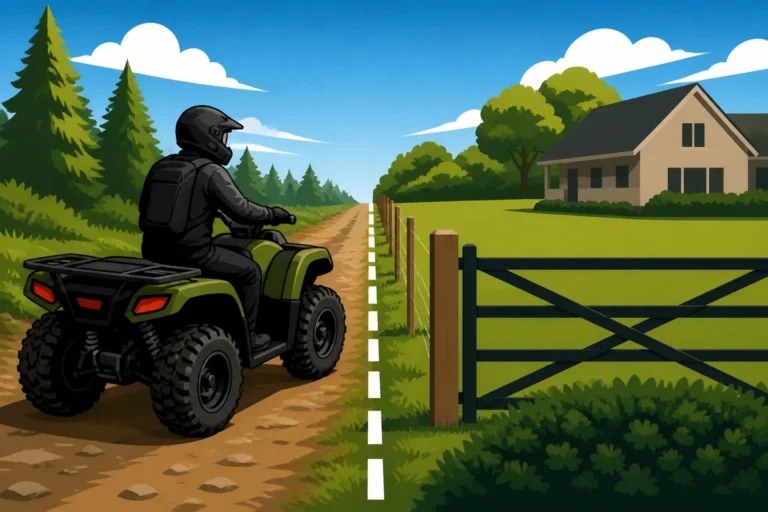
Property line rules and official maps help ATV riders recognize where legal route access ends and trespassing begins.
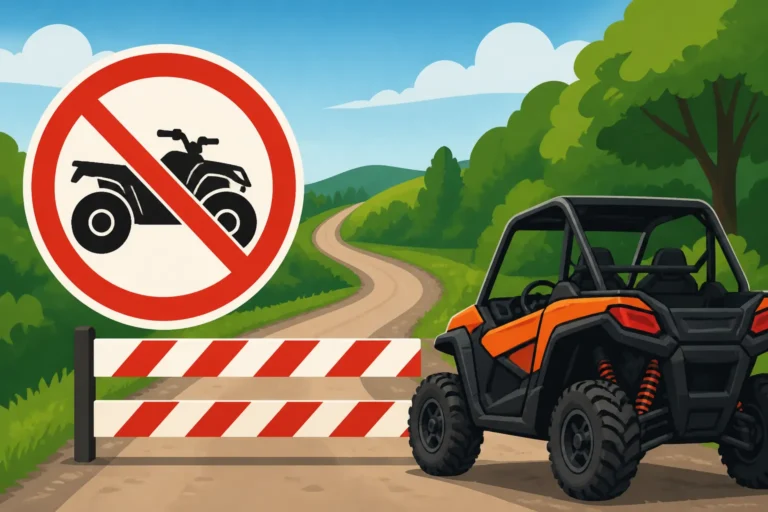
Virginia county road rules and narrow exceptions explain why off-road vehicles cannot legally use public highways without designation.
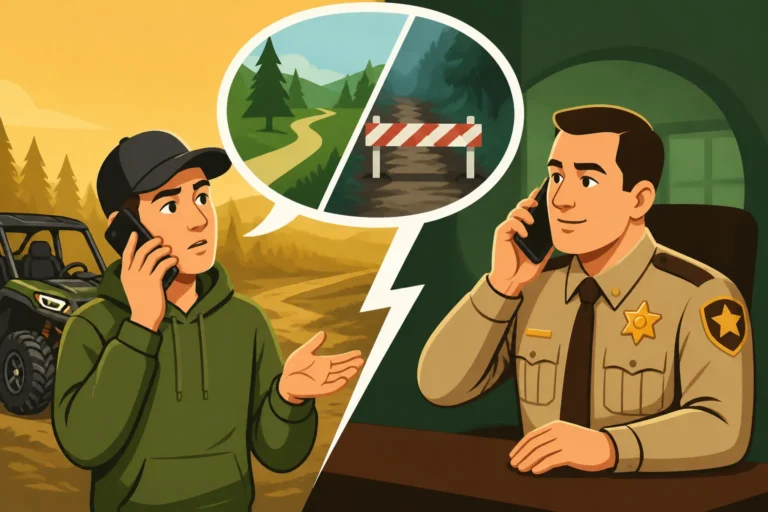
Asking a county sheriff in Virginia whether a road is legally open to ATVs requires specific route details and vehicle information.

Buchanan and Tazewell county boards of supervisors hold sole authority to establish qualifying ATV road routes under Virginia law.

Virginia town council ATV requests require verifying state laws, specific route exceptions, and local street jurisdictions before riding.
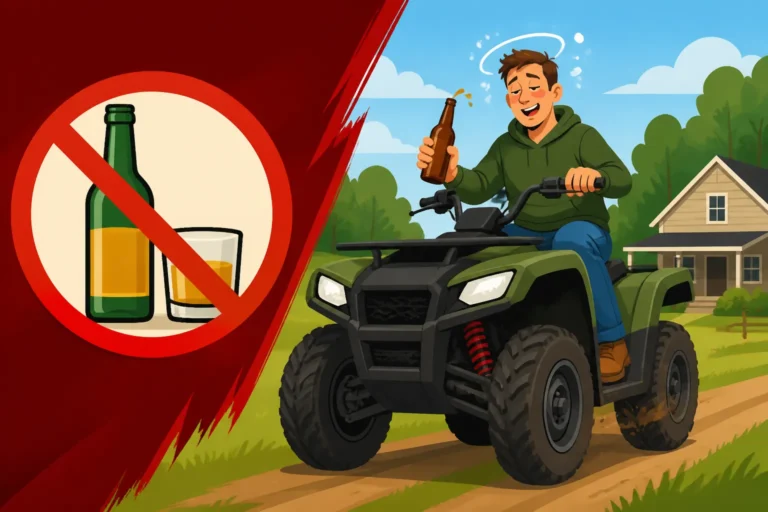
Virginia DUI law applies on private property, meaning operators can face charges for riding an ATV while intoxicated.

Virginia impound costs for a seized ATV or UTV include towing charges, daily storage fees, and release requirements.
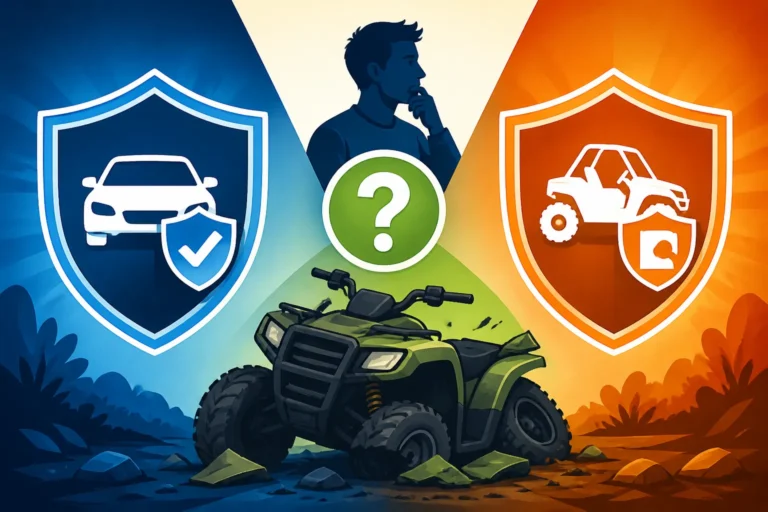
Virginia ATV collision insurance policies, liability coverage, and health plans determine who pays for medical bills and property damage.
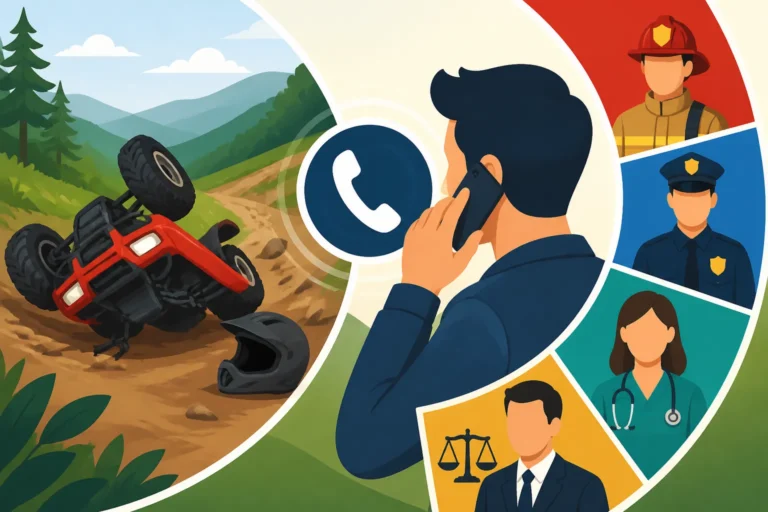
Virginia ATV crash procedures explain who to call, how to assess injuries, and what steps secure the accident scene.
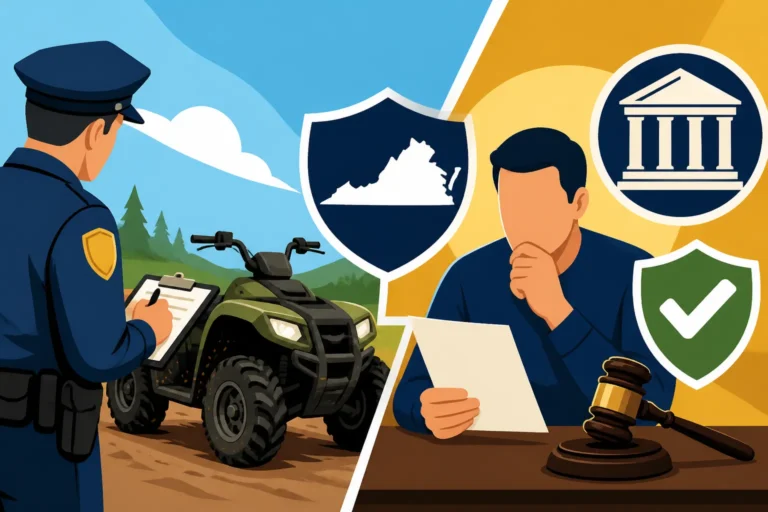
Disputing an ATV citation in Virginia involves understanding state laws, civil penalties, and the specific ticket details.