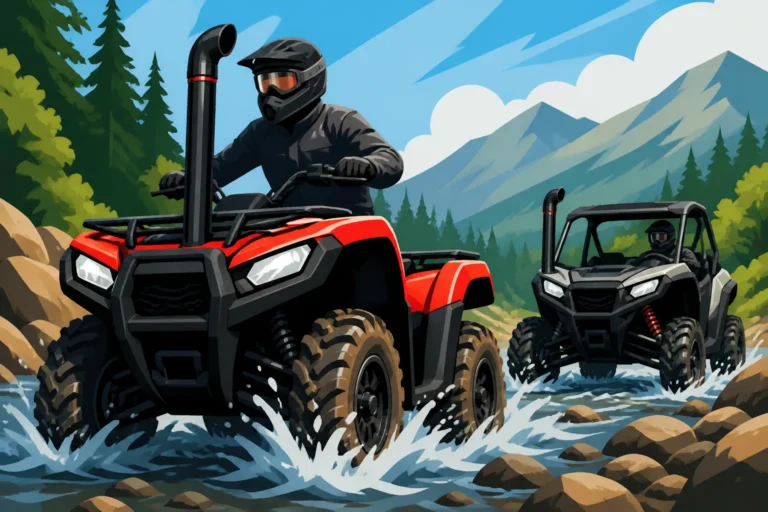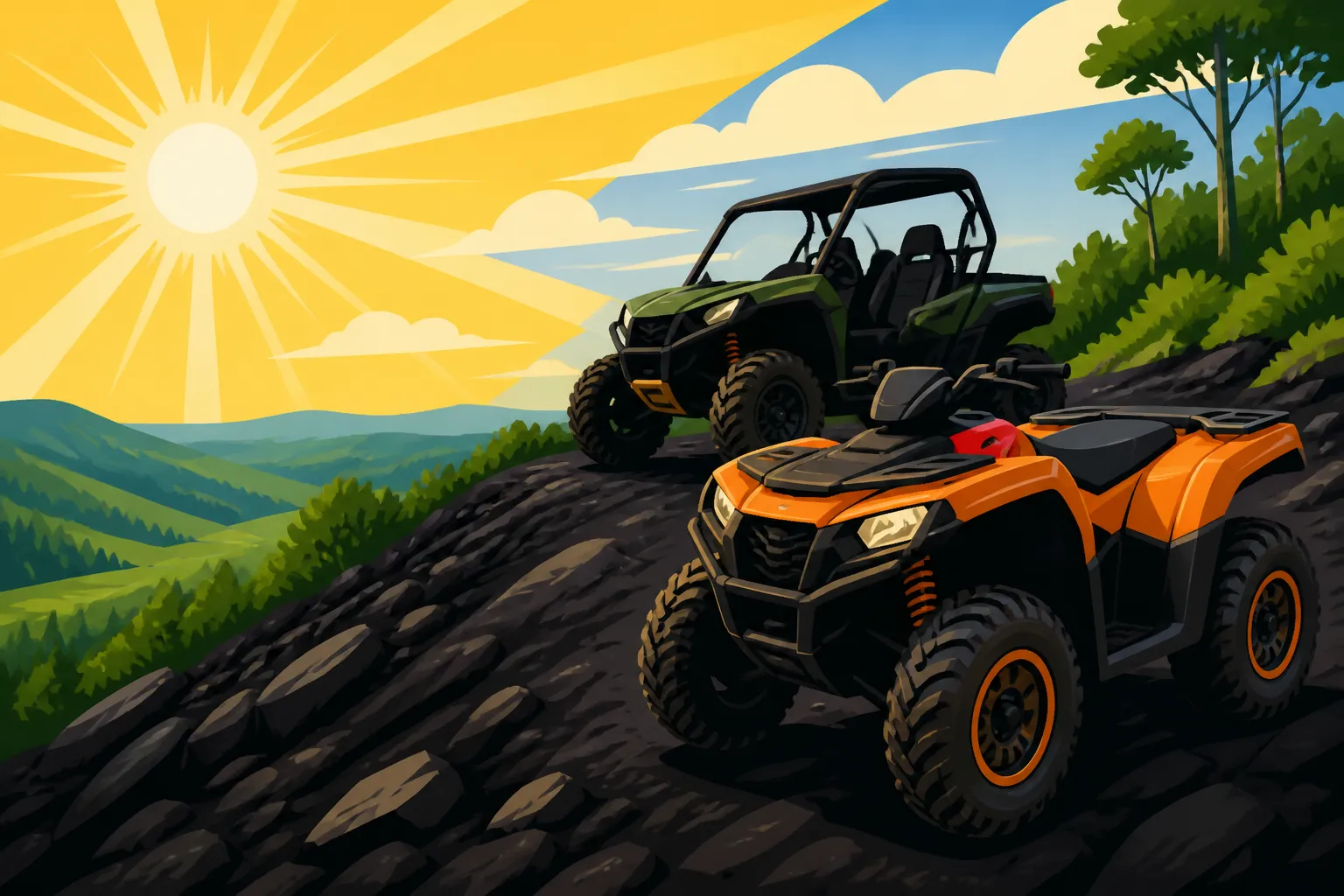
Sunscreen on an Exposed Coalfield Ridge
An exposed ridge can feel cooler than the trailhead, but wind and moving air can hide how much sun you’re getting. Add sweat, dust, and long stretches without shade, and sunscreen is easy to forget until the ride is over. A little planning helps protect your face, ears, neck, and hands without leaving you greasy or distracted on the trail.
Why an exposed ridge changes your sun plan
On a wooded trail, shade comes and goes. On an open ridge, you may spend a long stretch in direct sunlight with few places to stop. The breeze can make the air feel comfortable, so you may not notice how hot your skin is becoming. Cloud cover can also be misleading: a cloudy day may still expose you to ultraviolet radiation.
The practical takeaway is to plan sun protection around the time you’ll be outside, not just the temperature or whether the sky looks bright. That matters on Virginia mountain routes, where the weather can shift as you climb and a sheltered trail can lead to a much more open section. Check the forecast for the riding area rather than relying only on conditions at home, and review Virginia Mountain Weather on the Trail before heading out.
Think about exposure in three stages:
- Before the ride: Apply sunscreen before you gear up, while you can reach your skin easily.
- During the ride: Reapply according to the product label, especially after heavy sweating or wiping your face.
- After the ride: Check for missed spots and take care of any skin that feels unusually hot or tender.
Sun protection is not only about avoiding a burn. A helmet, goggles, and gloves can cover much of your skin, but exposed areas can still add up over a long day. Common misses include the backs of the ears, the nose, the lower face, the back of the neck, and the gap between gloves and sleeves.
| Area | Why it gets missed | Practical step |
|---|---|---|
| Ears and hairline | Helmet straps and helmet edges make application awkward | Apply before putting on your helmet; ask a riding partner to check |
| Nose and cheeks | Wind, sweat, and wiping can remove product | Carry a small tube where you can reach it at a safe stop |
| Neck | A collar may shift while riding | Cover the area with clothing or apply sunscreen to exposed skin |
| Hands and wrists | Gloves may not cover the whole area | Check the gap between glove cuffs and sleeves |
| Lips | Regular sunscreen may not stay put | Use a lip product with sun protection and reapply as directed |
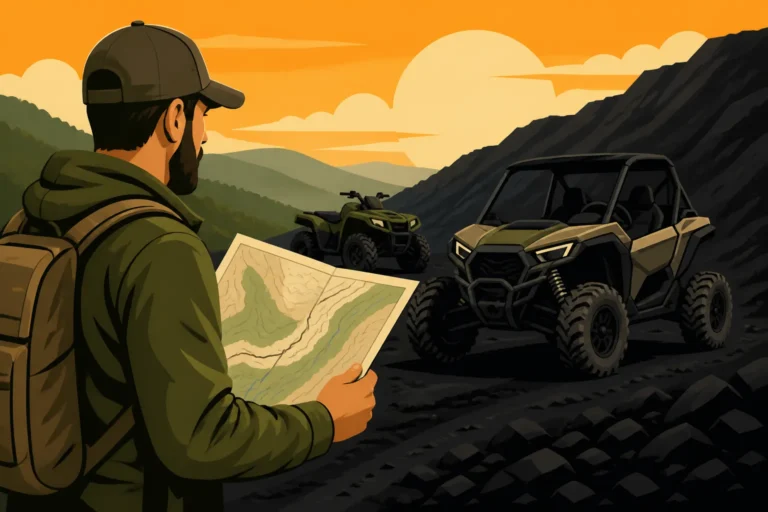
A route map can help you plan the ride, but it won’t necessarily tell you which sections have dependable shade. If you use onX Offroad, use it to review your route and identify sensible places to stop; ask local trail staff or check current rider information for conditions on the ground. A map is a planning aid, not a guarantee of shade, open access, or current trail conditions.
Choose sunscreen that works with riding gear
For an outdoor riding day, look for a broad-spectrum sunscreen that protects against both UVA and UVB rays. A water-resistant formula can be useful when you expect to sweat, but “water-resistant” does not mean you can apply it once and forget about it. Follow the label for how often to reapply and what the product’s water-resistance claim means.
SPF 30 or higher is a practical choice for many outdoor days. Higher numbers do not eliminate the need to apply enough product, cover exposed skin, and reapply as directed. The best sunscreen is one you will actually use, so consider how it feels under your helmet, glasses, and gloves.
Lotion, stick, or spray
Different formats suit different parts of a ride:
- Lotion is useful for applying an even layer before you leave. It can be easier to spread across the face, ears, and neck.
- A stick is convenient for touch-ups on areas such as the nose, cheekbones, and ears. It can be less messy to carry in a gear bag.
- Spray can be quick for larger areas, but it is easy to miss spots or apply too little. Avoid spraying near your eyes, and follow the package directions carefully.
If you have sensitive skin, a history of reactions, or a condition affected by sunlight, check product ingredients and consider asking a qualified health professional what is appropriate for you. For routine riding, you can test a new product on a small area before relying on it for a full day.
The fit with your gear matters. Sunscreen can transfer to goggles, glasses, or helmet padding, especially if you apply it and immediately pull equipment over it. Give it time to settle according to the label before putting on your gear. Wash your hands after applying it if you’re about to handle a visor, camera lens, or phone screen.
Do not let product choice replace coverage. A long-sleeved riding jersey, gloves, and a neck covering can reduce the amount of skin exposed. Clothing is especially helpful when you know the route includes an open stretch and you may not be able to stop for a comfortable reapplication. For more general preparation, see Packing for Mountain Weather.
Build sunscreen into the ride routine
The easiest way to remember sunscreen is to make it part of the same routine as checking your helmet, gloves, and water. Apply before the group starts unloading or before you put on gear. Doing it at the last minute, with dusty hands and a helmet already on, makes it more likely that you’ll skip areas.
A simple routine works well:
- Check the day’s plan. Look at the route, expected ride duration, weather, and whether the day includes long exposed sections. Virginia Trail Conditions Before You Haul can help you think through what to check before making the drive.
- Apply before gearing up. Cover exposed skin evenly, including ears, neck, and hands. Follow the product label for application amount and timing.
- Pack a small reapplication kit. Keep sunscreen and lip protection somewhere accessible, such as a day pack or a secure pocket in your gear.
- Choose a safe stop. Reapply only when the machine is parked in a safe place. Don’t try to handle sunscreen while riding or stopped somewhere that blocks other trail users.
- Check each other. A riding partner can spot missed areas around a helmet line or the back of your neck.
- Repeat as directed. Sweat, wiping, and contact with gear can reduce coverage. Use the label’s instructions rather than assuming one application will last the whole ride.
If you use onX Offroad to follow a planned route, you can use it alongside local trail information to anticipate where a break might fit. Don’t assume a mapped trail has shade or that a convenient-looking location is a legal or safe stopping place. Follow posted rules, stay on permitted routes, and avoid stopping on a narrow or blind section. Virginia Trail Etiquette Locals Expect is useful background for choosing stops that don’t create problems for other riders.
Water and sun protection work together, but they solve different problems. Drinking water does not prevent sunburn, and sunscreen does not prevent overheating. Carry enough water for the ride and conditions, and take a break if you or someone in your group feels unwell. For longer outings, Virginia Riding in Summer offers additional warm-weather planning considerations.
Cover more than skin and recognize when to stop
Sunscreen is one part of a broader plan. Clothing can provide steady protection without needing to be reapplied to every covered area. Choose gear that covers the skin comfortably without interfering with safe riding or equipment fit. A neck gaiter or similar covering may help on an open stretch, but it should not obstruct breathing, vision, or communication.
A brimmed hat can be useful off the machine, but it should not interfere with your helmet. Wear your helmet correctly and use compatible sun-protective gear rather than compromising helmet fit. Keep goggles or eye protection in place as required by the riding area and conditions. Dust, glare, and flying debris are separate concerns from skin exposure, but they can all affect comfort on an exposed ridge.
Do not treat a lack of pain as proof that you are fine. Wind and cooler air can make a sunny ride feel less intense, and the effects of too much exposure may become more obvious later. If someone develops signs of overheating or feels faint, confused, or seriously unwell, stop riding and seek appropriate help. Move to a safer, cooler place and follow local emergency guidance. A group should agree before the ride on how it will handle a rider who needs to stop.
Before setting off, make a quick check:
- Is sunscreen accessible, not buried beneath tools or spare clothing?
- Have exposed areas been covered before helmets and gloves went on?
- Is there enough water for the expected time and conditions?
- Does the route plan account for exposed sections and sensible breaks?
- Does everyone know how to pause the ride safely if someone needs help?
onX Offroad can help you stay oriented on a planned route, but it cannot replace judgment about changing weather, trail conditions, or how someone is feeling. Use it as one part of your preparation, alongside current local information and a realistic plan for breaks. A few minutes of preparation before a ridge ride can make the day more comfortable—and help you focus on the trail rather than on a painful patch of skin afterward.
Disclaimer
This article is for general informational purposes only and does not constitute professional advice. Laws, prices and regulations vary by location and change over time. Consult a qualified professional for guidance on your specific situation.