Virginia Rules for a Visiting Kentucky Rider
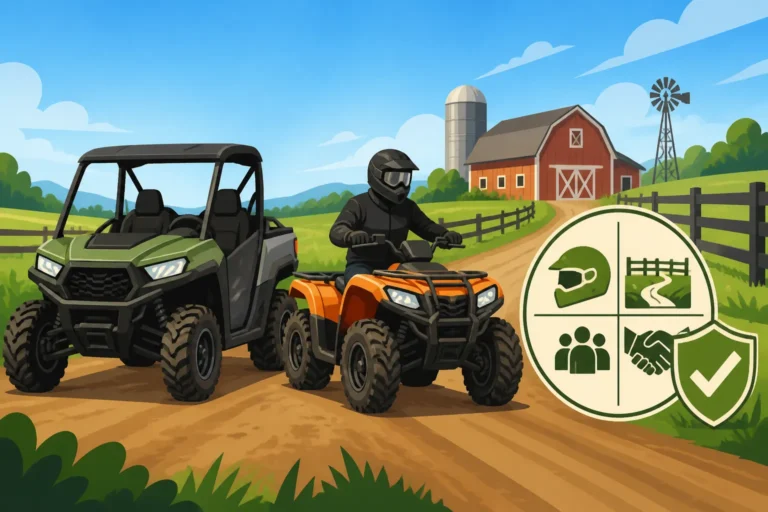
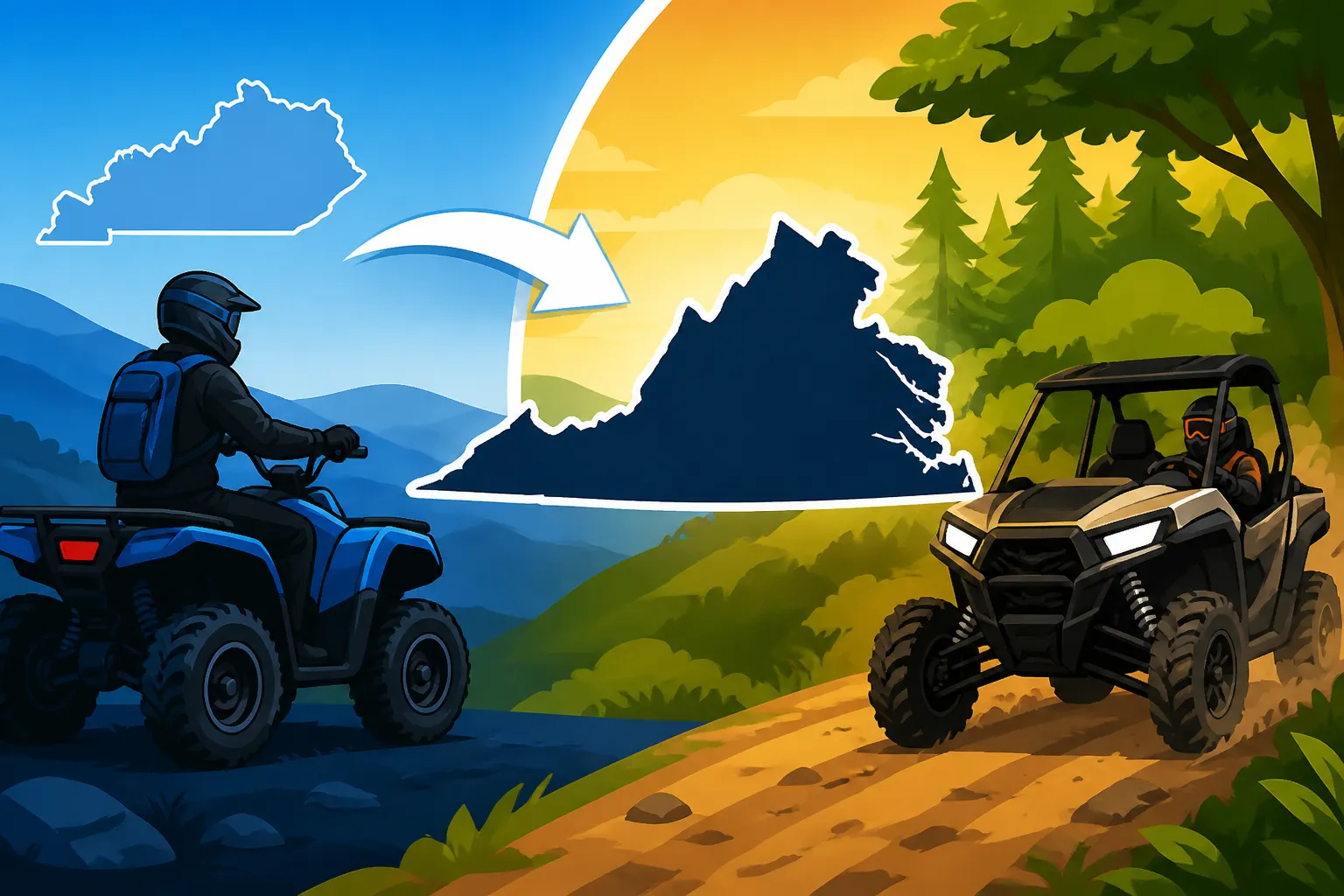
Rolling your ATV or UTV across the Virginia state line from Kentucky for a weekend adventure sounds like a blast, doesn't it? But before you load up your machine and hit the road, it's crucial to understand that Virginia's off-road vehicle laws might be quite different from what you're used to back home. This guide is here to walk you through the essential rules and regulations, ensuring your visit is filled with epic trail rides and free from unexpected fines or headaches.
Understanding Virginia's ATV and UTV Landscape
Virginia has a unique approach to off-road vehicles that often catches visitors by surprise, especially those accustomed to different regulations in neighboring states like Kentucky. It's not as simple as "if it's legal there, it's legal here." The Old Dominion prioritizes public safety and landowner rights, which translates into specific rules about where and how you can ride. Many of these rules are designed to keep off-road machines off public roads, which is a major point of difference for many riders.
The Core Difference: Virginia's Approach to Off-Road vs. On-Road
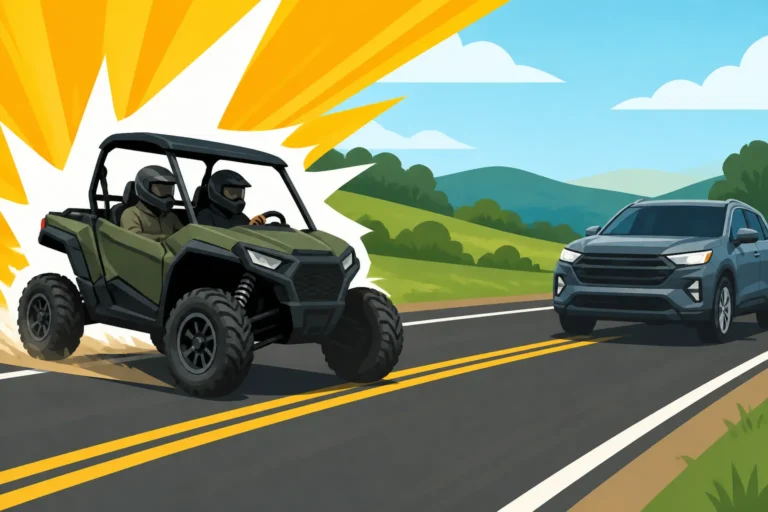
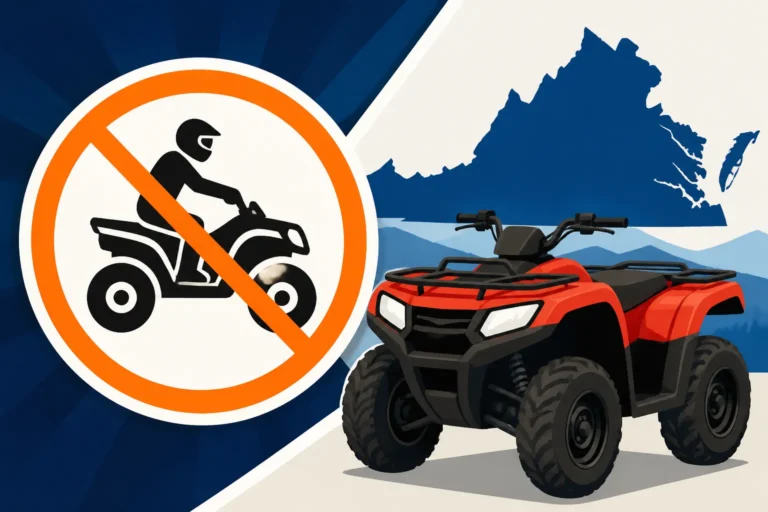
One of the biggest eye-openers for visiting riders is Virginia's unwavering stance: ATVs and UTVs are not street-legal. Period. There's no conversion kit, no special license plate, no amount of blinkers or mirrors that will allow your machine to legally cruise down a paved highway in Virginia, outside of very specific, limited exceptions in designated coalfield counties or for specific farming/emergency uses. This is a stark contrast to some states where a dirt bike can be converted for street use or where side-by-sides might have more lenient road access. Forget about riding your SuperATV-enhanced rig down a main road to get to the next trail; it's simply not allowed here.
This fundamental difference means your entire riding strategy needs to shift. You can't just hop from one section of trail to another via a public road. You'll need to trailer your machine between riding areas, even if they seem close on a map. Virginia's law treats these machines as purely off-highway vehicles, and the regulations are built around that premise. It's a common point of confusion and frustration, but understanding it upfront will save you a lot of trouble. Always assume your off-road vehicle needs to be trailered when not on a designated trail or private land where you have explicit permission.
What Virginia Considers an ATV or UTV
Virginia law has very specific definitions for what constitutes an All-Terrain Vehicle (ATV) and a Utility Vehicle (UTV), which often falls under the broader ATV umbrella for regulatory purposes. An ATV is generally defined as any motor vehicle that is designed for off-road use, has a seat designed to be straddled by the operator, and has three or more wheels. A UTV, or side-by-side, typically has side-by-side seating, a steering wheel, and is designed for off-road use, often with a cargo bed. These definitions are critical because they dictate which set of laws apply to your machine. [Virginia ATV and Utility Vehicle Definitions] clearly outlines these specifics.
It's not just about the number of wheels or how you sit; it's about the manufacturer's intended use. If it's factory-designed for off-road adventures, Virginia considers it an off-road vehicle. This means whether you're bringing a sport quad, a utility ATV, or a multi-passenger side-by-side equipped with all the latest SuperATV accessories, it will be subject to the same core off-road regulations in Virginia. Don't assume that because your UTV looks more like a small car, it gets different treatment than a traditional quad. The law generally lumps them together for riding purposes, focusing on their off-highway design.
Key Virginia Regulations Every Visiting Rider Must Know
When you're visiting from out of state, it's easy to overlook local nuances, but Virginia's off-road rules are not something you want to guess about. Ignorance of the law is never an excuse, and a fun trip can quickly turn sour with a hefty fine. Taking a few moments to internalize these key regulations will ensure your focus remains on enjoying the incredible trails Virginia has to offer, rather than worrying about the next law enforcement encounter.
Virginia's Strict Stance on Public Roads and Highways
As mentioned, Virginia takes a hard line on ATVs and UTVs on public roads. [Virginia Bans ATVs on Public Highways] is not just a suggestion; it's a fundamental aspect of the state's off-road vehicle law. This means no joyriding down county roads, no quick dashes across intersections unless specifically designated, and certainly no cruising through small towns on your machine. The rule applies to all public highways, including paved and unpaved county roads, state routes, and even city streets, with only very limited, specific exceptions.
There are, however, very narrow statutory exceptions. For instance, Buchanan and Tazewell counties in Virginia have some designated routes where ATVs and UTVs can operate under specific conditions, like daylight hours and a 25 mph speed limit, to connect trails. This is unique to these coalfield areas and doesn't apply statewide. Even then, these are highly restricted and signposted routes, not open-ended road access. For agricultural purposes, farmers might have limited permissions to cross a highway, but that doesn't apply to recreational riders. Always verify the specific rules for any designated route you plan to use, as these are exceptions to a very broad ban.
Mandatory Gear and Age Restrictions for All Riders
Safety is paramount in Virginia, and the law reflects this with mandatory gear requirements and age restrictions for ATV and UTV operators and passengers. First and foremost, [Virginia Helmet Law Applies to Every Rider]. This isn't just for kids; every person riding an ATV or UTV in Virginia, regardless of age or where they are riding (even on private land), must wear an approved helmet. Eye protection is also highly recommended, and often required by specific trail systems, to prevent debris from impacting your vision.
Beyond helmets, Virginia also has strict age limits based on engine size. Generally, riders under 12 are restricted to machines with an engine displacement of 70cc or less. Riders between 12 and 16 years old are limited to machines 90cc or less. Only riders 16 and over have no engine size restriction. There's no "supervised exception" in Virginia law that allows a younger rider to operate a larger machine if an adult is present. These rules apply to both residents and visitors alike. Violating these age and helmet laws can lead to significant penalties, so make sure everyone in your riding group is compliant. For more on this, check out [Virginia Age Limits by Engine Size].
Permission to Ride: Private Land vs. Designated Trails
Unlike some states where open land might imply open access, Virginia is very clear about land ownership and riding. You absolutely cannot ride on private land without the express, written consent of the landowner. This isn't just good manners; it's the law, and trespassing can lead to fines and legal trouble. Many landowners in Virginia take this very seriously, and it's best to always err on the side of caution. Even if a gate is open or there are no "no trespassing" signs, if you don't have explicit permission, stay off.
Your best bet for legal, enjoyable riding in Virginia is to stick to designated, permitted off-road trail systems. Virginia boasts fantastic networks like the Spearhead Trails in the southwestern coalfields and the Peters Mill Run OHV Trails in the George Washington National Forest. These systems require permits and have their own specific rules, which we'll delve into shortly. Focusing your trip on these legal riding areas not only keeps you compliant with state law but also directs you to well-maintained and exciting trails perfect for your SuperATV-equipped machine.
Navigating Virginia's Trail Systems as a Visitor
Virginia's designated trail systems offer some of the best off-road experiences on the East Coast, with varied terrain and stunning scenery. However, accessing these trails comes with its own set of requirements, particularly for permits. Planning ahead is key to a smooth and enjoyable visit.
Permit Requirements for Popular Virginia Trails
Both the Spearhead Trails and the National Forest OHV trails operate on a permit system. For the Spearhead Trails, which include systems like Coal Canyon, Mountain View, and Original Pocahontas, you'll need to purchase a specific Spearhead permit. They offer different options, including three-day and annual permits, and there are even discounted rates for residents of the seven coalfield counties. You'll typically buy these permits online or at designated vendors in the trail towns. Your permit will be digital, linked to your name, and you'll need photo identification to verify it if stopped by a trail ranger. For more details on this, you can refer to [Virginia Spearhead Trail Permits].
The Peters Mill Run and Taskers Gap OHV Trails, located in the George Washington National Forest, require a different permit: a National Forest OHV permit. These are often daily, multi-day, or annual and can be purchased at ranger district offices or sometimes at local vendors. Unlike Spearhead, there are no county discounts. It's crucial to understand that a Spearhead permit does not grant access to the National Forest trails, and vice-versa. Always check which permit is required for the specific trail system you intend to ride. [Virginia National Forest OHV Permits] provides further clarity on this. Make sure to have your permit ready to show, as trail rangers frequently perform checks.
Trail Etiquette and Common-Sense Riding Practices
Beyond the legal requirements, there's a certain trail etiquette that every rider, especially visitors, should observe. These unwritten rules help ensure everyone has a safe and enjoyable time and preserve access for future riders. This includes sticking to marked trails – cutting new trails is a big no-no and can lead to trail closures and environmental damage. Always ride within your skill level and the limits of your machine, even if your SuperATV components make you feel invincible. Overconfidence leads to accidents and trail damage.
Be respectful of other trail users, including hikers, mountain bikers, and horseback riders you might encounter, especially in multi-use areas. Slow down, yield the right-of-way, and pass with care. Pack out everything you pack in; littering is not only unsightly but harmful to wildlife. Keep noise levels reasonable, especially in areas near residential properties or campgrounds. [Virginia Trail Etiquette Locals Expect] outlines many of these unspoken rules that foster a positive riding community. Always be prepared for mountain weather, bring water, and let someone know your plans before heading out for a long ride.
Bringing Your Kentucky-Titled Machine to Virginia
If your ATV or UTV is titled and/or registered in Kentucky, that paperwork is generally recognized in Virginia for identification purposes. You don't need to re-title or re-register your machine in Virginia just for a visit. However, you do need to carry proof of ownership (like your Kentucky title or registration) with you when you're riding. A law enforcement officer or trail ranger may ask for this documentation. [Virginia Proof of Ownership on the Trail] confirms this requirement.
While your Kentucky title is perfectly fine for ownership proof, remember that Virginia has no registration requirement for ATVs or UTVs, nor does it issue license plates or decals for them. So, while you'll have your Kentucky documentation, you won't be getting any Virginia-specific vehicle identification from the DMV for your off-road machine. Just ensure your machine meets Virginia's safety equipment standards, such as a working spark arrester (often required on forest trails) and adequate brakes. These are universal safety requirements regardless of where your machine is from.
Penalties and Pitfalls to Avoid
No one wants their off-road adventure ruined by a citation or worse. Understanding the potential pitfalls and the consequences of violating Virginia's off-road laws is crucial for a stress-free trip. The civil penalties in Virginia can be substantial, and the inconvenience of a law enforcement encounter is something every rider wants to avoid.
Understanding Virginia's Enforcement and Fines
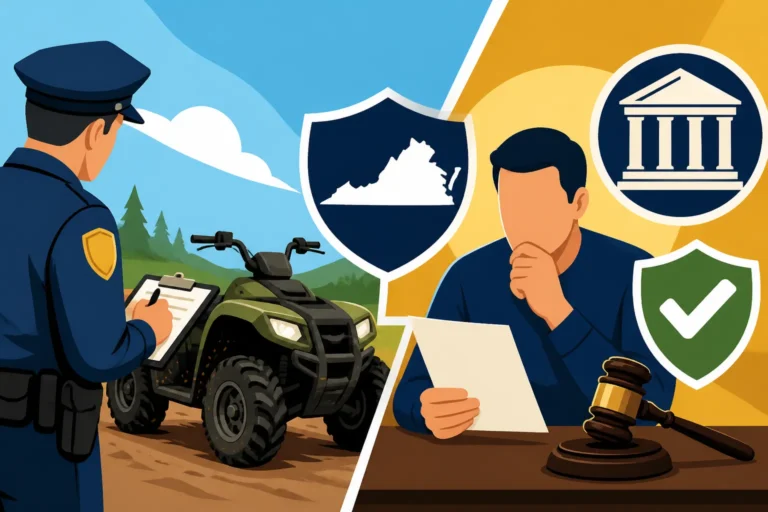
Virginia law enforcement, including local police, county sheriffs, game wardens, and park rangers, actively enforces ATV and UTV regulations. If you're caught riding on public roads or trespassing on private land without permission, you could face significant civil penalties. [Virginia Penalties for Illegal Riding] specifies that riding an ATV or UTV illegally can result in a civil penalty of up to $500 for a first offense. These are civil penalties, meaning they are non-criminal, but they still carry a hefty financial burden.
Beyond the fines, your machine could potentially be impounded, especially if ridden in a city on sidewalks or streets where local ordinances grant such authority. Imagine the hassle and expense of trying to retrieve your SuperATV-equipped machine from an impound lot hundreds of miles from home. Law enforcement officers also conduct equipment checks at trailheads and on trails. They can check for proper helmets, age compliance, and required permits. [Virginia Equipment Checks by Officers] details what they might be looking for. It's far better to be prepared and compliant than to face these consequences.
Common Mistakes Visiting Riders Make
One of the most common mistakes visiting Kentucky riders make is assuming Virginia's rules are similar to their home state's, especially regarding road access. Kentucky may have more permissive rules for UTVs on certain county roads, for example, but that simply does not apply in Virginia. Another frequent error is riding on unmarked trails that turn out to be private property. Always verify your riding spot is legal and has proper access.
Forgetting permits is another major pitfall. It's easy to assume that if you have a permit for one trail system, it covers others, or that state residents get a pass. Neither is true. Always double-check the specific permit requirements for each trail system. Finally, not adhering to helmet and age restrictions can lead to immediate citations. Virginia's laws on these points are universal and apply to everyone. Taking the time to review rules for visitors, perhaps by looking at [Virginia Rules for a Visiting West Virginia Rider] and applying the same caution, can prevent a lot of headaches.
Virginia Off-Road Rules: Kentucky vs. Virginia Comparison (General)
To give you a clearer picture, here's a general comparison of some common off-road regulations you might find between Virginia and what you might be used to in Kentucky. Please remember these are general guidelines, and specific county or local ordinances can vary in both states. Always check current laws.
| Feature | Virginia (General) | Kentucky (General – Varies by County/Road Type) |
|---|---|---|
| Street Legal Status | No, generally illegal on public roads. | Varies; some counties allow UTVs on certain roads (e.g., secondary roads, for limited purposes). |
| Helmet Requirement | Mandatory for all riders, all ages. | Mandatory for riders under 16; recommended for all others. |
| Age Restrictions | Engine-size based (e.g., <12 on <70cc). | Age-based limits for riders under 16 (e.g., must be supervised, specific training). |
| Insurance Requirement | Not required for operation (but recommended). | Not required for operation. |
| Title/Registration | Title required for new machines >50cc, optional for used. No registration. | Title required. No registration for off-road use. |
| Permits for Trails | Required for designated systems (e.g., Spearhead, National Forest). | Required for designated systems (e.g., Hatfield-McCoy, specific state parks). |
| Private Land Access | Written landowner permission required. | Landowner permission required. |
| Road Crossings | Generally allowed by most direct route (off-highway). | Varies; some allowances for direct crossings. |
This article is for general informational purposes only and does not constitute professional advice. Laws, prices and regulations vary by location and change over time. Consult a qualified professional for guidance on your specific situation.