Virginia’s Named Route in Tazewell County
Trying to figure out where you can legally ride your ATV or UTV on a public road in Virginia can feel like deciphering an ancient scroll. Most of the time, the answer is a firm "no," which is incredibly frustrating for riders who just want to connect trails or access a store. This guide is here to untangle the specific rules surrounding Virginia's named route in Tazewell County, offering a clear roadmap for where and how you can ride your off-road machine within this unique exception.
Understanding Virginia's General Road Ban for ATVs and UTVs
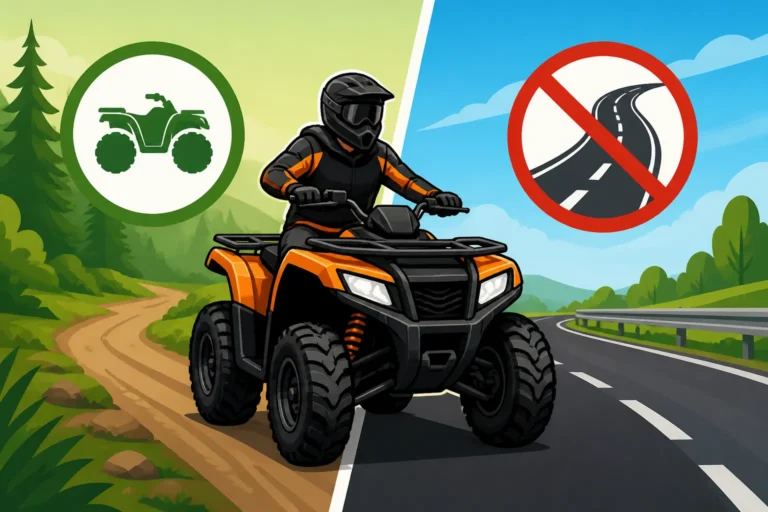
For years, Virginia has held a pretty strict stance on where ATVs and UTVs can operate. Unlike some other states that have embraced wider road access for these machines, Virginia's general rule has been a resounding "off-road means off-road." This can be a real headache, especially if you live in an area where trails aren't directly accessible from your property or you just want to grab a quick bite without trailering your rig.
Why the Default is "No" for Public Roads
The core of Virginia's motor vehicle code clearly defines ATVs and UTVs as off-road vehicles. This classification means they're generally prohibited from being operated on public highways, streets, or even shoulders. The reasoning often boils down to safety concerns, such as differences in speed, visibility, and braking capabilities compared to traditional street-legal vehicles. It's not a judgment on your riding skills, but rather a blanket rule designed to maintain a certain level of predictability and safety on the state's roadways. This is a common point of contention for riders who see their machines as capable and safe, but the law, in most places, simply doesn't agree. You might find yourself asking, [Can You Ride an ATV on the Road in Virginia?] and usually, the answer is discouraging outside of very specific circumstances.
The Frustration of Limited Road Access
Imagine living just a mile from your favorite trailhead, but you have to load your UTV onto a trailer, drive that mile, unload it, and then ride. Or perhaps you're on a multi-day trip and need to get from one section of trail to another, only to find a paved county road blocking your path, forcing a lengthy detour or another trailer move. This limited road access is a major source of frustration for many ATV and UTV enthusiasts across the Commonwealth. It restricts the kind of adventures you can plan, makes simple errands nearly impossible, and often forces riders into situations where they might be tempted to break the law just to connect two points. The lack of flexibility can truly detract from the overall off-road experience, making you feel perpetually boxed in.
The Tazewell County Exception: What Makes This Route Different?
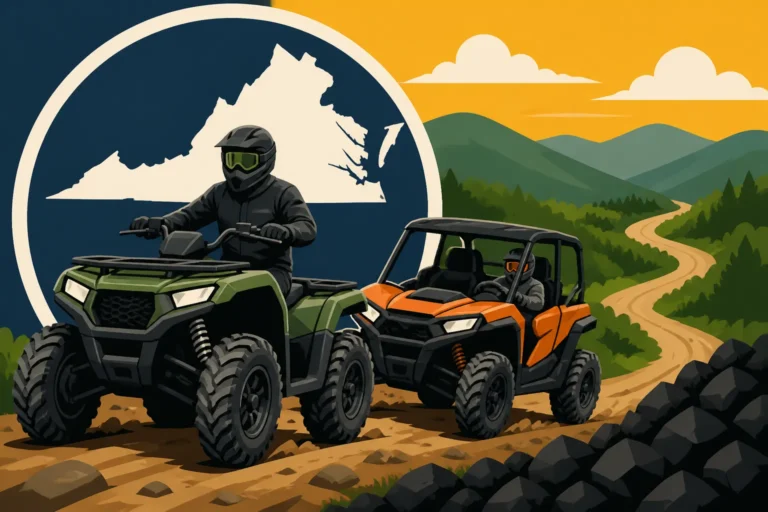
While the general rule in Virginia leans heavily against ATVs and UTVs on public roads, the state legislature has, in specific instances, carved out exceptions. Tazewell County is one such place, standing as a beacon of slightly more relaxed rules, primarily due to its connection with the Spearhead Trails system and the region's strong off-road culture. This isn't a free-for-all, but a carefully designated and regulated pathway designed to enhance the riding experience and support local economies.
The Specific Legislation at Play
The ability to ride ATVs and UTVs on a specific named route in Tazewell County stems from Virginia Code Section 46.2-915.1, which details exceptions to the general ban. This particular section allows the governing body of Buchanan County and Tazewell County – and only these two counties – to designate certain secondary highways for ATV and UTV use under very strict conditions. This isn't a power every county in Virginia possesses; it's a specific carve-out for regions deeply tied to the coalfields and the burgeoning outdoor recreation industry. The idea behind this legislation was to provide crucial connectivity between trail systems and local businesses, acknowledging the economic potential of off-road tourism in these areas. You can find more details on [Virginia Buchanan and Tazewell County Road Access].
Where the Route Runs: Key Sections
The named route in Tazewell County is designed to link various segments of the Spearhead Trails system and provide access to nearby towns and services. While specific road names can change or be expanded, the spirit of the route is to facilitate connectivity. For example, parts of the route might include sections of State Route 16, US Route 19, or various secondary roads like State Route 604 or 601, specifically between towns like Pocahontas and Boissevain, connecting directly to trailheads. These are typically lower-traffic roads, often winding through the mountains, allowing riders to transition from aggressive trails to more mellow paved or gravel surfaces that still feel like part of the adventure. It's critical to remember that this route is specifically designated; you can't just pick any road in Tazewell County and assume it's open. Riders should always consult up-to-date maps from the Spearhead Trails authority or the county before planning their ride. This ensures you're on the legal path and not inadvertently trespassing or violating state law.
Why Tazewell Was Chosen for This Exception
Tazewell County, much like its neighbor Buchanan, is deeply rooted in the Appalachian landscape and has a long history with off-road vehicles, particularly in mining and timber industries. As these traditional industries have shifted, many communities in the region have looked to outdoor recreation, including ATV and UTV tourism, as a vital economic driver. The Spearhead Trails system, which boasts impressive mileage like [Original Pocahontas' 94 Miles in Virginia] and [Ridgeview's 78 Miles in Virginia], directly benefits from road connectivity that allows riders to access trailheads, fuel up, buy supplies, and stay in local accommodations. Without these designated routes, the economic impact of the trail systems would be significantly diminished. The local governments in Tazewell recognized this potential, advocating for and implementing the special provisions to draw more visitors and support small businesses, transforming areas that were once solely industrial into adventure tourism destinations.
Navigating the Tazewell County Named Route: Rules and Realities
Just because a road is designated for ATV and UTV use in Tazewell County doesn't mean it's a no-rules free-for-all. Far from it. These routes operate under specific regulations designed to ensure safety for riders, other motorists, and residents. Understanding these rules is paramount to enjoying the privilege of riding on the named route without running afoul of the law or creating a nuisance for the community.
Speed Limits and Operating Hours
One of the most crucial rules on Virginia's named routes in the coalfields, including Tazewell County, is the speed limit. These routes are subject to a maximum speed of 25 miles per hour. This isn't a suggestion; it's a strict limit enforced by law enforcement. The reason for this lower speed limit is to account for the different handling characteristics of ATVs and UTVs compared to cars, the often winding and narrow nature of these mountain roads, and to ensure a safer shared environment with other vehicles and pedestrians. Beyond speed, these designated road sections are typically limited to daylight hours only. This means you generally can't ride your ATV or UTV on these public roads before sunrise or after sunset. While some machines come equipped with robust lighting, the daylight-only rule is a safety measure, as off-road lighting may not meet the same standards or provide the same visibility as street-legal vehicle headlights. You can learn more about this in [Virginia's 25 mph Coalfield Road Limit] and [Virginia Daylight Hours on a Road Trail].
Helmet, Age, and Passenger Requirements
When you're riding on any public road, even a designated one, Virginia's safety laws kick in, and they are quite comprehensive for ATVs and UTVs. This means that [Virginia Helmet Law Applies to Every Rider] of an ATV or UTV, regardless of age or whether you're on a trail or a designated road section. This isn't just for kids; adults must wear a DOT-approved helmet too. Eye protection, like goggles or a face shield, is also required.
Age limits are another crucial aspect. [Virginia Age Limits by Engine Size] dictate what size machine a rider can operate based on their age. For example, riders under 12 are generally restricted to machines 70cc or less, and those between 12 and 16 years old are limited to 90cc. Over 16, the engine size restriction lifts, but the helmet rule remains.
Regarding passengers, ATVs are generally designed for one operator, and carrying a passenger on a single-rider ATV on a public road, even a designated one, is typically prohibited unless the machine is specifically designed by the manufacturer to carry more than one person and has a designated passenger seat and handholds. UTVs, with their multiple seats and seatbelts, are usually designed for passengers, but those passengers must also adhere to helmet and age-appropriate guidelines. It's essential to check your machine's manufacturer specifications and the latest Virginia DMV guidance to ensure compliance.
Enforcement and Penalties
Virginia law enforcement takes these regulations seriously, particularly on public roads. Local sheriffs and Virginia State Police patrol these areas, and they are well aware of the specific rules governing the named routes in Tazewell County. If you're found violating speed limits, riding after dark, or neglecting helmet and age requirements, you could face significant penalties. Unlike a simple traffic ticket, violations of ATV and UTV laws on public roads can result in a civil penalty of up to $500 for each offense. This is a substantial fine that can quickly add up, especially if multiple infractions occur. It's not just a slap on the wrist; it's a serious consequence designed to deter illegal and unsafe riding. An officer can pull you over, issue a citation, and in some egregious cases, impound your machine. Understanding [Virginia Penalties for Illegal Riding] is critical before you venture onto these roads.
Essential Gear and Preparation for Riding the Tazewell Route
Riding the named route in Tazewell County is a fantastic experience, blending trail access with the convenience of short road sections. However, it's not simply a matter of hopping on your machine. Proper preparation, both for your vehicle and yourself, is crucial for safety, compliance, and an enjoyable journey. Thinking ahead about what you need can save you a lot of hassle and potential trouble down the line.
Machine Readiness and Safety Checks
Before you even think about hitting the pavement or gravel sections of the named route, your ATV or UTV needs to be in tip-top shape. This means performing thorough pre-ride checks. Start with your tires: are they properly inflated and free of damage? While off-road tires are great for mud and rocks, they can wear down quickly on pavement, and a flat tire on a road section is no fun. Check your brakes; they need to be fully functional and responsive for the varied terrain. Ensure all your lights are working, even though daylight riding is the norm. Headlights, taillights, and brake lights are essential for visibility, especially on winding mountain roads where you might encounter unexpected turns or other vehicles.
Furthermore, consider your machine's overall condition. Is it regularly serviced? Does it have a spark arrester in good working order to prevent wildfires, particularly important in wooded areas? For UTVs, are the seatbelts and roll cage in good condition? Some riders also find that adding accessories like side mirrors (if not already equipped) or even a small horn can significantly improve safety and awareness when sharing the road with cars. Manufacturers like SuperATV offer a range of accessories, from durable winches for trail sections to lighting upgrades and windshields that can improve your experience on mixed terrain, ensuring your machine is ready for anything the route throws at it.
Personal Safety Gear Beyond the Helmet
While a DOT-approved helmet is non-negotiable and legally required, your personal safety gear shouldn't stop there. Eye protection is also mandatory in Virginia, so goggles or a face shield on your helmet are a must. Beyond the legal minimum, consider what truly protects you. Long pants, long-sleeved shirts, and over-the-ankle boots can prevent scrapes, cuts, and burns from engine heat or exhaust. Gloves are also highly recommended to improve grip and protect your hands.
Think about the conditions: the weather in the mountains can change rapidly, so packing rain gear, even on a sunny day, is a smart move. A small first-aid kit is an absolute essential for any ride, particularly in remote areas where help might not be immediately available. Hydration is key, so carry plenty of water. A backpack with snacks, a multi-tool, and a small flashlight can also be incredibly useful. Preparing for minor mishaps or unexpected weather ensures that a small issue doesn't derail your entire day.
Mapping and Navigation Tools
Even though the Tazewell County route is "named," relying solely on memory or hope is a recipe for getting lost or straying onto prohibited roads. A good navigation strategy is crucial. Before you leave home, study maps of the designated route. You can often find up-to-date maps on the Spearhead Trails website or through the Tazewell County tourism office. Don't solely rely on cell service, as many parts of the Appalachian mountains are notorious for dead zones.
Consider carrying a paper map as a backup, especially if you're venturing into areas with limited connectivity. GPS devices specifically designed for off-road use, or smartphone apps with pre-downloaded maps, can be invaluable. These tools can help you stay on the legal route, identify points of interest, and even locate gas stations or emergency services. Knowing your exact location and where you're going prevents illegal detours and keeps you within the boundaries of the law and designated riding areas. Remember, staying on the correct [Virginia Named Routes Open to ATVs] is key to a legal and enjoyable ride.
Local Impact and Community Considerations
When you ride the named route in Tazewell County, you're not just enjoying an outdoor activity; you're interacting with a community and its residents. Being a respectful and responsible rider is paramount to ensuring the continued success of these unique road access opportunities and maintaining positive relationships with the people who call these areas home. Your actions reflect on the entire off-road community.
Respecting Private Property and Residents
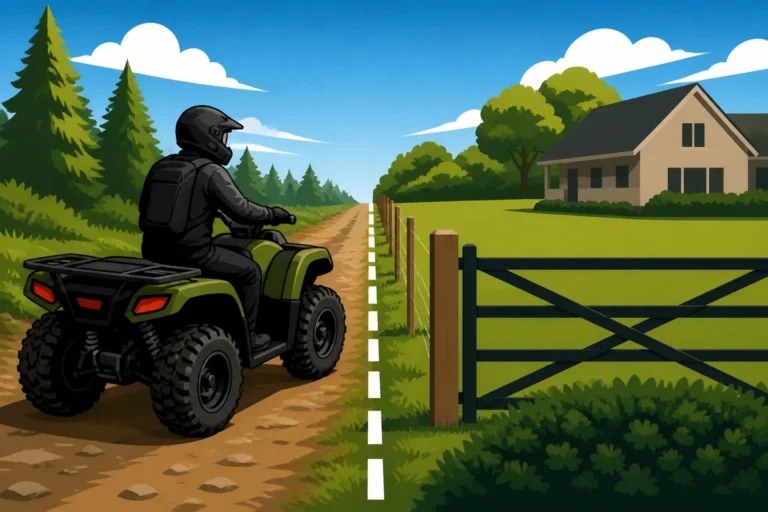
One of the biggest concerns for local residents in areas with designated ATV/UTV road access is the potential for riders to stray off the approved path onto private land. It's absolutely crucial to stay on the named route and clearly marked trails. Never venture onto private property without explicit, written permission from the landowner. [Virginia Written Landowner Consent] is not just a polite request; it's a legal requirement to avoid trespassing charges.
Beyond property lines, be mindful of noise levels. While ATVs and UTVs are inherently noisy, try to keep revving and excessive acceleration to a minimum, especially near homes, churches, or schools. Dust kicked up by machines can also be an issue for residents, so pass through populated areas at a moderate speed. Remember, these are people's homes, and their quality of life is affected by how riders behave. A positive impression helps ensure these routes remain open and welcomed.
Supporting Local Businesses
The whole point of these designated routes, beyond connecting trails, is to stimulate the local economy. When you're riding in Tazewell County, make an effort to stop in the towns along or near the route. Grab a meal at a local diner, buy gas from an independent station, pick up snacks at a local convenience store, or consider staying at a local motel or cabin. Your dollars directly support the businesses that benefit from off-road tourism and, in turn, often advocate for rider-friendly policies.
Think of it as part of the adventure – exploring the local culture and cuisine is a great way to enhance your trip. This economic benefit is a major reason why communities in the coalfields like Tazewell County fought for and embraced these unique road access laws. Being a good steward of the riding environment also extends to being a good patron of the local economy.
Being a Responsible Rider: Etiquette and Environmental Care
Being a responsible rider involves more than just following the law; it's about practicing good trail etiquette and environmental stewardship. On the named route, share the road courteously with other vehicles. If you're riding in a group, don't hog the entire road; allow cars to pass safely. Signal your turns when possible and be predictable in your movements.
Off the designated road sections and onto the trails, practice "Leave No Trace" principles. Pack out everything you pack in, including trash, broken parts, and even food scraps. Stick to marked trails and avoid creating new ones, which can lead to erosion and habitat damage. Do not disturb wildlife or natural features. If you see trash on the trail, consider picking it up. By demonstrating respect for the environment and the local community, you help preserve these riding opportunities for everyone and ensure that the positive image of ATV/UTV riders continues to grow. You can find more information on [Virginia Trail Etiquette Locals Expect].
Comparing Tazewell to Other Virginia Riding Opportunities
Virginia offers a variety of off-road experiences, from designated trail systems to private parks. The named route in Tazewell County is a unique beast within this landscape, offering a blend of trail riding and limited road connectivity. Understanding how it compares to other options can help you decide if it's the right fit for your next adventure.
How It Differs from Spearhead Trails Itself
It's important to clarify the distinction between the "named route" in Tazewell County and the Spearhead Trails system. The Spearhead Trails, such as the [Original Pocahontas' 94 Miles in Virginia] or [Ridgeview's 78 Miles in Virginia] systems, are the extensive network of off-road trails designed purely for ATVs, UTVs, and sometimes dirt bikes. These are typically dirt, gravel, and rock paths winding through the mountains, offering varying levels of difficulty. A Spearhead Trails permit is required to ride these.
The "named route" in Tazewell County, on the other hand, refers specifically to certain public roads that have been legally opened to ATV and UTV traffic to connect different sections of the Spearhead Trails or provide access to amenities. While you might be riding to a Spearhead trailhead via the named route, the road itself is a separate legal entity with its own distinct rules, like the 25 mph speed limit and daylight-only operation. You'll need both a Spearhead permit for the trails and adherence to the road rules for the designated road sections. This connectivity is a major draw, allowing riders to string together longer, more diverse rides without relying on a truck and trailer for every segment.
The Buchanan County Parallel
Tazewell County isn't alone in having designated road access. Buchanan County also benefits from similar legislation, allowing its local governing body to open specific secondary highways for ATVs and UTVs under the same strict conditions. This parallel is no coincidence; both counties are integral to the Spearhead Trails network and share similar economic and geographic characteristics.
Like Tazewell, Buchanan County's named routes are designed to connect its significant trail systems, such as [Coal Canyon Trail System in Virginia], to local towns and services. The rules regarding speed limits, operating hours, helmets, and age restrictions are generally consistent between the two counties because they operate under the same state code exception. If you've ridden the designated routes in Buchanan, you'll find the experience in Tazewell very similar in terms of legal requirements and expectations for rider behavior. This consistent approach across the two counties makes it easier for riders to transition between them.
Beyond the Coalfields: Other Virginia Riding
Outside of the unique road access in Buchanan and Tazewell counties, Virginia's off-road scene generally sticks to designated trail systems and private parks. Places like [Peters Mill Run OHV Trails in Virginia] in the George Washington National Forest offer extensive riding but are almost exclusively off-highway, with no road connectivity for ATVs/UTVs. Private parks, scattered across the state, provide controlled environments for riding, often with amenities like camping and wash stations, but again, typically no public road access beyond their entrance.
This makes Tazewell and Buchanan truly special. While other areas might offer fantastic trail riding, they don't provide the same limited, legal ability to use public roads to link trails or access towns. This unique setup requires riders to be particularly diligent in understanding the local laws, as the exceptions are very specific to these coalfield regions and do not apply to the rest of the Commonwealth. For a broader overview of state-wide regulations, you might want to read [The Virginia Law Behind Every ATV Rule].
To help you keep track of these unique rules, here's a quick comparison:
| Feature | General Virginia ATV Road Rule | Tazewell County Named Route Rule | Spearhead Trails (within Tazewell) |
|---|---|---|---|
| Public Road Access | Generally Prohibited | Permitted on Designated Secondary Roads | Prohibited (trails are off-road) |
| Speed Limit | N/A (because generally prohibited) | 25 mph maximum | Trail specific, often lower |
| Operating Hours | N/A | Daylight hours only | Sunrise to Sunset (for most trails) |
| Helmet Required | Yes (if operating illegally on road) | Yes, for all riders | Yes, for all riders |
| Eye Protection | Yes | Yes | Yes |
| Age Restrictions | Engine size limits apply | Engine size limits apply | Manufacturer's age limits typically apply |
| Passenger Rules | Single-rider ATVs prohibited | Only on manufacturer-designed seats | Only on manufacturer-designed seats |
| Permit Required | No (for road, but you're illegal) | No (for road, but yes for connecting trails) | Yes, Spearhead Trails permit required |
| Enforcement/Penalty | Up to $500 civil penalty | Up to $500 civil penalty | Trail rules enforcement, potential fines |
Disclaimer
This article is for general informational purposes only and does not constitute professional advice. Laws, prices and regulations vary by location and change over time. Consult a qualified professional for guidance on your specific situation.