Virginia Helmet Standards From the State Police
There's nothing quite like the rush of hitting the trails on your ATV or UTV, feeling the machine hum beneath you, and enjoying the incredible landscapes Virginia has to offer. But with that thrill comes a serious responsibility, and honestly, navigating all the rules can feel like trying to ride a rocky trail blindfolded. One of the most common questions, and often one of the most misunderstood, revolves around helmets: what exactly are the standards, and why do they even matter? This guide is going to strip away the confusion and lay out exactly what the Virginia State Police expect when it comes to helmet safety for your off-road adventures, making sure you're geared up not just for fun, but for full compliance and protection.
The Non-Negotiable Reality: Virginia's Universal Helmet Law for ATVs
It might surprise some, especially folks new to the off-road scene or those who've ridden in other states, but Virginia is pretty clear about helmets. When you're talking about ATVs and UTVs, the law is designed to protect you, regardless of your age, experience, or even whose land you're riding on. There’s a widespread misunderstanding that if you’re on private property or if you’re an adult, these rules somehow don’t apply. Let me tell you, that simply isn't the case in the Old Dominion.
Why Everyone Needs a Helmet, Regardless of Age or Property
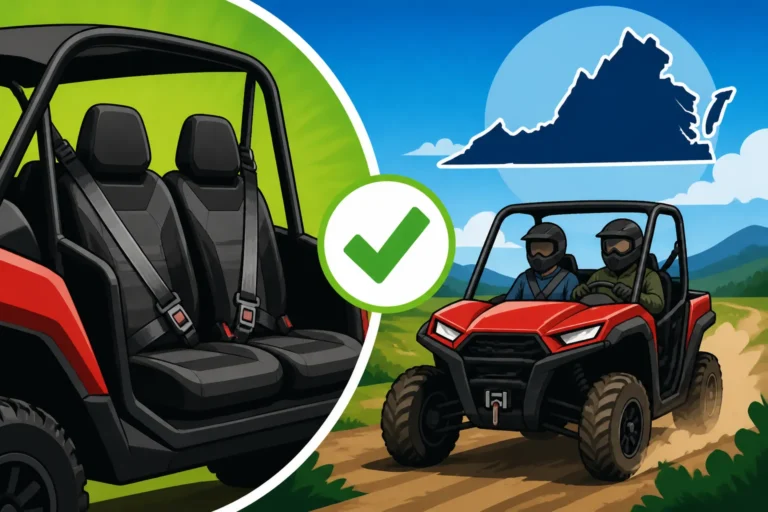
Virginia Code § 46.2-915.1, Section E, spells it out in no uncertain terms: "Any person who operates or rides on an all-terrain vehicle shall wear a safety helmet." This isn't a suggestion; it's a mandatory requirement. It means if you're the one behind the handlebars, or if you're a passenger enjoying the ride, that helmet needs to be strapped on. It doesn't matter if you're a seasoned adult rider with decades of experience or a young enthusiast just starting out. The law makes no distinction based on age. Furthermore, it doesn't matter if you're tearing up a public trail, cruising on your own sprawling farm, or visiting a friend's private hunting lease. The law applies universally whenever you're operating or riding an ATV.
Many riders, especially those in rural areas, often assume that rules for public roads or trails don't extend to their private land. They might think, "This is my property, I can do what I want." While that sentiment is understandable, it doesn't hold water when it comes to ATV helmet laws in Virginia. The intent here is purely safety. Whether you hit a hidden stump in your backyard or take a tumble on a [Spearhead Trails in Virginia Explained] system, the risk of head injury is real and ever-present. The law aims to mitigate that risk for every rider, everywhere. It’s a foundational piece of the [Virginia Helmet Law Applies to Every Rider].
The "Why" Behind the Law: Protecting Riders from Themselves and the Terrain
Let's be brutally honest: ATVs and UTVs are powerful machines designed for rough terrain. They can be incredibly fun, but they also carry inherent risks. Accidents happen, and they often happen fast and without warning. Think about the common scenarios: a rollover on an uneven grade, a collision with an unseen tree branch or rock, or simply being thrown from the machine after hitting a rut or misjudging a turn. In any of these situations, your head is incredibly vulnerable. Without a helmet, even a seemingly minor impact can lead to severe concussions, traumatic brain injuries, or worse.
The Virginia State Police, in enforcing these laws, aren't trying to dampen your fun; they're trying to prevent tragedies. They've seen firsthand the devastating consequences of unprotected head injuries. A helmet acts as your first, and often last, line of defense. It's engineered to absorb and distribute impact forces, protecting your skull and brain from direct trauma. The unpredictable nature of off-road riding, with its changing surfaces, sudden obstacles, and varying speeds, makes this protection absolutely essential. Every dip, every bump, every climb carries a potential risk. Ensuring you meet the Virginia Helmet Standards From the State Police is less about avoiding a ticket and more about ensuring you can continue to enjoy your passion for years to come.
Deciphering the Standard: What "Approved" Really Means
When the Virginia law states that a safety helmet must be worn, it's not just talking about any old helmet you might have lying around. It specifically refers to one that meets certain safety standards. This is where the term "approved" comes into play, and it's a crucial distinction many riders overlook. It's not enough to simply have something on your head; it has to be a helmet designed and certified to protect you effectively.
The Virginia State Police and Federal Safety Standards
The Virginia State Police are the ones who enforce these regulations on the ground, but they don't create the helmet standards themselves. Instead, they rely on established federal safety standards, primarily those set by the U.S. Department of Transportation (DOT). When the law says "approved," it typically means a helmet that has been certified by the DOT. You'll usually find a "DOT" sticker on the back of such helmets, signifying that the manufacturer attests it meets Federal Motor Vehicle Safety Standard (FMVSS) 218.
What does DOT approval actually signify? It means the helmet has undergone rigorous testing for key safety performance metrics. These include impact absorption, which assesses how well the helmet liner dissipates energy from a crash; penetration resistance, which tests the shell's ability to withstand sharp objects; and retention system integrity, ensuring the chin strap stays fastened during an impact. Essentially, a DOT-certified helmet is designed to protect your head from direct impact forces and prevent objects from piercing the shell, both critical functions for any off-road rider. For a clearer picture, check out [Which Helmets the State Police Approve for Riders].
Beyond DOT: Exploring Other Certifications (Snell, ECE)
While DOT certification is the minimum legal requirement in Virginia, many riders opt for helmets that meet even higher safety standards. The two most prominent beyond DOT are Snell and ECE.
-
Snell: The Snell Memorial Foundation is a non-profit organization dedicated to helmet safety research and testing. Snell certification is often considered more stringent than DOT. Snell tests for multiple impacts in the same spot, chin bar integrity, and a wider range of impact energies and locations. A Snell-certified helmet offers an even higher level of protection, often favored by serious racers and riders who demand the absolute best in safety. They typically have a "Snell" sticker, often with a year (e.g., "Snell M2020"), inside the helmet.
-
ECE (Economic Commission for Europe): This is a widely recognized international standard, particularly prevalent in Europe. ECE 22.05 (and its successor, ECE 22.06) is also known for its thorough testing, which includes abrasion resistance and a broader range of impact tests than DOT. Many premium helmet manufacturers worldwide ensure their products meet ECE standards, as it's a mark of global safety compliance. Helmets meeting ECE standards are perfectly acceptable in Virginia, often providing a level of protection comparable to or exceeding DOT.
Choosing a helmet with multiple certifications, like DOT and Snell, or DOT and ECE, gives you an extra layer of confidence in its protective capabilities. While not legally mandated to go beyond DOT in Virginia, these higher standards represent an investment in your personal safety. When you're looking for gear, whether it's a high-quality helmet or other protective accessories like harnesses or mirrors, you'll find reputable brands offering these options. For instance, SuperATV might not sell helmets directly, but they are known for a wide range of accessories that contribute to a safer riding experience, from full windshields to heavy-duty bumpers, which complement the protection a good helmet provides.
Types of Helmets That Meet Virginia's Requirements
Now that we know what makes a helmet "approved," let's talk about the types of helmets you might encounter on the market that satisfy Virginia's legal requirements. It’s not a one-size-fits-all situation, and different styles offer varying degrees of protection and features tailored to different riding preferences and conditions. Understanding these differences can help you make an informed choice for your next adventure.
Full-Face Helmets: The Gold Standard for ATV Riding
When it comes to comprehensive protection, a full-face helmet is often considered the gold standard for ATV and UTV riding. These helmets completely enclose your head, offering protection to your skull, face, and chin through a rigid outer shell and an energy-absorbing inner liner. They feature an integrated face shield that can be raised or lowered, providing excellent protection against wind, dust, debris, and even rain.
The benefits are clear: maximum impact protection for your entire head, including the vulnerable chin and jaw area, which are frequently injured in off-road accidents. The face shield not only protects your eyes from airborne particles but also helps to shield your face from low-hanging branches or unexpected splashes. Many full-face helmets are also designed with advanced ventilation systems to keep you cool, and some offer features like integrated sun visors or communication system compatibility. While they might feel a bit more restrictive than other styles, the peace of mind knowing your entire head is encased in top-tier protection is often worth it, especially when navigating challenging terrain on trails like those in [Mountain View Trail System in Virginia].
Open-Face (3/4) Helmets with Eye Protection
An open-face, or 3/4, helmet covers the top, back, and sides of your head, but it leaves your face exposed from the eyes down. While these can offer a wider field of vision and a greater sense of airflow, they come with a critical caveat in Virginia: you must wear separate eye protection. The law is explicit that if your helmet doesn't have an integrated face shield, you absolutely need to use goggles or protective glasses.
Riding an ATV without eye protection, even for a short distance, is an invitation for disaster. Dust, dirt, insects, small rocks, and even low-hanging twigs can enter your eyes at speed, causing immediate irritation, pain, and potentially serious injury. Imagine being temporarily blinded while navigating a tricky turn or a sudden obstacle – it’s incredibly dangerous. So, if you opt for a 3/4 helmet, make sure you pair it with high-quality, shatter-resistant goggles designed for off-road use. These goggles should fit snugly, offer a wide field of view, and ideally have anti-fog properties. The trade-off with open-face helmets is less protection for your chin and jaw, which is an important consideration depending on your riding style and the terrain you frequent.
Off-Road (Motocross) Helmets and Goggles
Motocross-style helmets are specifically designed for aggressive off-road riding and are a popular choice among ATV and UTV enthusiasts. These helmets feature a distinctive extended chin bar for added facial protection, a prominent visor to shield against sun glare and roost (dirt kicked up by other riders), and an open eye port. Crucially, like the 3/4 helmet, motocross helmets are designed to be worn with separate goggles.
The extended chin bar is a fantastic feature for off-road riding, providing excellent protection for your jaw and mouth area without feeling overly restrictive. The visor helps to deflect branches and sunlight, enhancing visibility on varied trails. The large eye port is purpose-built to accommodate robust off-road goggles, which are essential for protecting your eyes from dust, mud, and debris. These goggles are typically more substantial than regular glasses, offering better coverage and often featuring features like tear-offs or roll-offs for maintaining clear vision in extreme conditions. Many off-road helmets also boast superior ventilation to keep you cool during intense rides. For serious trail riders tackling [Coal Canyon Trail System in Virginia] or [Peters Mill Run OHV Trails in Virginia], a well-fitting motocross helmet paired with high-quality goggles provides an excellent balance of protection, airflow, and specific features for the demands of the sport.
| Helmet Type | Chin/Face Protection | Eye Protection | Primary Use Case | Key Benefit |
|---|---|---|---|---|
| Full-Face | High | Integrated Face Shield | General ATV/UTV Riding, Road Use | Maximum all-around protection and weather seal |
| Open-Face (3/4) | Low | Separate Goggles Required | Casual Riding, Wider Field of View | More airflow, less restrictive |
| Off-Road (Motocross) | High (Chin Bar) | Separate Goggles Required | Aggressive Off-Road, Racing | Optimized for ventilation, roost, and facial impact |
Practical Considerations for Choosing and Maintaining Your Helmet
Finding an "approved" helmet is just the first step. To ensure it actually does its job effectively, you need to consider how it fits, when to replace it, and how to properly care for it. A helmet that doesn't fit correctly or is past its prime offers significantly less protection, making it a potentially dangerous piece of gear rather than a life-saver.
Proper Fit: More Than Just a Number
The importance of a proper helmet fit cannot be overstated. A helmet that's too loose will shift during an impact, potentially leaving parts of your head exposed or causing rotational injuries. One that's too tight can be uncomfortable, distracting, and even cause headaches, detracting from your riding experience. Measuring your head circumference is a good starting point, but it's just that – a start. Different brands and models have different internal shapes, so a helmet that fits one rider perfectly might not fit another with the same head measurement.
When trying on a helmet, it should feel snug all the way around, with even pressure distribution. There should be no painful pressure points. Your cheeks should feel a bit squished, and your scalp should feel firm contact. When you try to move the helmet from side to side or up and down, your skin should move with the helmet, not the helmet sliding independently on your head. If you can slip your fingers easily between your head and the helmet, or if it rotates significantly with moderate force, it’s too big. If you're buying a helmet online, measure carefully, read reviews about fit, and understand the return policy. Better yet, try them on at a local gear shop. Remember, a helmet that doesn't fit is a compromise on safety, making your entire head vulnerable. This applies to everyone, from a young rider on a [Virginia Youth Quad] to an adult on a full-size side-by-side.
When to Replace Your Helmet (and Why)
Helmets aren't designed to last forever, and understanding when to replace yours is crucial for maintaining optimal protection. Generally, helmet manufacturers recommend replacing a helmet every three to five years, even if it hasn't been involved in a crash. Why? Over time, the materials that provide protection—especially the expanded polystyrene (EPS) foam liner—degrade due to exposure to UV light, sweat, chemicals from hair products, and general wear and tear. This degradation reduces the helmet's ability to absorb impact forces effectively.
More importantly, any helmet that has been involved in a crash or has suffered an impact (even if you dropped it) should be replaced immediately. Even if there's no visible damage to the outer shell, the inner EPS liner could have been compressed, compromising its ability to protect you in a subsequent impact. Helmets are designed for a single major impact. Think of it like a crumple zone in a car – once it's done its job, it needs to be replaced. Always inspect your helmet regularly for cracks in the shell, frayed chin straps, or excessively worn padding. If you have any doubts about its integrity, err on the side of caution and invest in a new one. Your brain is worth it.
Cleaning and Care for Longevity and Hygiene
Proper cleaning and care will not only extend the life of your helmet but also keep it hygienic and comfortable to wear. After a dusty or muddy ride, you’ll want to clean the exterior. Use a soft cloth dampened with mild soap and water to wipe down the shell. Avoid harsh chemicals, solvents, or abrasive cleaners, as these can damage the shell material, paint, or clear coat. For face shields or goggles, use cleaners specifically designed for helmet visors to avoid scratching or damaging anti-fog coatings.
The interior padding and liner can get pretty sweaty and dirty. Many modern helmets feature removable, washable liners. Follow the manufacturer's instructions for washing these, usually a gentle hand wash with mild soap and air drying. If your liner isn't removable, you can gently clean it with a damp cloth and mild soap, ensuring it's thoroughly dry before use to prevent mildew. Always store your helmet in a cool, dry place, away from direct sunlight and extreme temperatures, which can degrade the materials. A helmet bag is a great investment for protecting it when not in use or during transport. Keeping your helmet clean and well-maintained is a small effort for a significant return in comfort and safety.
Penalties and Enforcement: What Happens if You Don't Comply
Ignoring Virginia's helmet law isn't just a safety risk; it's a legal one. The Virginia State Police and local law enforcement agencies take these regulations seriously, and non-compliance can lead to more than just a stern warning. Understanding the potential financial and legal repercussions might just be the push some riders need to ensure they're always properly geared up.
The Financial and Legal Consequences of Non-Compliance
Virginia law classifies violations of its ATV statutes, including the helmet requirement, as civil penalties. While not a criminal offense, a civil penalty can still hit your wallet and create an unwelcome hassle. The specific penalty for operating or riding an ATV in violation of the rules, which includes not wearing an approved helmet, can be up to $500. This is outlined in [Virginia's Civil Penalty for Illegal Riding]. Imagine being out on a fantastic day, exploring the vast network of trails in Buchanan County, only to have that fun cut short by a citation that costs you hundreds of dollars.
Law enforcement officers, whether they are Virginia State Troopers, county sheriff's deputies, or local police, have the authority to stop ATV riders and check for compliance with all safety regulations, including helmet use. If you are found riding without an approved helmet, you can expect to receive a citation. This means a court appearance or a payment, and either way, it's an avoidable headache. Furthermore, it's not just the rider; if you allow a passenger to ride without a helmet, you could also face a penalty. [What an Officer Can Ask For at a Trailhead] often includes checking for required safety gear like helmets.
The Real Cost: Injury, Insurance, and Liability
Beyond the immediate financial penalty, the true cost of not wearing a helmet can be far more devastating. If you're involved in an accident without a helmet, your risk of sustaining a severe head injury skyrockets. Medical bills for traumatic brain injuries can be astronomical, encompassing emergency care, surgeries, long-term rehabilitation, and potentially lifelong care. These costs far, far outweigh the price of even the most expensive helmet.
Moreover, while Virginia does not require ATV insurance, if you do have a policy (which is a smart idea!), an insurer might look less favorably on a claim if you were not wearing a legally required helmet at the time of the injury. In some cases, it could even affect the payout if negligence on your part (such as failing to wear required safety gear) is a factor. In the event of an accident involving another party, your liability could also increase if you were not complying with basic safety laws. A court could view your failure to wear a helmet as contributing to your injuries, potentially reducing any compensation you might otherwise receive. In essence, neglecting the helmet law is a gamble where the stakes are incredibly high, affecting not just your wallet, but your long-term health and financial well-being. [Virginia Penalties for Illegal Riding] are designed to deter this risky behavior, but personal responsibility goes a long way.
Beyond the Helmet: Other Essential Safety Gear
While the helmet is undoubtedly the most critical piece of safety gear for ATV and UTV riders in Virginia, it's only one component of a comprehensive safety strategy. To truly protect yourself and enhance your riding experience, you need to think about head-to-toe protection. The trails can be unforgiving, and having the right gear can make the difference between a minor tumble and a serious injury.
Eye Protection: A Non-Negotiable for All Riders
Even if you wear a full-face helmet with an integrated face shield, dedicated eye protection is still highly recommended, and for open-face or motocross helmets, it's an absolute necessity. Your eyes are incredibly vulnerable to debris, dust, insects, branches, and even harsh sunlight. A sudden impact to the eye can cause immediate pain, temporary blindness, and long-term vision damage. For riders utilizing open-face or motocross helmets, high-quality goggles designed for off-road use are essential. They offer superior coverage, are designed to stay in place, and often feature anti-fog and UV protection properties.
When choosing goggles, look for models with a wide field of view, comfortable foam padding, and durable, scratch-resistant lenses. Some goggles also offer tear-offs or roll-off systems, which allow you to clear your vision instantly in muddy or dusty conditions—an invaluable feature on wet days on a trail like [Coal Canyon's 127 Miles in Virginia]. Even with a full-face helmet, many riders still prefer to wear goggles underneath the face shield for an extra layer of protection, especially when riding in groups where roost can be an issue. It’s an easy rule to overlook, but protecting your eyesight is paramount.
Riding Apparel: From Head to Toe Protection
Beyond the helmet and eye protection, wearing appropriate riding apparel can significantly reduce the risk of injury from scrapes, abrasions, impacts, and exposure to the elements.
-
Riding Jackets and Pants: Specialized ATV/UTV riding jackets and pants are designed with durable, abrasion-resistant materials (like heavy-duty nylon or Cordura) and often incorporate padding or armor in critical areas such such as the elbows, shoulders, knees, and hips. These protect against impacts from falls or collisions with obstacles. They also offer protection from branches, rocks, and the sun, while providing features like ventilation zips for comfort and water resistance for wet weather. Standard jeans and a regular jacket offer very little protection in a slide or fall.
-
Gloves: Riding gloves are not just about grip; they protect your hands from blisters, cuts, and scrapes from branches or falls. They also absorb vibrations from the handlebars, reducing fatigue. Look for gloves with reinforced palms and knuckle protection, designed specifically for off-road use.
-
Boots: Sturdy, over-the-ankle riding boots are essential. They protect your feet and ankles from impacts, crushing injuries, and hyperextension. Boots with good ankle support are crucial for stability when riding over uneven terrain and for protecting against foot pegs or hot engine components. They also keep your feet dry and free from debris.
Wearing full riding gear might seem like an extra expense, but it's an investment in your safety and comfort. Many retailers, including places that sell SuperATV accessories, offer a wide range of protective gear tailored for ATV and UTV riders, from helmets and goggles to robust apparel designed to withstand the rigors of the trail. Taking the time to gear up properly, from your helmet down to your boots, ensures you’re prepared for whatever the trail throws at you, allowing you to focus on the fun and exhilaration of the ride.
Disclaimer
This article is for general informational purposes only and does not constitute professional advice. Laws, prices and regulations vary by location and change over time. Consult a qualified professional for guidance on your specific situation.