Questions Worth Asking a DMV Clerk About ATV Titles
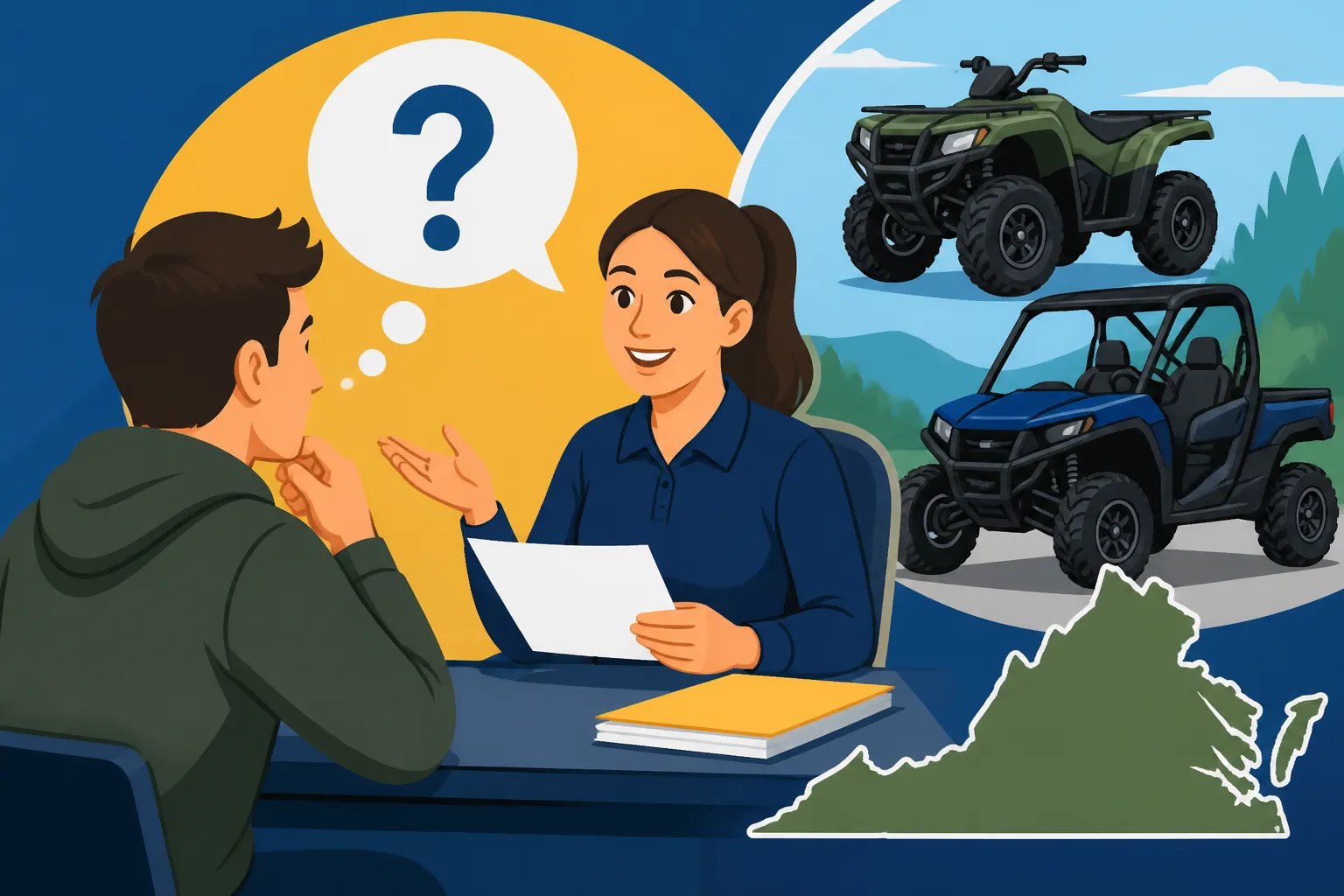
Stepping into the Virginia Department of Motor Vehicles can often feel like navigating a maze blindfolded, especially when dealing with the unique rules for ATV and UTV titles. Many riders face frustration trying to get clear answers, leading to uncertainty about whether they've completed the process correctly. This comprehensive guide will equip you with the essential questions to ask a DMV clerk, ensuring you walk out confident that your off-road machine is properly titled in the Commonwealth.
Navigating the DMV: Why Being Prepared Matters
Let's be honest: the DMV isn't typically anyone's favorite place to spend an afternoon. The lines can be long, the atmosphere can be bustling, and sometimes, it feels like you're speaking a different language than the person behind the counter. For ATV and UTV owners, this experience can be even more trying because these machines aren't treated like regular cars or trucks in Virginia. They have their own set of rules, and not every clerk is an expert on every single one of them. Being prepared with precise questions can save you immense time and prevent costly mistakes down the road.
The Frustration of Mixed Messages
It's a common story: you go to the DMV, ask a question, get an answer, then go home and hear something different from a friend or read conflicting information online. Or, worse, you go back to the DMV on a different day, ask the same question, and a different clerk gives you a completely different set of instructions! This isn't usually due to malice; it's often because DMV clerks are trained on a vast array of topics, from driver's licenses to boat registrations, and the niche world of ATV titling might not be their daily focus.
Imagine you're trying to title your newly purchased side-by-side. You ask if you need a title, and the clerk, thinking of cars, might say, "Of course, everything needs a title!" But then you remember that [Virginia Titles Are Optional on Used Machines] for ATVs under certain conditions. This is where your preparedness becomes your superpower. By knowing the right questions to ask, you guide the conversation and ensure you get the specific, accurate information you need, rather than a general answer that might not apply to your unique off-road vehicle.
Common Misconceptions About ATV Titling
One of the biggest hurdles many riders face is the assumption that ATVs are titled and registered just like passenger vehicles. This is simply not the case in Virginia. For instance, while you might be surprised to learn that [Virginia Titles ATVs but Does Not Register Them], this key distinction often confuses both riders and, occasionally, less experienced DMV personnel. There's no yearly sticker, no license plate issued for an ATV, which can make the whole concept of "titling" feel foreign.
Another common pitfall involves the idea that if an ATV doesn't get a license plate, it must not need a title. Not true! Virginia does title ATVs, and there are specific conditions under which it's mandatory, particularly for new machines bought after a certain date or those over a specific engine size. Understanding these nuances before you even step foot in the DMV office will empower you to ask targeted questions that get you the precise information you need, avoiding generic responses that could lead you astray.
Essential Questions to Ask for New ATV Titles
When you've just brought home a shiny new ATV or UTV from the dealer, the excitement is palpable. You want to get it titled so you can hit the trails legally and without worry. However, the process for a new machine has its own distinct requirements. Knowing precisely what documentation to present and what fees to expect will make your visit much smoother.
Proving Ownership for a Brand-New Machine
For a new ATV, the cornerstone of proving ownership isn't a bill of sale alone. It’s a specialized document that comes directly from the manufacturer. You absolutely need to confirm with the clerk that you have all your ducks in a row concerning this critical piece of paperwork.
Here's what to ask:
- "Do I need the Manufacturer's Statement of Origin (MSO) to title my new ATV, and what specific information should it contain?" This question zeroes in on the most crucial document. For a new machine, [Virginia Requires an MSO for a New Machine]. The MSO confirms the vehicle's origin and that it hasn't been titled before. It should list the manufacturer, vehicle identification number (VIN), engine size, model year, and the name of the dealer who sold it to you. You'll want to ensure all of this is present and correct, matching your purchase agreement.
- "What if the MSO is missing or has incorrect information?" While rare for new machines, errors can happen. You need to know the DMV's procedure for rectifying this. Typically, this would involve going back to the dealer to get a corrected MSO or a duplicate, but understanding the DMV's stance upfront is wise.
- "What documents prove I paid sales tax, or will I pay it at the DMV?" Many dealers collect sales tax on your behalf and provide a form or a line item on the buyer's order. However, if they don't, you'll be responsible for paying sales tax at the DMV. This question clarifies whether you need a specific receipt from the dealer or if the sales tax will be calculated and collected as part of your titling transaction.
Understanding Fees and Regional Differences
The fees associated with titling an ATV in Virginia are generally straightforward, but it's always best to confirm, especially with the sales tax component that can vary by region. You don't want any surprises when it's time to pay.
Consider these questions:
- "What is the current title fee for an ATV in my specific county or region?" While the base title fee is standardized across the state, some local jurisdictions might have very specific nuances, though this is less common for ATVs than for registered vehicles. It's always smart to confirm the exact figure you'll be paying. The actual title fee for an ATV tends to be a flat, relatively small amount, unlike the variable sales tax.
- "Are there any other fees or taxes I should be aware of when titling a new ATV?" Beyond the title fee, the primary other cost will be sales tax. Virginia has specific sales tax rates that apply to ATVs, and these can vary slightly depending on where you reside. Knowing [Virginia ATV Sales Tax Rate] is crucial. For instance, while the general state sales tax rate applies, certain regions might have additional local taxes. For example, some Northern Virginia and Hampton Roads localities have slightly higher overall sales tax rates. Clarifying this with the clerk ensures you calculate your "out-the-door" cost accurately. They will compute the sales tax based on the purchase price of your machine.
Key Questions for Used ATV Titles and Special Situations
Buying a used ATV from a private seller can be a fantastic way to save some money and get on the trails. However, the titling process for a used machine in Virginia can introduce a few more variables compared to buying new. It's also where you'll encounter some of the more unique situations that require careful attention to detail and specific questions for the DMV.
Verifying Ownership and History for a Used Machine
When you're dealing with a used ATV, the paperwork trail can sometimes be a bit dusty, or even non-existent in some cases. It's your responsibility to ensure you're getting a clear title (or the proper substitute) to avoid future headaches.
Here's what to ask the clerk:
- "If I bought a used ATV from a private seller, what paperwork do I need from them?" Ideally, you'd receive the previous owner's signed-over Virginia title, along with a bill of sale. The clerk can confirm that the title is properly signed and that all necessary fields are completed. A detailed bill of sale, often available through resources like LawDepot, can also provide extra layers of protection and clear transaction details.
- "What if the seller doesn't have a title for a used machine?" This is a common scenario, especially for older ATVs or those bought before titling became more prevalent. Virginia has a process for this! You'll likely need a notarized affidavit from the seller attesting to their ownership and how they acquired the machine. You should specifically ask about [The Notarized Affidavit That Replaces a Missing ATV Title] and if Form VSA 12M is the correct one to use. This can be one of the trickier parts of a private sale, and getting clear instructions from the DMV is paramount.
- "How do I ensure the serial number on the paperwork matches the machine?" Before you even head to the DMV, you should verify the VIN on the machine matches the title or bill of sale. But asking the clerk about their verification process adds another layer of security, particularly if they perform a quick check. This is a critical step in [Building a Paper Trail When You Buy a Used Quad] and preventing any issues with a stolen or misrepresented machine.
Addressing Unique Titling Scenarios
Life isn't always straightforward, and neither are all ATV transactions. You might find yourself in a situation that requires a special approach to titling.
Consider these specific inquiries:
- "What if I inherited an ATV? What probate or estate documents are required?" If you've been left an ATV in a will, you can't just show up with the machine. The DMV will need proof that you are the legal heir or executor of the estate. Ask the clerk what specific documents, such as a death certificate, will, or letters of administration, are necessary to process [Virginia Titles for an Inherited Machine].
- "I'm a new resident to Virginia with an out-of-state titled ATV. What's the process?" Welcome to Virginia! Your out-of-state title is the primary document you'll need. Ask the clerk what additional forms or identification are required to transfer your existing title to a Virginia title. This process for [Virginia Title for a New Resident] is usually less complicated than titling a brand-new machine, but still has specific requirements.
- "Can I add a second owner to the title, and what's needed for that?" Perhaps you and your spouse bought an ATV together, or you're adding a family member. If you want to put two names on the title, you'll need to ask what forms are required and if both parties need to be present or sign specific documents. This ensures [Putting a Husband and Wife on One ATV Title] is done correctly, specifying joint ownership if desired.
- "Does the ATV's engine size (e.g., under 50cc) impact titling requirements?" This is a key question because [Why 50cc Decides Whether Your ATV Needs a Title]. Generally, machines 50cc and under are considered mopeds or smaller recreational devices and may not require titling as an ATV. Clarifying this with the clerk will ensure you're not trying to title a machine that doesn't need one, or conversely, missing a required title for a slightly larger machine.
Practical Logistics and Post-Titling Inquiries
Once you've clarified the documentation and ownership specifics, it's time to focus on the nuts and bolts of the application itself and what to expect after you've submitted everything. Getting these logistical details ironed out will complete your smooth DMV experience.
The Application Process and What to Bring
Making sure you have the right forms filled out and all your supporting documents ready is the final step before handing everything over to the clerk. A little foresight here goes a long way.
Ask these questions to prepare:
- "Which specific DMV form do I need to complete for an ATV title, and can I fill it out beforehand?" The primary form for titling vehicles in Virginia is often Form VSA 17A. Asking about [Virginia Form VSA 17A Explained] will help you find the correct form, which you can often download from the DMV's website and fill out in advance. This saves time and reduces stress at the counter.
- "Do I need proof of Virginia residency, and if so, what types of documents are accepted?" Yes, you will need to prove your Virginia residency. This is important for identifying the correct sales tax rate and for ensuring the title is mailed to the right place. Ask the clerk what forms of identification and residency proof are accepted. Typically, this includes a valid Virginia driver's license or state ID, along with documents like utility bills, lease agreements, or other official mail showing your address, which falls under [Virginia Title and Proof of Address].
- "What payment methods does the DMV accept for title fees?" Knowing whether they accept cash, check, debit, or credit cards can prevent a last-minute scramble. Most DMV offices are flexible, but it's always good to confirm their specific policies to avoid any surprises at the payment window.
What Happens After I Apply?
You've submitted your paperwork, paid your fees, and breathed a sigh of relief. But the process isn't quite over. Understanding the next steps and what to expect will help manage any anxiety about receiving your new title.
Final questions to ask:
- "How long does it typically take to receive the ATV title in the mail?" The DMV usually processes titles efficiently, but mailing times can vary. Asking about [Virginia Title Processing Time] gives you a realistic expectation of when your title should arrive. This way, you're not wondering where it is after just a few days.
- "What should I do if my title never arrives or is incorrect?" If the expected timeframe passes and your title hasn't shown up, or if there's a typo on it, you'll need to know the procedure for follow-up. The clerk can tell you the best way to contact the DMV for assistance, which might involve a specific phone number or an online inquiry.
- "Since ATVs aren't registered, do I need to worry about yearly renewals or inspections?" The good news here is generally no. Unlike cars, ATVs in Virginia do not require annual registration renewals, inspections, or decals. This is why you won't get any yearly mailings or reminders for your ATV title. Confirming this with the clerk reiterates the unique nature of ATV titling in Virginia and gives you peace of mind. For example, you will never receive [Virginia Issues No Decals for ATVs] for your off-road machine.
By preparing these questions and understanding the unique aspects of ATV and UTV titling in Virginia, you'll transform your DMV visit from a potential headache into a smooth, efficient transaction. Whether you're dealing with new or used machines, special circumstances, or just the basic logistics, being informed is your best tool for success.
Documents for ATV Titling in Virginia: A Quick Comparison
To help you visualize the key differences, here's a table summarizing the essential documents you'll typically need for titling a new versus a used ATV in Virginia. Remember, this is a general guide, and specific situations (like inherited machines or out-of-state purchases) might require additional paperwork, so always confirm with the DMV.
| Document Type | For a Brand-New ATV (from a Dealer) | For a Used ATV (from a Private Seller) | Notes |
|---|---|---|---|
| Proof of Ownership | Manufacturer's Statement of Origin (MSO) | Previous owner's signed-over Title | The MSO is critical for new machines. For used, an original title signed by the seller is ideal. |
| Bill of Sale | Dealer Buyer's Order / Sales Contract | Written Bill of Sale | A detailed bill of sale protects both buyer and seller. LawDepot can be a good resource for templates. |
| DMV Application | Virginia Form VSA 17A | Virginia Form VSA 17A | The application for title is the same form for both new and used machines. |
| Residency Proof | Valid VA Driver's License/State ID + Proof | Valid VA Driver's License/State ID + Proof | Required for all titling transactions to confirm your Virginia address. |
| Sales Tax Payment | Collected by dealer OR paid at DMV | Paid at DMV (unless exempt) | Sales tax is typically paid on all ATV purchases in Virginia unless a specific exemption applies (e.g., farm use exemption). |
| Missing Title | Not applicable | Notarized Affidavit (VSA 12M) | If the seller doesn't have a title for an older used machine, this affidavit, also available on LawDepot for drafting, may be accepted by the DMV. |
Disclaimer
This article is for general informational purposes only and does not constitute professional advice. Laws, prices and regulations vary by location and change over time. Consult a qualified professional for guidance on your specific situation.