Keeping a Quad at an Appalachian Hunting Camp
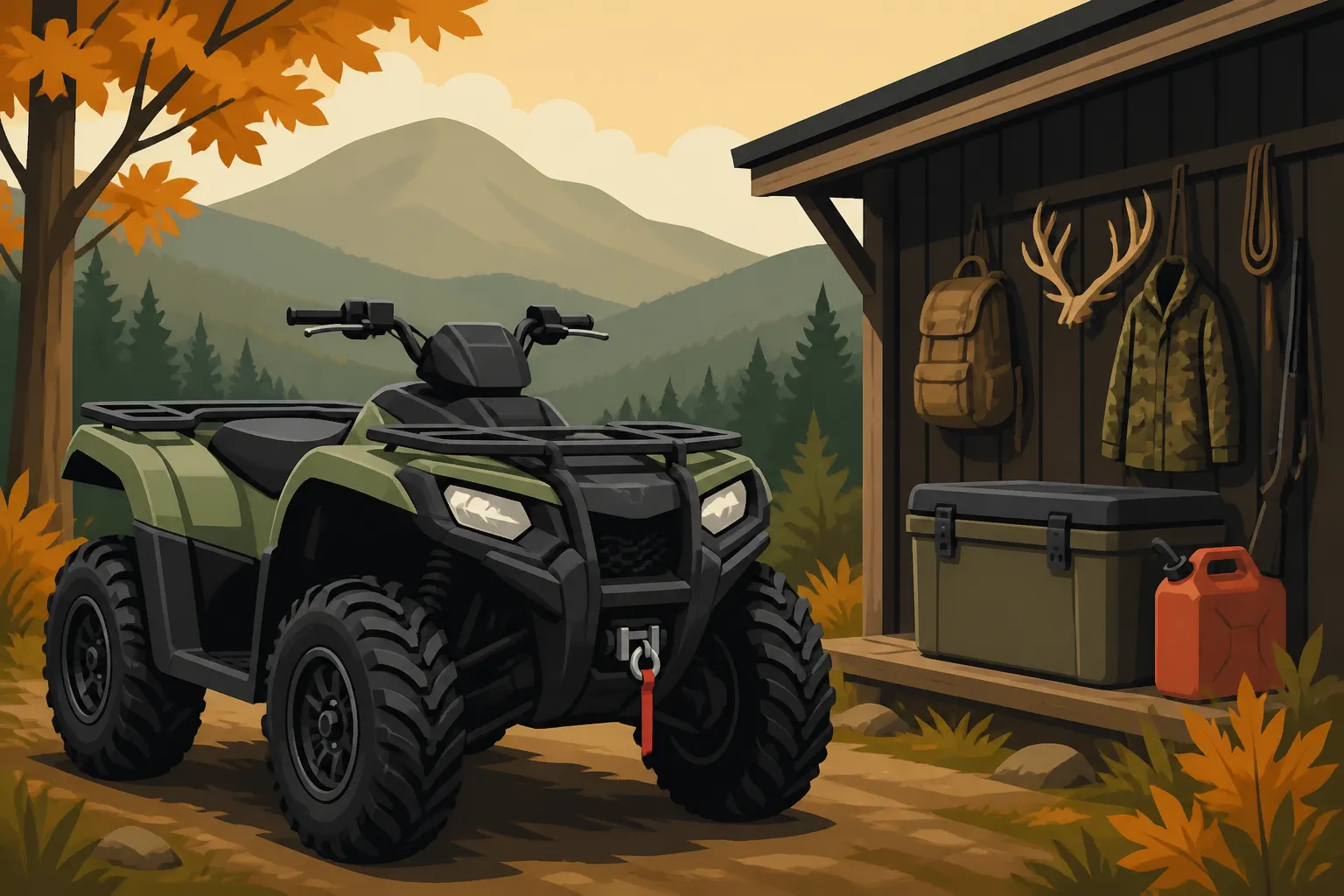
There's nothing quite like the crisp air, the rustling leaves, and the camaraderie of an Appalachian hunting camp in Virginia. For many, an ATV or UTV is an indispensable part of that experience – hauling gear, scouting locations, or getting to that perfect stand. But bringing your machine to a remote camp in the Virginia mountains comes with its own set of unique challenges and considerations. This guide is here to walk you through everything from legalities to storage, ensuring your quad enhances, rather than complicates, your time in the wilderness.
Navigating Virginia's ATV Rules for Hunting Camps
Let's face it, when you're thinking about chasing whitetails or exploring new trails, the last thing on your mind is often the minutiae of state law. But understanding Virginia's specific rules for ATVs, especially when they're associated with a hunting camp, is crucial for peace of mind and staying on the right side of the law.
Understanding Private Land Access and Consent
One of the most common scenarios for a hunting camp involves private land – whether you own it, lease it, or are a guest. Virginia is clear on this: you need permission. This isn't just a friendly suggestion; it's a legal requirement that can save you a lot of headaches, especially if a question of trespass ever arises.
Imagine you've got your ATV nestled deep in the woods at a camp you share with a few buddies. Everything seems fine, but if you're on land that isn't solely your own, verbal permission might not be enough. Having [Virginia Written Consent on Private Land] can be a game-changer. This document should explicitly state who is allowed to operate the ATV, on which specific parcels of land, and for what duration. It’s not just about proving you can ride; it’s about avoiding awkward encounters with landowners, game wardens, or even curious neighbors. A good consent form might even specify machine details, like the make and model of your quad, to leave no room for doubt. For those managing a hunting lease, a comprehensive written agreement is paramount, not just for ATV use but for all activities on the property. Websites like LawDepot offer templates for these kinds of agreements, helping you formalize everything so everyone is on the same page.
When you're dealing with timber company land or large private parcels often leased to hunting clubs, the rules can be even more stringent. These entities often have their own specific permitting processes or require their own detailed liability waivers. Assuming "it's always been okay" is a recipe for trouble. Always check with the land manager, club president, or property owner. They might have maps indicating approved access routes or designated riding areas, and straying from these could jeopardize your hunting privileges or even lead to fines.
The Legalities of Transporting Your Quad to Camp
So, you've got your hunting camp set up, and now you need to get your trusty quad there. This isn't like driving your truck down the highway. Virginia has specific laws about where ATVs can and cannot be operated, and these largely revolve around public roads.
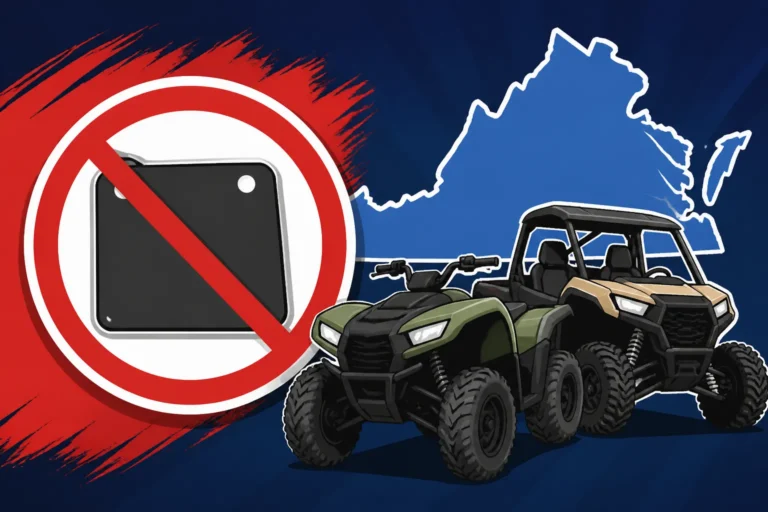
First and foremost, remember that [Virginia Titles ATVs but Does Not Register Them]. This means your ATV won't have a license plate like a car or even a dirt bike converted for street use. Because of this, [Virginia Bans ATVs on Public Highways]. This isn't just about interstates; it applies to most paved and even unpaved public roads in the Commonwealth. So, you absolutely cannot just ride your ATV from your home to your hunting camp if it involves any significant stretch of public road. You'll need a trailer or the bed of a truck to transport your machine. This might seem like an obvious point, but it's a mistake some folks make, especially when the camp feels "out in the middle of nowhere."
There are a few very limited exceptions, mainly in designated coalfield counties like Buchanan and Tazewell, where specific, named routes are opened for ATV use under strict conditions, such as during daylight hours, for short distances, and with speed limits. [Virginia Buchanan and Tazewell County Road Access] can be a lifesaver for connecting trail sections or getting to a trailhead. However, these are exceptions, not the rule, and they don't apply to general travel to a hunting camp. Always verify the exact routes and conditions if you plan to utilize them. For the vast majority of Virginia, your ATV needs to be trailered until you are safely on private land or a designated off-road trail system.
Titling and Ownership Considerations for a Camp Machine
When an ATV lives primarily at a remote hunting camp, the paper trail of its ownership can sometimes get a little fuzzy over time. But having clear proof of ownership is not just good practice; it's essential for a variety of reasons, from theft recovery to future sales.
Virginia has an interesting quirk: [Why Titling a Used Quad Is Optional in Virginia]. If you bought your ATV used, you weren't legally required to title it in Virginia, which is different from cars or trucks. This means many older ATVs, especially those that have been passed down through families or bought in casual private sales, might never have been titled. However, even though it's optional, [Titling an Old Quad to Prove You Own It] is often a very smart move, especially for a machine that might be left unattended for periods at a hunting camp. A Virginia title is the strongest legal proof you have that you are the rightful owner. It shows your name on a government document, making it much harder for someone else to claim the machine as their own or for law enforcement to question its provenance if it's recovered after being stolen.
If your machine has no paperwork at all – no old title, no bill of sale – you're in a trickier spot. For a private sale, a clear, dated bill of sale, signed by both parties, is your primary defense against questions of ownership. This document should include the make, model, year, and crucially, the Vehicle Identification Number (VIN) of the ATV, along with the purchase price and seller's information. Even if you've had the machine for years, creating a simple "as-is" bill of sale retroactively, perhaps with a notarized affidavit from the original seller if possible, can help build a paper trail. This is another instance where online resources like LawDepot can provide customizable bill of sale templates that help ensure you include all the necessary information, providing a clear record for both parties. In the absence of a title, a solid bill of sale is your best friend.
Protecting Your Investment at an Appalachian Hunting Camp
Leaving any valuable asset unattended, especially in a remote location, comes with inherent risks. Your ATV is a significant investment, and ensuring its safety at your Appalachian hunting camp requires a proactive approach to security and maintenance.
Securing Your ATV Against Theft and Damage
Hunting camps, by their very nature, are often isolated. While this is part of their appeal, it also makes them targets for opportunistic thieves. Imagine returning to camp after a week only to find your quad gone – a devastating thought.
Implementing robust security measures is paramount. Start with physical deterrents: heavy-duty chains and locks securing your ATV to an immovable object, like a solid tree or a ground anchor. If you have a shed, make sure it's not just a flimsy structure. Reinforce doors, use strong padlocks, and consider adding an alarm system, even a battery-operated one that sends alerts to your phone if it has cell service. Many modern ATVs and UTVs also come with ignition kill switches or even GPS tracking devices. The latter can be invaluable for recovery if the worst happens, helping law enforcement pinpoint its location. Parking your ATV out of sight from any access roads, deep within the camp property, is also a simple but effective deterrent. Remember, most thieves are looking for an easy target; making your machine harder to steal often makes them move on.
Beyond theft, consider damage from the elements or accidental incidents. While [Virginia Requires No ATV Insurance], having a comprehensive policy can be a lifesaver. Standard liability policies won't cover your machine if it's stolen from your camp or damaged in a tree fall. But comprehensive coverage, often combined with collision, protects your investment from a range of perils, including theft, vandalism, fire, and even certain natural disasters. It provides genuine peace of mind, knowing that if something unfortunate happens while your quad is stored at camp, you won't be out thousands of dollars.
Maintenance for Machines Stored in Remote Locations
An ATV left idle for extended periods in the varying Appalachian weather needs specific care. Ignoring it can lead to frustrating breakdowns when you're ready to hit the trail.
Mountain weather can be unpredictable and harsh. Humidity, freezing temperatures, and even long stretches of dry heat can all take a toll. If you're leaving your machine at camp for weeks or months, proper winterizing is crucial, even if it's just for a storage period over the summer. This includes fuel stabilization to prevent ethanol from degrading and clogging the fuel system, disconnecting or removing the battery to prevent drain, and ensuring tires are properly inflated (or even lifted off the ground) to prevent flat spots. You might also want to cover your ATV to protect it from dust, sun, and moisture, even if it's in a shed. Many riders who store their machines through the colder months follow these practices, similar to how one might treat [Virginia Machines Stored Over Winter] at home.
Before every ride, especially after a period of storage, a thorough pre-ride check is essential. Look for signs of rodent damage to wires, check fluid levels, inspect tires for cracks or low pressure, and ensure brakes are functioning properly. Keeping a basic tool kit and a few essential spare parts (like a spark plug, fuses, or a tire repair kit) at the camp can prevent a minor issue from ruining a whole hunting trip. Nothing is worse than getting all the way to a remote camp, ready to ride, only to find your machine won't start because of an easily preventable issue.
Navigating the Trails Around Your Virginia Hunting Camp
Once your ATV is safely at camp and ready to roll, the next adventure is exploring the trails. But even here, there are rules and best practices to ensure a smooth and enjoyable experience.
Understanding Trail Systems and Permits
The Appalachian region of Virginia offers a variety of riding opportunities, but knowing where you can legally ride is key. Not all trails are created equal, and not all land is open to ATVs.
You might be riding exclusively on private land associated with your hunting camp. If so, your [Virginia Written Consent on Private Land] is your primary document. However, you might also want to access larger, public trail systems. Virginia is home to fantastic networks like the Spearhead Trails and sections of the George Washington and Jefferson National Forests that allow OHV riding. Each of these has its own set of rules and, importantly, requires permits. For instance, [Virginia National Forest OHV Permits] are required for trails like Peters Mill Run and Taskers Gap, and these are separate from the permits needed for the [Virginia Spearhead Trail Permits]. Spearhead, for example, offers annual and multi-day permits and has specific rules about machine width and rider age.
It's critical to understand which type of land you're on and to acquire the correct permits before you unload your ATV. Penalties for riding without a permit can be steep, and ignorance of the rules is rarely an accepted excuse. Always check the official websites or contact the local land management offices for the most current information on trail status, closures, and permit requirements.
Responsible Riding and Environmental Considerations
Riding an ATV in the backcountry is a privilege, and with that comes a responsibility to the environment and to other users of the land. Our actions on the trail have a direct impact on the future of off-road riding opportunities.
Always stick to marked trails. "Trail blazing" or creating new routes, especially across sensitive terrain, can cause erosion, damage vegetation, and disrupt wildlife habitats. Avoid riding in creek beds or through wetlands, as this contaminates water sources and damages delicate ecosystems. Adhering to "Leave No Trace" principles is essential: pack out everything you pack in, and leave the natural environment as you found it.
In remote hunting areas, you might also encounter other outdoor enthusiasts – hikers, equestrians, or even other hunters. Be courteous, yield the right-of-way, and always operate your machine at a reasonable speed. Noise can also be a concern. While ATVs make noise, excessive revving or aftermarket exhausts that exceed legal limits can lead to [Virginia Noise Complaints About Quads] from nearby residents or other land users. Be mindful of your impact and try to be a good neighbor, especially when passing through areas where sound carries.
Safety Gear and Emergency Preparedness
Safety should always be your top priority, whether you're riding a hundred miles from home or just from your camp to a deer stand. The rugged Appalachian terrain demands respect and proper preparation.
Virginia's helmet law is straightforward: [Virginia Helmet Law Applies to Every Rider], regardless of age, skill level, or whether you're on private or public land. This means everyone on your ATV or UTV at the hunting camp must wear a DOT-compliant helmet. Eye protection is also highly recommended, if not legally required, to shield your eyes from dust, branches, and insects. Beyond the basics, consider other protective gear like gloves, long pants, and sturdy boots.
Given the often-remote nature of hunting camps and associated trails, emergency preparedness is non-negotiable. Always carry a well-stocked first-aid kit. Consider a communication device beyond your cell phone, as [Cell Dead Zones in the Coalfields] are common in the mountains. Satellite communicators or two-way radios can be literal lifesavers. Always let someone know your riding plan – where you're going and when you expect to return. Riding with a buddy system is another smart strategy, ensuring someone is there to assist in case of a breakdown or injury. A small fire starter, a knife, and extra water are also good additions to your camp-riding pack.
Special Scenarios for Appalachian Hunting Camps
Hunting camps often involve shared spaces, shared machines, and unique situations that benefit from clear planning. Let's look at a few scenarios specific to an Appalachian hunting camp.
Co-Owned Machines and Shared Access
It's common for a hunting camp to be a communal effort, and that often extends to the ATVs. If you're sharing an ATV with a partner, family member, or hunting buddies, clarify ownership and access rules upfront to avoid future disagreements.
When purchasing a machine for shared use, consider having [Virginia Title With Two Owners]. This ensures that both parties have a legal claim to the machine, which can be important for insurance purposes, future sales, or if a dispute arises. However, simply putting two names on a title isn't enough. It's wise to create a written agreement outlining who is responsible for maintenance costs, repairs, storage, and general usage guidelines. This informal partnership agreement can cover everything from who gets to use the machine during certain hunting seasons to how major repair bills will be split. Again, legal document services like LawDepot can provide templates for co-ownership agreements that can be customized to your specific needs, providing a formal framework for what could otherwise be a casual arrangement.
Hunter-Specific Gear and Modifications
For hunters, ATVs are more than just recreational vehicles; they are tools. Modifying your quad for hunting can greatly enhance its utility, but there are some legal and practical considerations.
Many hunters equip their ATVs with specialized racks for carrying gear, treestands, or even game. When carrying a rifle, it's crucial to understand [Virginia Rules for Carrying a Rifle] on an ATV. Generally, firearms must be unloaded and securely cased when being transported on an ATV. Never ride with a loaded firearm, especially if it's unsecured. Check local game laws as well, as some areas may have additional restrictions. Beyond firearms, consider durable baskets or cargo boxes to protect your other hunting gear from the elements and trail vibration.
Keep in mind that adding significant weight or making extensive modifications can affect your ATV's stability, handling, and braking performance. Always test your machine with any new gear before heading out on a critical hunt or a challenging trail. Ensure that added accessories don't obstruct your vision or interfere with the safe operation of the controls.
Legal Aspects of Guest Riders
If friends or family visit your hunting camp and want to ride your ATV, you, as the owner, have certain responsibilities.
First, ensure anyone riding your ATV, especially on leased or private land, has explicit permission. If your [Virginia Written Consent on Private Land] is specific about who can ride, make sure your guest is covered or that you have additional written permission. Second, be acutely aware of Virginia's age limits and helmet laws. [Virginia Age Limits by Engine Size] dictate what size ATV a minor can operate, and a parent or guardian must always supervise riders under 16. As mentioned, everyone, regardless of age, must wear a helmet. As the owner, you could be held liable if a guest is injured due to negligence or if they violate state laws while using your machine.
For added protection, especially if you regularly have guests, consider having them sign a waiver of liability. This document, often available through services like LawDepot, can help protect you from lawsuits if a guest is injured while using your ATV on your property. While not foolproof, it demonstrates that you've taken steps to inform them of risks and that they've accepted those risks. Clear communication of your camp's rules, safety guidelines, and Virginia's ATV laws to every guest is vital for a safe and enjoyable experience for everyone.
ATV Ownership Documentation Comparison for Hunting Camps
| Document Type | Purpose | Virginia Requirement (ATV) | Benefits for Camp Use | Risks Without It |
|---|---|---|---|---|
| Virginia Title | Proof of legal ownership | Optional (used machines) | Strongest proof for theft recovery, future sale, liens | Difficulty proving ownership, potential for fraud |
| Bill of Sale | Record of purchase, transfer of ownership | Recommended | Proves purchase, establishes VIN, seller info | Questions of ownership, no sales tax record |
| Written Landowner Consent | Permission to ride on private land | Required (if not owner) | Avoids trespass charges, clarifies access | Trespass, fines, strained landowner relations |
| Co-Ownership Agreement | Defines rights/responsibilities of co-owners | Not legally required | Prevents disputes over use, maintenance, sale | Disputes, financial disagreements, unclear liability |
| Waiver of Liability | Releases owner from injury claims by guests | Not legally required | Protects owner in case of guest injury | Potential for costly lawsuits from injured guests |
| Insurance Policy | Covers theft, damage, liability | Not legally required | Financial protection against loss, theft, damage | Significant financial loss if machine is damaged/stolen |
Keeping an ATV at an Appalachian hunting camp in Virginia is an incredible asset, providing unmatched utility and adding to the outdoor experience. By understanding and adhering to Virginia's ATV laws, securing your machine properly, maintaining it for remote storage, and riding responsibly, you can ensure that your quad remains a valuable and trouble-free part of your hunting adventures for years to come. Do your homework, prepare thoroughly, and most importantly, enjoy the wild beauty of Virginia's mountains.
Disclaimer
This article is for general informational purposes only and does not constitute professional advice. Laws, prices and regulations vary by location and change over time. Consult a qualified professional for guidance on your specific situation.