The Motorcycle Dealer License Number on Your MSO
Bringing home a new ATV or UTV should be a moment of pure excitement, picturing all the trails and adventures ahead. But then the paperwork starts, and suddenly that excitement can turn into a headache. One of the documents that often causes confusion is the Manufacturer's Statement of Origin (MSO), especially when you get to the details like the dealer's license number. This guide is here to demystify that specific number and explain why it’s so crucial for getting your off-road machine properly titled in Virginia, helping you avoid unexpected delays and frustrations.
Understanding the Manufacturer's Statement of Origin (MSO)
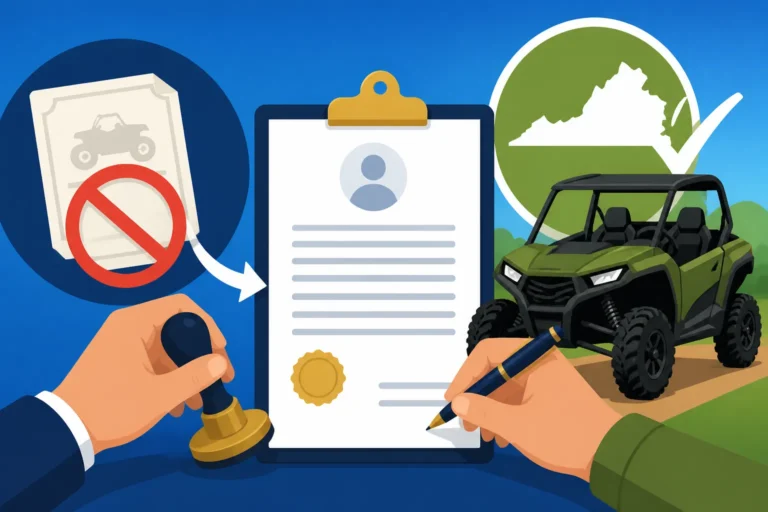
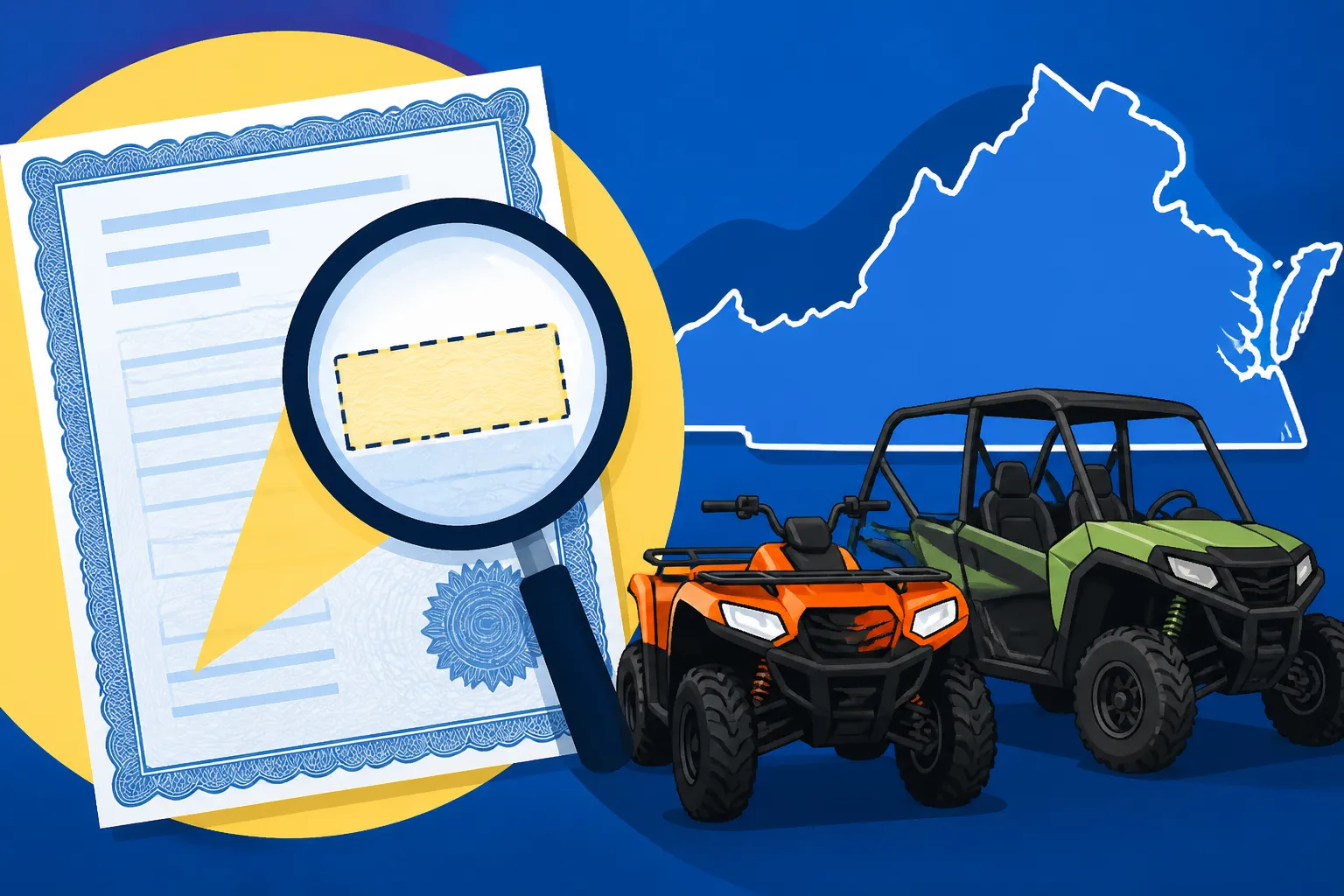
The Manufacturer's Statement of Origin, or MSO, is essentially the birth certificate for your brand-new ATV or UTV. It’s issued by the manufacturer when the machine rolls off the assembly line and is transferred to the dealership when they purchase inventory. Think of it as proof that the vehicle is new, hasn't been titled before, and is ready for its very first owner. Without a valid MSO, you generally can't title a new off-road machine in Virginia, as it's the primary document establishing the chain of ownership from the factory. [Virginia Requires an MSO for a New Machine] and it serves as the official declaration of the machine's initial specifications, including its VIN, make, model, and engine size.
For many folks, the MSO might look like just another piece of paper in a stack of documents, but its importance can't be overstated when it comes to legal ownership and titling. Unlike a traditional vehicle title, an MSO isn't something you keep indefinitely; it’s surrendered to the Department of Motor Vehicles (DMV) when you first apply for a title. It confirms that you are the first retail owner and sets the stage for the DMV to issue your official Virginia title. If you're wondering [What You Get for the $15 ATV Title Fee], a correctly submitted MSO is the first step toward getting that official proof of ownership.
What an MSO Contains and Why Each Detail Matters
An MSO isn't just a basic document; it's packed with specific information, each piece vital to the titling process. Beyond the machine's identifying details like the Vehicle Identification Number (VIN) and engine displacement, it will list the manufacturer, the model year, and often the weight. It also clearly indicates the dealer who purchased the machine from the manufacturer and then sold it to you, the retail buyer. This detailed chain of custody is essential for tracking ownership and for tax purposes. For example, [Virginia Sales Tax at Titling] is often calculated based on the sales price listed on the MSO or accompanying bill of sale.
Critically, the MSO will also include fields for the date of sale to the retail purchaser, the purchaser's name and address, and signatures from both the dealer and the buyer. These fields are what complete the MSO’s journey from factory to you, confirming that you are the rightful first owner. Any missing or incorrect information here can hold up your title application at the DMV. It's truly [The MSO You Need to Title a New Quad], and double-checking every line before you leave the dealership is a smart move.
Decoding the Motorcycle Dealer License Number on Your MSO
Now, let's zoom in on that specific detail: the motorcycle dealer license number. You might scratch your head and think, "Wait, I bought an ATV, not a motorcycle!" And that's a perfectly valid thought. However, in Virginia, the DMV often uses existing categories and forms that can blur the lines, especially for dealers who might sell both motorcycles and ATVs. Many dealerships that sell off-road machines are primarily licensed as motorcycle dealers, even if their inventory includes a significant number of ATVs and UTVs. The dealer license number on your MSO is a specific identifier for the selling dealership, issued by the state's motor vehicle regulatory body, which is usually the DMV itself.
This number is paramount because it verifies that the dealer you purchased your machine from is legitimate and authorized to sell motor vehicles (including ATVs and UTVs) in Virginia or their respective state. It's essentially the DMV's way of cross-referencing the transaction to a recognized, regulated entity. When you submit your MSO to title your new ATV, the Virginia DMV will look for this number to confirm the dealer's credentials. It’s part of the due diligence they perform to ensure everything is above board.
Where to Find It and What It Looks Like
The exact placement of the dealer license number can vary slightly depending on the manufacturer’s MSO form, but it’s typically found in a designated section for dealer information. Look for fields labeled "Dealer License Number," "Selling Dealer Code," or something similar, usually near the dealer's name, address, and signature block. This number is usually a combination of letters and numbers, unique to that specific dealership. It’s not a VIN, and it’s distinct from any internal dealer inventory numbers.
For example, you might see a section that clearly states the dealer’s name, like "Mountain View PowerSports," followed by their address and then a line that says "VA Dealer License # XXXXX." If you're having trouble locating it, don’t hesitate to ask the dealership's finance or titling department to point it out. They deal with these documents every day and can easily help you identify [The Motorcycle Dealer License Number on Your MSO]. Ensuring this field is filled out accurately and completely is a critical step in streamlining your titling process.
Why This Number is Crucial for Virginia Titling
The Virginia DMV relies on the dealer license number to validate the sales transaction. It's a key piece of information that helps them confirm that the machine was purchased from a legally operating dealer. Without it, or if the number is incorrect, your title application could be flagged for review, leading to delays. The DMV needs this verification to process your application efficiently and to ensure that sales tax (if applicable) is properly accounted for and collected. When you complete [Virginia Form VSA 17A Explained], which is the application for certificate of title and registration, accurate dealer information from the MSO is part of what gets transferred to that form.
Beyond just the initial titling, this number can be important for other reasons, such as manufacturer recalls or warranty claims, though its primary role for the DMV is in establishing the legitimate first sale. In essence, it’s a stamp of approval from the state that the dealer is authorized to conduct business, giving the DMV confidence in the validity of your MSO and subsequent title application.
Common Issues with MSOs and Dealer Information
It's a perfect world where every MSO is filled out flawlessly, but sometimes mistakes happen, or crucial information is simply overlooked. One of the most common issues is a missing or incorrect dealer license number. This might occur if a dealership employee rushes through the paperwork, or if they're unfamiliar with specific Virginia requirements if you're buying out-of-state. A blank field or a typo here can cause your title application to hit a snag at the DMV, delaying your ability to hit the trails legally.
Another problem can arise if the MSO isn't properly assigned to you. This means the dealer failed to fill in your name and address as the first retail purchaser, or they didn't sign and date the document. While not directly about the dealer license number, an incomplete assignment of the MSO makes the entire document invalid for titling purposes, regardless of whether the dealer number is correct. [Title Mistakes Virginia Riders Make Most Often] often involve these small but critical omissions on the MSO or bill of sale.
What Happens if the Dealer License Number Is Missing or Incorrect?
If you present an MSO to the Virginia DMV with a missing or incorrect dealer license number, don't be surprised if your application is rejected or put on hold. The DMV clerk will likely inform you that the document is incomplete and cannot be processed as is. They need that number to complete their verification process. You'll then be in the unenviable position of having to contact the selling dealership, explain the issue, and request a corrected MSO or a supporting document that provides the missing information.
This can be particularly frustrating if you've purchased your ATV or UTV from an out-of-state dealer, as it adds the complication of long-distance communication and potentially mailing documents back and forth. You might even need to get a notarized affidavit from the dealer to rectify the situation. For instance, if you're ever in a bind regarding missing documentation, resources like LawDepot can provide templates for affidavits or bills of sale that might help clarify details for the DMV, though they won't replace a properly issued MSO. They are useful for creating supporting documentation when you need to formally attest to certain facts for the DMV, especially if you need a [Virginia Notarized Affidavits in Lieu of Title] in another context.
Dealing with Out-of-State Dealers or Online Purchases
Buying a new ATV or UTV from an out-of-state dealer or through an online marketplace can complicate the MSO process. While Virginia honors MSOs from other states, the out-of-state dealer must still adhere to proper documentation practices. Their license number will reflect their state of origin, but it should still be present and valid for their state's regulations. The Virginia DMV will typically verify that the selling entity is a legitimate dealer in their home state.
However, issues can arise if you purchase from a less conventional source, or if the dealer is not familiar with Virginia's specific requirements. Always double-check your MSO from an out-of-state purchase to ensure all fields, including the dealer license number and your assignment as the buyer, are correctly filled out. It might be wise to confirm with the dealer before the sale that they understand you're titling the machine in Virginia and will provide all necessary documentation for that process. This proactive approach can save you a lot of grief down the line.
Steps to Ensure Your MSO is Correct for Virginia Titling
The best defense against MSO issues is a good offense. Being proactive and meticulously checking your paperwork at the time of purchase can save you countless hours and headaches later. As soon as you complete the purchase of your new ATV or UTV, take a few moments to thoroughly review the MSO provided by the dealer. This quick check can prevent significant delays in getting your title.
First, confirm that the VIN on the MSO exactly matches the VIN on your machine itself. A single digit off can invalidate the entire document. Next, verify that your full legal name and current address are correctly entered as the first retail purchaser. Ensure the date of sale is accurate. Then, locate the section for the dealer’s information. Confirm the dealer’s name and address are correct, and most importantly, check that the "Motorcycle Dealer License Number" or equivalent field is filled in completely and legibly. If anything is missing or looks incorrect, ask the dealer to fix it immediately, before you leave their premises.
A Checklist for Your MSO Review
Here's a simple checklist to run through before you leave the dealership with your new machine:
| MSO Detail | Check for | Action if Incorrect |
|---|---|---|
| VIN | Matches machine's VIN exactly | Have dealer correct or issue new MSO. |
| Purchaser Info | Your full legal name, current address, date of birth | Have dealer correct immediately. |
| Sale Date | Accurate date of purchase | Have dealer correct. |
| Dealer Info | Dealer's name, address, and proper signature | Ask dealer to sign or correct. |
| Dealer License # | Present, legible, and correct | Ask dealer to fill in or correct. Obtain a letter from them if needed. |
| Manufacturer Info | Correct make, model, year, engine size | Verify against machine specs. |
| Odometer Reading | "Exempt" or correct hours (if applicable) | [Virginia Skips the Odometer Rule for ATVs], but useful for records. |
| Sales Price | Matches your bill of sale | Important for [Virginia Sales Tax at Titling]. |
If you find any discrepancies, do not leave the dealership until they are resolved. It is far easier to get these corrections made while you are still there, with their staff and resources readily available.
What to Do if You Discover an Error Later
So, you got home, started filling out your title application, and realized the dealer license number is missing on your MSO, or some other critical detail is incorrect. Don't panic, but do act quickly. Your first step should be to contact the selling dealership immediately. Explain the issue clearly and politely, and request their assistance in correcting the MSO or providing a letter on official letterhead that clearly states the missing information and refers to your specific VIN. This letter should be signed by an authorized representative of the dealership.
If the dealer is unresponsive or unhelpful, or if they are no longer in business, the situation becomes more challenging. In some cases, you might need to compile additional proofs of ownership, such as a detailed bill of sale (which you can often find templates for on sites like LawDepot), receipts, and any communication with the dealer. You may have to visit the DMV in person to explain your situation, bringing all supporting documentation. While the DMV prefers a perfectly completed MSO, they do have procedures for handling unusual circumstances, though it may require more time and effort on your part. Remember, a smoothly processed application for titling, which can take some [Virginia Title Processing Time], depends heavily on these foundational documents being correct.
Getting your ATV or UTV titled in Virginia should be a straightforward process, and understanding the role of the motorcycle dealer license number on your MSO is a key part of that. By being attentive to the details and proactive in verifying your documents, you can help ensure a smooth journey from dealership to your first ride on the trails.
Disclaimer
This article is for general informational purposes only and does not constitute professional advice. Laws, prices and regulations vary by location and change over time. Consult a qualified professional for guidance on your specific situation.