What a Trail Ranger Checks When You Are Stopped
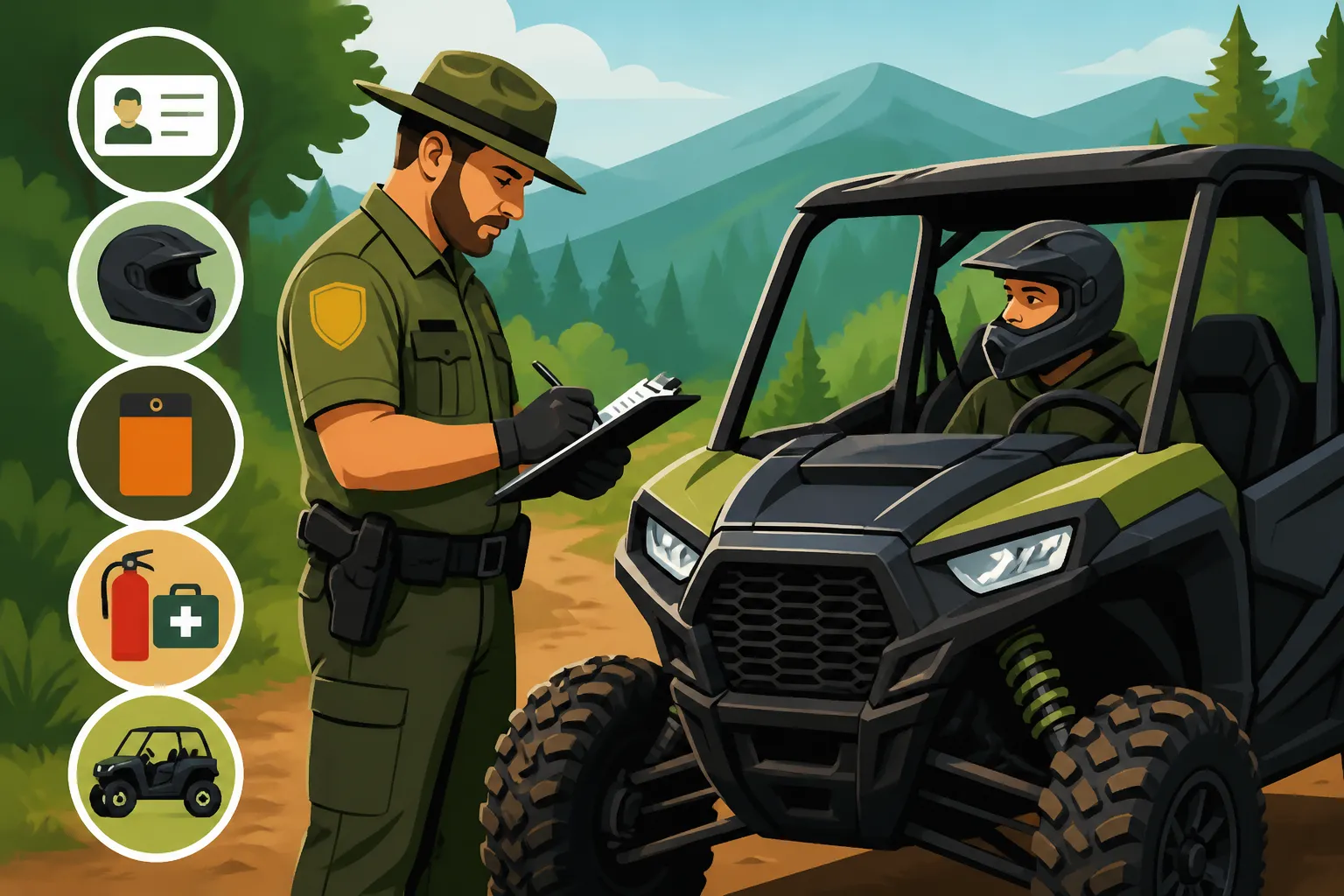
A stop on a Virginia off-road trail can feel more stressful than it needs to be, especially if your permit is digital or you are riding with children. Knowing what a ranger may check helps you prepare without carrying a pile of unnecessary paperwork. On Spearhead trails, the basics are your permit and identity, plus whether your riders and machine meet the rules for that system.
Start With Your Permit and Identity
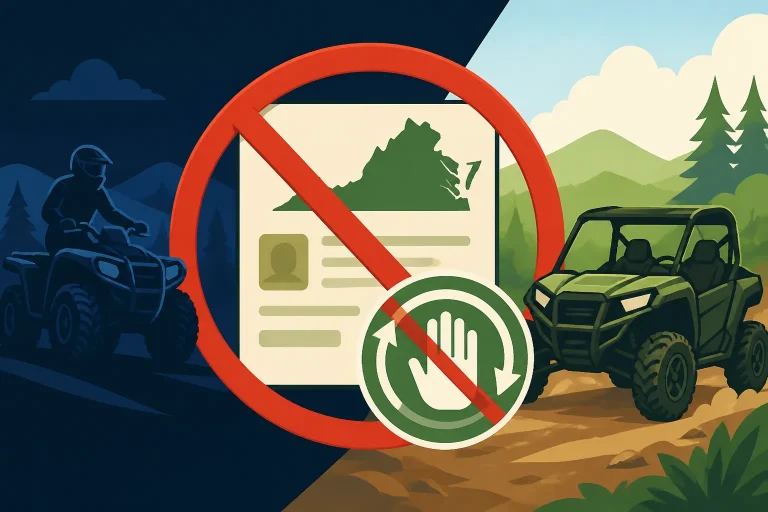
On the Spearhead trail system, a ranger may check that you have a valid permit for the machine or rider covered by the system’s rules. Spearhead permits are digital, so a sticker on your ATV or UTV is not the proof to rely on. Keep the permit email or other available confirmation easy to retrieve, and know which name it was issued under.
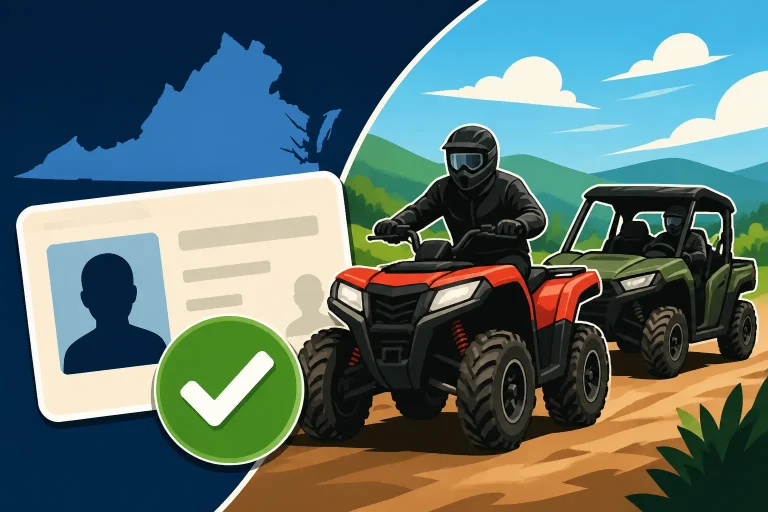
A ranger may verify the permit using the name associated with it. Your photo ID should match that name. If a permit was purchased for someone else in your group, do not assume that showing your own ID will settle the check. Sort out who holds each permit and what identification goes with it before leaving home. For help with the steps, see Virginia Permit Verification Steps.
| What may be checked | What to have ready | Why it matters |
|---|---|---|
| Spearhead permit | Permit confirmation, such as the email on your phone | Spearhead permits are digital rather than displayed as a required sticker |
| Permit identity | Photo ID matching the permit name | Rangers may look up a permit by name |
| Rider age | Accurate ages for each rider | Trail rules include age requirements and manufacturer limits |
| Required riding gear | Helmet and eye protection | Trail equipment rules apply while riding |
| UTV equipment | Factory cage and working seatbelts, as applicable | Spearhead has requirements for machines with occupant seats |
| Conduct on the trail | Speed and operating hours | Riders must follow trail-system operating rules |
A digital permit can be hard to show if your phone has no signal, the battery is low, or the confirmation is buried in your inbox. Save the confirmation where you can open it offline, and charge your phone before the ride. A screenshot may help you retrieve the details, but it is sensible to retain the original confirmation too. Do not assume that a weak signal means the ranger cannot verify a permit; trail staff may be able to look it up by name.
The permit for one trail network does not necessarily cover another. Spearhead and Hatfield-McCoy, for example, use separate permits. A permit bought for a Virginia forest riding area is also not interchangeable with a Spearhead permit. Check which system you are entering and confirm the current requirements with its operator. The difference between permit systems is covered in Virginia National Forest OHV Permits and Virginia Riders Visiting Hatfield-McCoy.
A permit is not the same thing as proof of ownership, a vehicle title, or permission to use private land. Carrying ownership records may help answer questions if a machine’s identity or ownership is unclear, but do not treat a title as a substitute for a trail permit. Conversely, do not assume that a permit proves ownership. If you are unsure what papers matter for your situation, see Virginia Proof of Ownership on the Trail.
If you are riding with a group, do a quick permit check before the group sets off. Confirm that every rider who needs a permit has one, that each permit is associated with the right person, and that the matching photo ID is available. This is easier to fix at the staging area than during a stop on the trail.
Rider Age, Safety Gear, and UTV Equipment
A ranger may check whether riders meet the applicable age rules and are using required protective gear. Virginia trail requirements can include helmet and eye protection rules, but details depend on the riding area and the type of machine. Do not assume that being an adult, riding on private land, or having a parent nearby automatically removes a trail-system requirement. For the trail-specific details, see Virginia Helmet and Eye Protection Rules on Trail.
Age checks matter when children are riding. Spearhead follows the machine manufacturer’s minimum age guidance rather than setting one universal age for every ATV. The manufacturer’s age recommendation for the machine is therefore important when deciding whether a child can ride it. A parent or other responsible adult should also make sure the child can reach and operate the controls safely, but practical readiness does not replace the machine’s stated minimum age.
Rules for riders under 18 include supervision and permit considerations. If a minor is riding, make sure the accompanying adult and the minor both meet the system’s requirements; do not assume an adult’s permit covers everyone in the group. Details for younger riders are explained in Virginia Rules for a Rider Under 18 and Do Virginia Kids Need Their Own Permit?.
For a UTV or side-by-side, expect equipment requirements to matter as well. Spearhead requires a factory-installed cage and working seatbelts for the seats. A machine that has been modified, lacks required equipment, or was built by the owner may not meet the system’s rules. Spearhead does not allow self-constructed machines. Before hauling a side-by-side to a trailhead, check whether the system permits that vehicle type and whether its equipment is acceptable. Virginia Trails That Allow Side-by-Sides can help with the first question, but it does not replace checking the current rules for the specific system.
A ranger’s check is not a substitute for your own pre-ride inspection. Look over tires, brakes, steering, lights, restraints, and other equipment appropriate to the machine and trail. For UTV occupants, use the seatbelts as designed and keep everyone inside the protected seating area. For ATVs, wear the required protective gear and make sure the machine is suitable for the rider. A machine can have a valid permit and still be unsafe or noncompliant.
Speed, Hours, and How You Are Riding
A permit does not give a rider permission to ignore trail rules. On Spearhead trails, the posted system limit is 25 mph, and trail riding is limited to sunrise through sunset. A ranger may address unsafe or prohibited riding behavior, not just documents. Follow posted signs and any directions from trail staff, particularly near intersections, shared-use areas, work zones, or changing trail conditions. More on the speed rule is available in Virginia’s 25 mph Trail Speed Limit.
Use a speed that fits the conditions even when it is below the maximum. Blind corners, loose surfaces, steep grades, other riders, and pedestrians can all make the posted limit too fast for the moment. Stay on designated routes and avoid creating new tracks around a closure or obstacle. A trail map and current closure information are useful before and during a ride; do not rely on memory if the network has multiple loops or connectors.
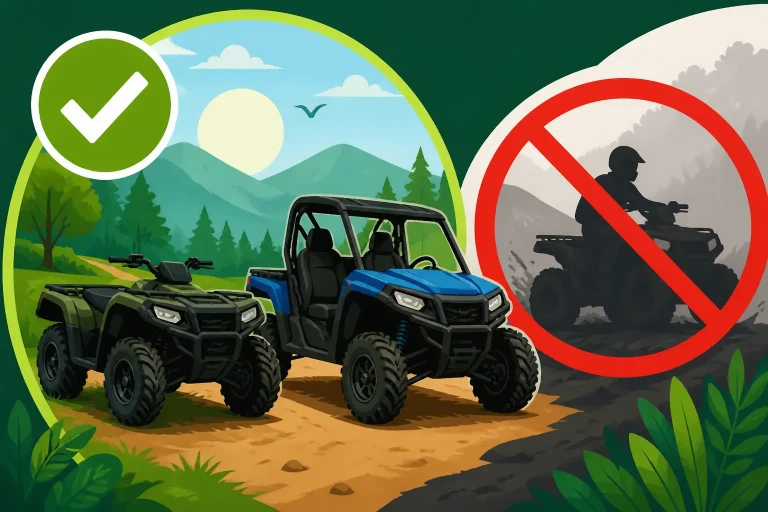
Rangers may also be checking whether you are using the right machine on the right trail. Vehicle access can differ across systems and trail segments. Some routes may have restrictions on vehicle type or width, and a trail shown on a broad map is not necessarily open to every ATV or UTV. Check the specific system’s current map and rules before starting. If you are unsure whether your machine fits, ask the trail operator before riding rather than trying the route and hoping it is allowed.
A stop may be brief if you can calmly show your permit and ID and answer questions clearly. Pull over where it is safe, follow instructions, and avoid reaching suddenly into a bag or compartment without saying what you are doing. If you are riding in a group, let one person handle the conversation rather than having several riders talk over one another. If the ranger points out a rule or route issue, ask a short, respectful question if you need clarification.
What to Prepare Before You Ride
A little preparation makes a stop easier and can prevent problems at the trailhead. Before the trip, check the operator’s current permit and equipment requirements, since rules may vary between Spearhead, forest roads, and private parks. Confirm the operating hours, closures, and allowed vehicle types for the area you plan to ride.
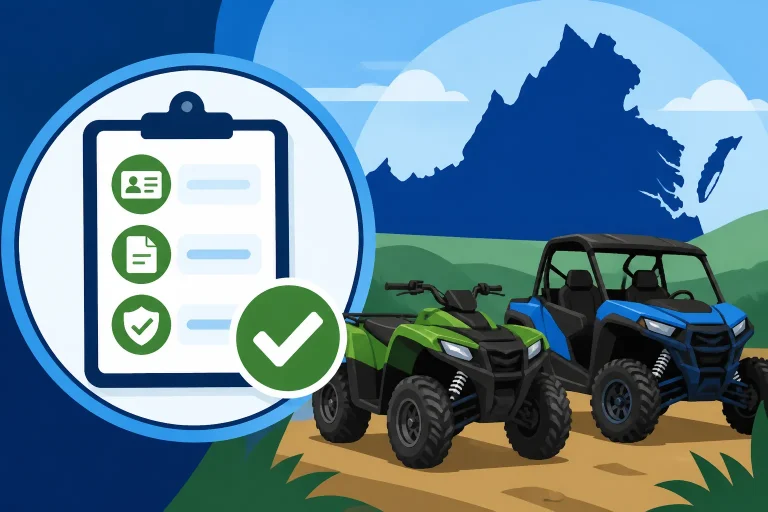
Use this short checklist:
- Confirm that you have a permit for the correct trail system and that it covers the riders or machines as required.
- Make sure the permit name matches the photo ID you will carry.
- Save the permit confirmation so it is accessible without relying on a cell connection.
- Check each rider’s age against the applicable trail rules and the machine manufacturer’s minimum age.
- Bring and wear required helmets and eye protection.
- For a UTV, check that required factory equipment and seatbelts are present and working.
- Review the trail map, posted speed limit, operating hours, and any closures.
- Keep any ownership or purchase records that may help clarify a machine’s identity, while remembering that these do not replace a trail permit.
If a ranger says your permit cannot be verified, stay calm and ask what information is missing. Have the permit name, confirmation, and matching ID ready. If there is a genuine mismatch or purchase problem, do not continue riding on the assumption that the permit will be sorted out later. Contact the relevant trail office or operator and follow its instructions. For common verification issues, see Virginia Permit Checks on the Trail and Virginia Permit Questions Riders Ask.
The practical takeaway is simple: for a Spearhead stop, be ready to show the right digital permit and matching photo ID, and make sure the rider, protective gear, and machine comply with the system’s rules. A title, an out-of-area permit, or a general belief that your machine is legal on trails will not answer every question. Verify the specific network before you unload, and keep the essentials accessible while you ride.
Disclaimer
This article is for general informational purposes only and does not constitute professional advice. Laws, prices and regulations vary by location and change over time. Consult a qualified professional for guidance on your specific situation.