Why a Lender Makes You Title a Used Quad
You've found that perfect used ATV or side-by-side in Virginia, maybe a well-maintained machine from a private seller or a fantastic deal at a dealership. You're ready to make it yours, but then comes the financing conversation, and suddenly, a detail surfaces that can feel a bit confusing: your lender insists the machine needs to be titled. This often leaves Virginia riders scratching their heads, especially since they might have heard that titling a used ATV isn't always required in the Commonwealth. This guide is here to clear up that confusion, explaining exactly why your lender cares so much about that piece of paper and what it means for you.
Virginia's Unique Stance on Used ATV Titles
Virginia has some specific rules when it comes to titling ATVs and UTVs, and they're not always as straightforward as titling a car or truck. This often leads to some head-scratching moments for riders, especially when a third party, like a bank or credit union, gets involved.
The Optional Nature of Titling a Used Machine
In Virginia, if you buy a used ATV or side-by-side that was already privately owned, the state law actually makes titling it optional in many cases. This is a crucial distinction from new machines. For instance, if you bought a brand-new quad from a dealer anytime after July 1, 2006, the state absolutely expects it to be titled. That's because [Virginia Titles Machines Bought New Since 2006] as a way to track new inventory and ensure sales tax is collected.
However, for a used machine, especially one that might have changed hands a few times or even one that was bought new before that 2006 cutoff, the process is often presented as a choice. A private owner might choose to keep their ATV untitled, relying on a bill of sale as proof of ownership, particularly if they're not financing it and only plan to ride on private land. You might even hear about people passing down machines through families with just a simple handwritten note. This optionality is unique, and it’s why many Virginia riders might have an untitled machine in their shed without any legal issues. It's a pragmatic approach for machines primarily used off-road, where highway registration isn't a concern. The state simply doesn't mandate a title for every single transfer of a used ATV. Indeed, [Virginia Titles Are Optional on Used Machines] for a reason: these vehicles aren't intended for public roads, so the same strict registration and titling requirements that apply to street-legal vehicles don't always apply.
The Lender's Perspective: Protecting Their Investment
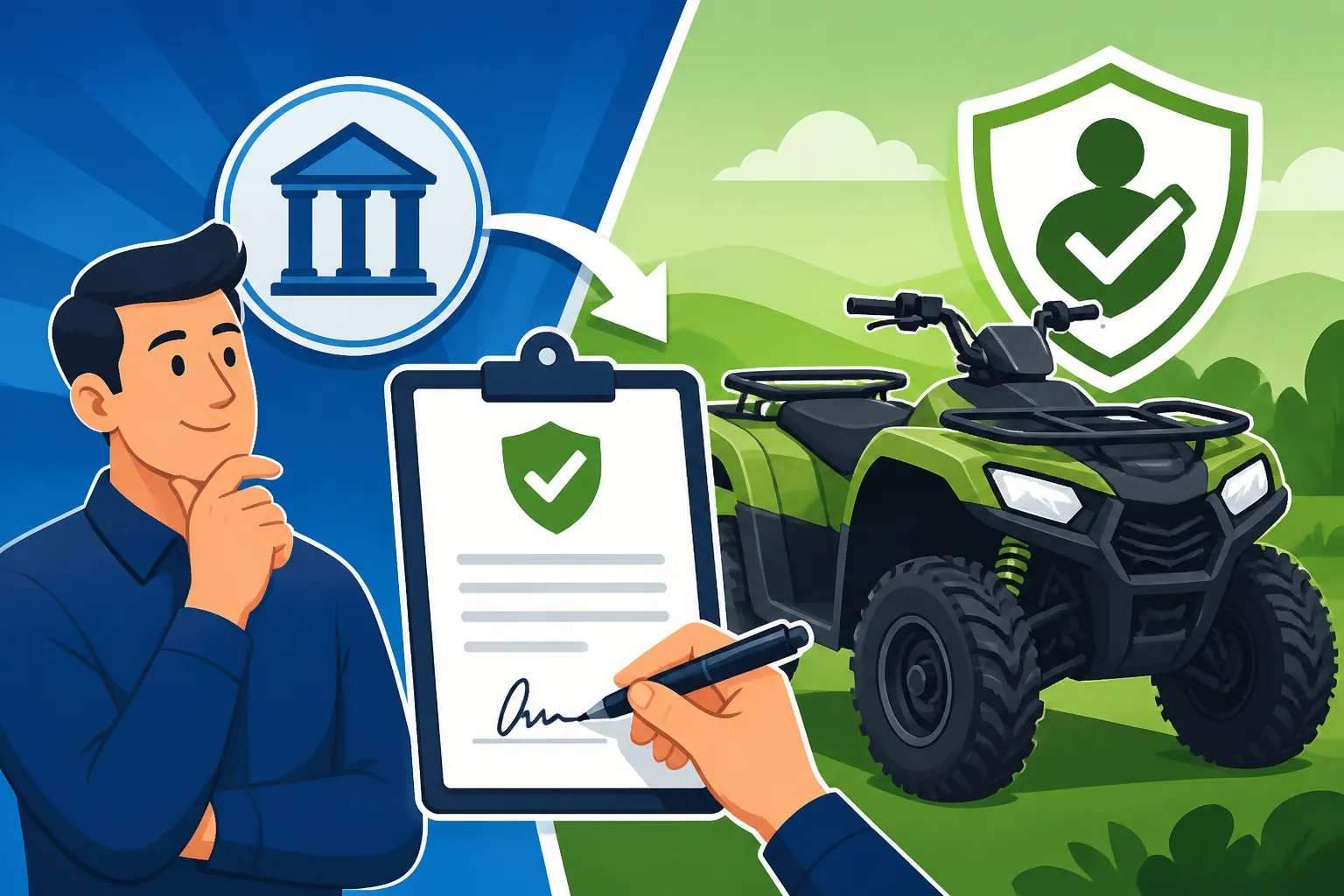
Now, here's where the plot thickens and the optional nature of titling a used ATV for you as a private owner clashes with the mandatory requirements of a lender. While you might be perfectly content with a bill of sale, your bank or credit union sees things very differently. For them, financing an ATV – new or used – represents a significant financial risk. They are essentially buying the machine on your behalf, and they need a rock-solid way to ensure that if you stop making payments, they can reclaim their asset. This is precisely why a lender makes you title a used quad.
Think about it from their shoes: if they loan you $8,000 for a used side-by-side and you simply have a bill of sale, what happens if you decide to sell that machine to someone else a month later, pocket the cash, and vanish? Without an official record linking their loan to that specific vehicle, they're left with very little recourse. They need a legal, undeniable paper trail that formally identifies their financial interest in your ATV. That paper trail is the title. The title serves as the official legal document of ownership. It's the equivalent of a deed for a house, establishing who has rights to the property. By requiring a title, the lender ensures that their name, or more accurately, their lien, is recorded on that official document, effectively making them a co-owner in a legal sense until your loan is fully paid. Without this, their investment is unprotected, a scenario no responsible financial institution will ever accept.
How a Title Secures a Lender's Interest
Understanding the optional nature of titling used ATVs for private individuals in Virginia is one thing, but grasping why a lender insists on it is another. It all boils down to security and legal enforceability. A title is far more than just proof of ownership; it's a critical legal instrument for financial institutions.
Recording the Lien: The DMV's Role
When you take out a loan to purchase an ATV or UTV, whether it's new or used, the lender isn't just handing you cash and trusting you to pay it back. They are securing that loan against the value of the machine itself. This security is established through a legal claim called a "lien." For that lien to be enforceable and officially recognized, it must be recorded on the vehicle's certificate of title. In Virginia, this crucial step happens at the Department of Motor Vehicles (DMV).
Here's how it typically works: when you apply for a title for your ATV – even a used one – and there's a loan involved, the lender's information is submitted to the DMV along with your titling application. The DMV then issues a title that clearly lists both you as the owner and the lender as the "lienholder." This effectively puts the world on notice that while you possess and operate the ATV, a financial institution has a vested interest in it. You can see how this works by examining [How a Lien Shows Up on a Virginia Title]. It's typically listed in a specific section, detailing the lienholder's name and address, and sometimes the date the lien was recorded. This simple addition transforms a mere piece of paper into a powerful legal document that protects the lender. Until that lien is officially removed – which only happens when you've paid off your loan – the lender maintains a legal claim to the ATV. This is why when you complete your titling application, typically [Virginia Form VSA 17A Explained], you'll include all the lender's details. The $15 [Virginia Title Fee of $15] you pay covers the administrative cost of creating and processing this official record.
Consequences of an Untitled Financed Quad
Imagine a scenario where a lender finances a used ATV that remains untitled. You, the borrower, stop making payments. The lender, trying to recover their funds, finds out you've sold the ATV to an unsuspecting third party. Without a title showing their recorded lien, the lender's ability to reclaim that machine becomes incredibly difficult, if not impossible. The new owner might claim they bought it in good faith, unaware of any outstanding loan. Proving the lender's claim in court without an official state-issued title indicating their interest would be an uphill battle, fraught with legal complexities and significant expense.
This is the nightmare scenario lenders actively avoid. An untitled, financed quad is a massive risk. It means the lender has no public, official record of their security interest. If the borrower defaults or disappears, the lender has no easy legal mechanism to repossess the machine or prevent its resale. The DMV wouldn't even have a clear record to reference if someone ran a VIN check looking for liens, because the lien wouldn't be officially on file. Furthermore, if the ATV were stolen or totaled in an accident, any insurance payout would go directly to the named owner, potentially bypassing the lender entirely unless specific arrangements were made. For these reasons, financial institutions simply won't take the chance. They demand that their lien be prominently displayed on an official state title, ensuring that their investment is protected and their rights are clearly established in the eyes of the law. This is also why many lenders will ask for information related to [Virginia Title and Lien Records] to ensure everything is above board.
Steps to Title a Used Quad When Financing
So, you've found your dream used quad and secured financing. Now it's time to navigate the titling process, which is slightly different when a lender is involved compared to a cash purchase. The key is meticulous attention to detail and ensuring all necessary paperwork is in order to satisfy both the DMV and your lender.
Gathering Necessary Documents
The first and most critical step is to gather all the required documents. This part can feel a bit like a scavenger hunt, but it's essential for a smooth process. You'll typically need:
- Bill of Sale: Even if you're buying from a private seller, a comprehensive bill of sale is non-negotiable when financing. While Virginia might accept an untitled machine with just a bill of sale for a cash transaction, your lender needs something more formal. This document should include the full names and addresses of both buyer and seller, the date of sale, the purchase price, and crucially, the Vehicle Identification Number (VIN) of the ATV. It acts as the initial proof of transfer of ownership before the title is issued. If you're buying privately, consider using a template from a reputable source like LawDepot to ensure all legal bases are covered and the document is professionally drafted.
- Previous Title (if available): If the used ATV did have a previous Virginia title, or an out-of-state title, the seller needs to sign it over to you. This is ideal, as it establishes a clear chain of ownership. Ensure the seller's signature is notarized if required by the title form, though for ATVs it's not always mandated in Virginia unless an affidavit is used.
- Lien Release (if applicable): If the previous owner had a loan on the ATV, they must provide a lien release from their lender. Without this, the previous lien will still be on record, preventing you from getting a clean title and preventing your new lender from recording their own lien.
- Application for Title and Registration (Form VSA 17A): This is the official Virginia DMV form you'll need to fill out. As discussed earlier, [Virginia Form VSA 17A Explained] clearly lays out all the information required, including your personal details, the ATV's information, and most importantly, your lender's details to record their lien.
- Proof of Identity and Residency: You'll need a valid Virginia driver's license or state ID, and potentially proof of your Virginia address, such as a utility bill. Remember, [Virginia Title and Proof of Address] are linked to ensure the title goes to your correct primary residence.
- Payment for Fees and Taxes: Be prepared to pay the [Virginia Title Fee of $15] and the applicable [Virginia Sales Tax at Titling]. This tax is based on the purchase price of the ATV, so factor that into your financing.
It’s worth noting that if you're buying from a dealer, they will often handle much of this paperwork for you, ensuring everything is correctly submitted to the DMV. However, for a private sale, you're responsible for coordinating all these elements with your lender and the DMV. Leveraging resources like LawDepot for custom bill of sale forms or other legal agreements can make this aspect much smoother.
The Titling Process at the DMV
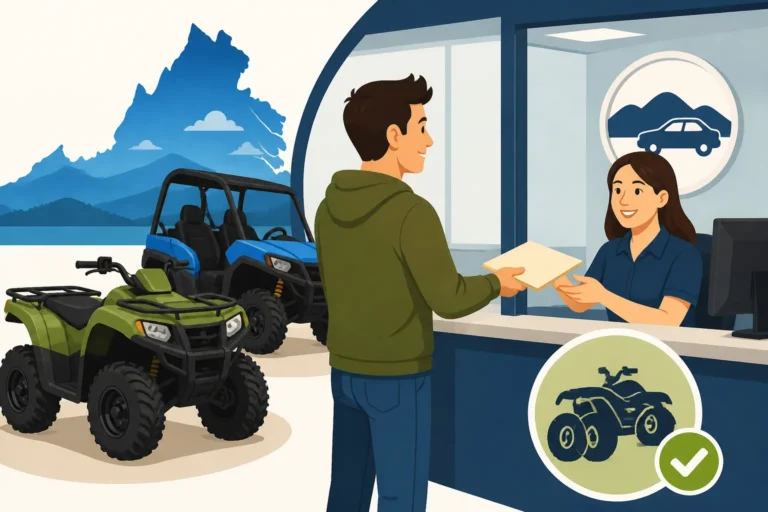
Once you have all your documents in hand, you'll need to submit them to the Virginia DMV. You can either mail in your application or, more commonly, visit a DMV Customer Service Center in person. Going in person allows you to get immediate feedback if anything is missing or incorrect, and you can usually walk out with a temporary registration document, though the actual title will be mailed later.
Here’s a breakdown of the process:
- Complete the VSA 17A: Carefully fill out every section of the Application for Title and Registration. Make sure the VIN is accurately transcribed from the ATV. This is also where you'll clearly enter your lender's name and address in the "Lien Information" section. This step is non-negotiable for a financed machine.
- Submit Documents and Payment: Present your completed form, the bill of sale, any previous title, your identification, and payment for the title fee and sales tax. The DMV clerk will review everything.
- Lien Recording: The DMV processes your application and, upon approval, will record your lender's lien on the new title. This legally establishes their interest.
- No Plates or Decals: It’s important to remember that for an ATV, even when titled, you won't receive license plates or registration decals like you would for a car. Virginia titles ATVs but never registers them for road use, so [Titling an ATV at the DMV Without Getting a Plate] is the standard procedure. The title simply serves as proof of ownership and a means to record liens.
Your lender will likely provide specific instructions or even certain forms they require. They might even have a preferred method for submitting the paperwork to ensure their lien is properly filed. They want to make sure their name gets on that title as the lienholder without any hiccups, protecting their loan. For a comprehensive list, consult [What to Bring to the DMV to Title a Quad].
After the Title Is Issued: What Happens Next
Once the Virginia DMV processes your application and creates the new title with your lender's lien recorded, that title typically doesn't come directly to you. Instead, the DMV will usually mail the physical title document directly to your lender. This is standard practice when a lien is active; the lender holds the title as proof of their security interest.
You won't receive a physical title until you have completely paid off your loan. Once your loan is satisfied, your lender will send you a lien release document. You will then need to submit this lien release to the DMV, which will issue you a new, "clear" title with no lienholders listed. This new title will confirm that you own the ATV free and clear of any financial obligations. This entire sequence is designed to ensure that the lender’s investment is secure from the moment you drive the quad off the lot (or out of the seller’s driveway) until the last payment is made. This structured process is vital for the lending ecosystem to function smoothly and offers protection to all parties involved. Should you decide to sell the machine in the future, having this clear title makes the process much simpler, and again, you might find templates on LawDepot helpful for drafting a new bill of sale.
Other Considerations for Financing an ATV
While the title is paramount for securing a lender's interest, several other factors come into play when financing an ATV or UTV in Virginia. These considerations often stem from the same risk-averse mindset of financial institutions and can significantly impact your overall experience and costs.
Insurance Requirements
This is a big one. Even though the Commonwealth of [Virginia Requires No ATV Insurance] by state law for off-road vehicles, don't be surprised when your lender absolutely insists on it. Just like with a car loan, they want to protect their collateral. If you're financing a machine, the lender will typically require you to carry comprehensive and collision coverage on that ATV.
Why? Because if the quad is stolen, damaged in a rollover, or destroyed in a fire while it's still being paid for, the lender wants to ensure they can recover the outstanding loan balance. Without insurance, if something catastrophic happens, you could be left with a totaled ATV and still owe thousands of dollars. The insurance policy naming the lender as an "additional insured" or "loss payee" ensures that any payout for such an event goes directly to them first, covering their investment. Only after their claim is satisfied would any remaining funds go to you. So, while you might not legally need ATV insurance in Virginia, you'll almost certainly financially need it if you're taking out a loan. This is a crucial distinction and an important budget item to consider when planning your purchase.
Dealer vs. Private Sale Financing
The experience of financing a used ATV can differ quite a bit depending on whether you're buying from a licensed dealer or a private individual.
- Dealer Purchase: When you buy a used quad from a dealership, they often have established relationships with various lenders. They can streamline the financing process, handling all the paperwork, including the title application, sales tax collection, and ensuring the lien is properly recorded with the DMV. This convenience is a major advantage for buyers, as it reduces your administrative burden. Dealers are accustomed to these procedures and can usually get everything processed efficiently. They will also clearly disclose fees like a [Virginia Dealer Processing Fee Disclosure], which is a standard administrative charge that covers their costs for handling paperwork.
- Private Sale: Financing a used ATV from a private seller requires a bit more legwork on your part. You'll typically need to secure a loan from your bank or credit union before you even approach the seller. The lender will then provide you with a pre-approval and specific instructions on how they want the titling and lien recording handled. You, as the buyer, will be responsible for ensuring the bill of sale is correct, the title (if one exists) is properly transferred, and then coordinating with your lender and the DMV to get the new title issued with the lien recorded. This process demands more attention to detail and proactive communication from you, the borrower. However, resources like LawDepot can be invaluable here, helping you draft a professional bill of sale for [Buying From a Private Seller in Virginia] that satisfies your lender's requirements.
Regardless of where you buy, the core requirement remains: if you're financing, your lender will want their lien on an official title.
The Importance of a Clear Bill of Sale
Even if a used ATV in Virginia might not have had a title previously, or if the seller has misplaced it, a rock-solid, comprehensive bill of sale is absolutely essential when financing. This document serves as the foundational legal proof of purchase and transfer of ownership. It bridges the gap between the informal exchange of an untitled machine and the formal requirements of a financial institution.
A good bill of sale for an ATV should always include:
- The full legal names and contact information of both the buyer and the seller.
- A detailed description of the ATV, including the make, model, year, and its unique Vehicle Identification Number (VIN). The VIN is critical for identification and for the title application.
- The agreed-upon purchase price.
- The date of the sale.
- Signatures of both the buyer and the seller.
Without a clear, professionally prepared bill of sale, your lender will be hesitant to proceed with financing. It's their initial record of the transaction and what they'll use to ensure the VIN on the loan agreement matches the machine you're buying. For private sales, particularly, taking the time to create a robust bill of sale using a platform like LawDepot can prevent headaches down the road. It ensures that all parties understand the terms of the sale and provides the necessary documentation for both your lender and the Virginia DMV when it comes time to title the machine and record the lien.
Disclaimer
This article is for general informational purposes only and does not constitute professional advice. Laws, prices and regulations vary by location and change over time. Consult a qualified professional for guidance on your specific situation.