Virginia Rules for a 13-Year-Old Rider
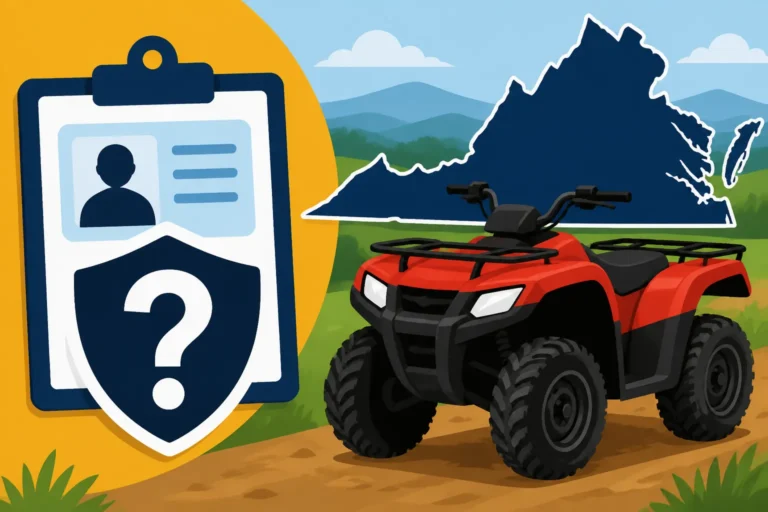
Navigating the world of ATV and UTV riding with a young enthusiast can feel like sifting through a stack of complicated legal documents, leaving many parents wondering what's truly allowed. It's especially confusing when you have a 13-year-old eager to hit the trails, but you're unsure about machine sizes, safety gear, and where they can legally ride in the Commonwealth. This guide aims to cut through that confusion, offering clear, comprehensive information on Virginia's specific rules for 13-year-old ATV riders, helping you ensure their safety and your peace of mind.
Virginia's Core Age and Engine Displacement Rules
When it comes to allowing a 13-year-old to ride an ATV in Virginia, the law is quite specific about the relationship between a rider's age and the machine's engine size. This isn't just a suggestion; it's a mandatory legal requirement designed to protect young riders from operating machines that are too powerful or too large for their skill level and physical capabilities. As parents, understanding these foundational rules is your first and most critical step in ensuring your child's safety and staying on the right side of the law.
Understanding the 12-to-16 Age Bracket and 90cc Limit
Virginia law carves out a specific bracket for riders between the ages of 12 and 16. For this group, the maximum engine displacement allowed on an ATV is 90 cubic centimeters (cc). This means if your 13-year-old wants to ride, the ATV they operate absolutely cannot exceed that 90cc limit. It's a hard line, and there's no wiggle room for exceptions based on skill or experience. Even if your child is an exceptional rider for their age, the law is clear: a 13-year-old must be on a machine no larger than 90cc. This rule applies whether they're riding a utility quad, a sport quad, or anything in between, as long as it falls under the definition of an ATV.
This 90cc restriction is in place for several crucial reasons. Larger engines deliver more power, acceleration, and top speed, which can quickly overwhelm a rider who is still developing their judgment, reaction time, and physical strength. A 13-year-old might not have the upper body strength to properly control a larger, heavier machine during a sudden turn or while navigating uneven terrain, increasing the risk of rollovers or loss of control. It's a careful balance between allowing young riders to experience the sport and ensuring they do so on equipment appropriate for their developmental stage. So, before you even think about hitting the trails, double-check that engine size – it's paramount. [A 90cc Machine From 12 Until 16] is the rule of thumb here.
The Importance of Virginia's No Supervision Escape Clause
One aspect of Virginia's ATV laws that often surprises parents, especially those familiar with rules in other states, is the absence of a "supervision escape clause" for young riders. Many states might allow a younger rider to operate a larger machine if they are under direct adult supervision, implying that the watchful eye of an experienced adult can mitigate the risks. However, Virginia law explicitly does not provide such an exception. The engine displacement limits for minors are absolute.
What this means in practice is that even if you, as a parent or guardian, are riding right alongside your 13-year-old, providing constant instruction and guidance, they are still legally bound by the 90cc maximum engine size. Your presence and supervision, while excellent for safety and skill development, do not override the statutory engine size restriction. If your 13-year-old is caught operating an ATV over 90cc, even with you present, it's still a violation of the law. This emphasizes the state's firm stance on matching machine power to a rider's age category, regardless of adult oversight. [Virginia Has No Supervision Escape Clause] is a critical point to remember.
Helmet and Safety Gear Requirements for Young Riders
Safety is paramount when riding ATVs, especially for young riders like a 13-year-old. Virginia law doesn't just stop at engine size; it also mandates specific safety equipment for all ATV operators, with no exceptions based on age or experience. Ensuring your 13-year-old is properly geared up isn't just about following the law; it's about protecting them from potential injuries in the unpredictable off-road environment. Overlooking these requirements could lead to serious consequences in the event of an accident.
Mandatory Helmets for All Virginia ATV Riders, Including 13-Year-Olds
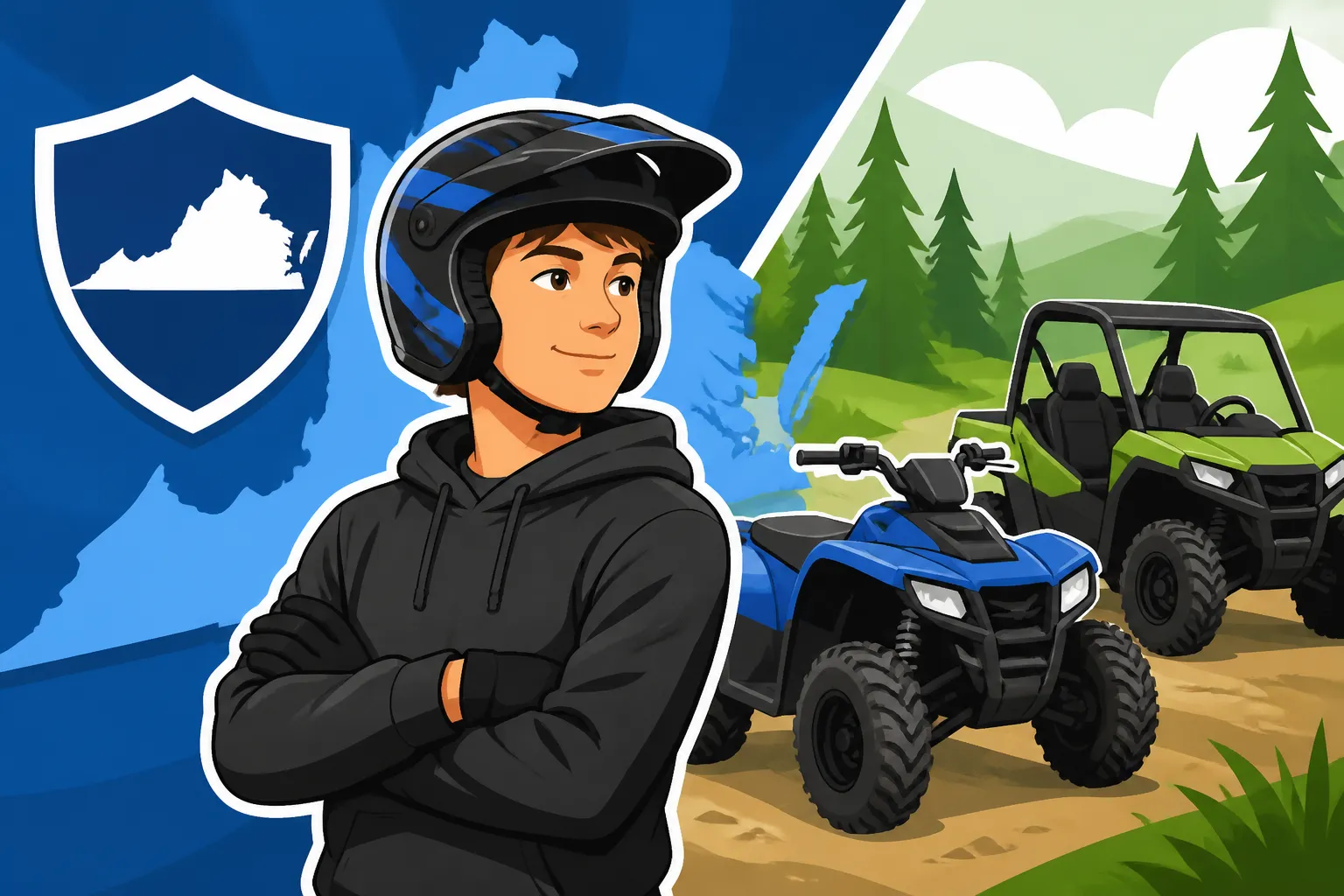
Virginia law is crystal clear: every person operating an all-terrain vehicle in the Commonwealth must wear a protective helmet. This isn't a rule that applies only to kids or only to certain types of riding; it's universal for all riders, regardless of age. Therefore, your 13-year-old, like every other ATV rider in Virginia, is legally required to wear a helmet at all times while operating an ATV. The helmet must meet specific safety standards, typically those set by the Department of Transportation (DOT), and be securely fastened.
This mandate highlights the significant risk of head injuries in ATV accidents. Even at low speeds, a fall or collision can result in severe trauma if the head is unprotected. Think about navigating a rocky trail, hitting an unexpected rut, or dealing with a sudden swerve to avoid an obstacle; these are all scenarios where a helmet can be the difference between a minor scare and a life-altering injury. Investing in a high-quality, properly fitting helmet that meets DOT standards is non-negotiable for your 13-year-old's safety. Many riders also choose to upgrade their helmets or other gear through reputable aftermarket brands, such as those found at SuperATV, to further enhance protection and comfort. [Virginia Helmet Law Applies to Every Rider] is a rule that must always be followed.
Essential Eye Protection and Other Gear
Beyond the helmet, Virginia law also specifies the need for proper eye protection. While riding an ATV, especially on dusty trails or through wooded areas, debris like dust, dirt, twigs, and insects can fly into a rider's eyes, causing temporary blindness, irritation, or even serious injury. Goggles or a face shield that is integrated into the helmet are crucial for maintaining clear vision and protecting the eyes. Just like helmets, this isn't optional for your 13-year-old; it's a legal requirement and a fundamental safety measure.
Furthermore, while not always explicitly codified in state law beyond helmets and eye protection, common sense and best safety practices dictate additional protective gear. This includes sturdy over-the-ankle boots, long pants, a long-sleeved shirt or riding jersey, and gloves. These items provide essential protection against scrapes, cuts, burns, and impacts, significantly reducing the severity of injuries in a fall. When considering riding gear, remember that ATV riding is an active, dynamic sport where minor incidents are common, and proper attire can make a huge difference. Even something as simple as a durable pair of gloves can prevent blisters and improve grip, enhancing both safety and control for your young rider.
Where a 13-Year-Old Can Legally Ride in Virginia
Understanding where your 13-year-old can legally ride their ATV in Virginia is just as important as knowing the age and machine restrictions. Virginia has strict laws governing ATV operation, particularly concerning public roads and land. Misunderstanding these rules can lead to fines, confiscation of the machine, and even legal trouble. It's crucial for parents to educate themselves and their young riders on approved riding areas to ensure a safe and lawful experience.
Riding on Private Land with Written Consent
For many Virginia ATV enthusiasts, private land offers the most accessible and frequent riding opportunities. If you own private property, your 13-year-old can generally ride their 90cc-or-less ATV on that land. However, even on your own property, all other Virginia ATV laws still apply, including the helmet and eye protection requirements. The assumption that "it's my land, so anything goes" is a dangerous misconception.
When it comes to riding on other people's private land, Virginia law is very clear: you must have the written consent of the landowner. Verbal permission is often not enough to satisfy legal requirements, especially if an incident occurs or if law enforcement becomes involved due to a complaint. A simple written note outlining who is permitted to ride, on what dates, and for what purpose, signed by the landowner, can prevent a lot of headaches. Without this explicit [Virginia Written Consent on Private Land], your 13-year-old could be considered trespassing, even if they believed they had permission. This also extends to areas like timber company land or large farms; always secure proper documentation before riding.
Public Trail Systems and Their Specific Rules
Virginia offers several public trail systems that are designated for ATV and OHV use, such as the Spearhead Trails network in the southwestern part of the state, and the Peters Mill Run/Taskers Gap system in the George Washington National Forest. These systems provide fantastic opportunities for riders of all ages, including 13-year-olds on appropriate machines. However, each public trail system has its own set of rules and regulations that must be adhered to, often in addition to state laws.
These rules typically include requiring a permit to ride, specific operating hours (often sunrise to sunset), restrictions on machine width, noise limits, and strict adherence to marked trails. For a 13-year-old, it's essential to understand that while a trail system might be generally open to ATVs, they still need to meet the state's age and engine displacement rules, and any additional rules set by the trail management. For example, some trails might have specific sections designated for youth or beginner riders, or they might have different permit requirements for minors. Always check the specific rules for the trail system you plan to visit before loading up the quad. Resources like [Spearhead Trails in Virginia Explained] can provide detailed information for those specific riding areas.
Summary of Virginia ATV Riding Locations for a 13-Year-Old
| Riding Location | Key Requirements | Notes |
|---|---|---|
| Your Own Private Land | – 90cc max engine displacement | All state safety laws (helmets, eye protection) still apply. |
| – Helmet and eye protection | ||
| Other Private Land | – 90cc max engine displacement | Written consent from the landowner is mandatory. Verbal permission is insufficient. |
| – Helmet and eye protection | ||
| Designated Public Trails | – 90cc max engine displacement | Requires specific permits (e.g., Spearhead Pass, National Forest OHV Permit). Adhere to trail-specific rules (hours, width, noise). |
| – Helmet and eye protection | Always check specific trail system regulations before visiting. Many aftermarket parts from SuperATV can help meet certain trail requirements, such as spark arrestors or quieter exhaust systems. | |
| – Valid riding permit (if applicable) | ||
| Public Highways/Roads | ABSOLUTELY PROHIBITED | ATVs are not street-legal in Virginia and cannot be operated on public roads or highways, with very limited exceptions for agricultural/emergency use by adults, which do not apply to a 13-year-old. |
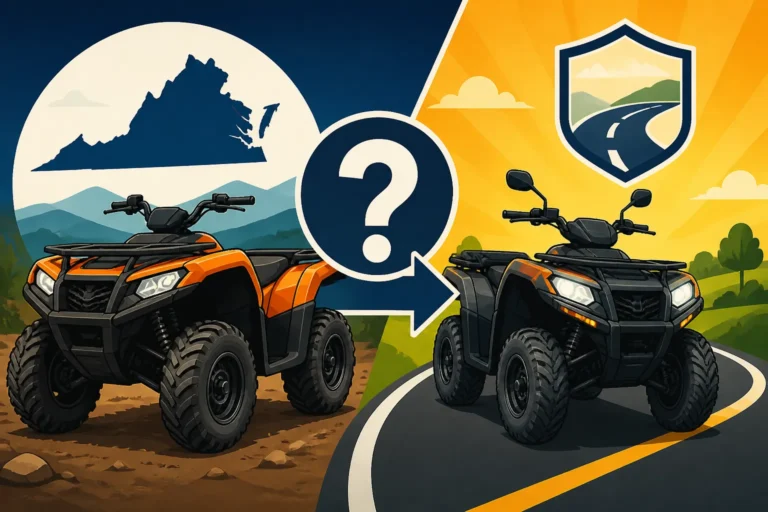
It's crucial to highlight that ATVs are generally not allowed on public roads, streets, or highways in Virginia. There are very limited, specific exceptions for adults engaged in agricultural operations or emergency services, but these do not extend to recreational riding by a 13-year-old. Riding on public roads is illegal and extremely dangerous due to the differences in vehicle design, handling, and visibility compared to street-legal vehicles. This means riding from your house down the street to a friend's house, even for a short distance, is prohibited.
Consequences of Non-Compliance and Parental Responsibilities
When a 13-year-old rider, or their supervising adult, fails to adhere to Virginia's ATV laws, there are concrete consequences. These aren't minor inconveniences; they can range from significant financial penalties to the impoundment of the ATV. More importantly, as a parent or guardian, you bear a substantial responsibility not only for your child's safety but also for ensuring they understand and follow these regulations. It's a role that requires diligence and proactive education.
Understanding Virginia's Civil Penalties for Violations
Unlike some traffic infractions that might result in criminal charges, most ATV violations in Virginia carry civil penalties. However, "civil" does not mean trivial. Virginia law states that anyone who violates the provisions regarding ATV operation (which includes age limits, engine displacement, helmet use, and riding location) is subject to a civil penalty of up to $500 for each violation. This means that if a 13-year-old is caught riding an ATV over 90cc, without a helmet, and on a public road, multiple violations could be cited, quickly escalating the financial burden.
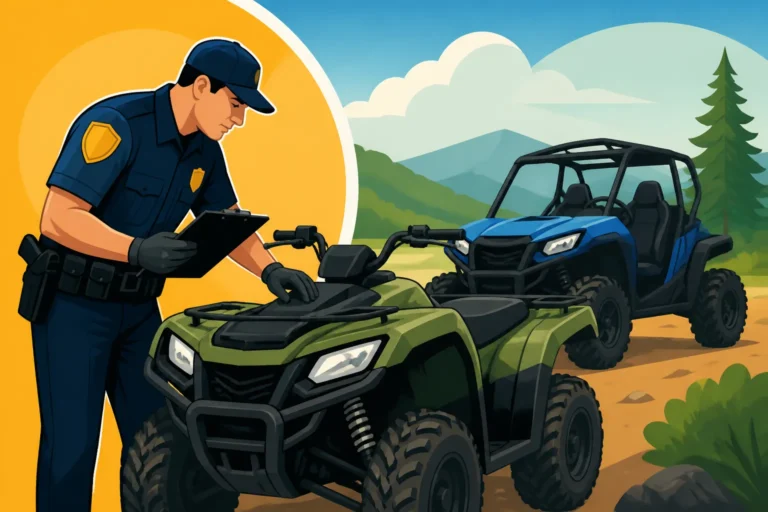
Imagine the scenario: an officer observes your 13-year-old on a 125cc ATV, without a helmet, riding down a gravel county road. That's potentially three distinct violations, each carrying a penalty up to $500. This is not a traffic ticket that goes on a driving record, but it is a substantial financial hit for the family. In some cases, cities and counties also have the power to impound ATVs that are being operated illegally, adding further costs for storage and retrieval. [Virginia's Civil Penalty for Illegal Riding] is a stark reminder that these rules have teeth.
Parental Responsibility and Safety Training
As the parent or legal guardian of a 13-year-old, the ultimate responsibility for ensuring compliance with ATV laws falls squarely on your shoulders. It's your job to know the rules, provide the appropriate machine, equip your child with the necessary safety gear, and educate them on where and how to ride legally and safely. This responsibility extends beyond just theoretical knowledge; it requires active supervision and reinforcement of safe riding practices.
Beyond legal compliance, consider enrolling your 13-year-old in an ATV safety training course. While Virginia does not mandate such courses, they are invaluable for teaching young riders critical skills like proper riding posture, throttle control, braking techniques, hazard avoidance, and understanding terrain. These courses, often offered by certified instructors, go far beyond what a parent can typically teach in a backyard, instilling confidence and competence that dramatically reduces the risk of accidents. Even though Virginia doesn't require a safety course, the skills learned are priceless for a rider's long-term safety and enjoyment. Products like upgraded footpegs or controls from SuperATV can also improve a young rider's control and comfort on their machine after receiving proper training. [Virginia Parent Riding With a Child] is about more than just presence; it's about active guidance and education.
Disclaimer
This article is for general informational purposes only and does not constitute professional advice. Laws, prices and regulations vary by location and change over time. Consult a qualified professional for guidance on your specific situation.