Virginia Paperwork for a Farm Utility Vehicle
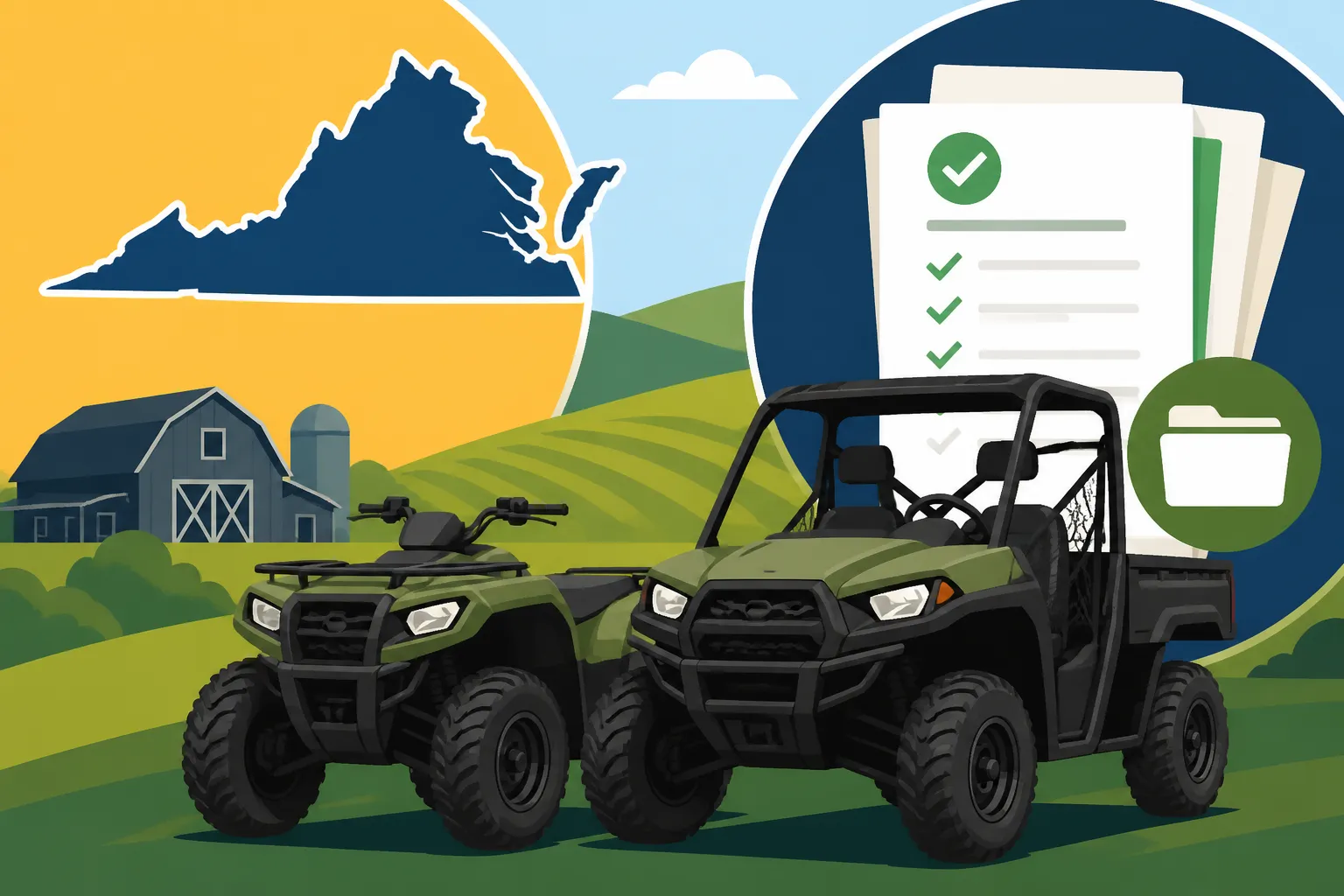
Getting your hands on a utility vehicle for farm work in Virginia is exciting, whether it’s for hauling feed, checking fences, or just getting across the back forty. But let's be real, figuring out the specific paperwork for a "farm utility vehicle" can feel like wrangling a stubborn cow at times. It’s not always as straightforward as titling your car, and there are some unique exemptions and rules you absolutely need to understand. This guide is here to cut through the confusion, walking you through everything from titling to sales tax and proving that your workhorse machine is, indeed, for the farm.
Understanding What Virginia Considers a "Farm Utility Vehicle"
When we talk about utility vehicles, especially those used for farming, it's easy to assume they fall under the same umbrella as any other off-road machine. However, Virginia law makes some specific distinctions that are really important for you to know, particularly when it comes to paperwork and exemptions. Misunderstanding these definitions can lead to unexpected tax bills or titling headaches down the road.
The Virginia Definition and Its Impact
Virginia has a broad definition for "all-terrain vehicles," and utility vehicles often get swept into this category. The code defines an ATV as a motor vehicle designed for off-road use, having three or more wheels, and intended for use by a single operator. Now, many modern utility vehicles (UTVs), sometimes called side-by-sides, certainly fit the "three or more wheels" and "off-road use" criteria. The key difference for utility vehicles, especially those designed with a cargo bed or seating for more than one, is often how they are used. For farm purposes, their utility, not necessarily their speed or recreational aspect, is the focus.
The Virginia DMV primarily cares about whether your machine meets the legal definition of an ATV for titling purposes, especially if its engine displacement is over 50 cubic centimeters. Once it's classified, then you can apply farm exemptions to things like sales tax. What this means for you is that while your UTV might look different from a sport quad, the initial steps for establishing its identity with the state often start the same way. Knowing this foundational definition is the first step in avoiding any surprises later on.
Distinguishing Farm Use from Recreational Use
This is where the rubber truly meets the road for "farm utility vehicles." In Virginia, a machine is considered to be for "farm use" if it’s predominantly used for agricultural purposes on a farm. This isn't just a casual term; it has specific implications for things like sales tax exemptions. For example, if your UTV is primarily hauling tools, spraying fields, or moving livestock, it’s far more likely to qualify for those crucial exemptions than if it's primarily used for joyriding on weekends, even if that joyriding happens on farm property.
The distinction isn't always about the machine itself, but how you use it. If you're a legitimate farmer, whether full-time or part-time, and your utility vehicle is integral to your agricultural operations, you'll want to ensure your paperwork reflects this. You’ll need to be prepared to demonstrate that its primary purpose is indeed for farming. This might mean having a valid farm exemption number from the Department of Taxation or being able to clearly articulate its farm-related duties. This distinction is vital because it unlocks certain financial benefits that regular recreational UTV owners don't get.
Titling Requirements for Your Farm Utility Vehicle in Virginia
Titling a farm utility vehicle in Virginia can be a bit of a gray area for some, as the state's rules differentiate between new and used machines, and even make titling optional in certain scenarios. However, making sure your machine is properly titled, especially if you ever plan to sell it or need to prove ownership, is always a smart move. Let’s break down when and how you'll typically navigate this process.
Titling a Brand New Farm UTV
If you're buying a brand new utility vehicle that you intend to use primarily for farm work, Virginia's titling rules are pretty clear: if it has an engine larger than 50cc and was purchased new after July 1, 2006, it needs a title. This is regardless of whether it's for farm, recreational, or commercial use. The dealer you purchase it from typically handles a lot of the initial paperwork. They will provide you with a Manufacturer's Certificate of Origin (MSO), which is essentially the birth certificate of your UTV.
You'll take this MSO, along with a completed [Virginia Form VSA 17A Explained], proof of identification, and proof of your Virginia address, to your local DMV office to apply for the title. While the dealer might offer to do this for you, understanding the process ensures everything is done correctly, especially when claiming a farm exemption for sales tax, which we'll cover next. Remember, even if it's a farm machine, you still follow the standard new ATV titling process initially, including paying the title fee. The exemption often comes into play with the sales tax.
When Titling a Used Farm UTV Becomes Necessary (or Optional)
Things get a bit more flexible when it comes to used farm utility vehicles. For machines that were purchased used in Virginia, titling is generally optional. This means if you buy a used UTV from another farmer or a private seller, you are not legally required to get a title in your name. Many folks appreciate this flexibility, as it cuts down on paperwork. However, just because it's optional doesn't mean it's always the best choice.
There are compelling reasons to title a used farm UTV. First, if you ever plan to sell it, having a title makes the transaction much smoother and provides clear proof of ownership for the new buyer. Second, if you finance the purchase through a lender, they will almost certainly require you to title the machine so they can record their lien on it. Without a title, securing a loan for a used UTV can be challenging. Lastly, a title serves as undeniable proof that the machine belongs to you, which can be invaluable in cases of theft or dispute. Even if you're not legally required to, getting a title for your used farm UTV can save you headaches down the line. You can find more information on [Virginia Titles Are Optional on Used Machines].
Navigating Sales Tax and Exemptions for Farm Use
Ah, sales tax. It's one of those inevitable parts of buying almost anything, but for farmers in Virginia, there's a significant silver lining when it comes to utility vehicles used for agricultural purposes. Understanding how to apply for and claim these exemptions can save you a good chunk of change.
Virginia Sales Tax on Utility Vehicles
In Virginia, utility vehicles, like ATVs, are generally subject to the state's retail sales and use tax rate. This is different from the motor vehicle sales and use tax rate that applies to cars and trucks. For most of the state, this means you'll pay a certain percentage of the purchase price in sales tax. There are specific regional rates, and localities can add a bit more in certain areas, so the exact percentage can vary slightly depending on where you make your purchase or where the vehicle will be garaged. You can learn more about this by checking out [Virginia Sales Tax at Titling].
When you buy from a dealer, they will typically collect this sales tax at the point of sale. If you're buying from a private seller, you’ll usually pay the sales tax when you apply for the title at the DMV. It's crucial to factor this tax into your budget unless you qualify for an exemption. For farm utility vehicles, the good news is that such an exemption often exists, dramatically reducing your out-of-pocket costs.
How to Claim the Farm Exemption
This is the golden ticket for farm utility vehicle owners. Virginia offers a sales and use tax exemption for purchases of certain property used directly for agricultural production. This includes machinery, equipment, and repair parts. A utility vehicle, when used primarily for genuine farm work, absolutely falls into this category. To claim this exemption, you typically need to present a Virginia Agricultural Exemption Certificate to the seller at the time of purchase. If you're buying from a private party, you would apply for the exemption directly with the Virginia Department of Taxation when you file your tax returns or if they inquire about an untitled purchase.
The easiest way to make sure this happens smoothly is to apply for a Virginia Department of Taxation sales tax exemption number if you don't already have one. This number identifies you as a legitimate agricultural producer. When you purchase your utility vehicle from a dealer, you simply provide them with this number, and they should process the sale without collecting sales tax on the exempt portion. It’s always wise to confirm with your dealer that they understand and will honor the agricultural exemption. This process helps ensure that you pay no sales tax on your essential farm equipment, making your investment a little lighter on the wallet. For more details on this, look up [Virginia Farm Tax Exemption for a Quad].
Here’s a simple breakdown of paperwork considerations for your farm utility vehicle:
| Scenario | Key Paperwork Needed | Sales Tax Exemption? | Titling Required/Optional |
|---|---|---|---|
| New UTV, Dealer Purchase | MSO, Bill of Sale, ID, Proof of Address, (Optional) Agricultural Exemption Number | Yes, with valid Agricultural Exemption Number | Required (over 50cc) |
| Used UTV, Private Sale | Bill of Sale, Previous Title (if available), ID, Proof of Address, VSA 12M (if no title) | Yes, if primary farm use & you claim exemption with Dept. of Tax | Optional |
| Used UTV, Financed | Bill of Sale, Previous Title (essential), Loan Documents, ID, Proof of Address | Yes, if primary farm use & you claim exemption | Required by lender |
Beyond Titling and Tax: Other Important Paperwork Considerations
While titling and sales tax are major hurdles, there are other pieces of paperwork and practices that can save you a lot of grief down the road. Especially when dealing with used machines or operating on various properties, having your ducks in a row makes a huge difference.
The Importance of a Detailed Bill of Sale
Regardless of whether you're buying new from a dealer or used from a private seller, always, always, always get a comprehensive bill of sale. For a new machine, the dealer will provide this, but ensure it details all costs, VIN, and any accessories. For a used machine, a detailed bill of sale is your primary proof of purchase and ownership if a title isn't exchanged. This is especially true if you opt not to title a used farm UTV, as [Virginia Title Without a Bill of Sale] can become a complex issue later on.
A good bill of sale, especially for private sales, should include:
- The full names and addresses of both buyer and seller.
- The date of sale.
- A clear description of the utility vehicle (make, model, year, VIN).
- The purchase price.
- A statement that the seller certifies they are the legal owner and the machine is free of liens.
- Signatures of both parties.
- Ideally, notarization for added legal weight, especially if you anticipate any future disputes.
You can often find templates for bills of sale online through services like LawDepot, which can help ensure all necessary legal information is included. This document is your foundational proof of ownership and can be crucial for insurance claims, future sales, or even proving your case if the machine is ever stolen.
Keeping Records for Farm Use and Inspections
For a farm utility vehicle, maintaining good records extends beyond just the initial purchase paperwork. Keep all receipts for maintenance, repairs, and any farm-specific accessories you add. These records further solidify the machine's primary purpose for farm use, which can be helpful if you ever need to justify your sales tax exemption or prove its value for business purposes.
Additionally, if you operate your farm utility vehicle on land that isn't solely your own, such as leased fields or shared property, always ensure you have documented permission. While Virginia doesn't register ATVs or UTVs for road use, if you're on someone else's property, [Virginia Written Consent on Private Land] is not just good etiquette; it's a legal safeguard against trespass charges. A simple, signed letter from the landowner outlining your permission to operate the UTV on their property for farm work can prevent misunderstandings or legal issues. This is another area where a service like LawDepot might be useful for drafting simple legal agreements. These records, while not always required by the DMV, are essential for responsible and secure ownership and operation of your farm utility vehicle.
Disclaimer
This article is for general informational purposes only and does not constitute professional advice. Laws, prices and regulations vary by location and change over time. Consult a qualified professional for guidance on your specific situation.